Airbus EADS, now known simply as Airbus, stands as a titan in the aerospace industry, renowned for its innovative aircraft designs and engineering prowess. Established as a consortium of European aerospace manufacturers, Airbus has played a pivotal role in shaping the global aviation landscape. The company is not only a major player in commercial aviation but also a significant contributor to military and space sectors.
With its headquarters in Toulouse, France, Airbus has expanded its operations worldwide, establishing a presence in various countries and fostering international collaborations. The significance of Airbus extends beyond its commercial success; it embodies the spirit of European cooperation in aerospace. The company was born out of a desire to compete with American giants like Boeing, and it has since evolved into a symbol of technological advancement and industrial collaboration.
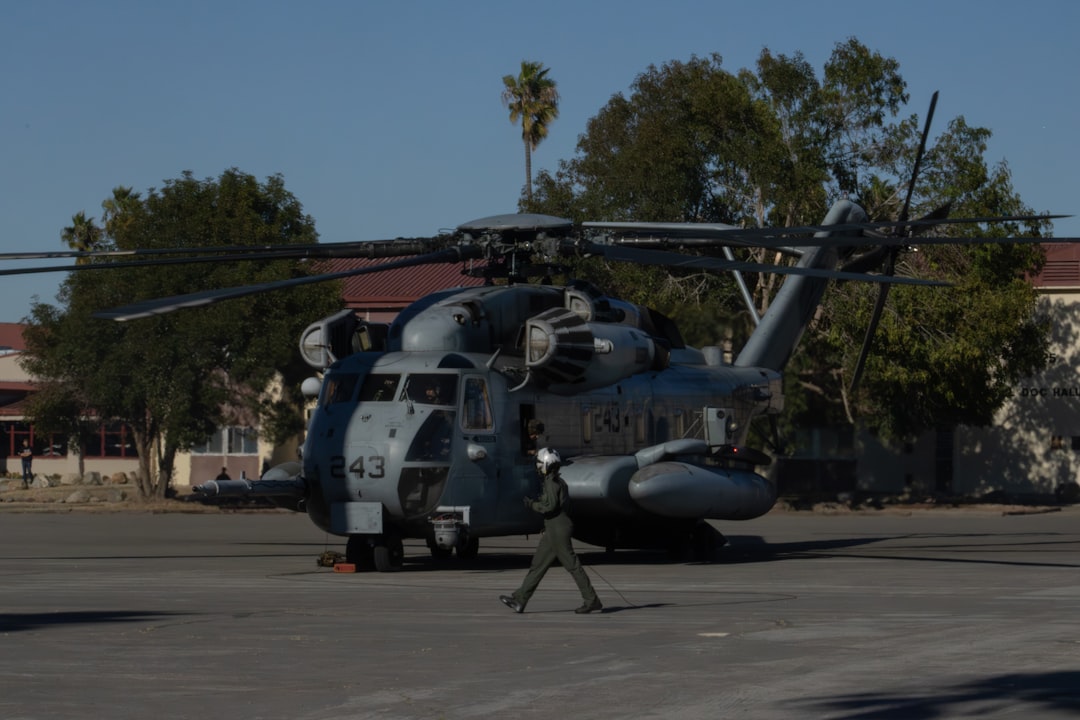
Airbus’s commitment to innovation, safety, and sustainability has positioned it as a leader in the industry, influencing not only the design and manufacturing of aircraft but also the regulatory frameworks that govern aviation safety and environmental standards.
Key Takeaways
- Airbus EADS is a leading aerospace corporation with a rich history of innovation and growth.
- The company has pioneered key aerospace technologies that have advanced global aviation.
- Airbus EADS faces challenges such as market competition but also has significant opportunities for expansion.
- Sustainability and environmental initiatives are central to Airbus EADS’s strategic goals.
- Future projects and partnerships position Airbus EADS to continue shaping the aerospace industry’s future.
History of Airbus EADS

The origins of Airbus can be traced back to the early 1970s when a group of European nations recognized the need for a collaborative approach to aircraft manufacturing. The initial partnership included France, Germany, and the United Kingdom, with Spain joining later. The first aircraft produced under the Airbus brand was the A300, which made its maiden flight in 1972.
This twin-engine wide-body aircraft marked a significant departure from traditional aircraft design, offering greater fuel efficiency and lower operating costs. The A300’s success laid the groundwork for future models and established Airbus as a formidable competitor in the aviation market. Throughout the 1980s and 1990s, Airbus expanded its product line with the introduction of several iconic aircraft, including the A320 family, which revolutionized short- to medium-haul travel with its fly-by-wire technology and advanced cockpit design.
The A330 and A340 models further solidified Airbus’s reputation for innovation and reliability. In 2000, Airbus became a wholly-owned subsidiary of EADS (European Aeronautic Defence and Space Company), which was formed through the merger of several aerospace and defense companies. This merger allowed Airbus to leverage synergies across various sectors, enhancing its capabilities in both commercial and military aviation.
Key Innovations in Aerospace Technology

Airbus has consistently pushed the boundaries of aerospace technology through groundbreaking innovations. One of the most notable advancements is the introduction of fly-by-wire technology, which replaces traditional mechanical flight controls with electronic systems. This innovation not only enhances aircraft performance but also improves safety by providing pilots with more precise control over the aircraft.
The A320 family was the first to implement this technology, setting a new standard for modern commercial aircraft. Another significant innovation is the development of composite materials in aircraft construction. The A350 XWB, for instance, utilizes advanced composite materials for over 50% of its airframe, resulting in reduced weight and improved fuel efficiency.
This shift towards lighter materials is crucial in an era where fuel costs are a major concern for airlines. Additionally, Airbus has invested heavily in aerodynamics research, leading to designs that minimize drag and optimize fuel consumption. The A380, the world’s largest passenger airliner, exemplifies this commitment to aerodynamic efficiency while providing unparalleled passenger comfort.
Challenges and Opportunities for Airbus EADS
| Category | Challenges | Opportunities | Metrics / Data |
|---|---|---|---|
| Market Competition | Intense rivalry with Boeing and emerging Chinese manufacturers | Expanding into emerging markets with growing air travel demand | Global market share: ~45% (Airbus), ~55% (Boeing) |
| Technological Innovation | High R&D costs and rapid technology changes | Development of fuel-efficient aircraft and electric/hybrid propulsion | R&D expenditure: Approx. 15% of annual revenue |
| Supply Chain | Disruptions due to geopolitical tensions and pandemics | Strengthening local supplier networks and digital supply chain management | Supply chain delays increased by 20% in recent years |
| Environmental Regulations | Stricter emissions standards and carbon reduction targets | Leadership in sustainable aviation and green technologies | Target: 50% reduction in CO2 emissions by 2030 |
| Financial Performance | Impact of global economic downturns and fluctuating demand | Growth in defense and space sectors diversifying revenue streams | Annual revenue: Approx. 70 billion euros (pre-pandemic) |
Despite its successes, Airbus faces numerous challenges that could impact its future growth and market position. One of the most pressing issues is the intense competition from Boeing and emerging players in the aerospace sector, particularly from countries like China and Russia. These competitors are not only vying for market share but are also investing heavily in research and development to create next-generation aircraft that could rival Airbus’s offerings.
Moreover, geopolitical tensions and trade disputes can pose significant risks to Airbus’s operations. Tariffs and restrictions on international trade can disrupt supply chains and affect production schedules. The COVID-19 pandemic further exacerbated these challenges, leading to a dramatic decline in air travel demand and forcing Airbus to implement cost-cutting measures, including layoffs and production slowdowns.
However, these challenges also present opportunities for Airbus to innovate and adapt. The company can leverage its expertise in sustainable aviation technologies to develop new aircraft that meet evolving regulatory standards and consumer preferences for environmentally friendly travel.
Sustainability and Environmental Initiatives
Airbus has recognized the urgent need for sustainability within the aviation industry and has taken proactive steps to address environmental concerns. The company has set ambitious targets to reduce its carbon footprint and is actively working towards developing more sustainable aircraft technologies. One of its key initiatives is the development of hydrogen-powered aircraft, which aims to eliminate carbon emissions from commercial aviation by utilizing hydrogen as a clean fuel source.
In addition to exploring alternative fuels, Airbus is also focused on improving the efficiency of its existing aircraft models. The introduction of wingtip devices like winglets on various models has significantly reduced drag and improved fuel efficiency. Furthermore, Airbus is investing in research to enhance operational efficiency through advanced air traffic management systems that optimize flight routes and reduce fuel consumption during flights.
Airbus’s commitment to sustainability extends beyond aircraft design; it encompasses its entire supply chain and manufacturing processes. The company is working towards achieving zero waste in its production facilities and is implementing circular economy principles to minimize resource consumption. By prioritizing sustainability, Airbus not only addresses regulatory pressures but also aligns itself with the growing consumer demand for environmentally responsible travel options.
Future Projects and Partnerships

Looking ahead, Airbus has an ambitious roadmap filled with innovative projects aimed at transforming the future of aviation. One of the most exciting initiatives is the development of urban air mobility solutions through its Vahana project, which focuses on creating electric vertical takeoff and landing (eVTOL) aircraft for urban transportation. This project aims to alleviate congestion in urban areas by providing efficient aerial transportation options.
Additionally, Airbus is actively pursuing partnerships with technology companies and research institutions to accelerate advancements in aerospace technology. Collaborations with firms specializing in artificial intelligence (AI) and data analytics are expected to enhance predictive maintenance capabilities, improving aircraft reliability and reducing operational costs for airlines. These partnerships are crucial as they allow Airbus to tap into external expertise while fostering innovation within its own organization.
The company is also exploring opportunities in space exploration through its involvement in projects like the European Space Agency’s (ESA) initiatives. By leveraging its aerospace engineering capabilities, Airbus aims to contribute to advancements in satellite technology and space exploration missions, further diversifying its portfolio beyond commercial aviation.
Impact of Airbus EADS on Global Aviation Industry
The impact of Airbus on the global aviation industry cannot be overstated. Since its inception, the company has transformed air travel by introducing innovative aircraft that have set new standards for safety, efficiency, and passenger comfort. The introduction of models like the A320 family has revolutionized short-haul travel by making it more accessible and affordable for millions of passengers worldwide.
Airbus’s influence extends beyond its own products; it has played a crucial role in shaping industry standards and regulations. The company’s commitment to safety has led to advancements in cockpit technology and pilot training programs that have improved overall aviation safety globally. Furthermore, Airbus’s focus on sustainability has prompted other manufacturers to prioritize environmental considerations in their designs, fostering a more responsible approach within the industry.
The economic impact of Airbus is also significant; it supports hundreds of thousands of jobs across Europe and beyond through its extensive supply chain network. The company’s operations contribute billions to local economies while driving technological advancements that benefit various sectors beyond aviation.
The Future of Aerospace Innovation
As we look toward the future, Airbus stands at the forefront of aerospace innovation with a clear vision for sustainable growth and technological advancement. The company’s commitment to developing environmentally friendly aircraft solutions positions it well to meet the challenges posed by climate change while continuing to deliver safe and efficient air travel options. With ongoing investments in research and development, strategic partnerships, and a focus on sustainability, Airbus is poised to lead the way in shaping the future of aviation.
As new technologies emerge and consumer preferences evolve, Airbus’s ability to adapt will be crucial in maintaining its competitive edge in an ever-changing global market. The future of aerospace innovation lies not only in creating advanced aircraft but also in fostering a collaborative approach that prioritizes safety, efficiency, and environmental responsibility across the entire industry.