The Turkish aerospace industry has emerged as a significant player on the global stage, showcasing a remarkable evolution over the past few decades. With a rich history that dates back to the early 20th century, Turkey has made substantial investments in research and development, leading to advancements in various sectors of aerospace technology. The country’s strategic geographical location, bridging Europe and Asia, has further enhanced its potential as a hub for aerospace innovation.
The Turkish government has recognized the importance of this sector, implementing policies and initiatives aimed at fostering growth and encouraging domestic production. Turkey’s aerospace sector is characterized by a diverse range of activities, including the design, manufacturing, and maintenance of military and civilian aircraft, satellites, and unmanned aerial vehicles (UAVs). The establishment of organizations such as Turkish Aerospace Industries (TAI) and the Turkish Space Agency has been pivotal in driving the industry forward.
These entities not only focus on technological advancements but also emphasize the importance of collaboration with international partners. As a result, Turkey is not only enhancing its self-sufficiency in defense capabilities but also positioning itself as a competitive player in the global aerospace market.
Key Takeaways
- Turkish Aerospace Technology has rapidly evolved, focusing on military, commercial, and space sectors.
- Significant progress has been made in developing indigenous military aircraft and advanced UAVs.
- Turkey has advanced its satellite technology, enhancing communication and reconnaissance capabilities.
- Collaboration with international aerospace companies has bolstered Turkey’s aerospace innovation and market reach.
- Future prospects include expanded space exploration initiatives and growth in the commercial aerospace industry.
Development of Turkish Military Aircraft

The development of military aircraft in Turkey has been a cornerstone of the nation’s aerospace ambitions. The Turkish Armed Forces have long recognized the need for indigenous capabilities to ensure national security and operational independence. One of the most notable projects is the TF-X fighter jet program, which aims to produce a fifth-generation stealth fighter.
This ambitious project is being developed by TAI in collaboration with various local and international partners. The TF-X is designed to replace the aging fleet of F-16s and is expected to incorporate advanced technologies such as stealth features, supercruise capability, and advanced avionics. In addition to the TF-X, Turkey has made significant strides in developing other military aircraft, such as the T129 ATAK helicopter.
This attack helicopter has been designed for versatility in various combat scenarios, featuring advanced avionics, weapon systems, and agility in flight. The T129 has been successfully deployed in various operations, showcasing its effectiveness in real-world combat situations. Furthermore, Turkey’s focus on developing unmanned combat aerial vehicles (UCAVs) like the Bayraktar TB2 has revolutionized its military capabilities.
These drones have gained international recognition for their effectiveness in surveillance and combat roles, particularly during conflicts in Syria and Libya.
Advancements in Turkish Satellite Technology
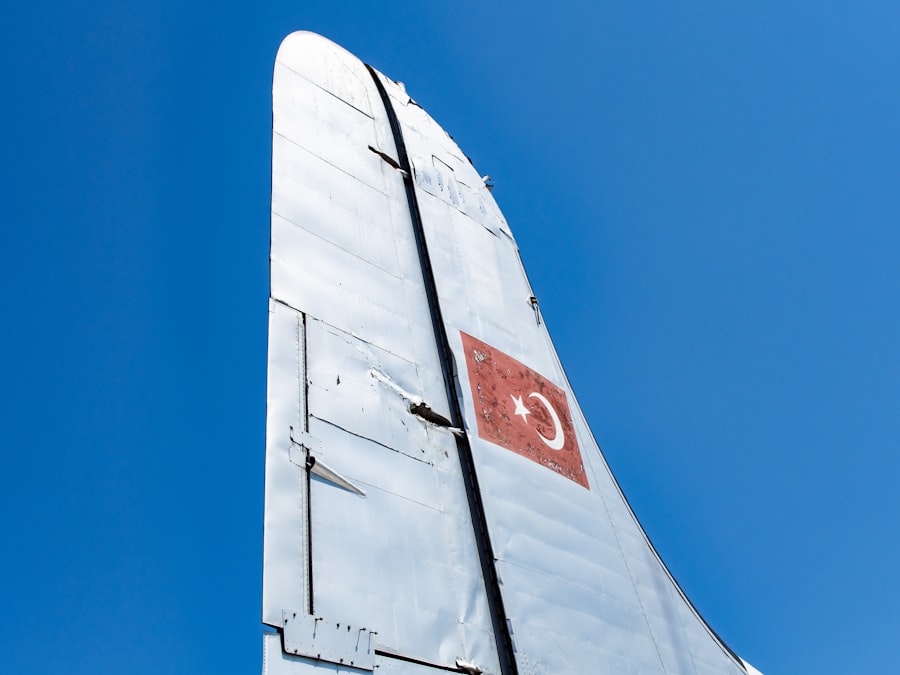
Turkey’s advancements in satellite technology reflect its commitment to enhancing its capabilities in space exploration and communication. The Turkish Space Agency, established in 2018, plays a crucial role in coordinating national efforts in satellite development and space research. One of the key milestones in this domain was the launch of the Türksat 5A satellite in January 2021.
This satellite is designed to provide enhanced communication services across Turkey and surrounding regions, significantly improving internet connectivity and broadcasting capabilities. Moreover, Turkey has been actively involved in developing its own Earth observation satellites. The Göktürk-1 satellite, launched in 2016, is equipped with high-resolution imaging capabilities that support various applications, including agriculture, forestry, and disaster management.
The successful deployment of these satellites not only demonstrates Turkey’s growing expertise in satellite technology but also highlights its strategic intent to utilize space assets for national security and economic development. As Turkey continues to invest in satellite technology, it aims to establish a robust infrastructure that can support both civilian and military applications.
Growth of Turkish Commercial Aircraft Industry
The commercial aircraft industry in Turkey has witnessed significant growth over recent years, driven by increasing demand for air travel and a burgeoning tourism sector. Turkish Airlines, one of the largest carriers globally, has played a pivotal role in promoting the country as a key player in commercial aviation. The airline’s expansion has necessitated a corresponding growth in domestic aircraft manufacturing capabilities.
In response to this demand, TAI has embarked on projects aimed at developing regional aircraft that can cater to both domestic and international markets. One notable initiative is the development of the TRJet, Turkey’s first indigenous regional jet. This aircraft is designed to serve short-haul routes efficiently while providing modern amenities for passengers.
The TRJet project exemplifies Turkey’s ambition to not only meet domestic needs but also compete with established players in the global aviation market. Additionally, collaborations with international firms have facilitated knowledge transfer and technological advancements, further bolstering Turkey’s position in commercial aviation.
Innovations in Turkish Unmanned Aerial Vehicles (UAVs)
| Metric | Value | Year |
|---|---|---|
| Annual Revenue | 1.2 billion | 2023 |
| Number of Employees | 3,500 | 2023 |
| R&D Investment | 150 million | 2023 |
| Number of Patents Filed | 45 | 2023 |
| Major Products | Unmanned Aerial Vehicles, Helicopters, Satellites | – |
| Export Markets | Europe, Middle East, Asia | – |
The realm of unmanned aerial vehicles (UAVs) has become one of the most dynamic sectors within Turkish aerospace technology. Turkey has rapidly developed a reputation for producing advanced UAVs that are capable of performing a wide range of missions, from reconnaissance to combat operations. The Bayraktar TB2 drone stands out as a flagship product that has garnered international acclaim for its effectiveness on the battlefield.
Its ability to conduct surveillance and precision strikes has made it a valuable asset for various military forces around the world. In addition to the TB2, Turkey is also developing more advanced UAV systems such as the Akinci drone. This high-altitude long-endurance UAV is designed for intelligence gathering and strike missions, equipped with advanced sensors and weaponry.
The Akinci represents a significant leap forward in UAV technology for Turkey, showcasing its commitment to innovation and self-reliance in defense capabilities. The success of these UAVs has not only enhanced Turkey’s military effectiveness but has also opened up export opportunities, with several countries expressing interest in acquiring Turkish drone technology.
Collaboration with International Aerospace Companies

Collaboration with international aerospace companies has been instrumental in advancing Turkey’s aerospace technology landscape. By partnering with established firms from around the world, Turkey has been able to leverage expertise, share resources, and accelerate its technological development. Notable collaborations include partnerships with companies like Boeing and Lockheed Martin for military aircraft projects and Airbus for commercial aviation initiatives.
These collaborations often involve joint ventures or co-production agreements that facilitate technology transfer and skill development within Turkey. For instance, TAI has engaged in partnerships with international firms to produce components for major aircraft programs such as the F-35 Lightning II fighter jet. Such collaborations not only enhance Turkey’s manufacturing capabilities but also integrate it into global supply chains, allowing for greater participation in international aerospace markets.
Turkish Space Exploration Initiatives
Turkey’s aspirations in space exploration have gained momentum with the establishment of the Turkish Space Agency (TUA). The agency aims to develop national capabilities for space exploration while fostering international cooperation in scientific research. One of its flagship initiatives is the ambitious goal of sending a Turkish astronaut into space by 2023, coinciding with the centenary of the Republic of Turkey.
This initiative reflects Turkey’s commitment to becoming an active participant in global space exploration efforts. In addition to human spaceflight ambitions, Turkey is focusing on developing its own lunar exploration program. The country plans to send an unmanned spacecraft to the Moon as part of its broader strategy to enhance its presence in space science and technology.
These initiatives are not only aimed at scientific discovery but also serve to inspire future generations of scientists and engineers within Turkey. By investing in space exploration, Turkey seeks to position itself as a significant player in the global space community.
Future Prospects for Turkish Aerospace Technology
The future prospects for Turkish aerospace technology appear promising as the country continues to invest heavily in research and development across various sectors. With ongoing projects like the TF-X fighter jet and advancements in UAV technology, Turkey is poised to enhance its defense capabilities significantly while also expanding its commercial aviation sector. The government’s commitment to fostering innovation through funding and policy support will likely yield further advancements in aerospace technologies.
Moreover, as global demand for air travel continues to rise post-pandemic, Turkey’s strategic investments in commercial aircraft manufacturing could position it favorably within international markets. The potential for collaboration with emerging technologies such as artificial intelligence and advanced materials will further enhance Turkey’s competitiveness in aerospace manufacturing. As these trends unfold, Turkey’s aerospace industry is set to play an increasingly vital role not only within its borders but also on the global stage, contributing to advancements that could redefine aviation and space exploration for years to come.