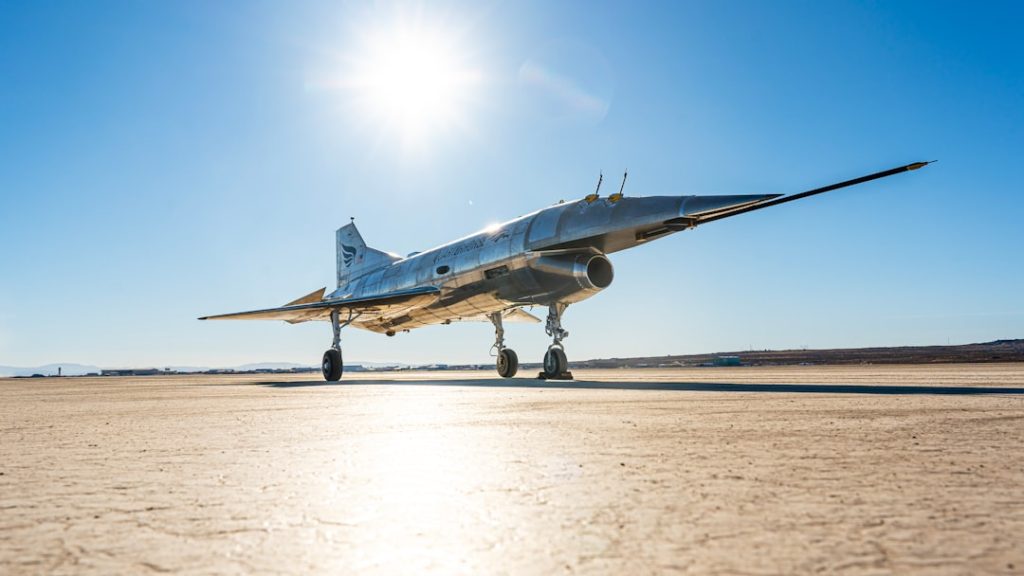
Hermeus Aerospace positions itself as a company aiming to re-establish supersonic passenger flight. Their primary focus is the Mach 5 capable aircraft, the Quarterhorse, intended for defense and later commercial applications, and the Stratos, a proposed Mach 2 capable commercial airliner derived from the Quarterhorse’s technology.
The pursuit of faster travel has been a consistent thread in human history, from the development of the wheel to the advent of the jet engine. Hermeus Aerospace emerges in this lineage, seeking to build upon the legacy of supersonic aviation, which largely ended with the retirement of the Concorde. The company’s foundational premise rests on the belief that the technical hurdles and economic challenges that grounded the Concorde can be overcome through a combination of modern materials, advanced propulsion systems, and a clear strategic market entry.
Early Vision and Founding Principles
Hermeus Aerospace was founded by a team with backgrounds in aerospace engineering and business, driven by a shared conviction that supersonic travel remained a viable and desirable future for aviation. The company’s ethos is rooted in a pragmatic approach to innovation, prioritizing a step-by-step development process that de-risks the advanced technologies involved. This approach aims to avoid the pitfalls of attempting too much too soon, instead building capability and market confidence incrementally.
Market Analysis and Strategic Differentiation
The founders conducted extensive market analysis, identifying specific niches where the speed advantage of supersonic flight would offer significant value. This led to the initial focus on the defense sector, where rapid global deployment of personnel and equipment is a critical asset. The parallel development of a commercial passenger aircraft leverages the technological advancements made for the defense application, aiming to create a synergy that accelerates development and reduces costs. This strategy resembles a miner extracting valuable ore from a deep seam, where the initial effort yields a precious metal that can then be refined for broader use.
The Quarterhorse: A Supersonic Testbed
The Quarterhorse is the cornerstone of Hermeus Aerospace’s current development program. It is envisioned as a single-engine jet capable of sustained Mach 5 flight, making it one of the fastest aircraft ever developed. This aircraft serves as a crucial platform for testing and validating the core technologies that will underpin their future commercial offerings.
Technical Specifications and Design Philosophy
The Quarterhorse’s design is characterized by its extreme speed requirement. Achieving Mach 5 demands a radical departure from conventional aircraft design. This includes a specialized airframe configuration optimized for high-speed aerodynamics, advanced thermal management systems to cope with the intense heat generated by atmospheric friction at such velocities, and a sophisticated propulsion system capable of efficiently operating across a wide range of speeds from takeoff to Mach 5. The design philosophy prioritizes robustness and the ability to withstand the unique stresses of hypersonic flight.
Propulsion System Innovation
A key element of the Quarterhorse’s engineering is its propulsion. Instead of relying on a single, traditional jet engine, Hermeus is developing a hybrid system that combines a turbojet for lower speeds with a ramjet or scramjet component for higher Mach numbers. This approach is akin to equipping a versatile tool with multiple interchangeable heads, each optimized for a specific task. This allows for efficient operation across the entire flight envelope, from initial climb to sustained supersonic cruise.
Materials Science and Thermal Management
The extreme temperatures encountered at Mach 5 necessitate the use of advanced materials. The Quarterhorse is expected to utilize high-temperature alloys, ceramic composites, and advanced thermal barrier coatings. Managing this heat is as crucial as generating thrust. The design incorporates intricate cooling systems that circulate fluids through critical components and manage airflow to dissipate heat effectively. This is a delicate balancing act, much like managing the internal temperature of a sophisticated piece of machinery operating under immense stress.
The Stratos: Reimagining Commercial Air Travel
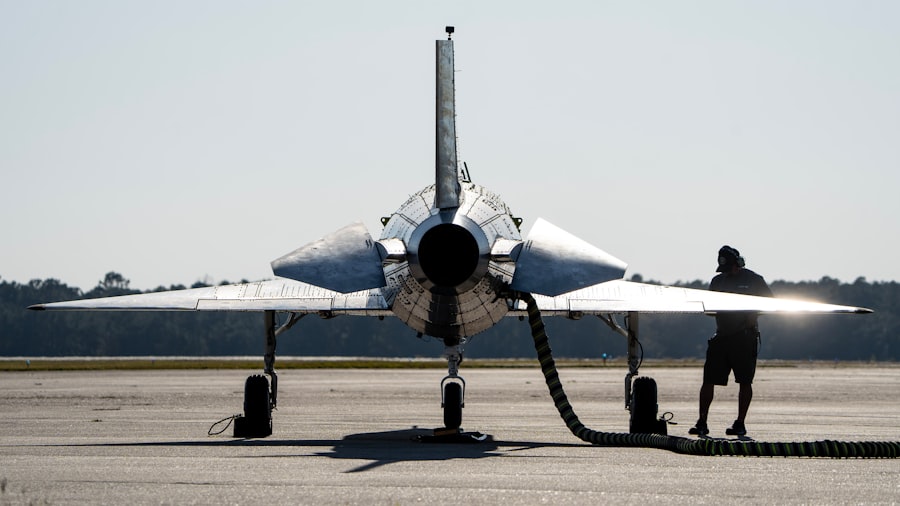
The Stratos is Hermeus Aerospace’s vision for a commercial passenger airliner capable of Mach 2 speeds. This aircraft is intended to be a direct successor to the principles embodied by the Concorde, but with significant technological updates to address its predecessors’ operational limitations.
Passenger Experience and Cabin Design
While speed is the primary differentiator, Hermeus is also considering the passenger experience. The Stratos aims to offer a comfortable and premium cabin environment, though the specific configuration will likely be influenced by market demand and operational constraints. Given the shorter flight times, the emphasis may be on efficient boarding and deplaning, and the provision of services that enhance the brief but rapid journey. The cabin design will need to balance the need for insulation against noise and vibration with the imperative to keep weight down.
Economic Viability and Operational Costs
The economic viability of supersonic passenger travel has historically been a significant hurdle. Hermeus is addressing this by leveraging the technologies developed for the Quarterhorse, aiming for lower development costs and a more fuel-efficient design than the Concorde. The company’s strategy of targeting high-yield routes and business travel is intended to command a premium fare that justifies the faster flight times. The goal is to make supersonic travel a profitable venture, not just a technological marvel.
Route Network and Market Strategy
Hermeus plans to initially focus on high-demand intercontinental business routes where the time savings offered by Mach 2 flight would be most impactful. This might include routes between major financial centers or popular tourist destinations. The strategy is to establish a strong presence on these lucrative routes before potentially expanding to other markets. This is akin to planting flags on key strategic territories before broader expansion.
Technological Hurdles and Solutions
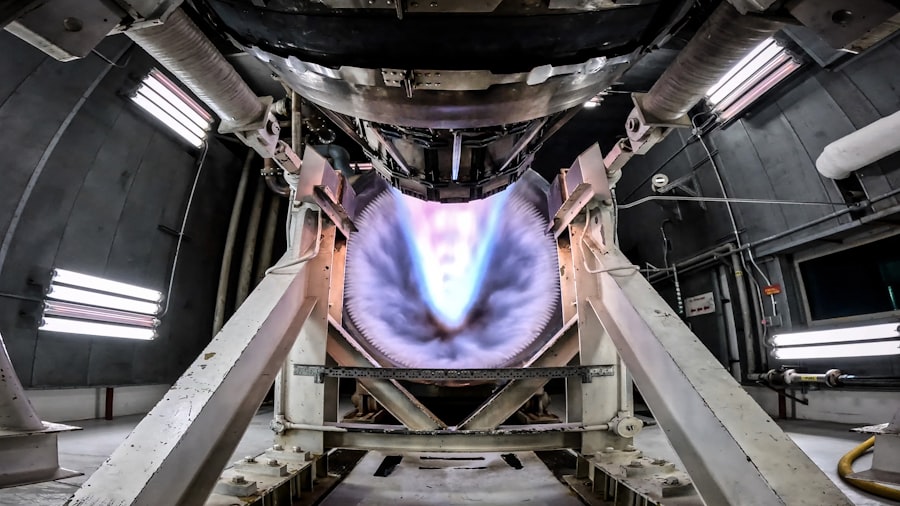
The path to routine supersonic flight is paved with complex engineering challenges. Hermeus Aerospace is tackling these by applying a methodical, iterative approach to development.
Sonic Boom Mitigation
One of the most significant challenges to the return of supersonic passenger flight is the sonic boom. The Concorde was restricted in its overland flight paths due to the disruptive nature of its sonic boom. Hermeus is investing in research and development to design aircraft that produce a significantly reduced sonic boom, potentially a soft “thump” rather than a loud crack, by carefully shaping the aircraft’s airframe. This is a process of sculpting the shockwave, aiming to reduce its intensity before it reaches the ground.
Advancements in Aerodynamics and Control Surfaces
Achieving stable and efficient flight at supersonic speeds requires highly specialized aerodynamic design. This includes optimizing wing shapes, fuselage contours, and control surface configurations. Understanding and controlling the airflow at these velocities is paramount. The aircraft’s control systems must be exceptionally responsive and precise.
Sustainable Aviation and Fuel Efficiency
While the immediate focus is on speed, sustainability is an increasing concern for the aviation industry. Hermeus acknowledges this and is exploring options for more fuel-efficient engine designs and potentially alternative fuels in the future. The goal is to make supersonic travel a more environmentally responsible option than it was in the past. This is about evolving the technology to meet the demands of a changing world.
Regulatory Landscape and Future Outlook
| Metric | Value | Details |
|---|---|---|
| Company Name | Hermeus Aerospace | American aerospace startup focused on hypersonic aircraft |
| Founded | 2018 | Founded by graduates of Georgia Tech |
| Headquarters | Atlanta, Georgia, USA | Main office location |
| Primary Product | Hypersonic Aircraft | Developing aircraft capable of speeds above Mach 5 |
| Flagship Project | Quarterhorse | Hypersonic aircraft prototype aiming for Mach 5+ speeds |
| Funding Raised | Over 100 million | Includes private investment and government contracts |
| Key Technology | Hypersonic Turbine Engine | Engine designed to operate efficiently at hypersonic speeds |
| Target Market | Military and Commercial | Focus on rapid global travel and defense applications |
| Projected Flight Speed | Mach 5 to Mach 6 | Five to six times the speed of sound |
| Notable Partnerships | US Air Force, NASA | Collaborations for technology development and testing |
The reintroduction of supersonic passenger flight requires navigating a complex web of international and national regulations, as well as gaining public acceptance.
Certification and Air Traffic Control Integration
Obtaining certification for a new supersonic aircraft is a rigorous and lengthy process. Hermeus must demonstrate that its aircraft meet stringent safety standards. Furthermore, integrating supersonic aircraft into existing air traffic control systems will require adaptation and new protocols. This is a long journey through a bureaucratic maze, demanding meticulous attention to detail.
Public Perception and Market Acceptance
The historical performance and eventual retirement of the Concorde have shaped public perception of supersonic flight. Hermeus must work to build confidence in the safety, reliability, and environmental impact of its proposed aircraft. Market acceptance will be driven by a combination of demonstrated performance, economic feasibility, and a positive passenger experience.
Long-Term Vision for Supersonic Mobility
Hermeus Aerospace’s ambition extends beyond simply reintroducing supersonic air travel. The company envisions a future where high-speed air mobility is an integral part of global transportation. This could involve a network of supersonic routes that significantly shorten travel times between major cities, impacting business, tourism, and global connectivity. The aim is to weave a faster thread into the fabric of global movement.