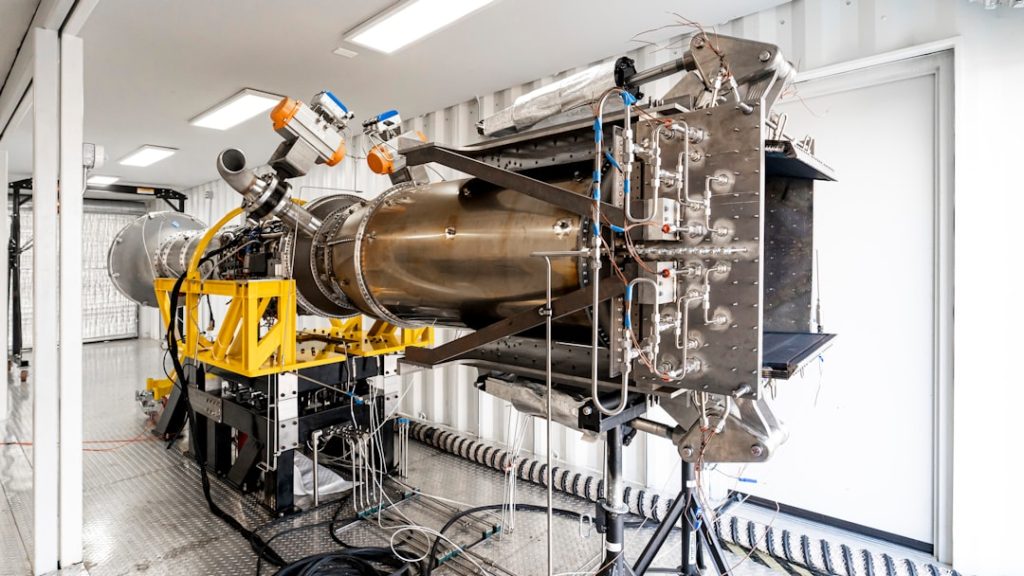
The future of space exploration is a vast and evolving frontier, and companies like ATK Aerospace (now Northrop Grumman Innovation Systems) have played a significant role in shaping its trajectory. Understanding the advancements and strategic directions of such entities provides a valuable lens through which to view humanity’s ongoing endeavor to venture beyond Earth. This article explores the contributions and future outlook of ATK Aerospace in the realm of space exploration.
ATK Aerospace, prior to its acquisition by Northrop Grumman and subsequent integration into Northrop Grumman Innovation Systems, was a prominent American aerospace manufacturer. Its history is woven into the fabric of numerous space programs, demonstrating a consistent commitment to developing and producing components essential for spaceflight. The company’s expertise spanned a wide array of products, including solid rocket motors, structures, and propulsion systems, all of which are fundamental building blocks for launching payloads and conducting missions in space.
The Legacy of Solid Rocket Propulsion

One of ATK Aerospace’s most recognizable contributions lies in its pioneering work with solid rocket motors. These powerful devices have been instrumental in launching a multitude of space missions, from commercial satellites to crewed spacecraft.
The Space Shuttle Program and the SRBs
The most significant application of ATK Aerospace’s solid rocket technology was its role in the Space Shuttle program. The two large solid rocket boosters (SRBs) that provided the primary thrust for the Shuttle’s ascent were manufactured by ATK. These boosters were a testament to ATK’s engineering prowess, delivering immense power and reliability throughout hundreds of launches. Imagine them as the initial, mighty push needed to escape Earth’s gravitational embrace, a crucial first step for any orbital endeavor.
Design and Performance Specifications
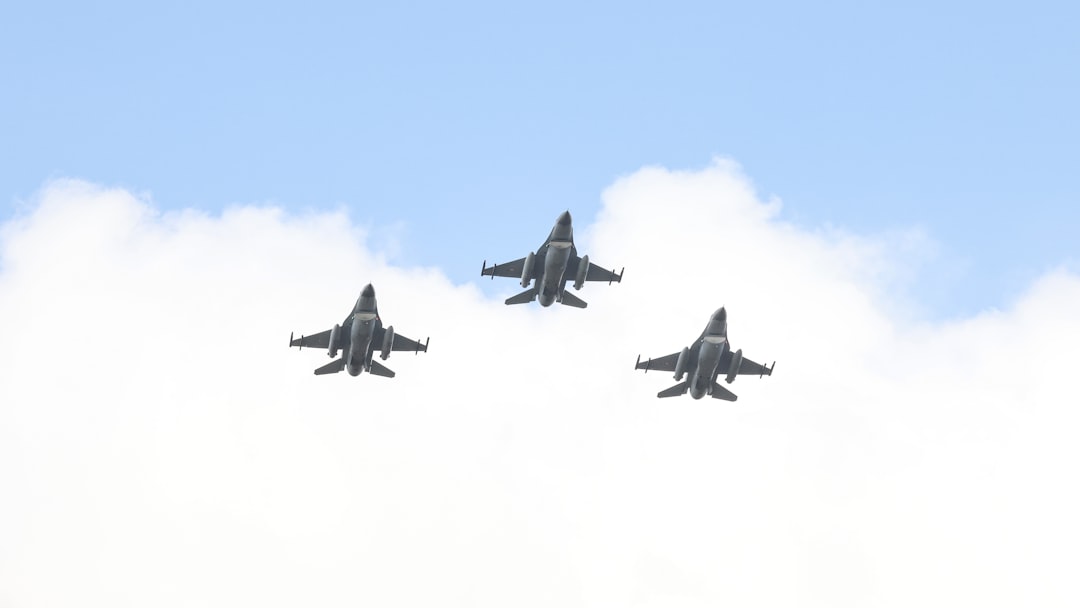
The SRBs were segmented, solid-propellant rocket motors that burned for approximately two minutes, generating millions of pounds of thrust. Their design was a marvel of robust engineering, intended to withstand the harsh conditions of launch and provide controlled thrust. The propellant composition was carefully formulated to achieve the desired burn rate and thrust profile.
Safety and Redundancy Considerations
Safety was paramount in the design of the SRBs. Redundancy was built into critical systems, and extensive testing and qualification processes ensured their reliability. The recovery and refurbishment of the SRBs after each mission also presented unique logistical and engineering challenges, which ATK effectively managed.
Current Applications and Future Development
While the Space Shuttle has been retired, ATK’s expertise in solid rocket propulsion continues to be relevant. The company has applied this knowledge to other launch vehicles and has been involved in developing advanced solid rocket motor technologies for future missions. This includes exploring new propellant formulations and motor designs to achieve higher performance and lower costs.
Contributions to Launch Vehicle Development
Beyond the SRBs, ATK Aerospace was involved in the development and manufacturing of various components for other launch vehicles. This broad engagement allowed the company to build a comprehensive understanding of the challenges and opportunities within the launch sector.
Minuteman and ICBM Modernization Programs
ATK Aerospace had a significant role in the modernization of intercontinental ballistic missile (ICBM) systems, which share many technological similarities with space launch vehicles. This work provided valuable experience in the development of advanced propulsion and guidance systems.
Propulsion Systems for Ballistic Missiles
The company’s expertise in solid rocket motors was directly transferable to the development of propulsion systems for ballistic missiles. This involved ensuring precise thrust control, long-term storage stability, and rapid ignition capabilities.
Guidance and Control Components
In addition to propulsion, ATK also contributed to the guidance and control systems of these vehicles. This area demanded high precision and reliability, as even minor deviations could have significant consequences.
Commercial Launch Vehicle Integration
ATK was also a key player in the commercial launch market, providing components for various rockets used to deploy satellites. Their involvement helped to lower the cost of access to space by providing reliable and cost-effective solutions.
Antares Rocket Development
A notable example is the Antares rocket, a medium-class launch vehicle developed by ATK. The Antares rocket was designed to deliver payloads to the International Space Station and other low Earth orbit destinations. ATK was responsible for significant portions of its design and manufacturing, including the first stage engines. The Antares rocket represented a modern approach to space launch, incorporating lessons learned from previous programs.
Subcontracting and Component Supply
Furthermore, ATK served as a crucial subcontractor and supplier of various components to other rocket manufacturers. This widespread involvement demonstrates the company’s foundational importance in the broader aerospace ecosystem.
Advancements in Space Systems and Technologies
ATK Aerospace’s impact extended beyond just launch vehicles. The company was also a significant contributor to the development of various space systems and technologies essential for exploration and operations in orbit.
In-Space Propulsion Systems
Efficient and reliable in-space propulsion is critical for maneuvering spacecraft, changing orbits, and conducting deep space missions. ATK Aerospace invested in and developed a range of these technologies.
Electric Propulsion Systems Research
The company explored and developed electric propulsion systems, which offer higher efficiency compared to traditional chemical rockets for long-duration missions. These systems use electrical energy to accelerate a propellant, achieving greater thrust per unit of propellant consumed. Imagine them as the persistent, efficient navigators of long journeys through the void, gradually but surely altering course.
Ion Thrusters and Hall Effect Thrusters
ATK’s research included work on ion thrusters and Hall effect thrusters, two prominent types of electric propulsion. These technologies are becoming increasingly important for satellite station-keeping, orbit raising, and deep space missions where propellant mass is a critical constraint.
Applications for Satellite Constellations
The growing number of satellite constellations, particularly in low Earth orbit, necessitates advanced in-space propulsion for precise orbit control and collision avoidance. ATK’s work in this area contributed to the feasibility and sustainability of such large-scale endeavors.
Chemical Propulsion for Spacecraft Maneuvering
While electric propulsion is crucial for certain missions, chemical propulsion remains vital for rapid maneuvers and high-thrust applications. ATK provided thrusters and propulsion systems for a variety of spacecraft.
Reaction Control Systems (RCS)
The company developed reaction control systems (RCS) for spacecraft, which are used for attitude control and small orbital adjustments. These systems are essential for precise pointing and maneuvering.
Orbital Maneuvering Systems
ATK also provided systems for larger orbital maneuvers, enabling spacecraft to change their orbits or rendezvous with other vehicles. This requires more powerful thrusters and carefully designed fuel systems.
Space Structures and Materials
The materials and structures used in spacecraft are paramount for their survivability and performance in the harsh environment of space. ATK Aerospace was involved in producing and developing lightweight and robust components.
Advanced Composite Materials
ATK was a pioneer in the use of advanced composite materials, such as carbon fiber composites, for aerospace applications. These materials offer significant advantages in terms of strength-to-weight ratio, which is crucial for reducing launch costs and improving payload capacity. Think of them as the lightweight yet incredibly strong skeleton of a spacecraft.
Applications in Rocket Stages and Fairings
These composite materials were utilized in various parts of launch vehicles, including rocket stages, fairings (which protect the payload during ascent), and other structural components. This led to more efficient and capable launch systems.
Development of Lightweight and Durable Structures
The ongoing development of lightweight and durable structures has been a continuous effort, with ATK contributing to advancements that enable larger and more complex spacecraft to be built.
Aerostructures and Thermal Protection Systems
The company also had expertise in aerostructures and thermal protection systems, particularly relevant for re-entry vehicles and hypersonic applications.
Heat Shields for Re-entry Vehicles
While perhaps less directly associated with pure exploration missions, ATK’s work on thermal protection systems, vital for safely returning spacecraft from orbit, showcases a comprehensive understanding of the end-to-end spaceflight lifecycle.
Future Directions in Space Exploration
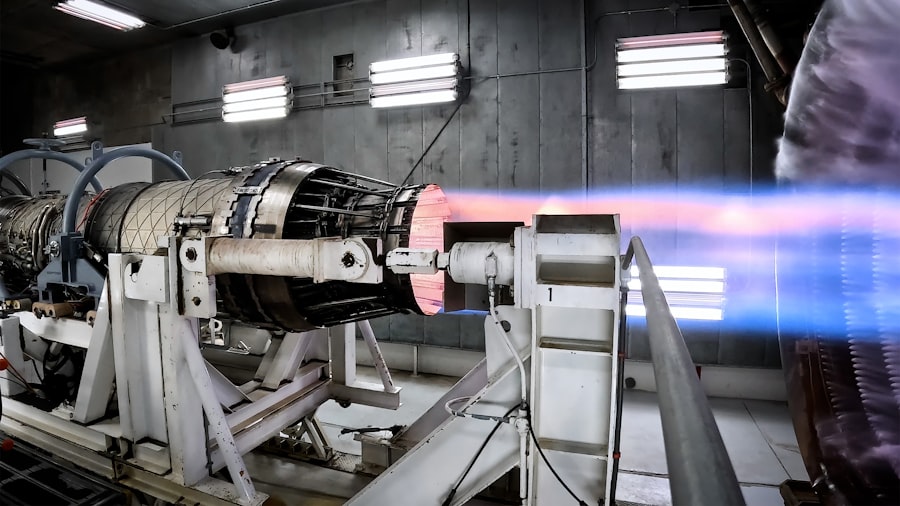
ATK Aerospace, through its continued evolution within Northrop Grumman Innovation Systems, is poised to play a significant role in the future of space exploration. The company’s strategic focus aligns with emerging trends and ambitious goals in the space domain.
Supporting the Return to the Moon and Beyond
The renewed interest in lunar missions and potential endeavors to Mars presents significant opportunities for companies with ATK’s legacy of experience.
Lunar Lander and Gateway Components
Northrop Grumman Innovation Systems, incorporating ATK’s capabilities, is actively involved in developing components for lunar landers and the Lunar Gateway, a planned space station orbiting the Moon. These contributions are essential for establishing a sustained human presence beyond Earth. Imagine these as the crucial building blocks for a new celestial outpost.
Habitation Modules and Propulsion for Gateway
The company is manufacturing habitation modules and propulsion systems for the Gateway, providing essential infrastructure for astronauts and future missions.
Propulsion and Structural Elements for Landers
Furthermore, their expertise in propulsion and structures is being applied to the development of lunar landers, enabling the safe delivery of crew and cargo to the lunar surface.
Deep Space Robotic Missions
The exploration of the solar system through robotic missions relies on advanced propulsion, navigation, and power systems. ATK’s heritage provides a strong foundation for contributing to these endeavors.
Propulsion for Interplanetary Trajectories
The development of efficient in-space propulsion systems is critical for enabling faster and more cost-effective travel to distant planets.
Power Systems and Scientific Payload Support
Beyond propulsion, the company’s involvement in delivering robust structural and power solutions supports the complex scientific instruments that will be deployed on these missions.
Enabling Commercial Space Activities
The burgeoning commercial space sector, encompassing satellite services and space tourism, also benefits from ATK’s foundational work and ongoing innovation.
Satellite Launch Services and Components
The demand for reliable and cost-effective satellite launch services continues to grow. ATK’s legacy in rocket propulsion provides a basis for ongoing contributions to this market.
Continued Development of Affordable Launch Options
The focus remains on developing and refining launch systems that can reduce the cost of putting satellites into orbit, making space more accessible.
Specialized Components for Small Satellite Constellations
The rise of large satellite constellations requires specialized components and launch capabilities, areas where ATK’s expertise is highly relevant.
In-Space Servicing and Manufacturing
Emerging concepts like in-space servicing of satellites and on-orbit manufacturing require advanced propulsion and robotic capabilities, areas where ATK has demonstrable experience.
Orbital Refueling and Repair Technologies
The ability to refuel or repair satellites in orbit can significantly extend their lifespan, a concept that leverages advanced propulsion and manipulation technologies.
Manufacturing in Space
The prospect of manufacturing components or entire structures in space also relies on robust in-space propulsion and sophisticated material handling.
Technological Innovations and Future Prospects
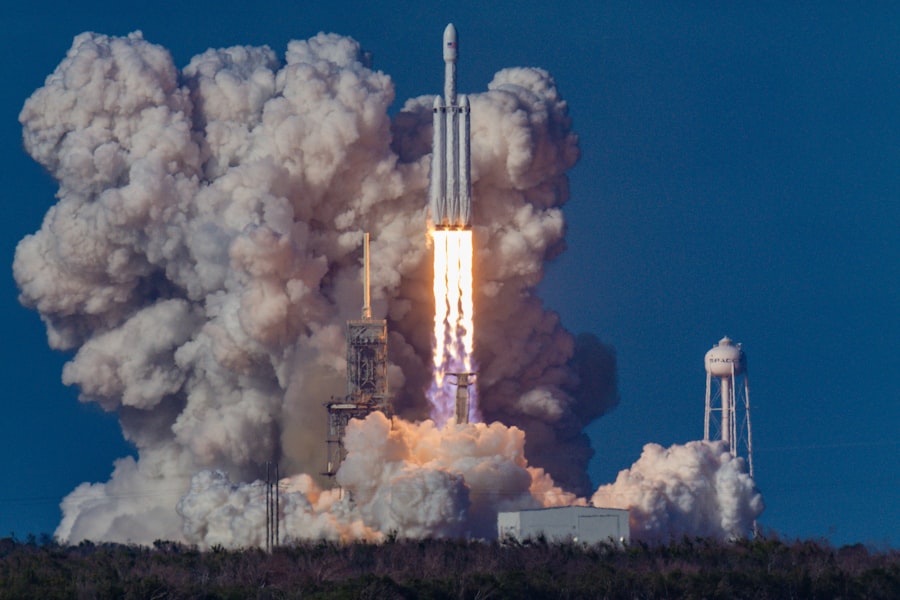
The ongoing innovation within Northrop Grumman Innovation Systems, building upon ATK Aerospace’s foundation, is a crucial indicator of future space exploration capabilities. The company’s commitment to research and development ensures its continued relevance in this rapidly evolving field.
Next-Generation Propulsion Technologies
The pursuit of more efficient and powerful propulsion systems remains a central theme in space exploration.
Advanced Chemical Propellants
Research into advanced chemical propellants aims to achieve higher specific impulse and reduce the environmental impact of rocket operations.
Performance Enhancements and Sustainability
This includes exploring new fuel combinations and oxidizers that offer superior performance while also considering sustainability factors.
Example: High-Energy Propellants
The investigation into high-energy propellants capable of generating greater thrust from less mass is a key area of development.
Future of Electric and Hybrid Propulsion
The exploration of electric and hybrid propulsion systems continues, with a focus on increasing thrust levels and improving efficiency for a wider range of missions.
Scaling Up Electric Propulsion Capabilities
The challenge lies in scaling up electric propulsion systems to handle heavier payloads and provide faster transit times for certain missions.
Targeted Applications for Hybrid Systems
Hybrid propulsion systems, which combine elements of solid and liquid propulsion, offer potential advantages in terms of safety and throttleability for specific applications.
Materials Science and Manufacturing Advances
Innovations in materials science and manufacturing processes are critical for building lighter, stronger, and more resilient spacecraft.
Additive Manufacturing (3D Printing) in Space
The application of additive manufacturing techniques for producing components in space or for space applications is a significant area of development. Imagine printing a spare part mid-mission as easily as printing a document.
On-Orbit Manufacturing and Repair
This technology opens up possibilities for on-orbit manufacturing of components and for in-space repair of spacecraft, reducing reliance on Earth-based supply chains.
Reducing Lead Times and Costs
Additive manufacturing can significantly reduce lead times and costs for producing complex parts, particularly in the remote environment of space.
Nanomaterials and Advanced Composites
The utilization of nanomaterials and further advancements in composite materials promise to revolutionize spacecraft design.
Enhanced Strength and Thermal Properties
These materials offer enhanced strength, thermal resistance, and other properties that are crucial for surviving the extremes of space.
Lightweighting and Mission Performance
The lightweighting achievable with these advanced materials directly translates to improved mission performance, allowing for larger scientific payloads or faster transit times.
Strategic Partnerships and the Evolving Landscape
| Metric | Value | Description |
|---|---|---|
| Founded | 1995 | Year ATK Aerospace was established |
| Headquarters | Arlington, Virginia, USA | Main office location |
| Industry | Aerospace & Defense | Sector of operation |
| Employees | Approximately 18,000 | Number of employees |
| Annual Revenue | 12 billion | Estimated yearly revenue |
| Key Products | Propulsion systems, aerospace structures, munitions | Main product lines |
| Parent Company | Northrop Grumman | Current parent company after merger |
The success of future space exploration endeavors is increasingly reliant on strategic partnerships and a collaborative approach to tackling complex challenges. ATK Aerospace, and subsequently Northrop Grumman Innovation Systems, has navigated this evolving landscape.
Collaboration with Government Agencies
Close collaboration with government agencies like NASA and the U.S. Department of Defense has been a cornerstone of ATK’s involvement in space exploration.
Supporting NASA’s Exploration Goals
The company’s contributions to NASA programs, from the Space Shuttle to current lunar initiatives, underscore a deep-rooted partnership aimed at furthering national exploration objectives.
Development of Artemis Program Components
The development of components for NASA’s Artemis program, including elements of the Orion spacecraft and lunar landers, exemplifies this ongoing collaboration.
Human Exploration Initiatives
These initiatives are critical for enabling the return of humans to the Moon and for establishing a sustained presence there.
Department of Defense Space Programs
ATK’s legacy also includes significant contributions to the U.S. Department of Defense’s space programs, focusing on national security and strategic space capabilities.
Satellite Development and Launch Support
This has involved the development and launch support for a variety of national security satellites.
Advancements in Space Situational Awareness
Their work has also contributed to advancements in space situational awareness technologies.
Engagement with the Commercial Space Industry
The rapid growth of the commercial space sector necessitates adaptation and innovation within established aerospace companies.
Serving the Launch Requirements of Commercial Providers
ATK’s capabilities in rocket propulsion and launch vehicles have been vital in supporting the launch requirements of various commercial satellite operators.
Providing Reliable and Cost-Effective Launch Solutions
The focus has been on providing reliable and cost-effective launch solutions to meet the increasing demand for satellite deployment.
Enabling Global Connectivity and Services
These launches are critical for enabling global connectivity and a wide range of commercial space-based services.
Pioneering New Markets and Technologies
The company’s ability to adapt and develop new technologies has allowed it to engage with emerging markets within the commercial space industry.
Supporting Satellite Servicing and Debris Mitigation
This includes exploring technologies for satellite servicing and contributing to efforts for space debris mitigation.
Advancing the Sustainability of Space Operations
Such advancements are crucial for ensuring the long-term sustainability of space operations.
In conclusion, ATK Aerospace, now integrated into Northrop Grumman Innovation Systems, has carved a significant path in the history of space exploration. Its foundational contributions to launch vehicle technology, in-space propulsion, and advanced materials continue to lay the groundwork for humanity’s ambitious future ventures. As the company evolves, its strategic focus on supporting lunar and Martian exploration, enabling commercial space activities, and driving technological innovation through advanced propulsion and materials science ensures its continued relevance as a key player in shaping the final frontier.