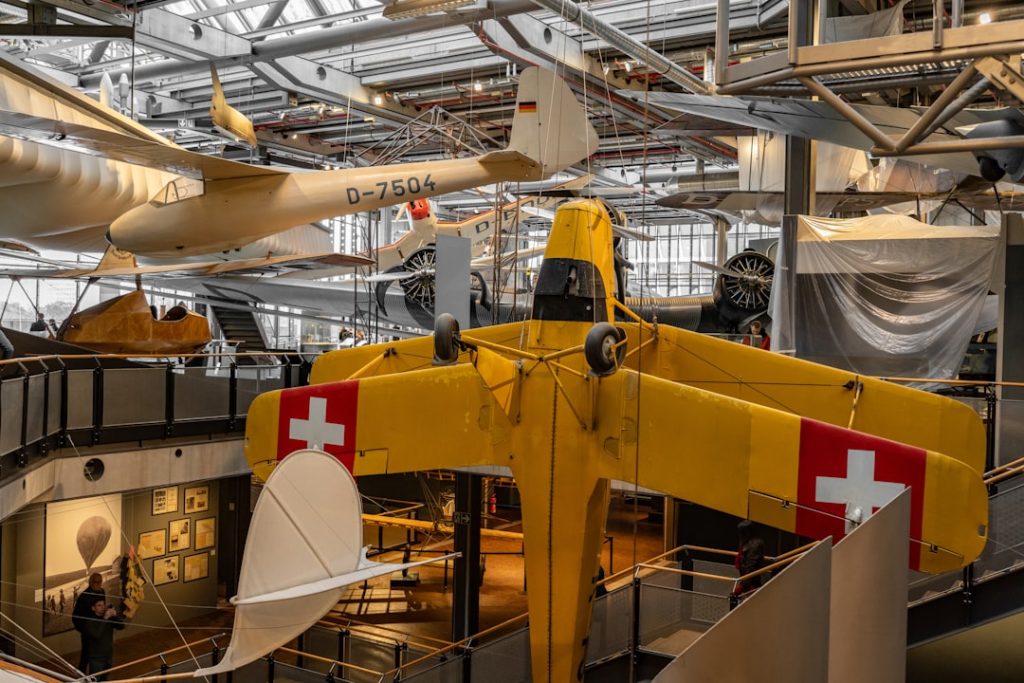
The HAL Aerospace Museum, located in Bengaluru, India, offers a comprehensive overview of the country’s aviation history and achievements. This institution serves as a repository for artifacts and exhibits detailing the evolution of Indian aerospace technology, from its early pioneering days to its modern-day advancements. Visitors can explore a diverse collection of aircraft, engines, and related materials, providing a tangible connection to the nation’s journey in mastering the skies. The museum also incorporates interactive elements, aiming to demystify complex aeronautical principles for a broad audience. To enhance accessibility, opportunities for discounted ticket purchases are often available, making this educational experience more attainable for a wider range of patrons.
The story of aviation in India is a narrative interwoven with ingenuity, perseverance, and a relentless pursuit of technological independence. From the nascent days of experimental flights to the establishment of a robust aerospace manufacturing base, the journey has been marked by significant milestones, each contributing to the nation’s growing capabilities in the air and beyond. The HAL Aerospace Museum chronicles this evolution, presenting a chronological tapestry of innovation and development.
Early Aviation Pioneers and Their Contributions

The foundations of Indian aviation were laid by a generation of visionaries who dared to dream of flight. These early pioneers, often working with limited resources and facing considerable skepticism, conducted groundbreaking experiments that paved the way for more structured development. Their efforts, though sometimes small in scale, were crucial in igniting the spark of aviation consciousness in the country. The museum showcases their stories, often through photographs and recovered equipment, reminding visitors of the human endeavor that underpins technological progress.
The Birth of Hindustan Aeronautics Limited (HAL)
A pivotal moment in India’s aviation history was the establishment of Hindustan Aeronautics Limited (HAL) in 1940. Initially conceived to support the British war effort, HAL quickly transitioned into a cornerstone of independent India’s aerospace ambitions. Its mandate expanded to encompass design, development, and manufacturing of aircraft, engines, and related components. The museum dedicates significant space to HAL’s formative years and its subsequent growth, illustrating the company’s role as a national asset.
HAL’s Initial Mandate and Expansion

In its early years, HAL’s operations were primarily focused on repair and overhaul of aircraft for the Royal Indian Air Force. However, as India moved towards independence, the vision for HAL broadened considerably. The post-independence era saw HAL embark on indigenous aircraft design and manufacturing programs, a bold step that required significant investment in research, development, and skilled manpower. This transition from reliance on foreign designs to self-sufficiency forms a critical chapter in the museum’s narrative.
Technological Transfer and Indigenous Development
A key strategy employed by HAL in its early development was the acquisition of technology through licenses and collaborations. However, this was always coupled with a strong emphasis on building indigenous capabilities. The museum highlights examples of aircraft manufactured under license, alongside the development of indigenous designs that showcased India’s growing engineering prowess. This dual approach, combining learning from established players with self-driven innovation, was instrumental in fostering a robust aerospace ecosystem.
Post-Independence Milestones and National Pride
Following India’s independence in 1947, the development of its aerospace sector became a strategic priority. The nation recognized the importance of a strong air force and civil aviation infrastructure for national security and economic growth. This period witnessed the launch of several ambitious projects and the achievement of significant technological feats, all of which are represented within the museum’s exhibits. These milestones are not just technological achievements; they are symbols of national pride and self-reliance.
The Indian Air Force’s Role in Aviation Advancement
The Indian Air Force (IAF) has been a crucial partner in the advancement of India’s aviation sector. From operating early aircraft to demanding cutting-edge technology, the IAF has provided the impetus for HAL and other research institutions to innovate. The museum often features displays detailing the operational history of various IAF aircraft, underscoring their role in shaping the country’s defense capabilities and driving technological progress.
Civil Aviation’s Trajectory and Impact
While military aviation often takes center stage, the development of civil aviation in India has also been a significant contributor to the nation’s progress. The museum touches upon the evolution of air travel within India, highlighting the role of airlines and the infrastructure that supports them. This aspect of aviation development is crucial for connecting the vast country and fostering economic activity.
A Glimpse into the Museum’s Collection
The HAL Aerospace Museum is more than just a collection of old machines; it is a living testament to human aspiration and scientific endeavor. The exhibits, meticulously preserved and presented, offer visitors a tangible connection to the past, the present, and the future of aviation. Each artifact tells a story, of innovation, of challenges overcome, and of dreams realized.
Iconic Aircraft on Display
The museum’s most striking exhibits are undoubtedly the aircraft that grace its hangars and open grounds. These are not mere models but actual machines that have flown the Indian skies, each with its own history and significance. From early propeller-driven planes to advanced jet fighters, the collection provides a chronological journey through aviation’s technological evolution.
Vintage Aircraft and Their Legacy
Among the older exhibits are aircraft that represent the early days of powered flight in India. These vintage planes, often with their distinctive designs and construction, serve as a reminder of the immense progress made in a relatively short period. Their presence allows visitors to appreciate the foundational technologies upon which modern aviation is built.
Modern Aeroplanes and Future Concepts
The museum also showcases more contemporary aircraft, including those developed and manufactured by HAL. These exhibits demonstrate the sophisticated engineering and technological capabilities that India has cultivated. Furthermore, some displays may offer glimpses into future aerospace concepts and technologies, hinting at the direction in which the industry is heading.
Engines and Propulsion Systems
The heart of any aircraft is its engine, and the HAL Aerospace Museum dedicates considerable attention to the development of propulsion systems. Visitors can explore a variety of engines, from early piston engines to sophisticated jet and turboprop units. Understanding these complex machines provides insight into the power and efficiency that drive aviation forward.
From Piston Engines to Turbines
The transition from piston engines to jet and turboprop engines marked a significant leap in aviation technology. The museum’s collection illustrates this progression, showing how advancements in materials science, thermodynamics, and engineering design led to more powerful, reliable, and fuel-efficient engines. This journey is a testament to continuous innovation.
The Science Behind Thrust and Lift
Beyond the hardware, the museum also aims to educate visitors about the scientific principles that govern flight. Explanations of thrust, lift, drag, and weight, often presented through diagrams and interactive displays, help demystify the physics behind aeronautics. This educational component makes the museum valuable for students and enthusiasts alike.
Other Aeronautical Artifacts
The scope of the HAL Aerospace Museum extends beyond aircraft and engines. A variety of other aeronautical artifacts are on display, offering a more holistic understanding of the aerospace industry. These include historical documents, specialized tools, and components that played crucial roles in the development and operation of aircraft.
Cockpit Simulators and Interactive Exhibits
To enhance the visitor experience, many aerospace museums incorporate interactive exhibits and simulators. While specific offerings can vary, the HAL Aerospace Museum likely includes elements that allow visitors to virtually experience flying or to engage with aeronautical concepts in a hands-on manner. These elements transform passive observation into active learning.
Scale Models and Technical Diagrams
For a closer look at specific aircraft designs or complex systems, scale models and detailed technical diagrams are often employed. These provide a clear and accessible way to understand the intricate details of aircraft construction and engineering. Such displays are particularly useful for appreciating the design evolution of different aircraft types.
Experiencing the Museum: Tips for Visitors

A visit to the HAL Aerospace Museum can be an enriching and educational experience. To make the most of your time, some preparation and awareness of what to expect can be beneficial. Understanding the museum’s layout, its core themes, and potential visitor services will help in planning a more engaging trip.
Planning Your Visit
The museum is a destination that can easily occupy several hours. Visitors are encouraged to plan their itinerary to allow ample time to explore the various sections without feeling rushed. Checking the museum’s operating hours and any special exhibitions or events beforehand is advisable.
Optimal Visiting Times and Duration
To avoid large crowds, visiting during weekdays or during off-peak hours can be preferable. The museum offers a wealth of information, and a minimum of three to four hours is generally recommended to cover the main exhibits. However, enthusiasts might find themselves spending longer.
Accessibility and Amenities
Information regarding accessibility for visitors with disabilities, as well as available amenities such as restrooms, refreshment areas, and retail outlets, can often be found on the museum’s official website. Ensuring these practical aspects are considered can contribute to a more comfortable visit.
Understanding Discounted Ticket Options
The HAL Aerospace Museum, like many public institutions, aims to make its offerings accessible to a wider audience. This often includes provisions for discounted ticket prices. These discounts can cater to various groups, encouraging greater participation and educational outreach.
Eligibility for Concessions
Concessions are typically available for students, senior citizens, and sometimes for educational groups. Specific eligibility criteria and the required documentation for these discounts should be verified directly with the museum. These measures are designed to lower the financial barrier to entry for specific demographics.
Group Bookings and Special Offers
Organized tours or group visits may also be eligible for special rates or packages. These can be particularly beneficial for schools, colleges, and other educational institutions looking to arrange field trips. Keeping an eye out for seasonal promotions or special event discounts is also a good strategy.
Educational Value and Target Audience
The HAL Aerospace Museum is designed to appeal to a broad audience, from young students to seasoned aviation professionals. Its exhibits are curated to provide both a broad overview of aviation history and deeper insights into specific technological advancements.
Engaging Younger Audiences
Interactive exhibits, scale models, and the sheer spectacle of large aircraft are particularly effective in capturing the imagination of younger visitors. The museum serves as a powerful tool for sparking interest in science, technology, engineering, and mathematics (STEM) fields from an early age.
An Appeal to Aviation Enthusiasts and Experts
For those with a pre-existing passion for aviation, the museum offers a rich and detailed exploration of India’s contributions to the field. The opportunity to see historical aircraft firsthand, alongside technical specifications and historical context, is a compelling draw for enthusiasts and those working within the aerospace industry.
The Significance of Aerospace Museums

Aerospace museums like the HAL Aerospace Museum play a vital role in preserving history, fostering education, and inspiring future generations. They are repositories of technological innovation, serving as tangible links to the past and beacons for future endeavors. The knowledge and inspiration gained from such institutions extend far beyond the museum walls.
Preserving Technological Heritage
These museums act as custodians of our technological heritage. They safeguard the artifacts and stories that document the evolution of human ingenuity in mastering the skies. By preserving these relics, we ensure that the lessons learned and the achievements made are not lost to time.
Documenting Innovation and Engineering Prowess
Each aircraft, engine, and component displayed represents a culmination of scientific research, design, and engineering expertise. The museum meticulously documents these achievements, providing a valuable resource for understanding the progression of technological thought and application within the aerospace domain.
Inspiring Future Innovators
By showcasing the courage, vision, and technical skill of past generations, aerospace museums serve as potent sources of inspiration. They ignite curiosity and encourage young minds to pursue careers in science and engineering, potentially leading to the next generation of aviation pioneers and innovators.
Educational Outreach and Public Understanding
Aerospace museums are invaluable for public education. They translate complex scientific and engineering concepts into accessible and engaging formats, making the wonders of flight understandable and relatable to a wide audience. This broadens public appreciation for science and technology.
Demystifying Complex Technologies
The museum’s exhibits aim to demystify the intricate workings of aircraft and aerospace systems. Through simplified explanations, visual aids, and interactive displays, complex technologies are made comprehensible, fostering a better understanding and appreciation for the science behind flight.
Promoting STEM Education
By presenting aviation as an exciting and dynamic field, these museums actively promote interest in Science, Technology, Engineering, and Mathematics (STEM) disciplines. They highlight the practical applications of these subjects, demonstrating their role in shaping our world and overcoming challenges.
The Cultural and National Importance
Beyond their technological and educational aspects, aerospace museums hold significant cultural and national importance. They reflect a nation’s progress, its aspirations, and its ability to compete on the global stage.
A Symbol of National Achievement
The HAL Aerospace Museum, in particular, stands as a powerful symbol of India’s journey towards self-reliance and technological sovereignty in the aerospace sector. It encapsulates decades of national effort and achievement, resonating with a sense of pride and accomplishment.
Contributing to National Identity
The stories and artifacts housed within the museum contribute to a broader national identity. They represent collective endeavors and shared triumphs, reinforcing a sense of belonging and highlighting the nation’s capacity for significant technological advancements.
The Future of Indian Aerospace and the Museum’s Role
| Ticket Type | Price | Age Group | Notes |
|---|---|---|---|
| Adult | 15 | 18-64 years | Standard admission |
| Senior | 12 | 65+ years | Discounted rate |
| Child | 8 | 6-17 years | Must be accompanied by an adult |
| Child | Free | Under 6 years | Free admission |
| Group | 12 | 10 or more people | Advance booking required |
The Indian aerospace sector is on a trajectory of continued growth and innovation. With ambitious projects in space exploration, advanced aircraft development, and a burgeoning private sector, the future promises exciting advancements. The HAL Aerospace Museum, in its role as a chronicler of this journey, will undoubtedly adapt to reflect these evolving narratives.
Emerging Technologies and Innovations
The aerospace landscape is constantly shifting, with new materials, propulsion systems, and design philosophies emerging. The museum will likely evolve to incorporate exhibits on these cutting-edge developments. Examples could include drones, advanced composite materials, and sustainable aviation technologies.
Next-Generation Aircraft and Spacecraft
As India pushes the boundaries in both aviation and space exploration, the museum will serve as a platform to showcase these advancements. Displays featuring indigenous fighter jets, advanced transport aircraft, and Indian Space Research Organisation (ISRO) missions will continue to draw interest and inform visitors.
The Role of Private Industry
The increasing involvement of the private sector in India’s aerospace industry is a significant development. Future exhibits may highlight collaborations between HAL and private companies, as well as the independent contributions of these new players, showcasing a more diverse and dynamic aerospace ecosystem.
Expanding Educational Programs and Outreach
Museums are increasingly becoming active educational hubs. The HAL Aerospace Museum is likely to continue expanding its educational programs, workshops, and outreach initiatives to engage a wider audience and foster a deeper understanding of aerospace. This could include interactive workshops, lecture series, and online educational resources.
Partnerships with Educational Institutions
Collaborations with schools, colleges, and universities are crucial for leveraging the museum’s resources for educational purposes. These partnerships can facilitate curriculum-aligned visits, research projects, and the development of specialized learning modules.
Digital Archiving and Virtual Experiences
In an increasingly digital world, museums are exploring ways to make their collections accessible virtually. The HAL Aerospace Museum may develop enhanced online exhibits, digital archives, and virtual reality experiences, allowing a global audience to explore its holdings and learn about Indian aerospace history from anywhere.
The Museum as a Catalyst for Engagement
The HAL Aerospace Museum serves as more than just a static exhibition space; it is a dynamic catalyst for public engagement with aerospace. By offering accessible experiences, including discounted tickets, it ensures that the marvels of flight and the ingenuity behind them remain within reach for everyone.
Fostering a Culture of Innovation
By celebrating past achievements and showcasing future possibilities, the museum helps cultivate a national culture of innovation and technological aspiration. It serves as a constant reminder of what can be accomplished through dedication and scientific pursuit.
A Beacon for Future Generations
Ultimately, the HAL Aerospace Museum stands as a beacon for future generations, illuminating the path of progress in aviation. It is a place where dreams take flight, where curiosity is sparked, and where the foundation for future exploration in the aerospace domain is laid.