
Singapore Technologies Engineering Land Systems (ST Engineering Land Systems), a prominent sector within the larger ST Engineering group, stands as a significant contributor to modern military modernization efforts. This entity focuses on the development, manufacturing, and integration of a wide array of armored vehicles, command and control systems, and other ground-based defense solutions. For nations seeking to bolster their land forces, ST Engineering Land Systems offers a suite of products and services designed to improve operational effectiveness, survivability, and overall combat power. Their approach often involves leveraging advanced technologies and adapting to evolving battlefield doctrines, presenting military planners with tangible options to upgrade their capabilities.
Core Product Lines and Technological Foundations
ST Engineering Land Systems’ portfolio is built upon a foundation of robust engineering and a commitment to translating technological advancements into practical military applications. Their core product lines represent a strategic effort to address diverse operational needs across different branches of a land army.
Armored Fighting Vehicles
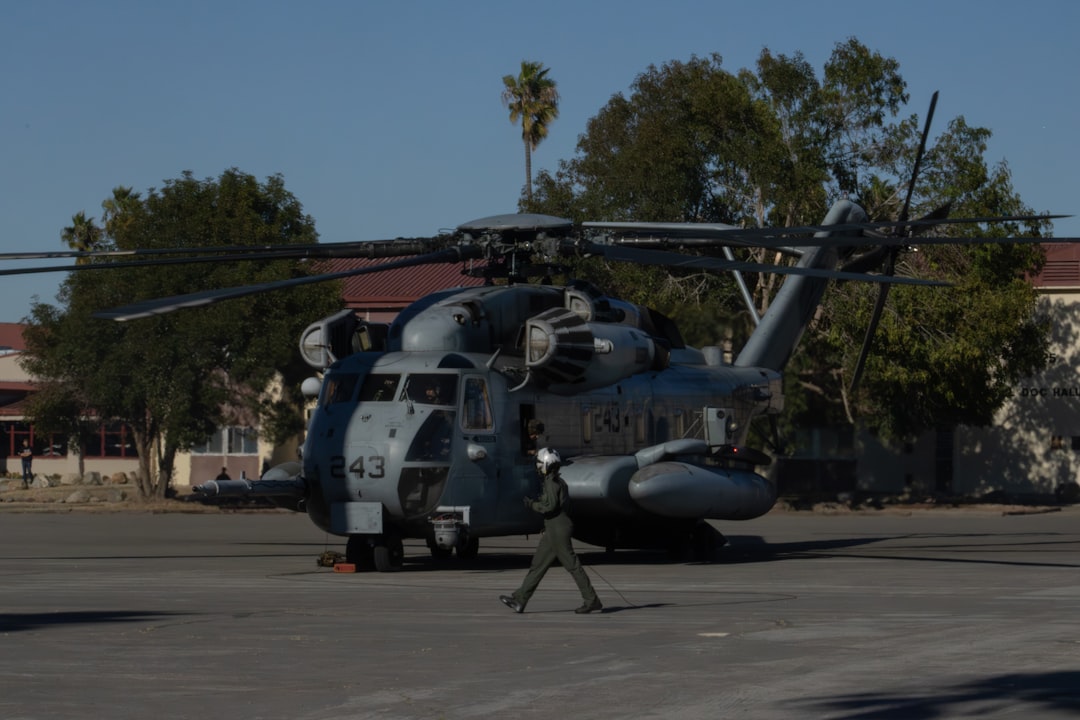
Central to ST Engineering Land Systems’ offering is its range of armored fighting vehicles (AFVs). These platforms are designed to provide protection for their crews and occupants while delivering significant offensive or support capabilities on the battlefield.
Infantry Fighting Vehicles (IFVs)
The Bionix IFV platform exemplifies ST Engineering Land Systems’ approach to modularity and adaptability. Designed to transport infantry into combat zones while providing direct fire support, the Bionix has seen iterations incorporating various weapon systems and sensor packages. Its design prioritizes mobility across varied terrains, a crucial factor in modern maneuver warfare. The vehicle’s hull is engineered to offer ballistic protection against common battlefield threats, a fundamental requirement for troop survivability. Beyond its basic role, the Bionix can be configured for specialized missions, demonstrating a flexible design philosophy. This adaptability allows defense forces to tailor the platform to specific operational requirements without necessarily procuring entirely new vehicle families for each niche. Think of it as a versatile building block rather than a single-purpose tool; you can add different components to achieve different tasks.
Main Battle Tanks (MBTs)
While ST Engineering Land Systems is perhaps more widely recognized for its IFVs and armored personnel carriers, the company has also been involved in collaborations and development that touch upon the MBT segment. Their focus here often lies on enhancing the survivability and operational efficiency of existing platforms or contributing to the development of next-generation designs that integrate advanced fire control systems and enhanced protection technologies. This segment represents the heavy hammer in a land army’s arsenal, and advancements here are critical for overwhelming adversarial armored forces.
Armored Personnel Carriers (APCs)
The Bronco All-Terrain Armored Vehicle is a testament to ST Engineering Land Systems’ focus on mobility and protection in challenging environments. The Bronco is a modular, tracked vehicle designed for the transport of troops and equipment across a wide spectrum of operational conditions, including soft sand, mud, and water. Its amphibious capabilities further enhance its utility in amphibious assault operations or riverine environments. The vehicle’s inherent survivability is derived from its armored structure, capable of withstanding small arms fire and shell splinters. The modular design allows for various configurations, including command posts, ambulance variants, and logistics support vehicles, making it a versatile asset. The Bronco’s ability to traverse difficult terrain akin to a terrestrial ship navigating treacherous waters, opens up operational avenues previously inaccessible to conventional wheeled or less capable tracked vehicles.
Command and Control Systems
Effective land warfare hinges on superior command and control (C2) capabilities. ST Engineering Land Systems develops and integrates systems that enable seamless communication, information sharing, and synchronized operations among diverse military units.
Battlefield Management Systems (BMS)
ST Engineering Land Systems offers comprehensive Battlefield Management Systems that act as the nervous system of a modern army. These systems integrate communications, navigation, and situational awareness tools to provide commanders with a real-time overview of the battlefield. The deployment of a robust BMS is akin to giving every soldier and vehicle a seat at a high-level strategy table, allowing for rapid decision-making and coordinated maneuvers. These systems are crucial for executing complex operations, reducing friendly fire incidents, and maximizing the impact of available assets. The ability to see and understand the operational picture in real-time is no longer a luxury but a necessity for survival and victory.
Tactical Communications Solutions
Reliable and secure communication is the bedrock of any military operation. ST Engineering Land Systems provides a range of tactical communication solutions designed to operate effectively in contested electromagnetic environments. These solutions include ruggedized radios, secure data links, and network management software, ensuring that command and control information can flow unimpeded. In the fog of war, where traditional communication lines can be disrupted, these systems act as the vital arteries carrying lifeblood of operational orders and intelligence.
Innovations in Survivability and Protection
In modern warfare, the emphasis on troop survivability has never been greater. ST Engineering Land Systems invests heavily in research and development to enhance the protection offered by its platforms against a range of threats.
Advanced Armor Solutions
The company incorporates advanced armor materials and design principles into its vehicles. This includes composite armor, reactive armor systems, and spall liners, which work in concert to mitigate the effects of kinetic penetrators, chemical energy warheads, and explosive threats. The layering of protection, much like the scales on an ancient warrior’s armor, provides a multi-faceted defense against increasingly sophisticated weaponry.
Active Protection Systems (APS)
ST Engineering Land Systems is also at the forefront of integrating Active Protection Systems (APS). APS are designed to detect incoming threats, such as anti-tank guided missiles (ATGMs) and rocket-propelled grenades (RPGs), and neutralize them before they impact the vehicle. This technology acts as a shield of precision, intercepting threats at a distance and significantly enhancing crew survivability beyond the passive protection of armor alone. The development and integration of APS demonstrate a proactive approach to threat mitigation.
Networked Warfare and Sensor Fusion
The integration of sensors and networked capabilities is a key aspect of enhancing survivability. By fusing data from various onboard and offboard sensors, ST Engineering Land Systems’ platforms can provide a 360-degree situational awareness, allowing crews to detect and respond to threats more effectively. This networked approach transforms individual vehicles from isolated units into nodes in a seamlessly communicating network, providing collective awareness that amplifies individual defensive capabilities.
Modular Design and Lifecycle Support
A critical aspect of ST Engineering Land Systems’ offering is its emphasis on modularity and comprehensive lifecycle support, enabling defense forces to adapt and maintain their equipment over extended periods.
Modularity for Versatility
The modular design philosophy is a cornerstone of ST Engineering Land Systems’ product development. This allows for rapid reconfiguration of vehicles to suit different mission requirements and facilitates upgrades and maintenance. Instead of a rigid, unchangeable structure, their platforms are conceptualized as adaptable chassis upon which various mission modules can be mounted. This is akin to a smartphone, where you can add different applications to perform new functions without replacing the entire device. This approach reduces acquisition costs and significantly extends the operational lifespan of the equipment.
Sustainment and Aftermarket Services
Beyond the initial sale, ST Engineering Land Systems provides extensive sustainment and aftermarket services. This includes spare parts supply, maintenance and repair, technical training, and upgrade programs. Ensuring that military equipment remains operational and effective throughout its service life is as vital as the initial procurement. Their commitment to lifecycle support helps nations maximize their return on investment and ensures that their forces are equipped with well-maintained and up-to-date capabilities. This long-term partnership approach ensures that the initial investment continues to yield dividends throughout the equipment’s operational life.
Global Reach and Partnership Models
ST Engineering Land Systems engages with defense forces worldwide through various partnership models, demonstrating its commitment to meeting diverse operational needs and fostering indigenous defense industrial capabilities.
Export Markets and Collaborations
The company has a significant export presence, supplying its products to numerous countries around the globe. These engagements often involve close collaboration with the customer’s defense ministries and industrial partners. This collaborative approach ensures that the delivered solutions are tailored to specific user requirements and can foster local manufacturing and MRO capabilities.
Joint Ventures and Technology Transfer
In certain markets, ST Engineering Land Systems participates in joint ventures and technology transfer agreements. These arrangements allow host nations to develop their own defense industrial base, build local expertise, and reduce reliance on foreign suppliers for certain aspects of defense matériel. This is a strategy of planting seeds of industrial capability, allowing for sustained growth and self-sufficiency in defense production over time.
Future Trends and Strategic Outlook
ST Engineering Land Systems is continuously evolving to meet the emerging challenges and opportunities in the global defense landscape, focusing on technological advancements and adapting to future warfare concepts.
Autonomous and Unmanned Systems
The integration of autonomous and unmanned systems is a growing trend in land warfare. ST Engineering Land Systems is actively exploring and developing solutions in this domain, including unmanned ground vehicles (UGVs) for reconnaissance, logistics, and potentially combat support roles. These systems offer the potential to reduce risk to human personnel and expand operational reach into hazardous environments. The deployment of robotic elements can be seen as extending the reach and resilience of human forces, much like scouting parties venturing ahead of a larger expedition.
Electrification and Advanced Propulsion
The exploration of electrification and advanced propulsion systems for military vehicles is another area of focus. While still in nascent stages for heavy armored platforms, these technologies offer potential benefits in terms of reduced thermal and acoustic signatures, improved fuel efficiency, and enhanced power generation for onboard systems. Transitioning to cleaner and more efficient power sources is a long-term objective for military modernization.
Cyber Resilience and Digitalization
As military operations become increasingly digitized and networked, ensuring cyber resilience is paramount. ST Engineering Land Systems is incorporating robust cybersecurity measures into its systems and platforms, safeguarding sensitive data and ensuring the integrity of command and control networks. The digital battlefield is as vulnerable to attack as any physical front, and robust defenses are essential.
In conclusion, ST Engineering Land Systems provides a comprehensive suite of solutions aimed at enhancing the military capabilities of land forces. Through its focus on advanced engineering, modular design, and a commitment to lifecycle support, the company offers defense organizations pathways to modernize their ground assets, improve operational effectiveness, and adapt to the evolving nature of warfare. Their offerings are not merely stand-alone products but rather integrated components of a larger modernization strategy, providing a solid foundation upon which nations can build and sustain effective land power.