
This article delves into the current landscape of innovation within aerospace research and development laboratories. It examines key areas of advancement, the methodologies employed, and the challenges faced by those pushing the boundaries of flight and space exploration. You will find information on the core principles guiding these endeavors, the technologies being developed, and the future implications of this cutting-edge work.
At the heart of any aerospace vehicle lies its propulsion system. The quest for greater speed, efficiency, and reduced environmental impact drives continuous innovation in this fundamental area. Laboratories worldwide are engaged in a multifaceted approach, tackling challenges that have long constrained aerospace capabilities.
Advanced Jet Engine Architectures
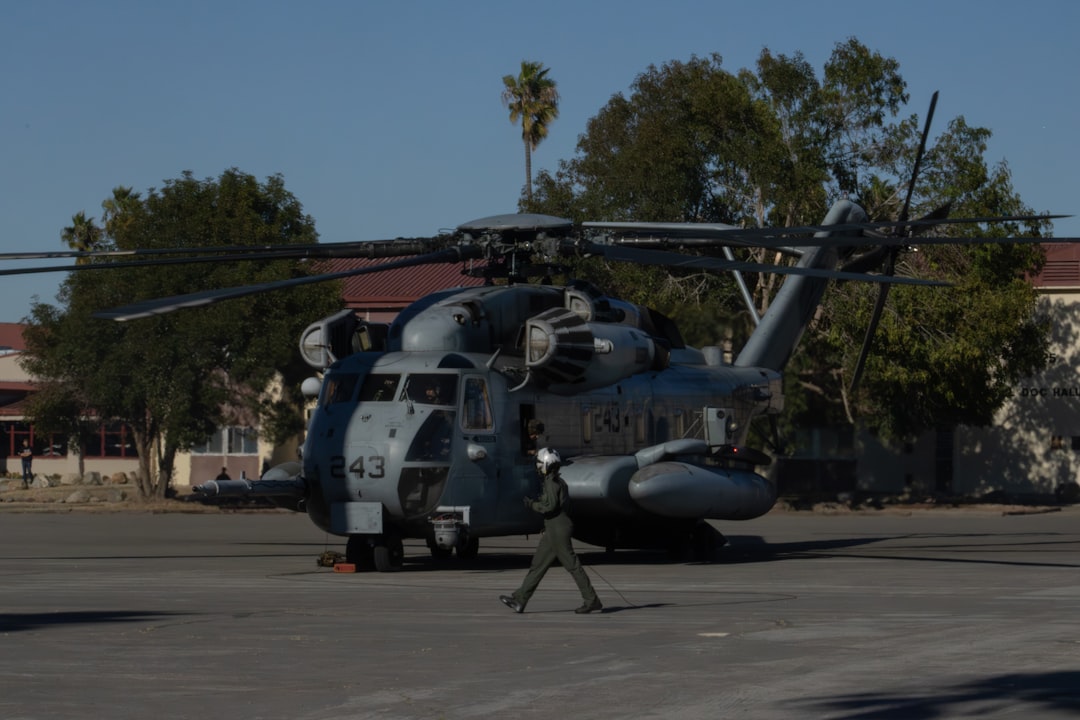
Current research into jet engines focuses on several promising avenues. One significant area is the development of geared turbofan engines. These engines introduce a gearbox between the fan and the low-pressure turbine, allowing each component to operate at its optimal speed independently. This decoupling leads to improved fuel efficiency and reduced noise levels, as the fan can spin slower for a given thrust. Think of it as fine-tuning individual instruments in an orchestra for a more harmonious sound. Manufacturers are also investigating open-rotor or unducted fan designs, where the fan blades are not enclosed within a nacelle. This design promises even higher propulsive efficiencies, approaching those of propellers, but presents challenges in terms of noise and integration.
Electric and Hybrid-Electric Propulsion
The electrification of aviation is a growing imperative, driven by environmental concerns and the potential for new operational paradigms. Laboratories are exploring a range of electric propulsion solutions. Battery technology remains a critical bottleneck, with ongoing research focused on increasing energy density, improving charge/discharge cycles, and enhancing safety. Solid-state batteries, for instance, offer the potential for higher energy storage and improved thermal stability compared to current lithium-ion chemistries. Hydrogen fuel cells are another significant focus. These systems generate electricity through an electrochemical reaction between hydrogen and oxygen, producing only water as a byproduct. Challenges include the storage and distribution of hydrogen, as well as the weight and complexity of the fuel cell stack itself. Hybrid-electric systems, which combine conventional gas turbines with electric motors, are seen as a transitional technology, offering incremental improvements in fuel burn and emissions. These systems can utilize electric power for specific flight phases, such as takeoff and landing, or for supplementary thrust.
Rocket Propulsion Enhancements
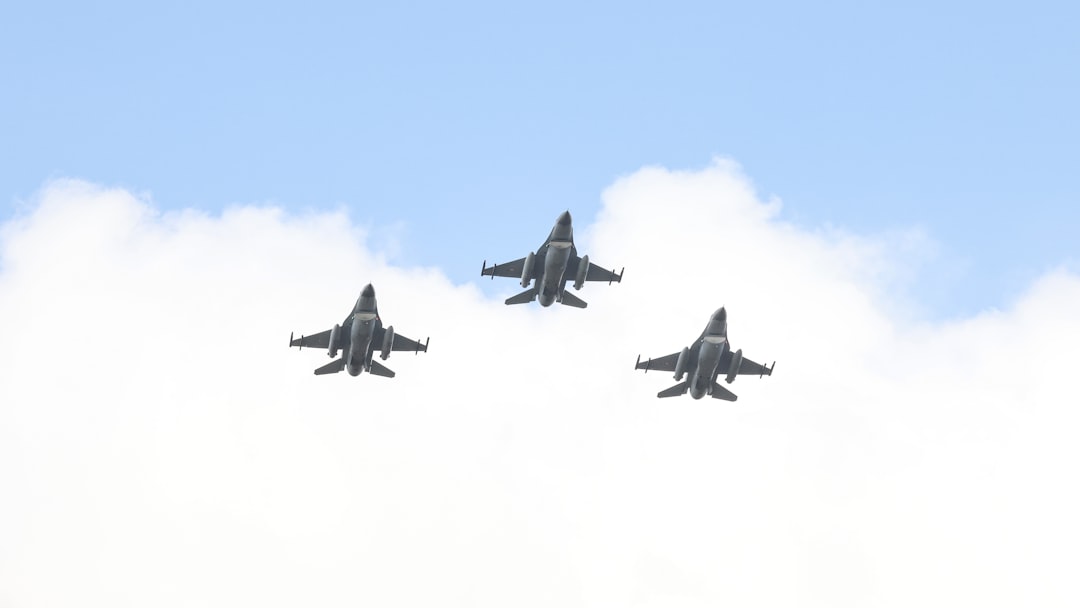
Beyond atmospheric flight, advancements in rocket propulsion are crucial for space exploration. Laboratories are working on improving the efficiency of liquid rocket engines through optimized injector designs and combustion chamber geometries. This aims to extract more energy from the propellant, leading to higher specific impulse – a measure of engine efficiency. Research into advanced propellants, such as methane-based fuels, also continues, offering advantages in terms of cost, storability, and potential for in-situ resource utilization on other celestial bodies. The development of electric propulsion systems for spacecraft, such as ion thrusters and Hall-effect thrusters, is also a key area. These systems utilize electric and magnetic fields to accelerate charged particles, providing very high specific impulse but low thrust, making them suitable for long-duration missions and orbital maneuvering. The efficiency gains can be substantial, allowing for greater payload capacity or shorter mission durations over vast interstellar distances.
Aerodynamics And Materials: Shaping the Future of Flight
The shape and composition of an aircraft are as critical to its performance as its propulsion. Innovation in aerodynamics and materials science is about creating lighter, stronger, and more aerodynamically efficient vehicles.
Advanced Aerodynamic Concepts
Laboratories are pushing the boundaries of aerodynamic design through computational fluid dynamics (CFD) and advanced wind tunnel testing. Laminar flow control, which aims to maintain smooth, undisturbed airflow over wing surfaces, is a key area of research. By reducing drag, laminar flow can significantly improve fuel efficiency. This can be achieved through active suction of air through small holes or by carefully shaping the wing profile. Morphing wings are another exciting development. Instead of fixed wing shapes, these wings can change their geometry in response to flight conditions, optimizing performance across a wider range of speeds and altitudes. Imagine a bird subtly adjusting its wing shape mid-flight to adapt to changing wind currents. This research also explores the use of flexible materials and sophisticated control systems.
Lightweight Composites And Smart Materials
The shift from traditional aluminum alloys to composite materials has been a major revolution in aerospace. Research continues to focus on developing new composite structures that are even lighter, stronger, and more damage-tolerant. This includes the use of advanced carbon fibers, nano-materials like graphene, and novel resin systems. The aim is to create materials that can withstand extreme temperatures and stresses while minimizing weight. Smart materials, which can sense and respond to their environment, are also gaining traction. Examples include shape memory alloys that can return to a predetermined shape when subjected to heat, or piezoelectric materials that can generate electricity when deformed. These materials could be integrated into aircraft structures for self-healing capabilities, structural health monitoring, or even to actively control aerodynamic surfaces.
Additive Manufacturing (3D Printing) In Aerospace
Additive manufacturing, or 3D printing, is transforming how aerospace components are designed and produced. Laboratories are exploring the use of advanced metal alloys and printing techniques to create complex geometries that were previously impossible with traditional manufacturing methods. This allows for greater design freedom, enabling engineers to create lighter, more integrated parts that reduce assembly time and material waste. For example, complex internal cooling channels can be printed directly into engine turbine blades, improving their lifespan and performance. The ability to print with exotic materials and to create customized parts on demand also holds significant implications for a more agile and resilient supply chain.
Avionics and Control Systems: The Brains of the Operation
The sophisticated electronics and software that govern an aircraft’s flight are the domain of avionics and control systems. Innovation here is about creating safer, more autonomous, and more efficient operations.
Enhanced Flight Control Systems
Modern aircraft rely on fly-by-wire systems, where pilot inputs are translated into electronic signals that control flight surfaces. Research is focused on making these systems more robust, adaptable, and intelligent. This includes developing advanced algorithms for handling turbulence, optimizing flight paths for fuel efficiency, and improving aircraft maneuverability. The integration of artificial intelligence (AI) and machine learning (ML) into flight control systems is a significant area of current development. These systems can learn from flight data and adapt their control strategies in real time, potentially anticipating and mitigating hazards.
Next-Generation Navigation and Surveillance
Accurate navigation and reliable surveillance are paramount for air traffic safety. Laboratories are developing new satellite-based navigation augmentation systems that offer increased precision and integrity. Research into communication, navigation, and surveillance (CNS) technologies aims to create a more integrated and efficient air traffic management system. This includes the development of ADS-B (Automatic Dependent Surveillance-Broadcast) enhancements and the exploration of next-generation radar technologies. The goal is to provide air traffic controllers with a clearer, more comprehensive picture of the airspace, allowing for denser traffic flow while maintaining safety margins.
Autonomous Flight And Unmanned Aerial Vehicles (UAVs)
The development of autonomous flight capabilities and UAVs is a major driver of innovation. Laboratories are researching advanced AI algorithms for perception, decision-making, and navigation in complex and unpredictable environments. This includes work on object recognition, path planning, and the ability for multiple UAVs to coordinate their actions. The challenges lie in ensuring the safety, reliability, and ethical deployment of autonomous systems, particularly in shared airspace. The potential applications for UAVs are vast, ranging from cargo delivery and infrastructure inspection to advanced aerial surveillance and emergency response.
Space Exploration Technology: Reaching for the Stars
The dream of venturing beyond Earth fuels a constant stream of innovation in space exploration technology. Laboratories are focused on making space access more affordable, travel more efficient, and human presence in space more sustainable.
Advanced Spacecraft Design
Designing spacecraft for the harsh environment of space requires innovative approaches. Research into lighter, more radiation-hardened materials is crucial for extending the lifespan of satellites and probes. The development of modular spacecraft architectures, which can be assembled and upgraded in orbit, offers increased flexibility and reduced launch costs. Laboratories are also exploring inflatable structures for habitats and scientific payloads, which can be launched in a compact form and then deployed in space, drastically reducing launch mass.
In-Situ Resource Utilization (ISRU)
A key to long-term space exploration is the ability to utilize resources found in space, rather than relying solely on supplies launched from Earth. Laboratories are investigating technologies for extracting water from lunar ice, mining asteroids for valuable minerals, and producing rocket propellant from Martian atmospheric gases. ISRU can significantly reduce the cost and logistical complexity of missions, enabling more ambitious endeavors. Imagine a future where spacecraft refuel at lunar outposts, much like we refuel our cars on Earth.
Habitation And Life Support Systems
For human spaceflight, advanced habitation and life support systems are essential. Research is focused on developing closed-loop systems that recycle air, water, and waste, minimizing the need for resupply from Earth. This includes advancements in water purification, oxygen generation, and waste processing technologies. The development of robust and reliable radiation shielding is also critical for protecting astronauts from the harmful effects of cosmic and solar radiation during long-duration missions.
Challenges and the Future of Aerospace Innovation
| Metric | Value | Unit | Description |
|---|---|---|---|
| Wind Tunnel Speed | 250 | m/s | Maximum airspeed achievable in the wind tunnel |
| Test Section Dimensions | 2 x 2 x 5 | meters | Width, height, and length of the wind tunnel test section |
| Vacuum Chamber Volume | 10 | cubic meters | Volume of the vacuum chamber used for space simulation |
| Max Temperature | 1200 | °C | Maximum temperature achievable in the thermal testing chamber |
| Robotic Arm Payload | 50 | kg | Maximum payload capacity of the robotic arm used for assembly |
| Data Acquisition Rate | 1000 | Hz | Sampling rate for sensor data collection during experiments |
| Number of Test Bays | 4 | units | Number of separate test bays available in the lab |
Despite the rapid pace of innovation, laboratories face significant hurdles. The high cost of development and testing, the stringent regulatory environment, and the long lead times for bringing new technologies to market are perennial challenges.
Bridging the Gap Between Lab and Reality
One of the primary challenges is translating promising laboratory concepts into operational reality. Flight testing is expensive and time-consuming, and unexpected issues can arise when scaling up from small prototypes to full-sized aircraft or spacecraft. Laboratories often work in close collaboration with industry partners to ensure that their research is aligned with market needs and can be practically implemented.
The Role of Digital Tools and Simulation
The increasing sophistication of digital tools and simulation capabilities is playing a transformative role. Advanced CFD, finite element analysis, and AI-driven design tools allow engineers to iterate and optimize designs virtually, significantly reducing the need for costly physical prototypes and enabling exploration of a much wider design space. These tools act as a powerful microscope and simulation engine, allowing engineers to peer into the intricate workings of a design long before it takes to the skies.
Sustainability and Environmental Impact
The aerospace industry is under increasing pressure to reduce its environmental footprint. This is driving innovation in areas such as sustainable aviation fuels (SAFs), electric and hydrogen propulsion, and more efficient aircraft designs. Laboratories are at the forefront of developing these technologies, aiming to make air travel cleaner and more sustainable for future generations.
The Human Factor and Upskilling
As technology advances, there is an ongoing need to ensure that the workforce possesses the necessary skills to develop, operate, and maintain these new systems. Laboratories are often involved in training and education initiatives, and the demand for engineers with expertise in areas like AI, data science, and advanced materials is growing. The human element remains central, even as technology plays an ever-larger role.
The landscape of aerospace innovation is dynamic and exciting. By understanding the ongoing work within these laboratories, we gain insight into the remarkable progress being made and the transformative potential it holds for the future of flight and exploration.