
Magellan Aerospace Limited is a company with a significant presence in the aerospace and defense industry. Its trajectory provides a case study in strategic development, operational efficiency, and market adaptation within a technically demanding and highly regulated sector. This article will explore the core elements of Magellan Aerospace’s success, examining its business model, its approach to innovation, its market positioning, and the factors that have contributed to its sustained viability.
Magellan Aerospace’s operational footprint is global, a characteristic that underpins its diverse customer base and its ability to navigate varying economic and regulatory landscapes. The company’s origins, while not the sole determinant of its present success, laid the groundwork for its subsequent growth. Understanding these foundational aspects is crucial to appreciating the company’s current standing.
Strategic Acquisitions and Organic Growth

The story of Magellan Aerospace is partly a narrative of strategic acquisitions. The company has consistently identified and integrated businesses that complement its existing capabilities or open new market segments. These acquisitions were not haphazard but rather calculated moves aimed at broadening its product portfolio, expanding its geographic reach, and acquiring specialized expertise. This approach has allowed Magellan to achieve critical mass in certain areas and to become a more comprehensive solutions provider.
However, success has not solely been built on external integration. Organic growth, driven by internal investment in research and development and the expansion of manufacturing capacity, has also been a vital component. This dual strategy, balancing the acquisition of established entities with the nurturing of internal capabilities, has provided a robust framework for expansion.
Diversified Revenue Streams
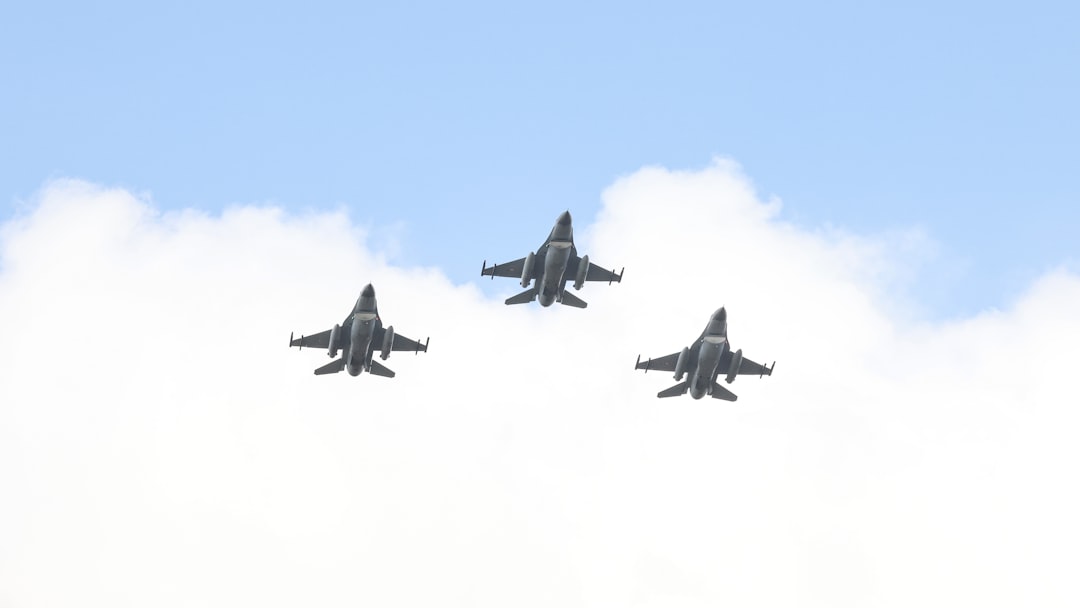
A key contributor to Magellan’s resilience is its diversified revenue model. The company serves multiple sectors within aerospace and defense, including commercial aviation, military aircraft, and space applications. This diversification acts as a buffer against downturns in any single market segment. When the commercial aviation sector experiences a cyclical slump, for instance, demand from the defense sector might remain stable or even increase, helping to mitigate revenue dips. This diversification is not merely about being present in different markets, but about offering a range of products and services that cater to distinct needs.
Core Manufacturing Capabilities
At its heart, Magellan Aerospace is a manufacturer. Its expertise lies in the precise fabrication of complex components and systems. This encompasses a wide range of manufacturing processes, from machining and fabrication to complex assembly and integration. The ability to consistently deliver high-quality, reliable components is paramount in an industry where product failure can have severe consequences.
Machining and Component Fabrication
The company possesses advanced machining capabilities, enabling the production of intricate parts from a variety of materials, including high-strength alloys. This is crucial for critical components found in aircraft engines, airframes, and other high-stress applications. The precision required for these operations is a testament to the company’s investment in skilled labor and advanced machinery.
Composite Structures Manufacturing
In an era where lightweight and strong materials are increasingly important, Magellan has invested significantly in composite structures manufacturing. This includes the fabrication of carbon fiber and other advanced composite parts, which offer excellent strength-to-weight ratios. These components are vital for improving fuel efficiency and performance in modern aircraft.
Assembly and Integration
Beyond individual components, Magellan also excels in the assembly and integration of larger systems and sub-assemblies. This capability allows the company to provide more complete solutions to its customers, reducing the complexity of their own supply chains. This can range from engine nacelles to complete wing assemblies, depending on the specific program.
Navigating the Complex Aerospace Ecosystem
The aerospace and defense industry is characterized by its strict regulatory oversight, long product development cycles, and intense competition. Magellan Aerospace’s success can be attributed, in part, to its adept navigation of this complex landscape.
Regulatory Compliance and Certification
Operating within the aerospace sector necessitates an unwavering commitment to regulatory compliance. Magellan adheres to stringent standards set by aviation authorities worldwide, such as the Federal Aviation Administration (FAA) in the United States and the European Union Aviation Safety Agency (EASA). Obtaining and maintaining certifications for its products and manufacturing processes is not merely a bureaucratic hurdle but a fundamental requirement for market access and customer trust. This rigorous approach ensures the safety and reliability that are non-negotiable in aviation.
Long-Term Customer Relationships
The nature of aerospace contracts, particularly in defense, often involves long-term relationships. Magellan has cultivated stable partnerships with major aircraft manufacturers and defense contractors. These relationships are built on a foundation of consistent performance, reliability, and the ability to meet demanding specifications. Unlike fleeting market trends, these long-term commitments provide a predictable revenue stream and a degree of insulation from short-term economic fluctuations. These partnerships act as the bedrock upon which further growth is built.
Global Supply Chain Management
The company’s global operations necessitate sophisticated supply chain management. Magellan effectively coordinates the sourcing of raw materials, the manufacturing of components across its various facilities, and the delivery of finished products to customers worldwide. This involves managing logistics, inventory, and quality control across multiple jurisdictions, a complex undertaking that requires robust systems and skilled personnel. An efficient supply chain is the invisible engine that keeps complex operations running smoothly.
Strategic Sourcing and Procurement
Magellan’s procurement strategies are designed to ensure the availability of high-quality materials at competitive prices. This involves building relationships with reliable suppliers and implementing rigorous quality checks on incoming materials, a crucial step in preventing downstream production issues.
Logistics and Distribution Networks
The efficient movement of goods across continents is a core competency. Magellan leverages a network of logistical partners and internal capabilities to ensure timely delivery of its products, minimizing lead times and supporting customer production schedules.
Innovation and Technological Advancement
While a reliable manufacturer, Magellan Aerospace is not static. Its continued relevance is tied to its ability to embrace and drive technological advancement within its areas of expertise.
Investment in Research and Development
Magellan invests in research and development to improve existing products, develop new technologies, and enhance manufacturing processes. This commitment to R&D allows the company to stay ahead of evolving industry demands and to offer innovative solutions to its customers. It’s a deliberate seeding of future capabilities.
Advanced Materials Research
The exploration and application of new and advanced materials are central to innovation in aerospace. Magellan engages in research to understand and utilize materials such as advanced composites, specialty alloys, and other high-performance substances that can offer improved strength, reduced weight, and enhanced durability.
Process Improvement and Automation
Innovation extends beyond product development to the manufacturing floor. Magellan explores and implements advanced manufacturing techniques and automation technologies to improve efficiency, reduce costs, and enhance the precision of its production processes. This can involve adopting new machining techniques or integrating robotics into assembly lines.
Product Development and Engineering Capabilities
The company possesses strong engineering and design capabilities, enabling it to work collaboratively with customers on the development of new components and systems. This can involve taking a customer’s concept and translating it into a manufacturable design, or proactively developing proprietary solutions for emerging market needs.
Design for Manufacturability
A key aspect of Magellan’s engineering approach is “design for manufacturability.” This involves integrating manufacturing considerations into the early stages of product design, ensuring that components can be produced efficiently and reliably. This proactive approach minimizes costly rework and delays later in the production cycle.
System Integration and Testing
For more complex projects, Magellan’s engineering teams are involved in the integration and testing of entire systems. This ensures that all components work together harmoniously and meet the required performance specifications before being delivered to the customer.
Market Positioning and Competitive Advantage
Magellan Aerospace occupies a distinct position in the global aerospace market. Its competitive advantages are not built on a single strength but rather on a confluence of factors that make it a preferred partner for its customers.
Niche Specialization and Core Competencies
While a diversified company, Magellan has also cultivated deep expertise in specific areas. This specialization allows it to offer highly refined products and services that might be difficult for more generalist competitors to match. These core competencies act as a magnet, drawing customers with specific needs.
Engine Components
Magellan is a significant supplier of engine components, a highly critical and precision-driven segment of the aerospace industry. The demanding performance requirements and stringent quality standards in this area highlight the company’s capabilities.
Airframe Structures
The company also manufactures a range of airframe structures, from small wing components to larger fuselage sections. This capability is essential for aircraft manufacturers seeking reliable external structural elements.
Agility and Responsiveness
While a global enterprise, Magellan has also demonstrated an ability to be agile and responsive to customer demands. This is particularly important in an industry where production schedules can be tight and unexpected changes can occur. The ability to adapt quickly can be a significant differentiator.
Cost-Effectiveness
In a competitive market, cost-effectiveness is always a consideration. Magellan’s operational efficiencies, optimized supply chains, and strategic sourcing contribute to its ability to offer competitive pricing without compromising on quality or reliability. This value proposition is a silent but powerful factor in securing business.
Sustained Growth and Future Outlook
| Metric | Value | Unit |
|---|---|---|
| Company Name | Magellan Aerospace Limited | – |
| Industry | Aerospace & Defense | – |
| Headquarters | Mississauga, Ontario, Canada | – |
| Number of Employees | Approximately 3,500 | People |
| Annual Revenue | 1.1 Billion | CAD |
| Market Segments | Aerospace propulsion, aerostructures, space systems | – |
| Stock Symbol | MAL | – |
| Year Founded | 1996 | – |
The sustained growth of Magellan Aerospace is a testament to its robust business model and its ability to adapt to evolving market dynamics. Examining its trajectory provides insights into its potential for future success.
Diversification Strategy Revisited
The company’s ongoing diversification efforts, both in terms of product lines and geographic markets, are likely to continue to be a cornerstone of its strategy. This forward-looking approach aims to spread risk and capitalize on emerging opportunities. The diversification acts as a compass, guiding the company through changing economic tides.
Embracing Emerging Technologies
As new technologies emerge in the aerospace and defense sectors, such as advanced propulsion systems, autonomous flight, and space exploration advancements, Magellan’s ability to integrate these into its manufacturing and R&D efforts will be critical. Staying at the vanguard of technological adoption ensures future relevance.
Strategic Partnerships and Alliances
The company may continue to leverage strategic partnerships and alliances to expand its capabilities, enter new markets, or collaborate on large-scale projects. These collaborations can provide access to new technologies, expertise, and customer bases, accelerating growth.
While specific future performance cannot be guaranteed, the foundational strengths of Magellan Aerospace—its diversified revenue streams, its advanced manufacturing capabilities, its commitment to innovation, and its strategic market positioning—provide a solid basis for continued success in the competitive aerospace and defense industry. Its journey is a demonstration of how consistent execution and strategic foresight can lead to enduring viability in a demanding global market.