
The field of aerospace engineering has undergone a profound transformation, driven significantly by the advent and widespread adoption of composite materials. These engineered substances, formed by combining two or more constituent materials with significantly different physical or chemical properties, have fundamentally reshaped aircraft and spacecraft design, manufacturing, and performance. Where traditional materials like aluminum alloys once dominated, composites now offer engineers a palette of possibilities, allowing for the construction of lighter, stronger, and more aerodynamically efficient structures. This revolution is not a sudden shift but a progressive evolution, a steady march forward that has unlocked new capabilities and pushed the boundaries of what is possible in the skies and beyond.
Composite materials in aerospace are not a single entity but a diverse family of substances, each tailored for specific applications. At their core, they consist of a reinforcement material embedded within a matrix material. The reinforcement, often in the form of fibers like carbon, glass, or aramid, provides structural integrity and tensile strength. The matrix, typically a polymer resin like epoxy or polyester, binds the reinforcement together, distributes stress, and protects the fibers from environmental damage.
Fiber Reinforcements: The Structural Backbone
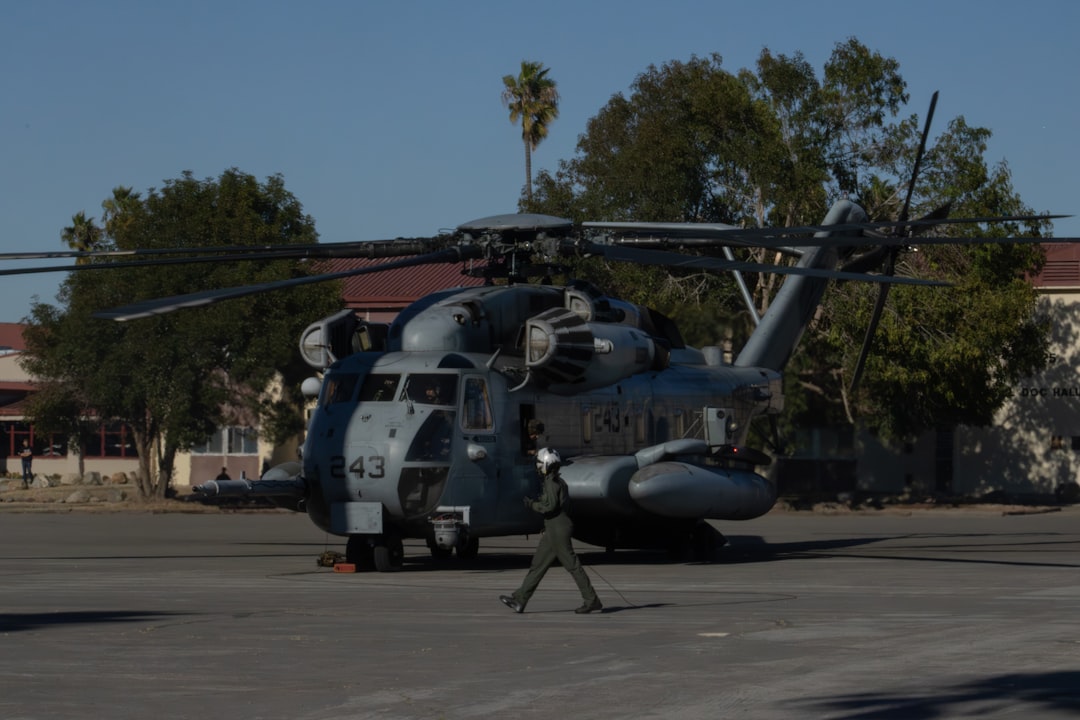
The choice of fiber reinforcement is critical, as it dictates many of the composite’s primary mechanical properties.
Carbon Fibers: High Strength, Low Weight
Carbon fibers are a cornerstone of modern aerospace composites. Their exceptionally high tensile strength-to-weight ratio makes them ideal for applications where strength and stiffness are paramount, and every gram saved translates directly into improved performance. These fibers are manufactured through the controlled pyrolysis of organic precursors, a process that carbonizes them into long, thin strands of nearly pure carbon. The resulting material is remarkably stiff and strong, allowing designers to achieve significant weight reductions compared to metallic counterparts. Think of carbon fiber as the skeletal structure of a bird – incredibly light yet capable of supporting immense stress during flight.
Glass Fibers: Cost-Effectiveness and Versatility

Glass fibers, primarily fiberglass, offer a more cost-effective alternative to carbon fibers. While not possessing the same level of stiffness and strength as carbon, they still provide good mechanical properties, excellent electrical insulation, and resistance to corrosion. They are widely used in secondary structures, fairings, and non-critical components where extreme performance is not a primary requirement. Fiberglass can be considered the resilient skin of an aircraft, protecting the more sensitive internal structures while contributing to the overall integrity.
Aramid Fibers: Impact Resistance and Toughness
Aramid fibers, such as Kevlar, are renowned for their exceptional impact resistance and toughness. They are often used in areas prone to damage, such as the leading edges of wings or in ballistic protection applications. Their ability to absorb energy without brittle fracture makes them a valuable component in safeguarding aircraft against foreign object debris or other impacts. Aramid fibers act like shock absorbers, dissipating energy and preventing catastrophic failure.
Matrix Materials: The Binding Agent
The matrix material plays an equally crucial role, encapsulating the reinforcing fibers and transferring loads between them.
Polymer Resins: Thermosets and Thermoplastics
The vast majority of aerospace composites utilize polymer resins as their matrix. These can be broadly categorized into thermosets and thermoplastics.
Thermoset Resins
Thermoset resins, such as epoxy resins, undergo an irreversible chemical curing process when heated, forming a rigid, cross-linked network. Once cured, they cannot be re-melted or reshaped. This rigidity contributes to the high structural integrity and dimensional stability of the composite. Epoxy resins are favored for their excellent adhesion to fibers, good mechanical properties, and resistance to chemicals and elevated temperatures. They are the glue that holds the strong, fibrous skeleton together, creating a unified and robust structure.
Thermoplastic Resins
In contrast, thermoplastic resins can be repeatedly softened by heating and solidified by cooling. This characteristic offers advantages in manufacturing, such as faster processing times and the potential for recyclability. While historically less common in primary aerospace structures due to lower glass transition temperatures compared to some thermosets, advancements in high-performance thermoplastics are expanding their application. Imagine thermoplastics as a more adaptable, yet still strong, putty, allowing for more intricate shaping and repair possibilities.
Historical Trajectory: From Niche to Necessity
The journey of composite materials in aerospace is a long one, marked by incremental advancements and a growing understanding of their potential. Early applications were often limited and experimental, but as technological capabilities matured, so did the confidence in their use.
Early Explorations and Experimental Uses
The concept of combining materials for enhanced properties is not new. However, the systematic application of engineered composites in aerospace began to gain traction in the mid-20th century. Early efforts focused on fiberglass, particularly for smaller aircraft and components that did not bear primary structural loads. These initial forays were crucial in gathering data and understanding the manufacturing challenges associated with these novel materials.
The Rise of Carbon Fiber Composites
The true inflection point arrived with the development and commercialization of carbon fiber composites. The aerospace industry, always seeking weight savings and performance gains, recognized the transformative potential.
Military Aviation: Paving the Way
Military aircraft were among the first to extensively adopt carbon fiber composites. The need for speed, maneuverability, and reduced radar cross-section made composites an attractive proposition. Aircraft like the F-117 Nighthawk stealth fighter and the B-2 Spirit bomber showcased the ability of composites to create complex, aerodynamically efficient shapes with reduced structural mass. These platforms served as proving grounds, demonstrating the reliability and performance of composite structures in demanding operational environments.
Commercial Aviation: A Gradual Integration
The adoption in commercial aviation was a more gradual process, driven by the need for proven reliability and cost-effectiveness. Early applications focused on secondary structures, such as control surfaces and interior components. However, sustained research and development, coupled with increasing pressure to improve fuel efficiency and reduce emissions, led to the integration of composites into primary structures. The Boeing 787 Dreamliner and the Airbus A350 XWB can be considered watershed moments, with significant portions of their airframes constructed from carbon fiber composites, ushering in a new era of fuel-efficient air travel.
Key Advantages Driving Adoption
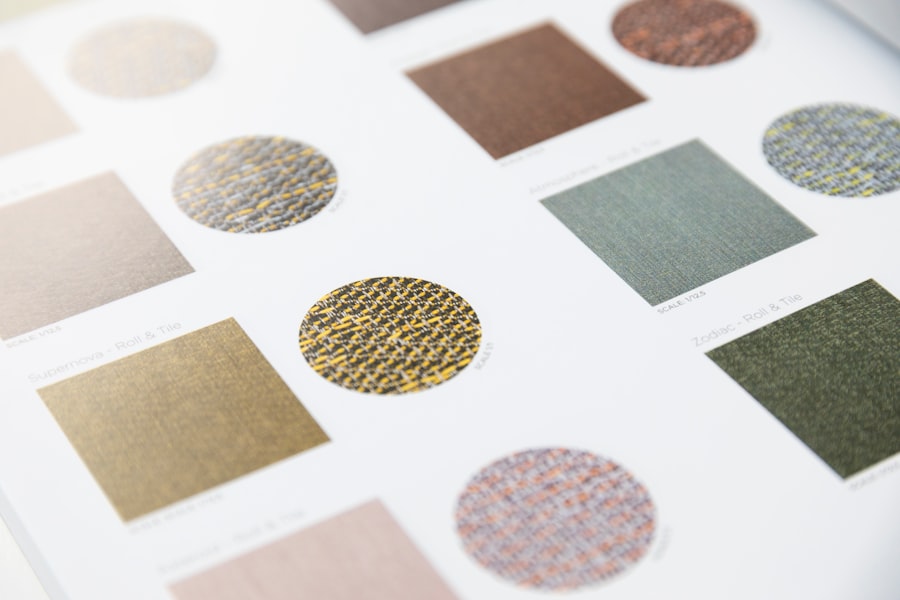
The widespread adoption of composite materials in aerospace is not arbitrary; it is a direct consequence of the significant advantages they offer over traditional metallic materials.
Weight Reduction: The Fuel Efficiency Imperative
The most significant advantage of composite materials is their remarkably low density compared to metals. This translates directly into lighter aircraft and spacecraft.
Fuel Economy and Range Extension
Every kilogram of weight saved in an aircraft contributes to reduced fuel consumption. Lighter aircraft require less thrust to achieve and maintain flight, leading to substantial improvements in fuel economy. This, in turn, allows for extended range, increased payload capacity, or a combination of both. For commercial airlines, this means lower operating costs and a reduced environmental footprint. Think of it as shedding unnecessary baggage for a long journey; the lighter you are, the further you can go with the same resources.
Performance Enhancement
Beyond fuel efficiency, reduced weight also leads to enhanced aircraft performance. Improved acceleration, better climb rates, and increased maneuverability are all direct benefits. For military aircraft, this translates to a tactical advantage in combat. For general aviation, it can mean more accessible and efficient personal transportation.
Tailored Properties: Design Freedom and Optimization
Composite materials offer a level of design flexibility that is unparalleled in metallic construction. Engineers can tailor the properties of a composite component by strategically orienting the reinforcing fibers and selecting the appropriate matrix material.
Anisotropy and Directional Strength
Unlike isotropic materials like metals, which have uniform properties in all directions, composites can be engineered to be anisotropic, meaning their properties vary depending on direction. By carefully orienting the fibers, engineers can place strength and stiffness precisely where they are needed, optimizing the structure for specific load paths. This precision allows for the creation of components that are stronger and lighter than a monolithic metallic structure designed to withstand the same loads from all angles. It’s akin to building a bicycle frame – the tubes are stressed in specific directions, and the material is laid down to best handle those stresses, making it light and stiff.
Complex Geometries and Integration
Composites lend themselves to the creation of complex, integrated structures. Multiple components that would traditionally be manufactured separately and then assembled can often be fabricated as a single, monolithic composite part. This reduces the number of joints, fasteners, and interfaces, which are often weight-adding and potential points of failure. This integration simplifies manufacturing processes, reduces assembly time, and can also improve the aerodynamic smoothness of the aircraft surface.
Corrosion Resistance and Durability
Metals are susceptible to corrosion, a gradual degradation caused by chemical reactions with their environment. This necessitates protective coatings, regular inspections, and maintenance strategies to prevent structural integrity issues.
Reduced Maintenance and Lifecycle Costs
Composite materials, particularly those with polymer matrices, exhibit excellent resistance to environmental degradation, including corrosion, fatigue, and chemical attack. This leads to reduced maintenance requirements, fewer costly repairs, and an extended service life for aircraft components. The absence of galvanic corrosion, a common issue when dissimilar metals are in contact, is another significant benefit. Composites are like a well-sealed package, much less prone to the wear and tear of the elements.
Fatigue Performance
Composites generally exhibit superior fatigue performance compared to metals. While metals can develop cracks under repeated stress cycles, composites tend to distribute stress more effectively through their fiber network, often exhibiting damage tolerance rather than crack propagation. This improved fatigue life contributes to the overall safety and longevity of aircraft.
Manufacturing Processes: From Layup to Autoclave
The fabrication of composite components is a complex and specialized process, distinct from traditional metalworking. The techniques employed are crucial for ensuring the quality, integrity, and desired properties of the final structure.
Hand Layup and Wet Layup
These are foundational composite manufacturing techniques, often used for prototypes, repairs, or lower-volume production.
Manual Placement and Curing
In hand layup, reinforcing fabrics are manually impregnated with resin and then laid into a mold in successive layers. The orientation of each layer is carefully controlled to achieve the desired material properties. Curing, the process of hardening the resin, can occur at room temperature or elevated temperatures, depending on the resin system. Wet layup is similar, with the resin being applied directly to the reinforcement in the mold. These methods offer flexibility but can be labor-intensive and may result in less consistent material properties compared to automated processes.
Prepreg Manufacturing and Autoclave Curing
The use of prepregs represents a more advanced and controlled approach to composite manufacturing, widely employed in high-performance aerospace applications.
Pre-Impregnated Materials
Prepregs are fabrics or fibers that have been pre-impregnated with a precise amount of resin and are supplied in a partially cured state, often stored under refrigeration to prevent premature curing. This ensures a consistent resin-to-fiber ratio and simplifies the layup process.
The Autoclave: Precision Curing
Autoclave curing is the gold standard for achieving high-quality, void-free composite structures. The laid-up prepreg parts are placed in a sealed pressure vessel (an autoclave) where they are subjected to controlled temperature, pressure, and vacuum cycles. The pressure compacts the layers, expelling trapped air and creating a dense, void-free structure. The precise temperature and time profiles ensure optimal resin curing, resulting in superior mechanical properties. The autoclave is the controlled environment where the ingredients are brought together under precise conditions to create a perfect whole.
Automated Fiber Placement (AFP) and Automated Tape Laying (ATL)
For large, complex structures and high-volume production, automated methods are essential.
Robotic Precision
AFP and ATL technologies utilize robotic systems to precisely place prepreg fibers or tapes onto a mold surface. These automated systems can achieve high laydown rates, optimize fiber placement for complex geometries, and ensure excellent repeatability and consistency. This automation significantly reduces manufacturing time and labor costs while enhancing the quality and efficiency of composite production. Imagine a skilled artisan’s touch magnified by robotic precision, capable of intricate and rapid work.
Resin Transfer Molding (RTM) and Vacuum Assisted Resin Transfer Molding (VARTM)
These “out-of-autoclave” processes offer an alternative for certain applications, potentially reducing manufacturing costs.
In-Mold Resin Injection
In RTM, dry reinforcing fibers are placed in a closed mold, and then a liquid resin is injected under pressure. VARTM utilizes vacuum pressure to draw the resin through the reinforcement into the mold. These techniques can produce high-quality parts with good surface finish and reduced tooling costs compared to autoclave processes, making them suitable for a range of aerospace components.
Challenges and Future Directions
| Metric | Value | Unit | Notes |
|---|---|---|---|
| Composite Material Usage in Aircraft Weight | 50 | % | Percentage of total aircraft weight made from composites (e.g., Boeing 787) |
| Weight Reduction Compared to Aluminum | 20-30 | % | Typical weight savings when using composites instead of aluminum alloys |
| Fuel Efficiency Improvement | 15 | % | Estimated fuel savings due to composite materials reducing aircraft weight |
| Composite Material Cost Share in Aircraft | 40 | % | Percentage of total material cost attributed to composites |
| Typical Tensile Strength of Carbon Fiber Composites | 600-1500 | MPa | Range depending on fiber type and matrix |
| Typical Density of Carbon Fiber Composites | 1.6 | g/cm³ | Compared to aluminum density of ~2.7 g/cm³ |
| Service Life of Composite Components | 20-30 | Years | Typical design life for aerospace composite parts |
| Repair Time Reduction | 30-50 | % | Faster repair times for composite parts compared to metal |
Despite the undeniable advancements, the integration of composite materials in aerospace is not without its challenges. Overcoming these hurdles and continuing to innovate will shape the future of aerospace.
Damage Detection and Repair
One of the primary challenges associated with composite materials is the detection and repair of internal damage that may not be readily visible.
Non-Destructive Inspection (NDI) Techniques
Developing reliable and efficient Non-Destructive Inspection (NDI) techniques is crucial for ensuring the structural integrity of composite aircraft. Techniques like ultrasonic testing, eddy current testing, and thermography are employed to identify delaminations, fiber disbonds, and impact damage. Ongoing research focuses on developing more advanced and automated NDI systems for real-time monitoring.
Repair Methodologies
Repairing composite structures can be more complex than repairing metals. Traditional repair methods often involve patching, where new layers of composite material are applied over the damaged area. However, the effectiveness and durability of these repairs are critical. Research is ongoing to develop more advanced repair techniques, including the use of in-situ curing technologies, nanotechnology-enhanced repair materials, and even self-healing composites.
Cost Considerations and Material Variability
While the lifecycle benefits of composites are significant, the initial material and manufacturing costs can still be a barrier to adoption in some sectors.
Balancing Performance and Cost
The high cost of advanced composite materials, particularly carbon fibers, can influence their application. Efforts are underway to reduce manufacturing costs of precursors and fibers, as well as to explore the use of more cost-effective alternative reinforcement materials. Furthermore, optimizing manufacturing processes to reduce waste and improve efficiency is a continuous endeavor.
Material Standardization and Certification
Ensuring consistent material properties and robust certification processes are vital for the safety and reliability of aerospace structures. Developing standardized material specifications and testing protocols is an ongoing effort within the industry.
Recycling and Sustainability
As the use of composite materials increases, so does the need for sustainable end-of-life solutions.
End-of-Life Management
The current methods for recycling composite materials are often energy-intensive and can result in lower-grade recycled materials. Research is focused on developing more efficient and environmentally friendly recycling technologies, as well as exploring the use of bio-based resins and recyclable composite structures. The aerospace industry is increasingly looking towards a circular economy model.
Advancements in Nanotechnology and Smart Composites
The future of aerospace composites lies in further innovation, pushing the boundaries of material science and engineering.
Nanomaterial Integration
The incorporation of nanomaterials, such as carbon nanotubes and graphene, into composite matrices and reinforcements holds immense potential. These materials can enhance mechanical properties, improve electrical conductivity, and introduce new functionalities.
Smart Composites
The development of “smart composites” that can sense their own structural integrity, adapt to changing environmental conditions, or even self-repair is a significant area of research. Embedded sensors, shape memory polymers, and self-healing agents are being explored to create next-generation aerospace structures.
The revolution in aerospace brought about by composite materials is far from over. It is a dynamic and evolving landscape, driven by a relentless pursuit of higher performance, greater efficiency, and enhanced safety. As engineers continue to unlock the potential of these remarkable materials, we can anticipate even more groundbreaking achievements in aviation and space exploration. The future of flight is not just built on metal and rivets, but on a sophisticated tapestry of engineered materials, woven together to reach new heights.