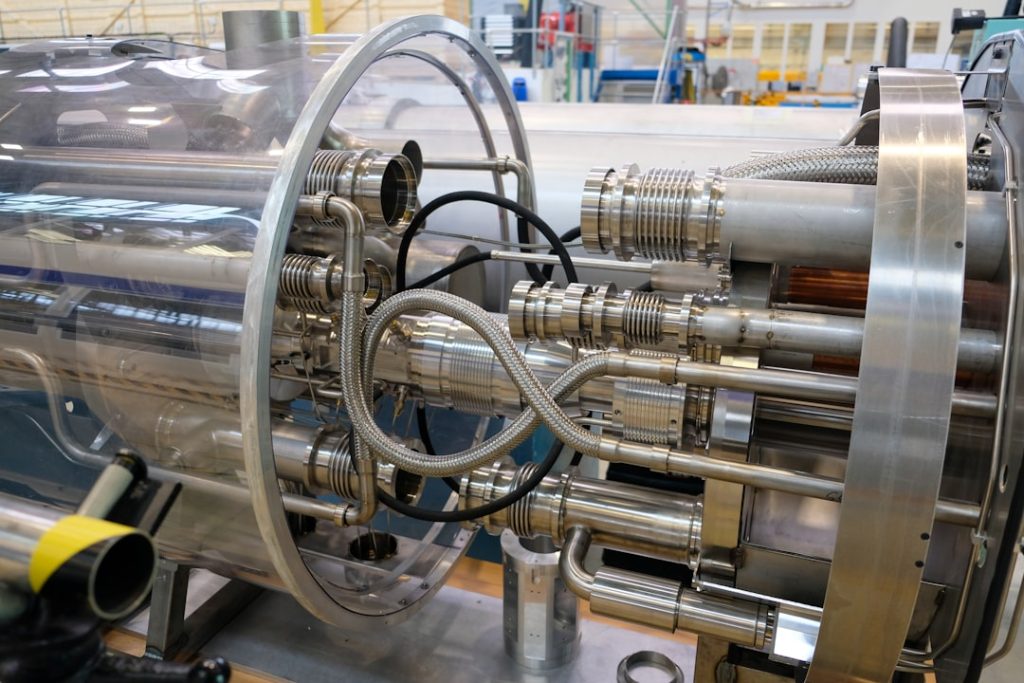
Precision machining is a cornerstone of the aerospace industry. Aircraft and spacecraft are complex systems where every component, no matter how small, plays a critical role in functionality, safety, and performance. The demands placed on these components are extreme, requiring materials that can withstand immense stresses, vibrations, temperature fluctuations, and corrosive environments. Achieving the required performance at a feasible cost per part necessitates the application of sophisticated precision machining techniques. This article will explore the critical aspects of precision machining within the aerospace sector, examining its fundamental principles, advanced methodologies, material considerations, quality control, and future trends.
Precision machining, at its core, is the process of shaping raw materials into components with highly accurate dimensions and surface finishes. For the aerospace industry, this is not merely about achieving tight tolerances; it’s about ensuring that each part functions as intended, seamlessly integrating with other components to form a reliable and efficient whole. Think of it as building an intricate clockwork mechanism where each gear must mesh perfectly for the timepiece to keep accurate time. In aerospace, a misaligned gear can mean catastrophic failure.
Defining Precision and Tolerances

Precision in machining refers to the degree of conformity of a measured value to a true value. In an aerospace context, this translates to extremely tight dimensional tolerances. While a consumer product might tolerate a deviation of a millimeter or more, aerospace components often require tolerances measured in microns or even nanometers. These specifications are not arbitrary. They are derived from rigorous engineering analysis, performance requirements, and safety standards. Engineers meticulously calculate the permissible variations based on factors such as:
- Fit and Function: How components interface with each other. A fuel injector nozzle, for instance, requires precise dimensions to atomize fuel correctly. A slight deviation can lead to inefficient combustion or engine damage.
- Aerodynamic Performance: Surfaces that interact with airflow, such as wing sections or turbine blades, demand exceptionally smooth finishes and precise profiles to minimize drag and maximize lift or thrust.
- Structural Integrity: Components bearing significant loads must be machined to exact specifications to distribute stress evenly and prevent fatigue failure. A microscopic flaw can act as a stress riser, initiating a crack over time.
- Weight Optimization: Spacecraft launched into orbit are subject to strict weight limitations. Precision machining allows for the creation of lightweight yet strong components, often by removing excess material without compromising structural integrity.
Material Selection and Machinability
The aerospace industry utilizes a diverse array of advanced materials, each presenting unique challenges and opportunities for precision machining. The selection of these materials is driven by stringent performance requirements.
High-Strength Alloys
- Titanium Alloys: Renowned for their high strength-to-weight ratio and excellent corrosion resistance, titanium alloys are ubiquitous in aircraft structures and jet engines. However, titanium is notoriously difficult to machine. It has a low thermal conductivity, meaning heat generated during cutting tends to concentrate in the tool tip, accelerating wear. Its high strength also requires significant cutting forces. Manufacturers must employ specialized tooling, cutting fluids, and machining strategies to effectively cut titanium and achieve precise dimensions.
- Nickel-Based Superalloys: These alloys, essential for high-temperature applications like turbine blades and engine casings, offer exceptional strength and creep resistance at elevated temperatures. Their hardness and tendency to work-harden make them exceptionally challenging to machine. Machining nickel-based superalloys often requires slower cutting speeds, specialized tool geometries, and rigid machine setups to prevent vibrations and tool breakage.
- Aluminum Alloys: While generally more machinable than titanium or nickel alloys, aircraft-grade aluminum alloys are often strengthened and hardened, requiring careful machining to avoid surface defects. Their high thermal expansion can also be a consideration in high-precision applications.
Advanced Composites
- Carbon Fiber Reinforced Polymers (CFRPs): These lightweight, high-strength materials are revolutionizing aircraft design. Machining composites presents a different set of challenges. Traditional subtractive machining techniques like milling and drilling can delaminate the layers, fray fibers, or create dust. Techniques such as waterjet cutting and laser machining are increasingly employed for precise cutting and shaping of composite parts, alongside advanced milling strategies that minimize delamination.
Exotic Materials
- Refractory Metals (e.g., Tungsten, Molybdenum): Used in specialized applications requiring extreme temperature resistance or density, these materials are exceptionally hard and brittle, demanding highly specialized machining processes like electrical discharge machining (EDM) or electrochemical machining (ECM).
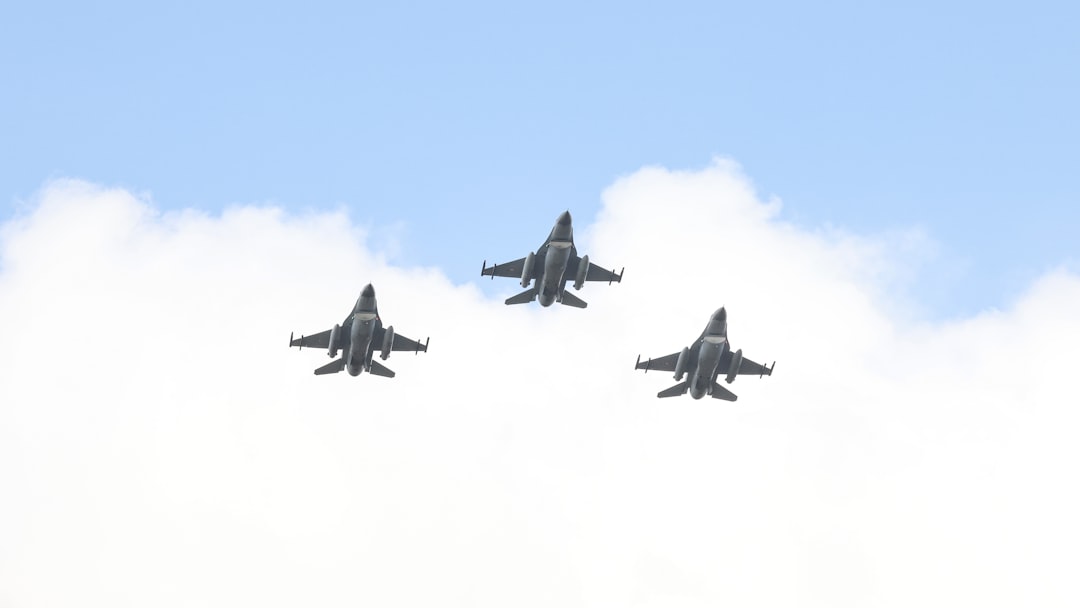
The machinability of a material—its propensity to be shaped by cutting tools—is a critical factor in process selection and economic viability. Understanding the material’s hardness, ductility, thermal properties, and tendency to form chips is paramount for successful precision machining.
Advanced Precision Machining Technologies
As aerospace demands have evolved, so too have the technologies used to meet them. Traditional machining methods have been augmented and, in some cases, superseded by more advanced techniques that offer greater precision, efficiency, and the ability to work with challenging materials.
Computer Numerical Control (CNC) Machining
CNC machining is the bedrock of modern precision manufacturing. It involves using computer programs to control machine tools, such as lathes, milling machines, and grinders. This automation allows for:
- Unparalleled Accuracy: CNC machines can execute complex tool paths with extremely high repeatability, ensuring that identical parts are produced time after time within specified tolerances.
- Complex Geometries: The ability to program intricate movements allows for the creation of highly complex shapes and profiles that would be impossible or impractical with manual machining. This is vital for components like turbine blades with intricate aerodynamic contours.
- Reduced Human Error: Automation minimizes the potential for human error in measurement and execution, a critical factor in safety-sensitive industries.
- Flexibility and Adaptability: CNC programs can be easily modified to produce different parts or adjust specifications, making it ideal for the often-iterative design and production cycles in aerospace.
Multi-Axis Machining
A significant advancement within CNC is multi-axis machining, particularly five-axis machining. This allows the cutting tool to move along five independent axes simultaneously, enabling it to reach difficult-to-access features and create more complex geometries in a single setup.
- Reduced Setups: By machining a part from multiple angles in one go, the need for re-fixturing is minimized. This not only saves time but also reduces the potential for accumulating errors from repositioning the workpiece.
- Undercuts and Complex Contours: Five-axis machines can create undercuts and complex curved surfaces, essential for optimizing airflow and reducing weight in aerospace components. For example, creating the intricate airfoil shape of a jet engine blade.
- Improved Surface Finish: Continuous machining in multiple axes often leads to a smoother, more consistent surface finish, crucial for aerodynamic efficiency and fatigue resistance.
Electrical Discharge Machining (EDM)
EDM is a non-traditional machining process that uses electrical sparks to erode material. It is particularly effective for hard metals that are difficult to machine with conventional tools.
Wire EDM
Wire EDM uses a thin, electrically charged wire as the electrode to cut through conductive materials. It is highly precise and capable of creating intricate shapes and sharp corners.
- Intricate Features: Wire EDM is ideal for producing small, complex features such as gears, cams, and intricate patterns that are difficult to achieve with other methods.
- Hard and Brittle Materials: Its ability to cut hardened steels, superalloys, and carbide makes it invaluable for certain aerospace components.
- Low Cutting Forces: The erosive nature of EDM means there are minimal mechanical forces exerted on the workpiece, which is advantageous for delicate or thin-walled parts.
Sinker EDM (Ram EDM)
Sinker EDM uses a shaped electrode (the “die”) to create a corresponding cavity in the workpiece.
- Complex Cavities: It is the preferred method for creating complex internal shapes, such as cooling channels in turbine blades or intricate molds.
- Hardened Tool Steels: Ideal for machining tools, dies, and molds used in other manufacturing processes within the aerospace supply chain.
Laser Machining
Laser machining uses a focused beam of light to melt, vaporize, or burn away material.
- High Precision and Speed: Lasers can achieve very tight tolerances and operate at high speeds, making them efficient for certain applications.
- Contactless Process: As a contactless method, it avoids mechanical stress on the workpiece, which is beneficial for fragile or thin materials.
- Versatility: Lasers can cut, drill, and engrave a wide range of materials, including metals, composites, and ceramics, albeit with material-specific considerations. For instance, laser welding is also a critical process in aerospace for joining components.
Abrasive Waterjet Machining
This process uses a high-pressure stream of water, often mixed with an abrasive garnet, to cut through materials.
- Cold Cutting Process: Unlike laser machining, waterjet cutting is a cold process, meaning it doesn’t introduce thermal stress or affect the material’s metallurgical properties. This is particularly important for heat-sensitive alloys.
- Versatile Material Application: It can cut virtually any material, including metals, composites, ceramics, and glass, without generating dust or fumes associated with some other cutting methods. This is a significant safety and environmental advantage.
- Edge Quality: Waterjet cutting can produce very clean edges with minimal burr formation, reducing the need for secondary finishing operations.
Quality Assurance and Control in Precision Machining
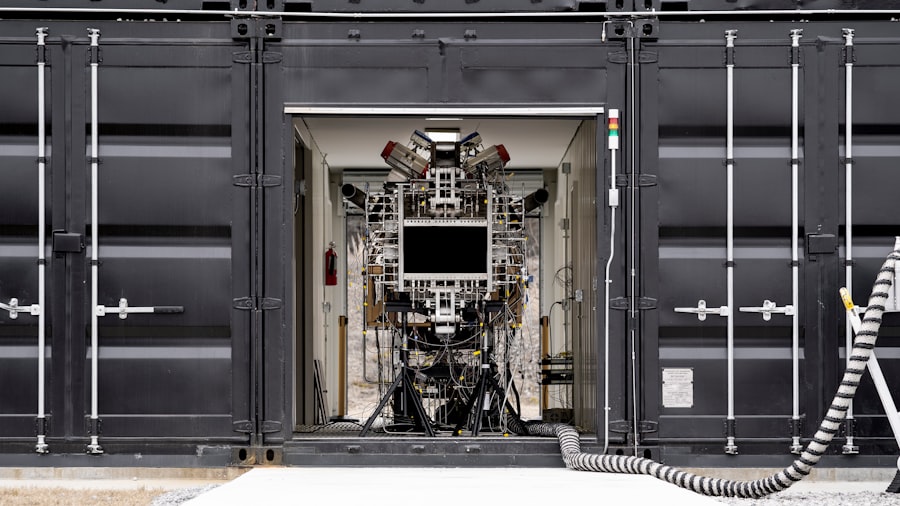
In the aerospace industry, quality is not an afterthought; it is an integral part of the entire manufacturing process. Every component must meet stringent quality standards to ensure the safety and reliability of aircraft and spacecraft. Precision machining requires a robust framework of quality assurance and control measures.
Metrology and Inspection Techniques
Metrology is the science of measurement, and in precision machining, it is paramount. Advanced measurement tools and techniques are employed to verify that parts conform to their specifications.
Coordinate Measuring Machines (CMMs)
CMMs are versatile measuring machines that use a probing system to accurately determine the geometry of a physical object.
- 3D Measurement: CMMs can measure complex 3D shapes and compare them against design data with extreme accuracy.
- Automated Inspection: They can be programmed to automatically inspect multiple features on a part, significantly increasing inspection efficiency and reducing human variability.
- Data Reporting: CMMs generate detailed reports that document all measurements, deviations, and pass/fail status, serving as crucial documentation for traceability and quality audits.
Optical Inspection
Optical inspection methods utilize light to assess surface quality and dimensions.
- Vision Systems: Automated vision systems use cameras and advanced algorithms to inspect parts for defects, verify dimensions, and check assemblies.
- Surface Profilometers: These instruments measure the texture and irregularities of a surface, critical for ensuring proper lubrication, aerodynamic efficiency, and wear resistance.
- Interferometry: For extremely smooth surfaces, interferometry can be used to measure surface irregularities at the nanometer level.
Non-Destructive Testing (NDT)
NDT techniques are used to evaluate materials and components for defects without causing damage. This is crucial for ensuring the integrity of critical aerospace parts.
- Ultrasonic Testing (UT): Uses sound waves to detect internal flaws such as cracks, voids, or inclusions.
- X-ray and Computed Tomography (CT) Scanning: Provides detailed internal imaging to reveal structural anomalies, porosity, or inconsistencies within a material.
- Dye Penetrant Testing (PT) and Magnetic Particle Testing (MT): Used to detect surface and near-surface cracks.
Statistical Process Control (SPC)
SPC involves using statistical methods to monitor and control a process. In precision machining, SPC helps to:
- Identify Trends: By collecting data on key process parameters (e.g., tool wear, cutting speed, material temperature) and part dimensions over time, engineers can identify trends that may indicate a process is drifting out of control.
- Prevent Defects: Early detection of process variations allows for corrective action to be taken before defects occur, rather than simply inspecting them out.
- Improve Process Capability: SPC data provides insights into the inherent capability of a machining process, enabling continuous improvement and optimization.
Traceability and Documentation
In aerospace manufacturing, every component must be traceable back to its raw material, manufacturing process, and quality checks. This ensures accountability and facilitates rapid root cause analysis in the event of an issue. Extensive documentation, including work orders, inspection reports, material certifications, and process parameters, is maintained for each part.
The Role of Automation and Digitalization
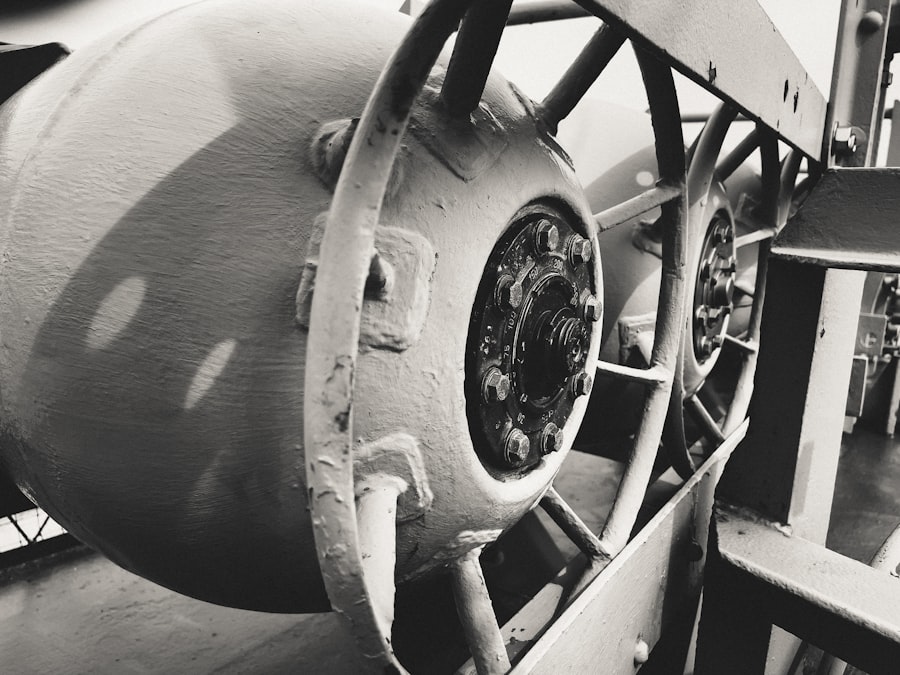
The aerospace industry is at the forefront of embracing automation and digitalization to enhance precision machining capabilities. These technologies are not just about doing things faster; they are about achieving higher levels of accuracy, consistency, and integration.
The Rise of the “Smart Factory”
The concept of the smart factory, or Industry 4.0, is transforming precision machining in aerospace. This involves connecting machines, software, and people through a network to create a highly interconnected and intelligent manufacturing environment.
- Internet of Things (IoT) in Machining: Sensors embedded in machines collect real-time data on performance, wear, and environmental conditions. This data is fed into analytical systems to predict maintenance needs, optimize cutting parameters, and detect potential issues before they impact production.
- Digital Twins: A digital twin is a virtual replica of a physical asset, process, or system. In precision machining, a digital twin of a CNC machine or an entire production line can be used for simulation, optimization, and predictivemaintenance. This allows engineers to test new machining strategies or troubleshoot problems in a virtual environment without disrupting actual production.
- Artificial Intelligence (AI) and Machine Learning (ML): AI and ML are being applied to various aspects of precision machining, including:
- Predictive Maintenance: Analyzing sensor data to forecast when a machine tool or cutting tool is likely to fail, enabling proactive replacement and minimizing downtime.
- Process Optimization: AI algorithms can analyze vast datasets to identify optimal cutting parameters (speed, feed rate, depth of cut) for specific materials and complex geometries, leading to improved efficiency and surface finish.
- Quality Prediction: ML models can correlate process data with inspection results to predict the likelihood of a part meeting quality specifications, allowing for early intervention if the probability is low.
Advanced Tooling and Fixturing
The performance of precision machining is heavily reliant on the quality and design of cutting tools and fixturing systems.
- Cubic Boron Nitride (CBN) and Diamond Tooling: For machining very hard materials, specialized inserts made from CBN or diamond are essential to achieve the necessary cutting speeds and tool life.
- Micro-Machining Tools: For creating extremely small features, micro-milling cutters and drills with diameters in the micron range are employed, requiring highly precise manufacturing themselves.
- Modular Fixturing Systems: These systems allow for rapid setup and changeover of workpieces, increasing flexibility and reducing downtime between different machining jobs. Their precision is critical to ensure consistent part positioning and eliminate errors.
Future Trends in Precision Machining for Aerospace
| Metric | Description | Typical Value / Range | Unit |
|---|---|---|---|
| Material Removal Rate (MRR) | Volume of material removed per unit time | 50 – 500 | cm³/min |
| Surface Roughness (Ra) | Average surface finish quality after machining | 0.2 – 1.6 | µm |
| Tolerance | Permissible limit of variation in dimension | ±0.005 – ±0.02 | mm |
| Cutting Speed | Speed at which the cutting tool engages the material | 50 – 300 | m/min |
| Feed Rate | Distance the tool advances per revolution or per pass | 0.05 – 0.3 | mm/rev |
| Tool Life | Duration a cutting tool remains effective before replacement | 1 – 8 | hours |
| Machine Accuracy | Precision capability of the machining equipment | ±0.001 – ±0.01 | mm |
| Spindle Speed | Rotational speed of the machine spindle | 1000 – 20000 | RPM |
| Coolant Flow Rate | Rate of coolant supplied to the cutting zone | 5 – 20 | liters/min |
| Chip Load | Thickness of material removed by each cutting edge per revolution | 0.01 – 0.15 | mm/tooth |
The evolution of precision machining in aerospace is an ongoing journey, driven by the relentless pursuit of lighter, stronger, more efficient, and more cost-effective aircraft and spacecraft.
Additive Manufacturing Integration
While traditionally subtractive, precision machining is increasingly being integrated with additive manufacturing (AM), also known as 3D printing.
- Hybrid Machining: AM can create complex near-net-shape components that are then finished using precision machining. This approach combines the design freedom and material savings of AM with the high accuracy and surface finish of subtractive processes. For example, printing a slightly oversized turbine component and then finish-machining the critical aerodynamic surfaces.
- Tooling and Fixturing: AM is also being used to create highly customized and optimized tooling and fixturing, leading to improved machining performance and reduced lead times.
Advanced Nanotechnology Applications
As tolerances shrink and material science advances, nanotechnology is beginning to influence precision machining.
- Nanocoatings: Advanced nanocoatings applied to cutting tools can significantly increase their hardness, wear resistance, and reduce friction, enabling higher cutting speeds and improved tool life.
- Nanoscale Machining: While still an emerging field for widespread aerospace application, research is ongoing in nanoscale machining for ultra-precision components and creating novel surface structures at the nanoscale for enhanced properties like drag reduction or self-cleaning capabilities.
Increased Focus on Sustainability and Efficiency
The aerospace industry is under growing pressure to reduce its environmental impact and improve operational efficiency. This translates to precision machining in several ways:
- Material Optimization: Reducing material waste through more efficient machining processes and the use of advanced simulation can lead to significant material savings.
- Energy Efficiency: Developing more energy-efficient machining processes and machines, as well as optimizing cutting parameters to reduce energy consumption.
- Closed-Loop Manufacturing: Integrating design, simulation, manufacturing, and inspection in a continuous loop, leveraging data analytics and AI to minimize errors and rework, thereby conserving resources.
The relentless advancement in precision machining is not merely a technological progression; it is an enabling force for innovation in aerospace. As aircraft fly higher, faster, and with greater fuel efficiency, and as humanity ventures further into space, the demand for components manufactured with unparalleled accuracy and reliability will only continue to grow, making precision machining an indispensable engine of progress.