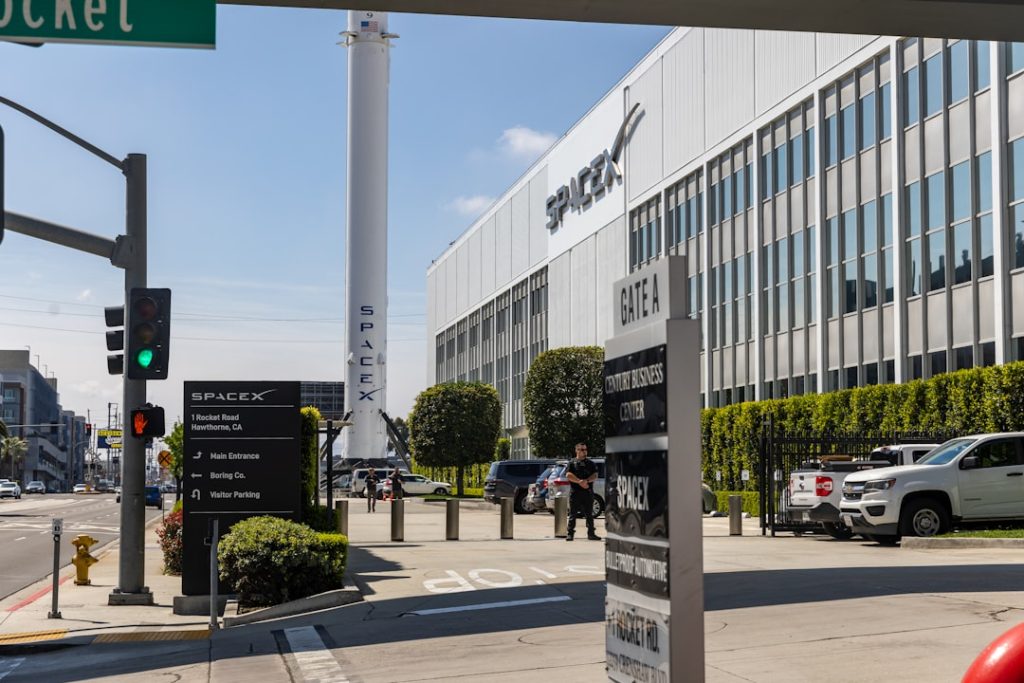
The field of aerospace science stands at a pivotal juncture, much like a rocket poised for ignition on the launchpad. Innovations in materials, propulsion, artificial intelligence, and manufacturing are not merely incremental improvements; they represent fundamental shifts in our ability to traverse the Earth’s atmosphere and venture into the cosmos. This exploration delves into the multifaceted advancements shaping the future of aerospace, from the incremental evolution of existing technologies to the revolutionary concepts that promise to redefine human reach.
The quest for faster, more efficient, and environmentally sustainable travel through air and space has always been a primary driver of aerospace innovation. Propulsion systems are the engines that power this progress, and their evolution is a critical component of the future landscape.
Incremental Refinements in Jet Engines
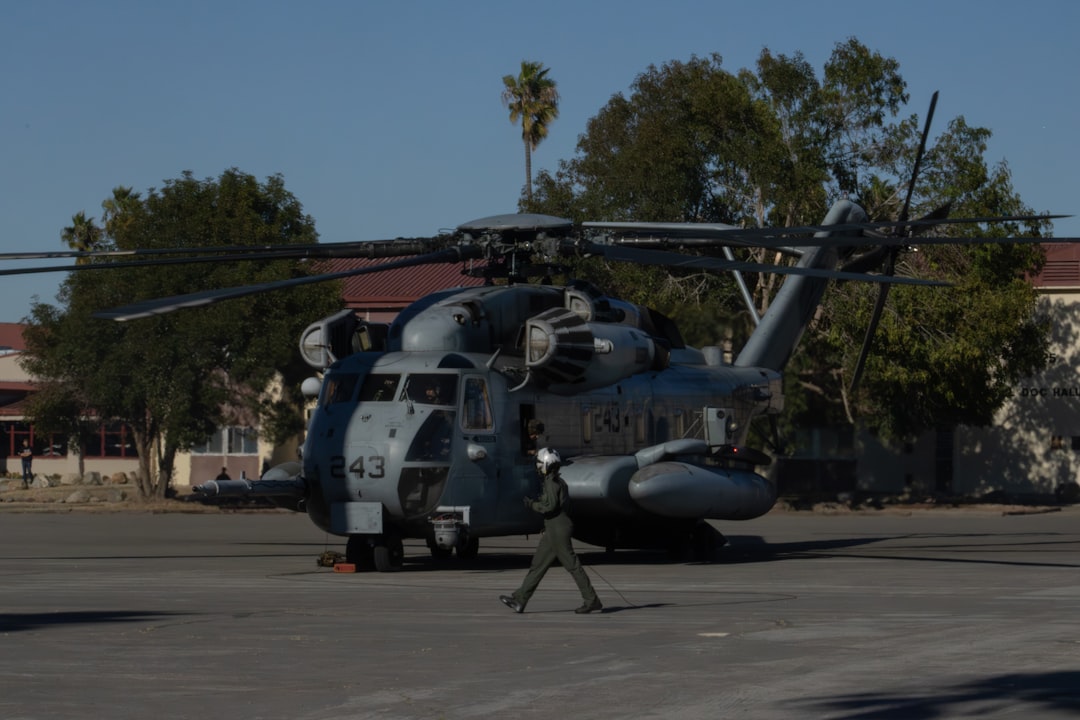
For commercial aviation, the path forward involves refining existing jet engine technology. The focus here is on improving fuel efficiency and reducing emissions.
High Bypass Ratio Engines
Modern turbofan engines are already characterized by high bypass ratios, meaning a large proportion of the air bypasses the core of the engine and contributes to thrust. Future developments will likely see even higher bypass ratios, potentially approaching or exceeding 15:1 or more. This leads to quieter operation and significant fuel savings, akin to optimizing a sailboat’s sails for maximum wind capture. Engineers are also investigating advanced aerodynamic designs for fan blades and nacelles to further minimize drag.
Advanced Materials and Thermal Management
The operating temperatures and pressures within a jet engine are extreme. The use of advanced materials, such as ceramic matrix composites (CMCs) and improved nickel-based superalloys, allows engines to run hotter, increasing thermodynamic efficiency. CMCs are particularly noteworthy for their lighter weight and ability to withstand higher temperatures than traditional metallic components, reducing overall engine weight and fuel consumption. Enhanced thermal management systems are also crucial, employing sophisticated cooling techniques to protect critical engine parts during peak operation.
Electrification of Aerospace
The concept of electric propulsion for aircraft is gaining significant traction, driven by the imperative to reduce carbon footprints. While large commercial airliners are a considerable challenge, hybrid-electric and fully electric solutions are emerging for smaller aircraft and specific applications.
Hybrid-Electric Propulsion
Hybrid systems combine electric motors with traditional jet engines or other power sources. This allows for electric power to assist during critical phases of flight, such as takeoff and climb, where fuel consumption is highest. The electric component can also be used for auxiliary power, further optimizing overall efficiency. This approach offers a stepping stone towards full electrification, much like a hybrid car allows for a gradual transition to electric driving. Research is ongoing to develop more powerful and compact batteries, as well as efficient power management systems.
Fully Electric Aircraft
The realization of fully electric commercial aircraft faces significant hurdles, primarily related to battery energy density and weight. However, for regional commuter planes and smaller aircraft, battery technology is becoming increasingly viable. Advances in lithium-ion battery chemistry and solid-state batteries hold promise for delivering the necessary power and endurance. The challenge remains to achieve flight capabilities comparable to current fossil-fuel powered aircraft without compromising safety or payload.
Novel Propulsion Concepts for Space Exploration
Beyond Earth’s atmosphere, the limitations of chemical rockets become more apparent for deep space missions. New propulsion paradigms are crucial for enabling faster and more ambitious journeys.
Nuclear Thermal Propulsion (NTP)
NTP systems utilize a nuclear reactor to heat a propellant (typically hydrogen) to very high temperatures, which is then expelled through a nozzle to generate thrust. NTP offers significantly higher specific impulse (a measure of engine efficiency) than chemical rockets, meaning it can propel a spacecraft farther or faster for the same amount of propellant. This technology could dramatically reduce transit times to Mars and beyond, making crewed interstellar missions more feasible. However, safety concerns and political considerations surrounding nuclear technology in space remain significant factors.
Electric Propulsion Variants
Ion thrusters and Hall-effect thrusters, which accelerate charged particles using electric fields, are already used for some satellite maneuvers and long-duration space missions. Future developments aim to increase their thrust capabilities and efficiency, making them more suitable for heavier payloads and shorter mission durations. Concepts like VASIMR (Variable Specific Impulse Magnetoplasma Rocket) promise even higher thrust and efficiency, but require substantial power generation.
Advanced Chemical Propulsion
While novel concepts are explored, incremental improvements in chemical rockets are also ongoing. This includes developing more energetic propellants, optimizing engine cycles for higher efficiency, and utilizing advanced manufacturing techniques for lighter and more robust engine components.
Next-Generation Airframe and Materials
The structure of an aircraft or spacecraft is its skeleton, and advancements in materials are enabling lighter, stronger, and more adaptable designs. This directly impacts performance, fuel efficiency, and the ability to withstand extreme conditions.
Advanced Composites
Carbon fiber reinforced polymers (CFRPs) have already revolutionized aircraft manufacturing, contributing to lighter and more fuel-efficient airframes. The future will see greater integration of these materials, with advanced manufacturing techniques allowing for more complex shapes and integrated functionalities.
Thermoset and Thermoplastic Composites
While thermoset CFRPs are common, thermoplastic composites are gaining traction due to their recyclability, higher impact resistance, and ability to be heat-formed into complex shapes more efficiently. This could simplify manufacturing processes and reduce waste.
Nanomaterials and Functional Composites
The incorporation of nanomaterials, such as carbon nanotubes and graphene, into composite structures offers the potential for significantly enhanced mechanical properties, electrical conductivity, and even self-healing capabilities. Functional composites could embed sensors or actuators directly into the airframe, creating “smart” structures that can monitor their own health and adapt to changing flight conditions.
Additive Manufacturing (3D Printing)
3D printing is a game-changer in aerospace, enabling the creation of intricate, lightweight, and optimized components that were previously impossible to manufacture.
Complex Geometries and Part Consolidation
3D printing allows for the production of highly complex internal structures, such as lattice designs, that can reduce weight while maintaining or even increasing strength. It also facilitates part consolidation, reducing the number of individual components required for an assembly, which in turn simplifies manufacturing and assembly processes and reduces points of potential failure.
On-Demand Spare Parts and In-Space Manufacturing
The ability to print spare parts on demand, either at remote airbases or even in space, can revolutionize logistics and reduce storage requirements. Future missions could carry 3D printers and raw materials, enabling the manufacturing of tools, spare parts, and even habitat components in situ, reducing the payload mass required for long-duration missions.
Adaptive Structures and Morphing Wings
The concept of aircraft wings that can change their shape in flight, known as morphing wings, promises significant improvements in aerodynamic efficiency across a range of flight conditions.
Biomimicry and Flexible Materials
Inspired by the natural world, such as bird wings that adjust their shape to optimize lift and maneuverability, researchers are developing flexible composite materials and actuation systems that can enable controlled morphing. This could lead to aircraft that are more efficient during takeoff, cruise, and landing, reducing fuel consumption and improving performance.
Hypersonic Vehicle Design Considerations
Designing vehicles for sustained hypersonic flight (speeds exceeding Mach 5) presents unique challenges.
Thermal Protection Systems
At hypersonic speeds, aerodynamic heating becomes a critical issue. Advanced thermal protection systems, utilizing specialized ceramic tiles, ablative materials, and active cooling techniques, are essential to prevent structural failure.
Aerodynamic Stability and Control
Maintaining stability and control at hypersonic speeds requires sophisticated aerodynamic designs and advanced control systems, as the air behaves very differently at these velocities.
Autonomous Systems and Artificial Intelligence
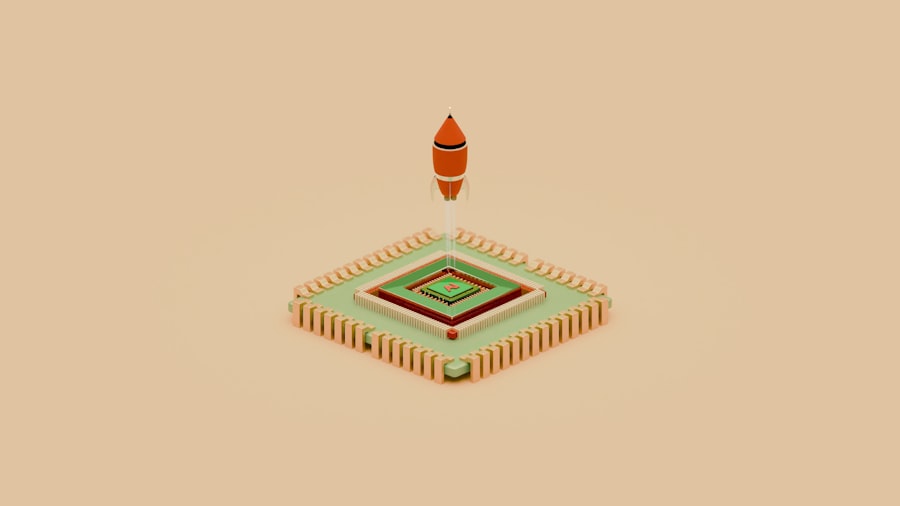
The integration of autonomous systems and artificial intelligence (AI) is transforming every aspect of aerospace, from aircraft design and manufacturing to flight operations and space exploration. AI is the digital brain that can process vast amounts of data and make complex decisions, enabling capabilities previously confined to science fiction.
Enhanced Flight Control and Autonomy
AI is powering increasingly sophisticated flight control systems, allowing for greater automation and precision.
Intelligent Flight Management Systems
AI-powered systems can analyze real-time weather data, air traffic, and aircraft performance to optimize flight paths, fuel consumption, and passenger comfort. They can also assist pilots in complex maneuvers or during emergency situations, acting as a highly capable co-pilot.
Fully Autonomous Aircraft
While fully autonomous commercial airliners for passenger transport are still some way off due to regulatory and public acceptance hurdles, autonomous cargo aircraft and unmanned aerial vehicles (UAVs) are already becoming a reality. These systems rely on advanced AI for navigation, obstacle avoidance, and mission execution.
AI in Aircraft Design and Manufacturing
AI is streamlining the design and manufacturing process, leading to more optimized and efficient operations.
Generative Design and Simulation
AI algorithms can explore millions of design possibilities in a fraction of the time it would take human engineers, identifying optimal solutions for weight reduction, structural integrity, and aerodynamic performance. Powerful simulation tools powered by AI can predict how designs will behave under various conditions, reducing the need for extensive physical prototyping.
Predictive Maintenance
By analyzing data from sensors embedded in aircraft components, AI can predict when a part is likely to fail, allowing for proactive maintenance and reducing the risk of unexpected breakdowns. This is akin to a doctor diagnosing an illness before symptoms become severe.
AI for Space Exploration and Operations
AI is proving indispensable for the challenges of operating in space, where communication delays and the vast distances make real-time human intervention impossible.
Autonomous Navigation and Rendezvous
AI algorithms are crucial for robots and spacecraft to navigate complex environments, such as asteroid fields or alien terrains, and to perform autonomous rendezvous and docking maneuvers in orbit.
Data Analysis and Scientific Discovery
Space missions generate vast amounts of data. AI can process and analyze this data far more efficiently than humans, identifying patterns and anomalies that could lead to new scientific discoveries about the universe. This is like having a tireless researcher sifting through mountains of information.
Robotic Assistants and Exploration
AI-powered robots will play an increasingly important role in future space exploration, performing tasks such as sample collection, construction of infrastructure on other planets, and even assisting human astronauts.
Sustainable Aviation and Reduced Environmental Impact
The aerospace industry faces significant pressure to reduce its environmental footprint. Future efforts are heavily focused on sustainability, acknowledging the delicate balance of our planet.
Sustainable Aviation Fuels (SAFs)
SAFs are liquid or gaseous fuels that have the potential to reduce life-cycle greenhouse gas emissions compared to conventional fossil fuels.
Biofuels and Synthetic Fuels
These fuels can be derived from sources such as waste cooking oil, agricultural residues, or even captured carbon dioxide. While SAFs can be blended with conventional jet fuel, the challenge lies in scaling up production to meet global demand and ensuring cost-competitiveness.
Hydrogen as a Fuel
Hydrogen offers the potential for zero direct emissions, with water vapor as the primary byproduct. However, storing and transporting hydrogen on aircraft presents significant engineering challenges, requiring new fuel tank designs and potentially impacting aircraft structure and range.
Noise Reduction Technologies
Beyond emissions, noise pollution from aircraft is a significant concern for communities living near airports.
Advanced Aerodynamics and Engine Design
Improvements in wing design, engine nacelle geometry, and fan blade shapes can all contribute to reducing the noise generated by aircraft. Variable pitch fans and acoustic liners within engine casings are also key areas of research.
Electrification and Hybridization (Revisited)
As mentioned in the propulsion section, electric and hybrid-electric aircraft are inherently linked to sustainability, as they offer a pathway to reduce reliance on fossil fuels and lower emissions.
Operational Efficiencies
Beyond technological advancements, operational changes can also significantly reduce environmental impact.
Optimized Air Traffic Management
More efficient air traffic control systems can reduce holding patterns and optimize routes, leading to less fuel burn and lower emissions.
More Efficient Aircraft Operations
Continuous training for pilots on fuel-efficient flying techniques and the adoption of optimized flight profiles contribute to overall sustainability.
Space Exploration and Commercialization
| Metric | Value | Unit | Description |
|---|---|---|---|
| Speed of Sound at Sea Level | 343 | m/s | Speed at which sound travels in air at 20°C |
| Typical Cruise Altitude for Commercial Jets | 35,000 | ft | Average cruising altitude for commercial airliners |
| Maximum Takeoff Weight (Boeing 747-8) | 987,000 | lbs | Maximum certified takeoff weight |
| Orbital Velocity for Low Earth Orbit | 7.8 | km/s | Velocity required to maintain low Earth orbit |
| Typical Thrust of Jet Engine (GE90) | 513 | kN | Maximum thrust produced by GE90 engine |
| Density of Air at Sea Level | 1.225 | kg/m³ | Standard air density at sea level and 15°C |
| Specific Impulse of Rocket Engine (Liquid Fuel) | 450 | s | Efficiency measure of rocket engine performance |
| Typical Wing Aspect Ratio (Commercial Aircraft) | 9 | Dimensionless | Ratio of wingspan to average chord length |
The future of aerospace extends well beyond Earth’s atmosphere, with a burgeoning commercial space sector and ambitious plans for human exploration. The cosmos is no longer the sole domain of government agencies.
Reusable Launch Systems
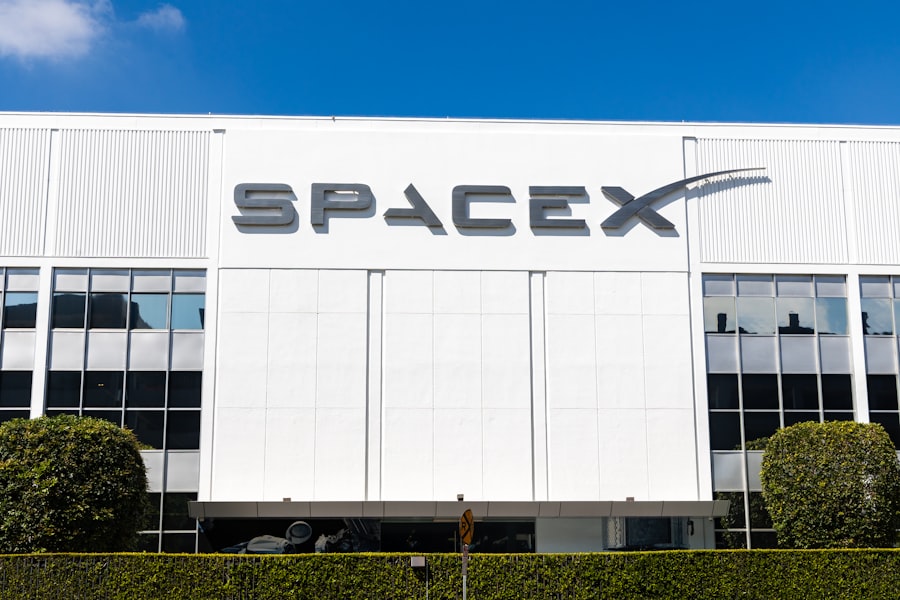
The development of fully reusable launch vehicles, such as SpaceX’s Starship and its predecessors, has dramatically reduced the cost of access to space. This is akin to making transportation significantly cheaper by allowing vehicles to be used multiple times.
Cost Reduction and Increased Launch Cadence
Reusability allows for a significant reduction in the cost per launch, making space more accessible for scientific missions, satellite deployments, and potentially future space tourism. This also enables a higher frequency of launches.
Lunar and Martian Exploration and Habitation
There is renewed focus on returning humans to the Moon and establishing a sustained presence, as a stepping stone for eventual missions to Mars.
Lunar Bases and Resources
The lunar surface offers potential resources, such as water ice, which could be used for life support and as rocket propellant. Establishing lunar bases would require advancements in construction techniques, robotics, and in-situ resource utilization (ISRU).
Martian Colonization
Long-term human missions to Mars are a significant undertaking, requiring solutions for life support, radiation shielding, and the ability to live and work in a hostile environment. The development of robust habitats and sustainable systems will be paramount.
Space Tourism and Private Space Stations
The commercialization of space is leading to the emergence of space tourism and the development of privately owned space stations.
Suborbital and Orbital Tourism
Companies are offering suborbital flights that provide brief periods of weightlessness, and are working towards orbital tourism experiences. This opens up space travel to a wider audience, albeit at a significant cost.
Commercial Space Stations
Private entities are developing their own space stations to serve a variety of purposes, including research, manufacturing, and tourism, offering an alternative to government-led space infrastructure.
Asteroid Mining and Resource Utilization
The vast mineral wealth of asteroids presents an opportunity for future resource extraction.
Challenges and Opportunities
While technically challenging, asteroid mining could provide valuable resources for space-based construction and potentially even for use on Earth. This remains a long-term prospect, requiring significant technological advancements.
Search for Extraterrestrial Life
Aerospace science plays a crucial role in the ongoing search for life beyond Earth.
Advanced Telescopes and Probes
New generations of space telescopes, capable of analyzing exoplanet atmospheres for biosignatures, and sophisticated probes designed to search for microbial life on Mars and icy moons, are key components of this endeavor. The universe may be a vast library, and we are developing increasingly sophisticated tools to read its books.
The future of aerospace science is a dynamic and interconnected tapestry. The pursuit of faster, more efficient, and sustainable travel through our atmosphere and into the cosmos is driven by a relentless spirit of innovation. From the subtle engineering of lighter aircraft wings to the grand ambition of interplanetary settlements, the advancements unfolding today are not just incremental steps, but rather leaps that will redefine humanity’s presence in the universe.