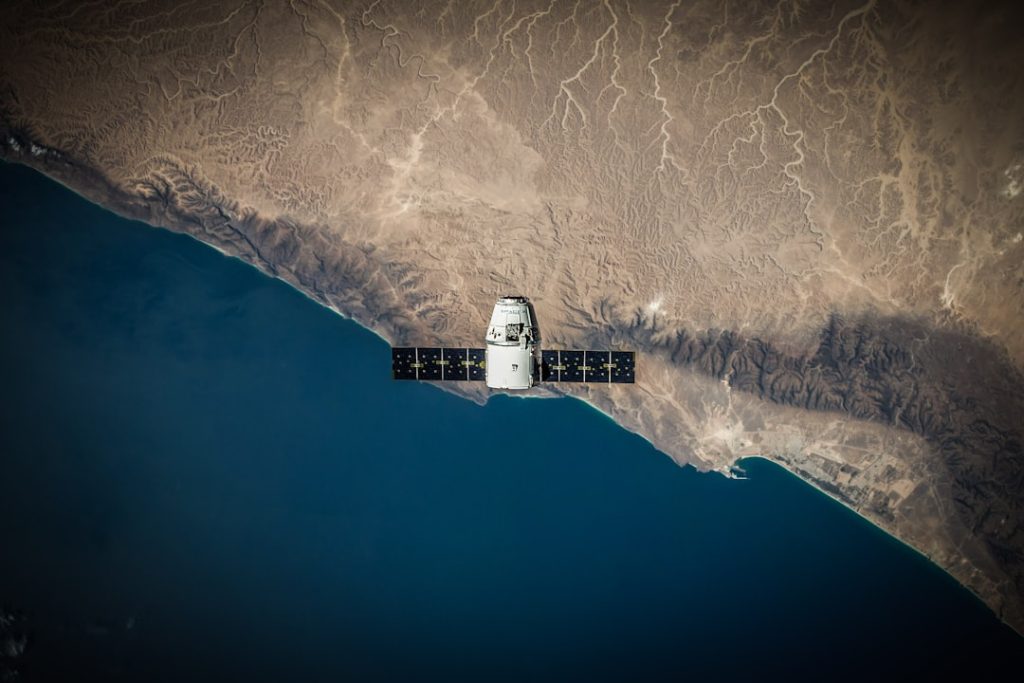
The future of aerospace technology is defined by a relentless pursuit of greater efficiency, accessibility, and capability. This evolving landscape is not merely about building faster or higher; it involves fundamentally reimagining how we interact with the atmosphere and beyond. The current trajectory suggests a convergence of digital innovation, advanced materials science, and refined engineering principles, paving the way for transformative applications that were once relegated to science fiction.
At the heart of any aerospace endeavor lies its propulsion system. The quest for more efficient, cleaner, and more powerful engines is a constant driver of innovation. Traditional jet engines, while remarkably sophisticated, are reaching their theoretical limits in terms of fuel efficiency and emissions reduction. The future likely holds a diverse range of propulsion technologies, each suited to different applications.
Advanced Jet Engine Architectures
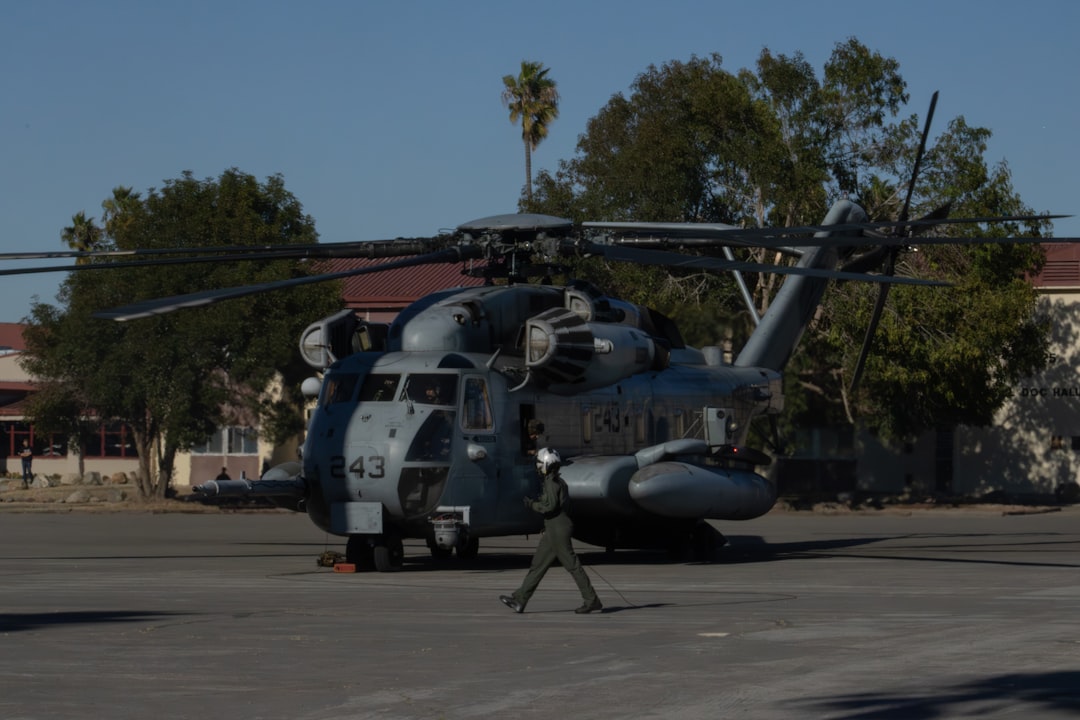
The evolution of the gas turbine engine is far from over. Engineers are pushing the boundaries with concepts like geared turbofans, which allow the fan and the core engine to operate at their optimal speeds independently. This leads to significant improvements in fuel burn and noise reduction. Further advancements are being explored through open rotor designs, which expose the fan blades to the airflow, offering even greater efficiency gains, albeit with acoustic challenges that need to be addressed. Materials science plays a crucial role here, with the widespread adoption of ceramic matrix composites allowing for higher operating temperatures and thus increased thermodynamic efficiency. These advanced materials are like allowing the engine to digest hotter fuel, squeezing more energy out of every drop.
Electric and Hybrid-Electric Propulsion
The electrification of transport, a dominant trend in land-based vehicles, is also making significant inroads into aerospace. While the energy density of batteries remains a challenge for large, long-haul aircraft, hybrid-electric and fully electric propulsion systems are poised to revolutionize shorter-range aviation.
Battery Technology Evolution
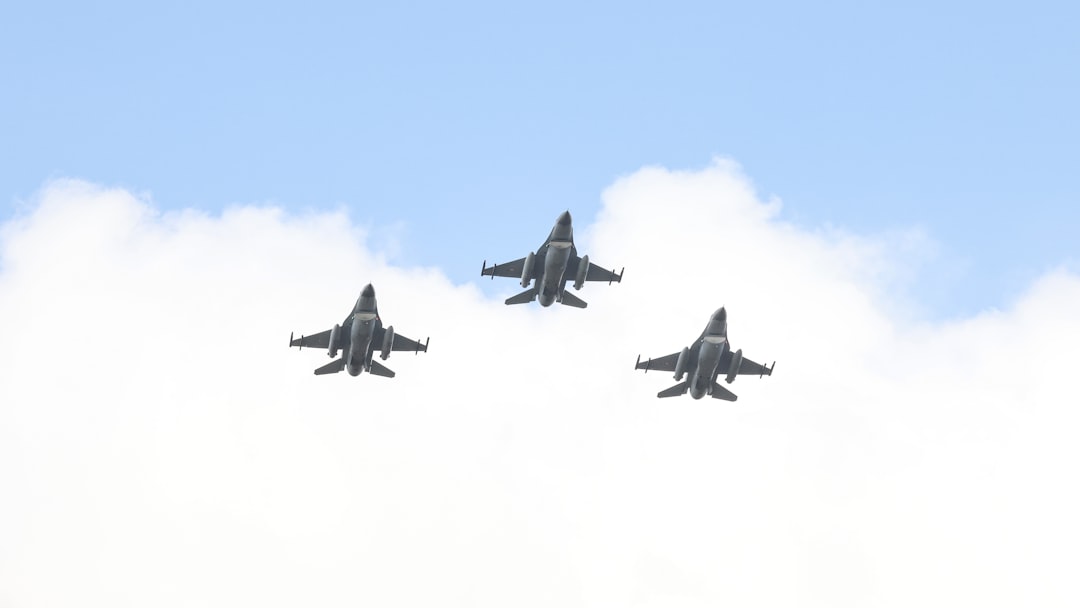
The development of lighter, more energy-dense batteries is the linchpin for electric flight. Advancements in lithium-ion battery chemistry, coupled with emerging technologies like solid-state batteries, hold the promise of significantly increasing the range and payload capacity of electric aircraft. The challenge is akin to trying to power a marathon runner with a thimble of water; the energy stored per unit of weight needs to increase dramatically.
Hybrid-Electric Architectures
Hybrid-electric systems offer a pragmatic stepping stone, combining the range of combustion engines with the efficiency and reduced emissions of electric motors. These systems can be configured in various ways, such as using electric motors for takeoff and landing, where fuel efficiency is most critical, and a combustion engine for cruise. Alternatively, a combustion engine can act as a generator to power electric motors throughout the flight. This hybrid approach acts as a bridge, allowing the industry to leverage existing infrastructure and expertise while gradually transitioning to more sustainable solutions.
Alternative Fuels and Hydrogen Propulsion
Beyond electrification, the search for sustainable alternatives to conventional jet fuel is intensifying.
Sustainable Aviation Fuels (SAFs)
Sustainable Aviation Fuels, derived from sources like used cooking oil, agricultural waste, and algae, offer a drop-in solution that can be used in existing aircraft with minimal modifications. While still facing scalability and cost challenges, SAFs are a critical component of near-to-medium term decarbonization strategies. They are like borrowing energy from nature’s recycling system.
Hydrogen as a Fuel Source
Hydrogen presents a more radical, albeit potentially more transformative, pathway to zero-emission flight. Hydrogen can be combusted directly in modified jet engines or used in fuel cells to generate electricity to power electric motors. The primary challenges for hydrogen are storage – it requires significant volume, even when liquefied – and the development of appropriate infrastructure. Nevertheless, its zero-emission byproduct (water) makes it a highly attractive long-term prospect.
Autonomous Systems and Unmanned Aerial Vehicles (UAVs)
The proliferation of unmanned aerial vehicles, commonly known as drones, is fundamentally altering the aerospace landscape. From military reconnaissance to agricultural surveying and package delivery, UAVs are demonstrating unparalleled versatility and efficiency. This trend is set to accelerate with advancements in artificial intelligence and sensor technology.
Enhanced Autonomy and AI Integration
The next generation of UAVs will feature significantly enhanced autonomy, capable of operating with minimal human intervention in complex and dynamic environments. Artificial intelligence is the brain that allows these machines to perceive, reason, and act. Machine learning algorithms are being trained to identify objects, navigate challenging terrain, and adapt to unexpected situations, transforming them from mere flying cameras into sophisticated operational assets.
Beyond Commercial Drone Applications
The applications of autonomous systems extend far beyond the current commercial drone market. We can anticipate autonomous cargo aircraft for long-haul freight, air taxis for urban mobility, and sophisticated robotic systems for space exploration and maintenance. The ability of these systems to operate tirelessly and without human risk opens up new frontiers.
Regulatory Frameworks and Airspace Integration
A critical challenge for the widespread integration of autonomous systems is the development of robust regulatory frameworks and effective airspace management systems. This is akin to building traffic rules for a whole new dimension of travel. Ensuring safety and security while enabling innovation requires careful consideration of certification standards, certification processes, and air traffic control protocols that can accommodate a high volume of autonomous vehicles.
Advanced Materials and Manufacturing
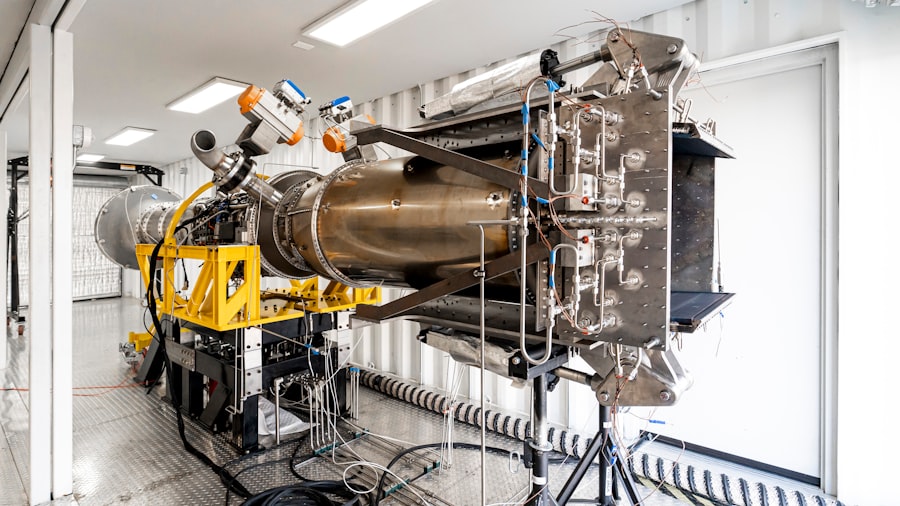
The materials used in aircraft construction have always been a key determinant of performance. Lighter, stronger, and more durable materials enable greater fuel efficiency, increased payload capacity, and enhanced safety.
Composites and Their Evolution
Carbon fiber reinforced polymers (CFRPs) have become ubiquitous in modern aircraft, offering a superior strength-to-weight ratio compared to traditional aluminum alloys. Ongoing research focuses on improving the manufacturing processes for composites, reducing costs, and developing new composite structures that are even lighter and more resilient. The development of self-healing composites, which can repair minor damage autonomously, is also a promising area of research.
Additive Manufacturing (3D Printing)
Additive manufacturing, or 3D printing, is revolutionizing aerospace manufacturing by enabling the creation of complex geometries and integrated components that were previously impossible or prohibitively expensive to produce. This technology allows for rapid prototyping, on-demand part production, and the use of novel material combinations. Imagine a craftsman who can conjure intricate designs directly from raw material with the flick of a digital switch.
Design Freedom and Part Consolidation
3D printing liberates designers from many of the constraints of traditional manufacturing. Complex internal structures, such as cooling channels within engine components, can be printed directly, leading to improved performance and efficiency. Furthermore, multiple traditionally manufactured parts can be consolidated into a single printed component, reducing assembly time, weight, and potential points of failure.
On-Orbit Manufacturing and Repair
The application of additive manufacturing extends to space. The ability to manufacture or repair components in orbit using 3D printing could significantly reduce the cost and complexity of space missions, enabling more ambitious exploration and infrastructure development.
Space Exploration and Commercialization
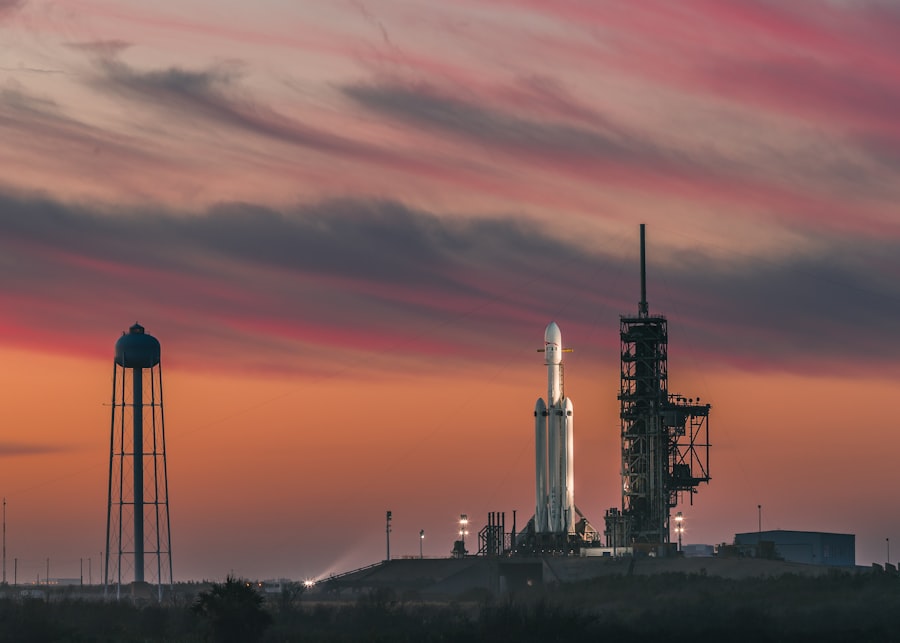
The final frontier, space, is experiencing a renaissance driven by both governmental ambitions and a burgeoning commercial sector. The future promises more frequent and accessible space travel, resource utilization, and a greater human presence beyond Earth.
Reusable Launch Vehicles and Cost Reduction
The advent of reusable rocket technology, pioneered by companies like SpaceX, has dramatically reduced the cost of accessing space. This reusability is not just a clever engineering trick; it’s a fundamental shift, like turning single-use tools into durable, multi-use implements. This cost reduction is a critical enabler for a wide range of downstream activities.
Lowering the Barrier to Entry
The reduced cost of launch services is democratizing space access, allowing smaller companies, research institutions, and even individuals to pursue space-based ventures. This is leading to an explosion of innovation in areas like satellite constellations for global internet coverage, Earth observation for environmental monitoring, and in-space manufacturing.
Lunar and Martian Colonization Initiatives
Ambitious plans for lunar bases and eventual human settlements on Mars are gaining momentum. These endeavors will require breakthroughs in life support systems, in-situ resource utilization (ISRU), and advanced propulsion technologies for deep space travel. The logistical challenges are immense, akin to establishing a new civilization on a distant and unforgiving continent.
In-Situ Resource Utilization (ISRU)
The ability to extract and utilize resources found on the Moon and Mars – such as water ice for life support and rocket propellant, and minerals for construction – is crucial for long-term sustainability. ISRU significantly reduces the amount of mass that needs to be launched from Earth, making these missions more feasible.
Space Tourism and Deep Space Ventures
The concept of space tourism is becoming a reality, with suborbital flights already a offering. The future may see orbital hotels and even extended stays on the Moon or in orbit around Earth. Furthermore, commercial entities are increasingly involved in deep space exploration, partnering with governments to achieve ambitious scientific and commercial goals.
The Human Element: Training, Safety, and Accessibility
| Metric | Value | Unit | Description |
|---|---|---|---|
| Global Aerospace Market Size | 838 | billion | Estimated market value in 2023 |
| Annual Aircraft Production | 1,200 | units | Commercial and military aircraft produced worldwide |
| Average Aircraft Fuel Efficiency | 0.03 | gallons per seat mile | Fuel consumption per seat per mile flown |
| Space Launches per Year | 150 | launches | Number of orbital launches globally |
| Commercial Aircraft Fleet Size | 25,000 | aircraft | Total number of commercial aircraft in service |
| R&D Spending in Aerospace | 35 | billion | Annual research and development expenditure |
| Average Aircraft Cruise Speed | 560 | mph | Typical cruising speed of commercial jets |
While technology drives progress, the human element remains paramount. The future of aerospace will also be shaped by how we train future professionals, ensure the safety of increasingly complex systems, and make air and space travel more accessible to a wider population.
Advanced Pilot Training Simulators
The sophistication of flight simulators has advanced dramatically, providing pilots with increasingly realistic training environments. These simulators are crucial for training on new aircraft systems, handling emergency procedures, and preparing for autonomous operations. They act as virtual proving grounds, allowing for risk-free practice of dangerous scenarios.
Enhanced Safety Protocols and AI in Operations
The integration of artificial intelligence is extending to safety systems, with AI-powered decision support tools assisting pilots and air traffic controllers. Predictive maintenance algorithms, analyzing vast amounts of sensor data, can identify potential component failures before they occur, proactively averting incidents. Ensuring robust cybersecurity for connected aerospace systems is also a growing imperative.
Democratizing Access to Flight
The dream of flight, once exclusive, is gradually becoming more attainable. The development of lighter, more affordable aircraft, coupled with advanced training methods, has the potential to broaden participation in aviation. This includes not only professional pilots but also recreational flyers and operators of specialized aerial vehicles. The goal is to make the skies a more inclusive domain.
The trajectory of aerospace technology is a testament to human ingenuity and the persistent desire to explore, connect, and expand our horizons. The future is not a destination but a continuous evolution, driven by innovation, collaboration, and a clear-eyed assessment of the challenges and opportunities that lie ahead.