
Goodrich Aerospace, now a part of Collins Aerospace following its acquisition by United Technologies Corporation (UTC) in 2012, was a prominent American company known for its significant contributions to the aerospace industry. Its legacy is one of continuous innovation and the development of critical systems that underpinned aircraft safety, performance, and efficiency for decades. The company’s historical trajectory demonstrates a persistent drive to solve the complex engineering challenges inherent in flight, acting as a vital cog in the machinery of modern aviation.
Goodrich Aerospace was not a monolithic entity that sprung into existence fully formed. Its roots delve deep into the history of American manufacturing, initially as a tire and rubber company. The B.F. Goodrich Company, founded in 1870, laid the groundwork, and its eventual diversification into aerospace marked a pivotal moment. This evolution was not immediate but rather a gradual process of recognizing and capitalizing on emergent technological needs.
Early Diversification and Military Contracts
The early 20th century, a period of rapid technological advancement, presented opportunities for established manufacturers to apply their expertise to new fields. Goodrich’s initial foray into aviation was connected to its core competencies, particularly in materials science and rubber products. Aircraft of that era still relied on pneumatic tires, a direct extension of Goodrich’s existing business. This was the initial stepping stone, a logical extension of their existing capabilities.
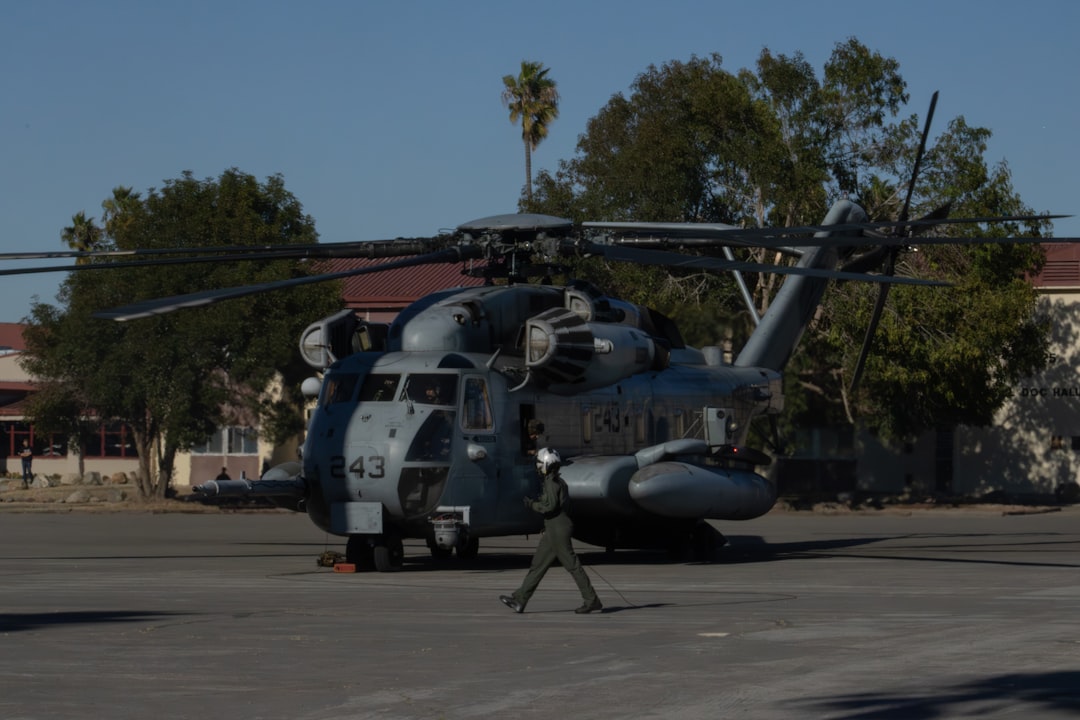
A more significant turn towards aerospace occurred during periods of heightened global conflict. World War II, in particular, spurred unprecedented demand for military aircraft and their components. Goodrich responded by developing specialized aircraft tires, de-icing systems, and hydraulic components. These early contributions were crucial for the operational readiness of Allied air forces, demonstrating the company’s ability to adapt and deliver under pressure. This period acted as a crucible, forging Goodrich’s capabilities in a demanding environment.
Post-War Growth and Civilian Aviation
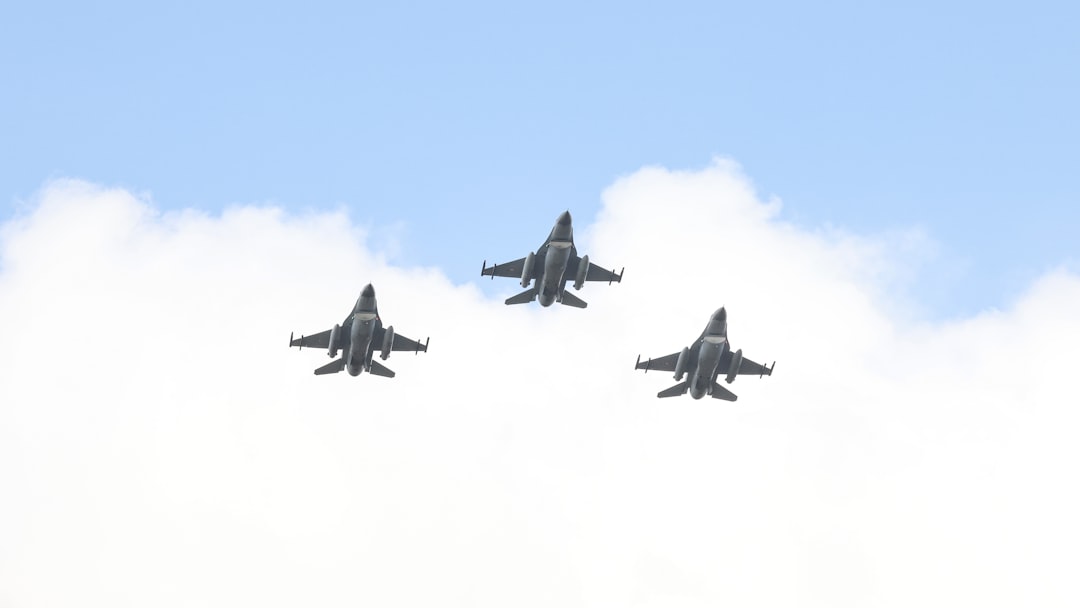
Following World War II, the aerospace industry entered a new phase characterized by the expansion of commercial air travel. Goodrich was well-positioned to capitalize on this growth. The company continued to refine its existing product lines and began to explore new areas. The demand for smoother, quieter, and more fuel-efficient aircraft created a fertile ground for innovation.
The company’s strategic acquisitions over the years also played a significant role in its expansion and diversification. By integrating companies with complementary technologies and expertise, Goodrich broadened its portfolio and strengthened its position in key aerospace markets. This was akin to adding new tools to a craftsman’s toolbox, each enhancing his ability to create more sophisticated works.
The “Goodrich Aerospace” Identity
The formalization of the “Goodrich Aerospace” identity reflected a deliberate strategy to consolidate and market its diverse aviation-related businesses under a unified banner. This allowed the company to present a more cohesive and powerful presence to its customers in the commercial and military aviation sectors. It was a signal to the market that Goodrich was a comprehensive solutions provider, not merely a supplier of individual components.
Product Portfolio and Technological Contributions
Goodrich Aerospace’s impact on aviation is best understood through the breadth and depth of its product portfolio. The company was a major player in developing and manufacturing systems that are indispensable to the functioning of modern aircraft. These weren’t flashy new aircraft designs, but rather the often-unseen, yet essential, “nervous system” and “circulatory system” of an airplane.
Aerostructures and Landing Gear
Goodrich was a significant provider of aerostructures, including wing components, fuselage sections, and engine nacelles. These large, complex assemblies required advanced design, manufacturing, and materials expertise. Furthermore, the company was renowned for its leadership in landing gear systems. These critical components, responsible for absorbing the immense forces of takeoff and landing, are a testament to Goodrich’s engineering prowess. Designing landing gear is a delicate dance between immense strength and precise control, a challenge Goodrich mastered.
Propulsion and Nacelle Systems
The company played a vital role in the development and manufacturing of engine nacelles and thrust reversers. These components are crucial for aerodynamic efficiency, noise reduction, and the safe deceleration of aircraft. Goodrich’s nacelle systems were found on a wide range of commercial and military aircraft, contributing to improved performance and reduced environmental impact. The nacelle is the aerodynamic shroud that guides airflow around the engine; it’s an elegant integration of form and function.
Air Systems and Ice Protection
Goodrich was a key supplier of various air management systems, including air cycle machines for cabin pressurization and environmental control. Additionally, its ice protection systems, which prevent ice buildup on critical aircraft surfaces, were vital for flight safety, particularly in challenging weather conditions. These systems act as the aircraft’s immune system, defending it against the harsh realities of the atmosphere.
Electrical and Electronic Systems
The company also contributed significantly to the development and manufacture of electrical power generation and distribution systems, as well as various electronic components and actuators. As aircraft became increasingly sophisticated, the complexity and criticality of their electrical and electronic systems grew exponentially, and Goodrich was at the forefront of meeting these demands.
Innovation and Research & Development
A defining characteristic of Goodrich Aerospace was its sustained commitment to research and development. The company understood that standing still in the aerospace industry was equivalent to falling behind. Its R&D efforts were the engine that drove its continuous improvement and the creation of next-generation technologies. This was not about incremental changes; it was about reimagining possibilities.
Advanced Materials and Manufacturing Techniques
Goodrich invested heavily in exploring and implementing advanced materials, such as composites, and developing sophisticated manufacturing techniques. This allowed for the creation of lighter, stronger, and more durable aircraft components, leading to improvements in fuel efficiency and overall aircraft performance. The push for lighter yet stronger materials is a constant theme in aviation, a quest for the perfect balance.
Flight Control Systems and Actuation
The company was a leader in the development of advanced flight control systems and electro-mechanical actuation. These systems are the “muscles” of an aircraft, allowing pilots and autopilots to precisely control its movements. Goodrich’s innovations in this area contributed to enhanced maneuverability, stability, and safety. The precision required in flight control is akin to performing surgery in mid-air.
Fuel Efficiency and Environmental Technologies
Recognizing the growing importance of fuel efficiency and environmental sustainability, Goodrich focused R&D efforts on developing technologies that reduced fuel consumption and emissions. This included aerodynamic improvements, more efficient engine components, and systems for noise reduction. This focus was not just about compliance but about proactive leadership in addressing global concerns.
Collaboration and Partnerships
Goodrich actively engaged in collaborations and partnerships with aircraft manufacturers, research institutions, and other industry players. These alliances fostered innovation by sharing knowledge, resources, and expertise, accelerating the development and adoption of new technologies. This collaborative approach was a strategy to broaden the reach of their innovations.
Impact and Legacy
The legacy of Goodrich Aerospace is woven into the fabric of modern aviation. The company’s technologies and products have played a critical role in the safety, efficiency, and accessibility of air travel for millions of people worldwide. Its contributions are not always visible to the end-user but are fundamental to the experience of flight.
Enhancing Aircraft Safety
Goodrich’s unwavering focus on safety is perhaps its most enduring legacy. From robust de-icing systems to reliable landing gear and sophisticated environmental controls, their products have been instrumental in preventing accidents and ensuring the well-being of passengers and crew. The cumulative effect of countless small, reliable systems constitutes the grand edifice of aviation safety.
Driving Aviation Efficiency
Through continuous innovation in areas like aerodynamics, propulsion, and lightweight materials, Goodrich contributed significantly to improving the fuel efficiency of aircraft. This not only reduced operating costs for airlines but also had a positive impact on the environmental footprint of air travel. The pursuit of efficiency is a Marathon, not a sprint, with each innovation building on the last.
Enabling Technological Advancements
The solutions developed by Goodrich Aerospace often served as foundational technologies for the next generation of aircraft. Their work in areas like fly-by-wire systems and advanced materials paved the way for more capable and sophisticated aircraft designs. They provided the building blocks upon which future aviation marvels were constructed.
Post-Acquisition Integration
The acquisition of Goodrich by UTC and its subsequent integration into Collins Aerospace marked a new chapter. However, the spirit of innovation and the technological contributions of Goodrich continue to influence the direction of the aerospace industry under the Collins Aerospace brand. The DNA of Goodrich’s technological prowess was not erased but rather integrated into a larger, evolving organism.
Challenges and Adaptations
| Metric | Value | Notes |
|---|---|---|
| Company Name | Goodrich Aerospace | Former aerospace manufacturing company |
| Founded | 1870 | Originally Goodrich Corporation |
| Headquarters | Charlotte, North Carolina, USA | Before acquisition |
| Industry | Aerospace and Defense | Focus on aircraft systems and components |
| Key Products | Landing gear, actuation systems, avionics | Major aerospace components |
| Employees | ~23,000 (2011) | Approximate number before acquisition |
| Revenue | ~7.5 billion (2011) | Annual revenue before acquisition |
| Acquisition | United Technologies Corporation (UTC) | Acquired in 2012 |
| Post-Acquisition Brand | Collins Aerospace | Goodrich merged into Collins Aerospace |
Like any company operating in a dynamic and technologically demanding sector, Goodrich Aerospace faced its share of challenges. Navigating economic downturns, intense competition, and evolving regulatory landscapes required constant adaptation and a strategic vision.
Economic Cycles and Defense Spending
The aerospace industry is sensitive to economic cycles and fluctuations in defense spending. Goodrich, with its significant presence in both commercial and military aviation, had to maneuver through periods of reduced investment and adapt its strategies accordingly. The ebb and flow of global economies and geopolitical events directly impacted demand.
Regulatory Compliance and Safety Standards
Adhering to stringent safety regulations and evolving industry standards was a constant imperative. Goodrich invested heavily in ensuring its products met or exceeded these requirements, a testament to its commitment to responsible manufacturing. This regulatory framework acts as a guardrail, ensuring that progress does not come at the expense of safety.
Competitive Landscape
The aerospace sector is highly competitive, with numerous global players vying for market share. Goodrich had to continuously innovate and maintain a competitive edge by offering superior products and services. Staying ahead of the curve in this domain demanded a relentless pursuit of excellence.
Response to Technological Disruption
The rapid pace of technological change presented both opportunities and challenges. Goodrich had to remain agile and invest in emerging technologies to avoid obsolescence and capitalize on new market demands. This required foresight and a willingness to embrace new paradigms.
Goodrich Aerospace, through its extensive history and substantial impact, demonstrated how a commitment to engineering excellence and continuous innovation could shape an entire industry. Its journey from a tire manufacturer to a leading aerospace systems provider is a compelling narrative of American industrial ingenuity. The systems and technologies it pioneered continue to be integral to the daily operations of the global aviation fleet, a quiet but powerful testament to its enduring influence.