
Thales Aerospace is a significant player in the global aviation industry, contributing to the development and implementation of a wide range of technologies that shape modern flight. As a division of the Thales Group, a multinational technology company specializing in aerospace, defense, security, and transportation, Thales Aerospace focuses on delivering solutions that enhance aircraft performance, safety, and efficiency. Its work spans across civil and military aviation, providing critical systems and components for commercial airliners, fighter jets, helicopters, and other aerial platforms. The company’s commitment to innovation is evident in its continuous research and development efforts, aiming to push the boundaries of what is possible in aviation.
Thales Aerospace holds expertise in several key domains, forming the bedrock of its contributions to aviation. These areas are not isolated but often interweave to create comprehensive solutions for aircraft manufacturers and operators. Think of these as the fundamental building blocks upon which the edifice of modern aviation is constructed.
Avionics Systems
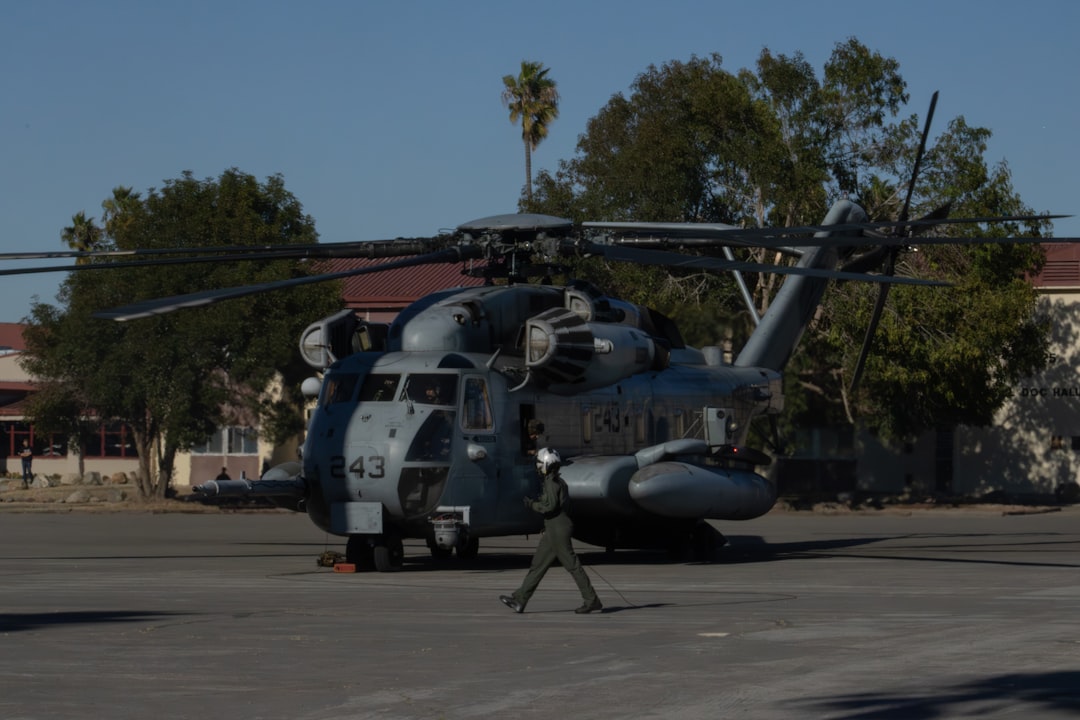
Avionics, short for aviation electronics, is a cornerstone of Thales Aerospace’s operations. This encompasses the complex electronic systems installed in aircraft that perform a multitude of functions, from navigation and communication to flight control and monitoring.
Flight Control Systems
These systems are the brains behind an aircraft’s ability to fly. Thales Aerospace develops sophisticated flight control computers and actuators that translate pilot commands or autopilot instructions into precise movements of control surfaces like ailerons, elevators, and rudders. Their designs often prioritize redundancy and reliability, ensuring that even in the event of a component failure, the aircraft remains controllable. These systems are the silent orchestrators of an aircraft’s graceful dance through the sky.
Navigation and Surveillance
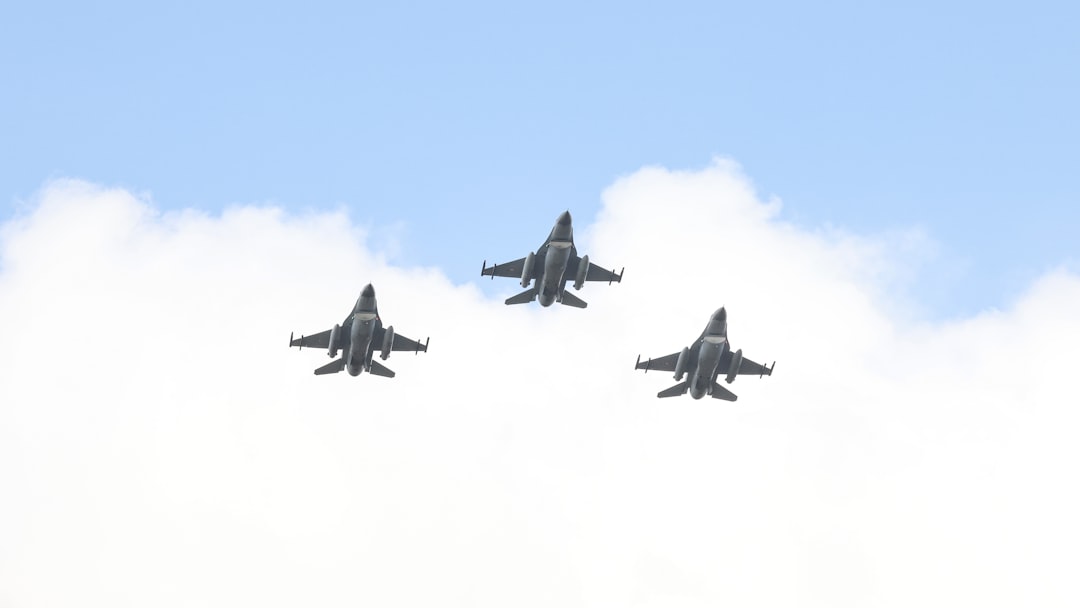
Accurate navigation is paramount for safe and efficient air travel. Thales Aerospace provides a suite of navigation systems, including Global Navigation Satellite Systems (GNSS) receivers, inertial navigation systems (INS), and radio navigation aids. For surveillance, they develop systems that enhance air traffic control’s awareness of aircraft in the airspace, such as transponders and radar systems. These technologies paint a clear picture of the aerial landscape, allowing for seamless traffic management.
Communication Systems
Effective communication is vital for coordinating air traffic and ensuring the safety of passengers and crew. Thales Aerospace offers a range of communication solutions, including airborne radio systems, data links for aircraft-to-ground and aircraft-to-aircraft communication, and satellite communication systems. These systems act as the airways’ lifelines, ensuring that vital information flows without interruption.
Mission Systems
In the realm of military aviation, Thales Aerospace’s mission systems are critical for the operational effectiveness of aircraft. These systems are designed to accomplish specific military objectives, providing aircraft with the “eyes” and “teeth” they need to perform their duties.
Radar and Electronic Warfare
Thales Aerospace is a prominent developer of airborne radar systems, used for various purposes including surveillance, targeting, and weather detection. Their expertise extends to electronic warfare (EW) systems, which are crucial for both offensive and defensive operations. EW systems can detect, identify, and neutralize enemy radar and communication signals, providing an essential layer of protection and tactical advantage. These systems often operate like a finely tuned quartet, harmonizing to achieve a collective goal.
Optronics and Sensors
Optronics systems, which combine optics and electronics, are also a key area. Thales Aerospace develops advanced infrared (IR) sensors and electro-optical (EO) systems that allow aircraft to detect targets in various conditions, including darkness and obscured visibility. These sensors provide enhanced situational awareness, acting as intelligent eyes that can pierce through atmospheric barriers.
Weapon Systems Integration
While not manufacturing weapons themselves, Thales Aerospace plays a vital role in the integration of weapon systems onto military aircraft. This involves ensuring that the aircraft’s avionics and flight control systems can seamlessly interface with and command various types of munitions, from air-to-air missiles to guided bombs. Their work here is akin to a masterful conductor ensuring all the instruments in an orchestra play in perfect harmony.
Cockpit and Cabin Systems
The environment within the cockpit and cabin directly impacts pilot performance and passenger experience. Thales Aerospace also addresses these critical aspects of aircraft design.
Cockpit Displays and Human-Machine Interface (HMI)
Modern cockpits are highly sophisticated environments. Thales Aerospace develops advanced display systems that present crucial flight information to pilots in a clear and intuitive manner. This includes multi-function displays (MFDs), head-up displays (HUDs), and flight instrument panels. The design of the Human-Machine Interface (HMI) is crucial for reducing pilot workload and enhancing decision-making capabilities. Poor HMI can be like trying to decipher a map with smudged ink; good HMI is like having a clear, well-lit path.
In-Flight Entertainment (IFE) and Connectivity
For commercial aviation, passenger comfort and connectivity are increasingly important. Thales Aerospace provides advanced In-Flight Entertainment (IFE) systems, offering a wide array of entertainment options. They also develop connectivity solutions that allow passengers to access the internet and mobile services during flight. These systems transform a long journey into a more pleasant and productive experience for travelers.
Innovation and Future Outlook
Thales Aerospace is not content with resting on its laurels; the company actively invests in research and development to anticipate and shape the future of aviation. This forward-looking approach is essential in an industry that is constantly evolving.
Digital Transformation
The aviation sector is undergoing a digital transformation, and Thales Aerospace is at the forefront of this shift. This involves leveraging digital technologies to enhance aircraft design, manufacturing, operation, and maintenance.
Big Data and AI in Aviation
The sheer volume of data generated by modern aircraft is immense. Thales Aerospace is exploring the use of big data analytics and artificial intelligence (AI) to derive valuable insights from this data. This can lead to predictive maintenance, optimizing flight paths for fuel efficiency, and enhancing pilot training through sophisticated simulations. AI in aviation can be seen as an intelligent co-pilot, capable of processing vast amounts of information to assist human decision-making.
Cybersecurity for Aviation Systems
As aircraft become more connected and reliant on digital systems, cybersecurity becomes a critical concern. Thales Aerospace is developing robust cybersecurity solutions to protect aviation systems from cyber threats, ensuring the integrity and safety of flight operations. This is like building an impenetrable fortress around the digital heart of an aircraft.
Sustainable Aviation
Environmental concerns are driving significant changes in the aviation industry, and Thales Aerospace is actively contributing to the development of more sustainable flight solutions.
Electric and Hybrid-Electric Propulsion Systems
While still largely in the research and development phase, Thales Aerospace is involved in exploring and developing components for electric and hybrid-electric propulsion systems. These technologies hold the promise of significantly reducing emissions and noise pollution from aircraft. This represents a paradigm shift, moving away from traditional combustion towards cleaner energy sources, much like the transition from horse-drawn carriages to automobiles.
Advanced Aerodynamics and Materials
Thales Aerospace’s work on new materials and advanced aerodynamic designs can contribute to improved fuel efficiency. This includes exploring lighter and stronger materials for aircraft structures and developing more aerodynamically efficient wing designs. Every kilogram saved in aircraft weight translates to reduced fuel consumption, making it a perpetual quest for lightness and efficiency, much like a marathon runner striving for peak physical condition.
Urban Air Mobility (UAM) and Future Flight Concepts
The concept of air travel within urban environments, known as Urban Air Mobility (UAM), is gaining traction. Thales Aerospace is positioning itself to be a key enabler of this nascent sector.
Air Traffic Management for UAM
Operating a high density of small, uncrewed aircraft in urban airspace presents significant air traffic management challenges. Thales Aerospace is developing innovative solutions for UAM traffic management, ensuring safe and efficient operations. This will require a sophisticated digital infrastructure, a veritable digital nervous system for urban skies.
Autonomous Flight Systems
The development of autonomous flight capabilities is a long-term goal for many aviation sectors, including UAM. Thales Aerospace is contributing to the research and development of sensors, algorithms, and control systems that will enable future aircraft to operate with a high degree of autonomy. This is about giving aircraft the intelligence to navigate and operate independently, akin to a highly trained, self-sufficient drone.
Global Presence and Partnerships

Thales Aerospace operates on a global scale, working with leading aircraft manufacturers and defense organizations worldwide. Its collaborative approach is instrumental in developing and deploying advanced aviation technologies.
Key Collaborations with Aircraft Manufacturers
Thales Aerospace is a trusted supplier and partner to major aircraft manufacturers such as Airbus and Boeing. This involves the co-development and integration of critical systems for their commercial airliners. Their contributions are found in a vast number of aircraft flying today, underscoring their integral role in the industry.
Contributions to Defense Programs
In the defense sector, Thales Aerospace supplies a wide array of systems for military aircraft, including fighter jets, transport planes, and helicopters. These partnerships are crucial for equipping national air forces with advanced capabilities.
Research and Development Initiatives
The company actively engages in research and development initiatives, often in collaboration with universities and research institutions. These collaborations help to foster innovation and explore new frontiers in aviation technology. It’s a way of planting seeds for future harvests of innovation.
Impact on Aviation Safety and Efficiency

The technologies developed by Thales Aerospace have a profound and tangible impact on the safety and efficiency of air travel, both for commercial and military operations.
Enhancing Situational Awareness
By providing advanced navigation, surveillance, and sensor systems, Thales Aerospace significantly enhances the situational awareness of pilots and air traffic controllers. This clear understanding of the surrounding environment is fundamental to preventing accidents and optimising flight paths. Better awareness is like having a panoramic view of the sky, allowing for proactive decisions.
Reducing Pilot Workload
The design of intuitive cockpit displays and intelligent automation systems aims to reduce pilot workload. By presenting information clearly and automating routine tasks, these systems allow pilots to focus on critical decision-making, especially in complex scenarios. This reduces the cognitive load on pilots, ensuring they can perform at their best when it matters most.
Improving Fuel Efficiency
Through advancements in aerodynamics, materials, and engine control systems, Thales Aerospace contributes to the development of more fuel-efficient aircraft. This has a direct impact on reducing operational costs for airlines and lowering the environmental footprint of aviation. Every percentage point of fuel saved is a victory for both economic and ecological sustainability.
Ensuring Mission Success in Defense
For military aviation, Thales Aerospace’s mission systems are critical for the success of operations. By providing advanced sensing, targeting, and electronic warfare capabilities, these systems provide aircrews with the tools necessary to achieve their objectives effectively and safely.
Conclusion
| Metric | Value | Unit | Notes |
|---|---|---|---|
| Annual Revenue | 3.5 | Billion | Estimated revenue in aerospace sector |
| Number of Employees | 15,000 | People | Global aerospace division |
| R&D Investment | 250 | Million | Annual investment in aerospace research |
| Number of Patents | 120 | Patents | Filed in aerospace technologies |
| Aircraft Systems Delivered | 500 | Units | In the last fiscal year |
| Global Market Share | 8 | Percent | In aerospace avionics and systems |
Thales Aerospace stands as a significant contributor to the ongoing evolution of aviation. Its broad portfolio of technologies, spanning from the fundamental systems that enable flight to the cutting-edge innovations shaping its future, underscores its importance. The company’s commitment to research and development, coupled with its global reach and collaborative approach, positions it to continue playing a pivotal role in advancing aviation technology for years to come. As the skies continue to transform, Thales Aerospace will undoubtedly remain a key architect of that evolution.