
The field of aerospace engineering is in a constant state of evolution, driven by the relentless pursuit of greater efficiency, speed, and sustainability. At the heart of this evolution lies the development of aerostructures – the very bones and sinews of aircraft and spacecraft. The future of aerostructures is not a distant dream but a tangible progression of materials science, manufacturing techniques, and intelligent design, poised to redefine the boundaries of flight.
The quest for lighter and stronger materials has always been a guiding star for aerostructure development. Traditional aluminum alloys, once the workhorses of aircraft construction, are increasingly being supplemented and, in some cases, replaced by a new generation of materials. These advancements are not merely incremental improvements; they represent fundamental shifts in how we build the machines that navigate our skies and beyond.
Composites Take Flight
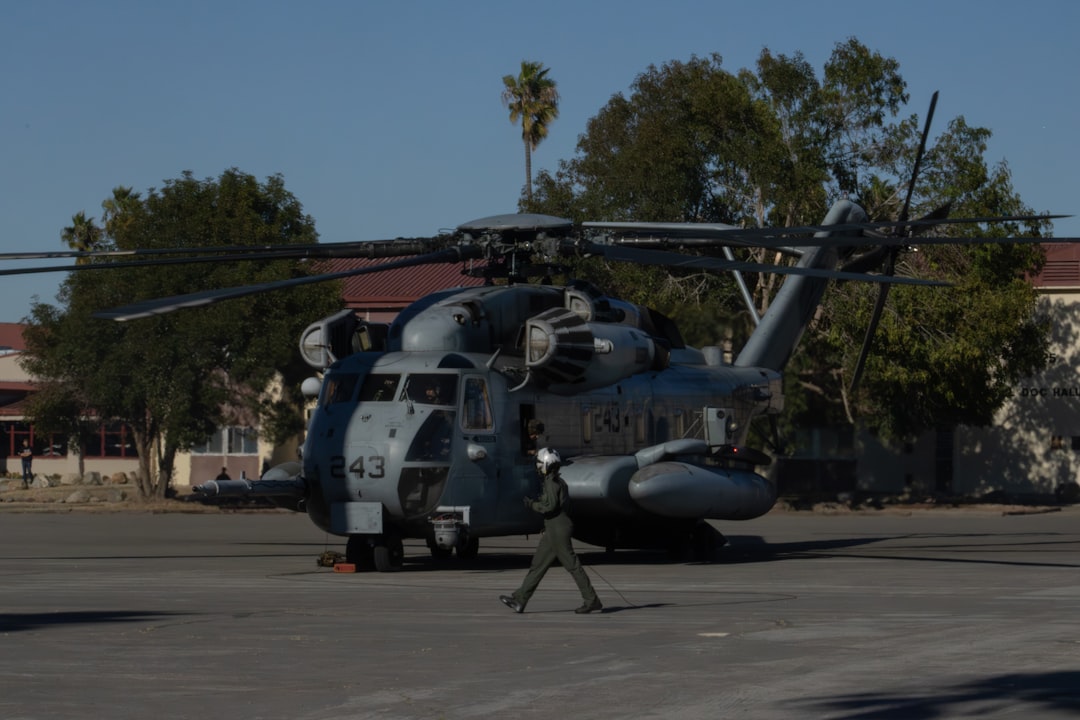
Fiber-reinforced polymer (FRP) composites, such as carbon fiber reinforced polymers (CFRPs), are no longer niche materials but mainstream components in modern aerospace. Their inherent strength-to-weight ratio is a significant advantage, allowing for substantial reductions in aircraft mass. This weight reduction translates directly into improved fuel efficiency, increased payload capacity, and longer range.
The Carbon Fiber Revolution
Carbon fiber offers exceptional tensile strength and stiffness, making it ideal for primary structural components like wings, fuselage sections, and empennages. The ability to tailor the fiber orientation and resin matrix allows engineers to design components with specific strength and flexibility characteristics, optimizing performance for different applications. The A350 XWB and the Boeing 787 Dreamliner are prime examples of how composites are reshaping large commercial aircraft, with a significant percentage of their structure being composed of these advanced materials.
Beyond Carbon Fiber: Emerging Composites
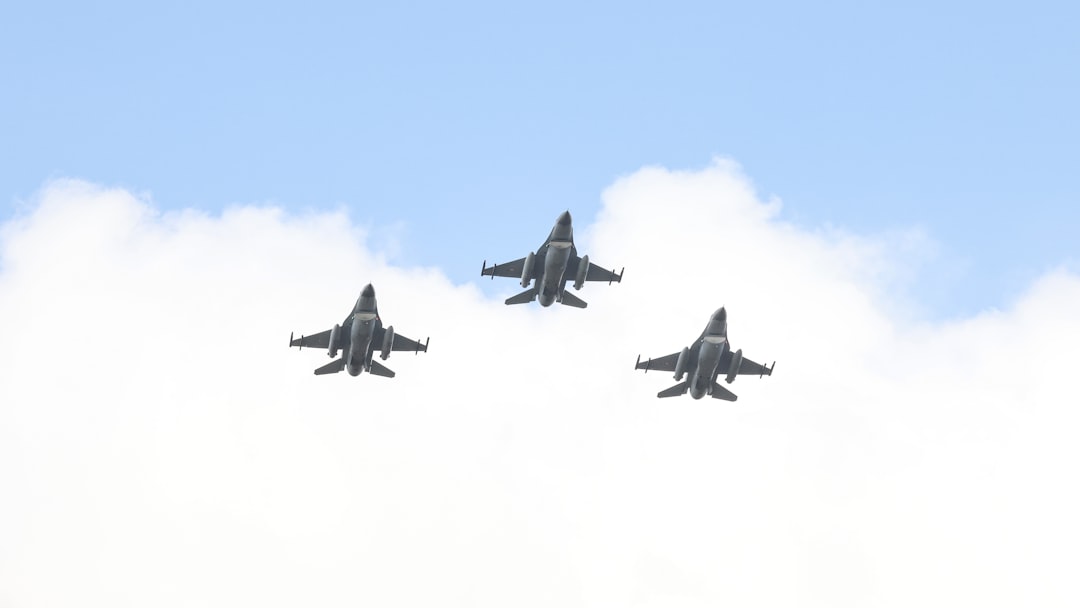
While carbon fiber dominates, research continues into other composite systems. Ceramic matrix composites (CMCs) are finding applications in high-temperature environments, such as engine components, where metals would degrade. Polymer matrix composites (PMCs) continue to see improvements in their resins and fiber reinforcements, offering enhanced durability and resistance to environmental factors.
Metals Reimagined: Additive Manufacturing and Novel Alloys
While composites are ascendant, metallic materials are not becoming obsolete. Instead, they are being revitalized through innovative manufacturing processes and the development of new alloy compositions.
Additive Manufacturing (3D Printing) for Aerostructures
Additive manufacturing, commonly known as 3D printing, is revolutionizing the way metallic components are produced. This technology allows for the creation of complex, intricate shapes that were previously impossible or prohibitively expensive to manufacture using traditional subtractive methods.
Design Freedom and Complexity
3D printing liberates design from the constraints of conventional manufacturing. Parts can be consolidated into single, monolithic structures, reducing the need for fasteners and joints, which are often points of weakness. This also enables the creation of internal lattice structures and optimized geometries that can significantly reduce weight while maintaining or even enhancing strength. For example, bracket designs can be hollowed out or latticed to shed grams, contributing to overall weight savings.
On-Demand Production and Repair
The ability to print parts on demand offers significant logistical advantages. Spare parts can be manufactured closer to the point of need, reducing inventory costs and lead times. Furthermore, 3D printing opens new avenues for in-situ repair of damaged aerostructures, potentially extending the service life of aircraft components and reducing downtime.
High-Entropy Alloys and Superalloys
Advancements in metallurgy are yielding new classes of alloys with exceptional properties. High-entropy alloys (HEAs) are a relatively new discovery, consisting of five or more principal elements in near-equimolar proportions. These alloys exhibit remarkable strength, hardness, and wear resistance, making them attractive for demanding aerospace applications. Traditional superalloys, used in jet engines for their high-temperature strength, are also seeing continuous refinement to push the boundaries of performance and reliability.
Intelligent Design and Digital Twins: Building Smarter Structures
The future of aerostructures is not just about the materials used but also about how these structures are conceived, designed, and managed throughout their lifecycle. This involves leveraging advanced computational tools and digital technologies.
Computational Design and Simulation
The use of sophisticated computer-aided design (CAD) and finite element analysis (FEA) software is paramount. These tools allow engineers to simulate the behavior of aerostructures under various loads and environmental conditions with unprecedented accuracy.
Optimized Load Paths and Stress Distribution
FEA helps identify areas of high stress concentration and allows for design modifications to optimize load paths, ensuring that forces are distributed evenly across the structure. This leads to more efficient designs that minimize material usage while maximizing structural integrity. Imagine a bridge where every beam and support is precisely calculated to bear its share of the load; FEA brings this level of precision to flight.
Multiphysics Simulation
Modern simulation capabilities extend beyond pure structural analysis. Multiphysics simulations can simultaneously account for the interplay of structural loads, thermal effects, fluid dynamics, and even electromagnetic interference. This holistic approach ensures that the designed structure will perform reliably in the complex and dynamic environments of flight.
The Rise of the Digital Twin
A digital twin is a virtual replica of a physical aerostructure, created and maintained through real-time data. This digital counterpart exists alongside its physical twin throughout the product lifecycle, from design and manufacturing to operation and maintenance.
Lifecycle Management and Predictive Maintenance
The digital twin acts as a central hub for all data related to a specific aerostructure. Sensor data from the physical component, such as strain, vibration, and temperature, is constantly fed into the digital twin. This enables continuous monitoring of the structure’s health, allowing for the prediction of potential failures before they occur. This proactive approach to maintenance, often termed predictive maintenance, can prevent catastrophic failures, reduce unscheduled downtime, and optimize maintenance schedules, leading to significant cost savings and enhanced safety.
Design Iteration and Performance Enhancement
During the design phase, digital twins can be used to rapidly iterate on design concepts, test variations, and identify the optimal solution without the need for physical prototypes. Once in operation, the data gathered by the digital twin can inform future design improvements and the development of next-generation aerostructures.
Sustainable Aerospace: Greener Skies and Beyond
Environmental considerations are increasingly shaping the direction of aerospace development. The creation of aerostructures plays a crucial role in achieving sustainability goals.
Lightweighting for Fuel Efficiency
As previously discussed, the reduction of aircraft weight through advanced materials and intelligent design is a cornerstone of sustainable aerospace. A lighter aircraft requires less fuel to fly, directly reducing greenhouse gas emissions and operational costs. This is akin to reducing the drag on a sailboat; every bit of unnecessary weight compromises its speed and efficiency.
Recyclability and Biodegradability
The aerospace industry is exploring materials and manufacturing processes that minimize environmental impact at the end of a structure’s life. This includes the development of recyclable composites and the research into biodegradable materials for certain applications, particularly in spacecraft where return to Earth might involve planetary contact.
Circular Economy Principles
Adopting circular economy principles means designing aerostructures with their entire lifecycle in mind, from cradle to grave or, ideally, cradle to cradle. This involves prioritizing materials that can be easily disassembled and recycled, reducing waste generated throughout the manufacturing and operational phases.
Bio-inspired Design for Aerodynamics
Nature has perfected aerodynamic forms over millions of years. Bio-inspired design, also known as biomimicry, seeks to replicate these natural solutions in aerostructures.
Efficient Wing Designs and Surface Treatments
For example, the study of bird wings has led to the development of more efficient wingtip designs that reduce drag. Similarly, the textured surfaces of sharkskin, which reduce drag by creating micro-turbulence, are inspiring new surface treatments for aircraft to improve aerodynamic performance.
Advanced Manufacturing Techniques: Precision and Automation
The way aerostructures are manufactured is as crucial as their design. New techniques are enabling greater precision, speed, and efficiency.
Laser-Based Technologies
Laser welding and laser cladding are emerging as precise and efficient methods for joining metallic components. These techniques offer narrow heat-affected zones, resulting in less distortion and higher-quality welds compared to traditional methods.
Precision Joining and Surface Modification
Laser-based processes allow for highly controlled deposition of material, enabling the repair of worn components or the addition of features to existing structures with exceptional accuracy. This precision is vital for maintaining the integrity and performance of critical aerospace parts.
Robotic Assembly and Automation
The increasing use of robotics and automation in assembly lines is transforming aerostructure production. Robots can perform repetitive tasks with high precision and consistency, reducing human error and increasing throughput.
Collaborative Robots (Cobots)
Collaborative robots, or cobots, are designed to work alongside human operators, augmenting their capabilities and improving efficiency. Cobots can handle heavy lifting, perform delicate assembly operations, or provide automated guidance for human workers, creating a more dynamic and productive manufacturing environment.
Hybrid Manufacturing Processes
The future of manufacturing lies in the integration of different techniques. Hybrid processes, which combine additive manufacturing with subtractive machining or other processes, offer the best of both worlds, allowing for the creation of complex geometries followed by precise finishing operations.
The Next Frontier: Hypersonics, Space Exploration, and Beyond
| Metric | Description | Typical Value / Range | Unit |
|---|---|---|---|
| Material Type | Common materials used in aerostructures | Aluminum alloys, Titanium, Composites (Carbon fiber reinforced polymers) | – |
| Weight Reduction | Percentage weight reduction achieved by using composites over metals | 20 – 30% | % |
| Structural Strength | Ultimate tensile strength of typical composite materials | 600 – 1500 | MPa |
| Fatigue Life | Number of cycles before failure under cyclic loading | 10^6 – 10^8 | cycles |
| Corrosion Resistance | Resistance to environmental degradation | High (especially composites) | – |
| Typical Thickness | Thickness of aerostructure skin panels | 1 – 5 | mm |
| Manufacturing Methods | Common fabrication techniques | Autoclave curing, Resin transfer molding, Machining, Stamping | – |
| Inspection Techniques | Non-destructive testing methods | Ultrasonic testing, X-ray, Thermography, Eddy current | – |
The demands of future aerospace endeavors are pushing the boundaries of aerostructure technology even further.
Hypersonic Flight Vehicles
Hypersonic vehicles, capable of traveling at speeds exceeding Mach 5, present unique challenges for aerostructures. The extreme temperatures generated by air friction at these speeds require materials that can withstand immense heat and pressure.
Thermal Protection Systems
Advanced ceramic matrix composites (CMCs) and specialized metallic alloys are being developed and tested for their ability to function in these harsh thermal environments. The design of leading edges, control surfaces, and engine inlets for hypersonic vehicles is a critical area of research.
Spacecraft Structures for Deep Space Missions
As humanity ventures further into space, spacecraft aerostructures must become more robust, lightweight, and self-sufficient.
In-Situ Resource Utilization (ISRU)
The concept of using local resources on other celestial bodies for construction and repair is a long-term goal. This could involve printing structures from regolith or other extraterrestrial materials, significantly reducing the mass that needs to be launched from Earth.
Deployable and Inflatable Structures
For missions requiring large surface areas, such as solar arrays or habitats, deployable and inflatable structures offer a lightweight and compact solution for transportation. These structures can be expanded once in space, providing the necessary functionality.
Reusable Launch Vehicles and Spaceplanes
The aerospace industry is embracing reusability as a means to dramatically reduce the cost of space access. This places a significant demand on aerostructures to withstand multiple launch and re-entry cycles.
Advanced Thermal and Structural Load Management
Reusable launch vehicles and spaceplanes experience intense thermal and structural loads during re-entry. Aerostructures for these vehicles must be designed for extreme durability and resilience, incorporating advanced thermal protection systems and robust structural designs that can endure repeated stress. The development of materials and designs that can self-heal or be easily repaired after each mission is a key area of ongoing research and development. The evolution of aerostructures is a continuous narrative, written by innovation and driven by the enduring human desire to explore the possibilities of flight.