
Aerospace fasteners are critical components used in the construction and maintenance of aircraft and spacecraft. They serve as the connective tissue that holds together the complex assemblies of these vehicles, and their reliability is paramount to flight safety and operational integrity. Unlike their counterparts in general engineering, aerospace fasteners are subject to stringent design, manufacturing, and testing requirements due to the extreme conditions and unforgiving environments they must withstand.
The importance of these small but vital components cannot be overstated. They are the silent guardians of structural integrity, the unseen anchors that prevent catastrophic failure. Imagine a skyscraper without its bolts and rivets; the analogy extends directly to the aerospace industry. Without fasteners, aircraft would simply be a collection of disjointed parts, incapable of generating lift, sustaining pressure, or navigating the atmosphere. This article will delve into the multifaceted role of aerospace fasteners, exploring their design considerations, material science, manufacturing processes, inspection protocols, and the overarching impact they have on aviation safety and technological advancement.
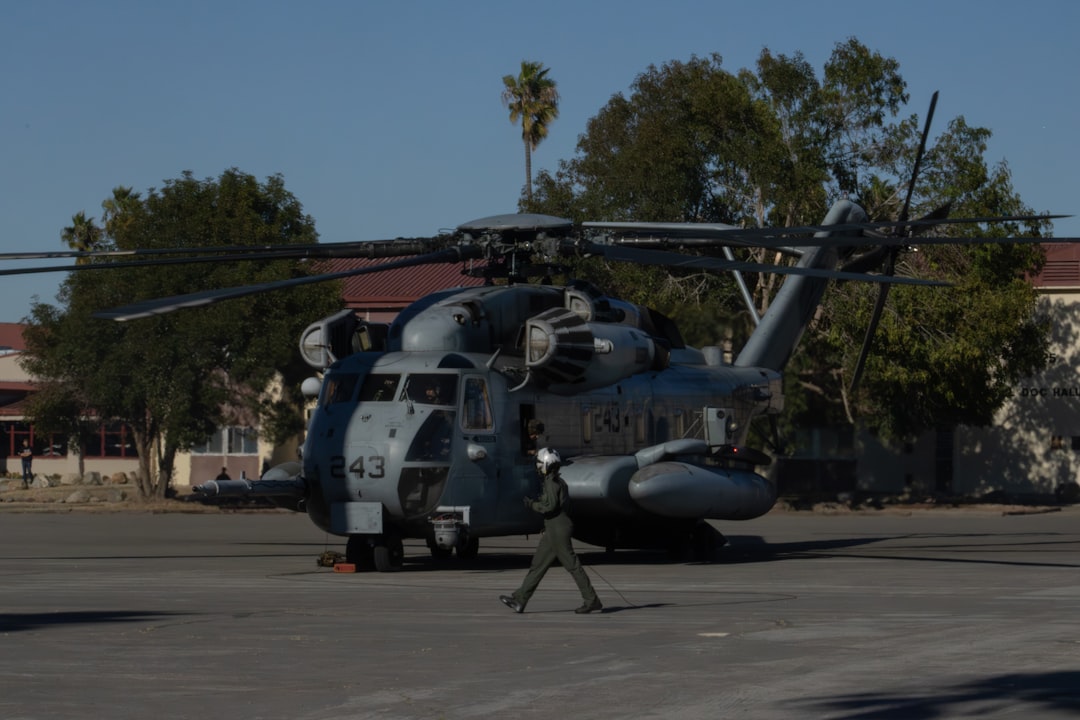
The design of an aerospace fastener is a meticulous process, driven by the need to withstand a multitude of loads and environmental factors. When you consider the forces an aircraft experiences, from the initial acceleration on the runway to the turbulent buffeting of atmospheric flight, and the subsequent landing stresses, it becomes clear that simple threaded bolts will not suffice. These forces translate into tensile (pulling apart), shear (sliding past), bending, and torsional (twisting) stresses on the fasteners.
Load Bearing Capacity and Structural Integrity
At its core, an aerospace fastener is designed to transmit loads between joined components. This requires a precise understanding of the expected operational stresses. Engineers calculate the maximum anticipated loads during all phases of flight, including normal operations, emergency maneuvers, and potential failure scenarios. The fastener’s size, material strength, and thread engagement are all engineered to exceed these predicted loads by a significant safety margin.
Environmental Considerations: Temperature, Corrosion, and Vibration
The aerospace environment is far from benign. Fasteners must endure extreme temperature fluctuations, from the frigid altitudes of cruising flight to the heat generated by engines and aerodynamic friction. This necessitates materials that maintain their mechanical properties across a wide thermal range. Corrosion is another persistent threat, particularly in aircraft exposed to moisture, de-icing fluids, and salt spray. Therefore, materials and coatings are selected to resist degradation.
Vibration is an omnipresent force in aircraft. The constant hum of engines and the passage through air create a cacophony of vibrations that can loosen conventional fasteners over time. Aerospace fastener designs incorporate features to mitigate this risk, such as lock washers, self-locking threads, and safety wire provisions, essentially creating a robust locking mechanism that resists the incessant jiggling of flight.
Fatigue Life and Creep Resistance
Aircraft structures are subjected to repeated cycles of loading and unloading throughout their service life. This cyclic stress can lead to fatigue, a phenomenon where a material weakens and eventually fails under stresses that would be well within its static strength limits. Aerospace fasteners are designed and tested to exhibit high fatigue resistance, ensuring they can endure millions of stress cycles without succumbing to fatigue cracks.
Creep, the tendency of a solid material to deform permanently under sustained mechanical stress, is also a concern, particularly at elevated temperatures. While not as prevalent as fatigue in typical airframes, fasteners near engines or other hot sections must be selected for their creep resistance to maintain their integrity and load-carrying capability over time.
The Anatomy of Strength: Materials for Aerospace Fasteners
The choice of material is fundamental to the performance of any aerospace fastener. The demanding requirements of the aerospace industry necessitate materials that offer exceptional strength-to-weight ratios, high temperature resistance, and superior corrosion resistance. These materials are not chosen lightly, but rather through rigorous material science research and extensive testing.
High-Strength Alloys: The Backbone of Reliability
Many aerospace fasteners are manufactured from high-strength steel alloys. These include:
- Chromium-Molybdenum Steels (e.g., 4130, 4140): These alloys offer a good balance of strength, toughness, and heat treatability, making them suitable for a wide range of structural fasteners.
- Nickel-Chromium-Molybdenum Steels (e.g., 4340): These provide even higher strength and toughness, often used in critical load-bearing applications.
- Precipitation-Hardening Stainless Steels (e.g., 17-4 PH, 15-5 PH): These materials combine the corrosion resistance of stainless steel with the high strength achievable through heat treatment. They are commonly used where both strength and corrosion resistance are critical.
Titanium Alloys: The Lightweight Powerhouses
Titanium alloys represent a significant advancement in aerospace fastener technology. Their key advantages are:
- Exceptional Strength-to-Weight Ratio: Titanium is approximately 45% lighter than steel but possesses comparable or superior strength. This is crucial in aerospace, where every kilogram saved translates to improved fuel efficiency and payload capacity.
- Excellent Corrosion Resistance: Titanium forms a stable, protective oxide layer that makes it highly resistant to corrosion in various environments, including marine and atmospheric conditions.
- High-Temperature Performance: Certain titanium alloys can withstand elevated temperatures, making them suitable for applications near engines or in supersonic aircraft. Common aerospace titanium alloys include Ti-6Al-4V.
Aluminum Alloys: For Less Demanding Applications
While steel and titanium dominate in high-stress applications, certain aluminum alloys are utilized where load requirements are less extreme.
- High-Strength Aluminum Alloys (e.g., 2024, 7075): After heat treatment, these alloys achieve significant strength. They are lighter than steel but generally less strong and have lower temperature capabilities. They are often used in secondary structures or where weight savings are a primary concern and stresses are manageable.
Specialized Materials and Coatings
Beyond the base materials, specialized coatings are applied to enhance fastener performance.
- Cadmium Plating: Historically, cadmium plating was widely used for its excellent corrosion resistance and lubricity. However, due to environmental concerns, it is being phased out in many applications, with alternatives like zinc-nickel or specialized organic coatings gaining prominence.
- Nickel-Based Coatings: These offer superior corrosion and wear resistance at elevated temperatures.
- Dry Film Lubricants (e.g., PTFE-based): Applied to fasteners to reduce friction during installation and prevent galling, ensuring proper torque is achieved and maintained.
The Art of Precision: Manufacturing Aerospace Fasteners
The creation of an aerospace fastener is a testament to precision engineering and meticulous manufacturing processes. The tolerances are extremely tight, and the material integrity must be maintained throughout the fabrication stages. One erroneous step, one miscalculation, can have cascading consequences for flight safety.
Forging: Shaping Strength from Metal
Hot forging and cold forging are primary methods for shaping fastener blanks.
- Hot Forging: The metal is heated to a sufficiently high temperature to become malleable and then shaped under immense pressure. This process refines the grain structure of the metal, leading to increased strength and toughness.
- Cold Forging: Performed at or near room temperature, this method achieves tighter tolerances directly from the shaping process and can enhance material properties through work hardening. It is often used for smaller fasteners or where specific surface finishes are required.
Many aerospace fasteners, particularly those requiring high strength and intricate shapes, begin their life as forgings.
Machining: Unveiling the Final Form
Following forging or as a primary forming method for certain components, machining plays a crucial role.
- Turning and Thread Rolling: Precise turning operations shape the fastener shank and head. For threaded fasteners, thread rolling is often preferred over cutting. Thread rolling deforms the material to create the threads, which preserves the grain flow of the metal and results in threads that are stronger and more resistant to fatigue than cut threads.
- Drilling and Countersinking: For fasteners that require installation flush with a surface (e.g., countersunk rivets or screws), precise drilling and countersinking operations are performed to create the necessary recess.
Heat Treatment: Unlocking Material Potential
Heat treatment is a critical step in achieving the desired mechanical properties of aerospace fastener materials.
- Quenching and Tempering: Steels are often quenched (rapidly cooled) to harden them and then tempered (reheated to a lower temperature) to reduce brittleness and improve toughness. The precise temperatures and holding times are meticulously controlled to achieve specific hardness and strength levels.
- Precipitation Hardening: For alloys like 17-4 PH stainless steel, a specific heat treatment process causes fine precipitates to form within the material matrix, significantly increasing its strength.
Surface Treatments and Coatings: The Protective Layer
After shaping and heat treatment, fasteners undergo various surface treatments.
- Cleaning and Passivation: Thorough cleaning removes any residual oils, lubricants, or contaminants. For stainless steels and titanium, passivation treatments create the protective oxide layer that enhances corrosion resistance.
- Plating and Coating Application: As discussed previously, various platings and coatings are applied to provide corrosion protection, reduce friction, or enhance wear resistance. The application process itself is critical to ensure uniform coverage and adherence.
Ensuring Trust: Inspection and Quality Control
The inherent risks associated with aviation demand an unparalleled level of scrutiny for every component, and aerospace fasteners are no exception. Robust inspection and quality control procedures are not mere formalities; they are the bedrock upon which flight safety is built. Think of these inspections as the vigilant guardians that stand between a potentially flawed component and its integration into a life-critical system.
Material Verification: The Starting Point
Before any manipulation, the raw materials used to manufacture fasteners are rigorously tested.
- Chemical Analysis: Spectroscopic techniques confirm the precise elemental composition of the alloy, ensuring it meets the specified standards (e.g., AMS, MIL-SPEC).
- Mechanical Testing: Samples from the raw material stock are subjected to tensile, hardness, and impact tests to verify their strength, toughness, and other key mechanical properties.
Dimensional Inspection: The Precision Check
Accuracy in dimensions is paramount for proper fit and function.
- Gauging and Caliper Measurements: Standard tools like calipers and micrometers are used to verify critical dimensions such as diameter, length, and head height.
- Thread Gauges: Specialized Go/No-Go gauges are used to ensure that fastener threads are within the specified tolerances, allowing for proper engagement with their corresponding nuts or tapped holes.
- Optical Comparators and Coordinate Measuring Machines (CMMs): For complex geometries or highly critical dimensions, these advanced tools provide magnified views and precise three-dimensional measurements, ensuring adherence to intricate design specifications.
Non-Destructive Testing (NDT): Uncovering Hidden Flaws
NDT methods are employed to detect internal defects without damaging the fastener.
- Dye Penetrant Inspection (PT): This method reveals surface-breaking cracks and porosity by allowing a colored or fluorescent liquid to penetrate the flaws, which is then made visible by a developer.
- Magnetic Particle Inspection (MPI): Primarily used for ferromagnetic materials (like steel alloys), MPI detects surface and near-surface flaws by observing the magnetic flux leakage patterns created by the discontinuity.
- Eddy Current Testing (ECT): This technique uses electromagnetic induction to detect surface and subsurface flaws, as well as variations in material conductivity and coating thickness. It is sensitive to cracks, seams, and other defects.
- Ultrasonic Testing (UT): High-frequency sound waves are transmitted through the fastener. The reflection and attenuation of these waves can indicate internal defects such as voids, inclusions, or delaminations.
Destructive Testing: Pushing the Limits for Assurance
While NDT is preferred for in-process and final inspection, destructive testing plays a vital role in initial material qualification and batch validation.
- Tensile Testing: Fasteners are pulled apart until they fail to determine their ultimate tensile strength and yield strength, ensuring they meet or exceed design requirements.
- Shear Testing: Fasteners are subjected to forces that try to slide them past each other to evaluate their shear strength.
- Fatigue Testing: Representative samples are subjected to cyclic loading to determine their fatigue life, a critical parameter for ensuring long-term reliability.
- Corrosion Testing: Samples are exposed to simulated harsh environments (e.g., salt spray, humidity) to evaluate their corrosion resistance over time.
The Integral Role in Aerospace Systems
| Fastener Type | Material | Typical Tensile Strength (MPa) | Corrosion Resistance | Common Applications | Weight (g per 100 units) |
|---|---|---|---|---|---|
| AN Bolt | Steel Alloy (e.g., 8740 steel) | 1100 – 1300 | High (Cadmium plated) | Structural joints, wing assemblies | 850 |
| Hi-Lok Fastener | Aluminum or Titanium | 900 – 1200 | Very High (Anodized or coated) | Fuselage panels, control surfaces | 400 |
| Cherry Lockbolt | Steel or Aluminum | 1000 – 1400 | High (Plated or coated) | Wing skins, landing gear | 950 |
| Rivet (Solid) | Aluminum Alloy (e.g., 2024-T4) | 300 – 500 | Moderate | Sheet metal fastening | 300 |
| Lock Nut | Steel Alloy | 900 – 1100 | High (Self-locking feature) | Securing bolts in vibration areas | 200 |
Aerospace fasteners are not merely isolated components; they are integral elements within complex systems, each contributing to the overall performance and, crucially, the safety of an aircraft or spacecraft. Their selection and application are dictated by the specific demands of the system they support.
Airframe Structures: The Skeletal Framework
The primary load-bearing structure of an aircraft, the airframe, relies heavily on fasteners.
- Wing and Fuselage Assembly: Rivets and bolts are used extensively to join skin panels, stringers, bulkheads, and ribs, forming the rigid skeleton that withstands aerodynamic forces.
- Landing Gear Components: Highly stressed fasteners are essential for the integrity of the landing gear, which must withstand the immense shock of landing.
- Control Surfaces: Fasteners secure the hinges and actuators for ailerons, elevators, and rudders, ensuring precise control of the aircraft.
Engine Mounts and Nacelles: Withstanding Extreme Conditions
Aviation engines generate immense power and heat, placing extreme demands on any associated fasteners.
- Engine Mount Pylons: High-strength, high-temperature fasteners are used to secure the engine to the wing or fuselage. These fasteners must resist vibration, high temperatures, and significant shear loads.
- Nacelle Structures: The coverings that house the engines utilize fasteners to maintain their aerodynamic shape and structural integrity under varying flight conditions and thermal loads.
Interior and Avionic Systems: Ensuring Functionality and Safety
Beyond the primary structure, fasteners play a role in the aircraft’s internal systems.
- Seat and Galleys: While not subjected to the same extreme stresses as structural fasteners, they must meet stringent safety regulations for fire resistance and structural integrity in case of an incident.
- Avionics Racks and Equipment: Securely mounting sensitive electronic equipment requires vibration-resistant fasteners to prevent damage and ensure operational reliability. Interior panels and access points also utilize fasteners for ease of maintenance and access.
Spacecraft and Satellites: Operating in a Vacuum and Beyond
The demands on fasteners in space are unique and often more extreme than in atmospheric flight.
- Launch Vehicle Structures: Fasteners on rockets must withstand the immense forces of launch, including acceleration, vibration, and acoustic loads, before reaching the vacuum of space.
- Satellite Components: In orbit, fasteners are exposed to extreme temperature cycles, vacuum conditions, and potential radiation. They must be designed to prevent outgassing (releasing volatile compounds in a vacuum) and maintain their integrity without the benefit of atmospheric lubrication or corrosion protection mechanisms found on Earth. Specialized materials, like certain titanium alloys and stainless steels with controlled surface treatments, are often employed.
The Future of Aerospace Fasteners: Innovation and Advancement
The aerospace industry is in a constant state of evolution, driven by the pursuit of greater efficiency, performance, and sustainability. This relentless innovation extends to the realm of fasteners, where ongoing research and development are pushing the boundaries of what is possible.
Advanced Materials: Lighter, Stronger, Smarter
The quest for lighter and stronger materials continues.
- Composite Fasteners: The increasing use of composite materials in aircraft structures has spurred the development of composite fasteners. These offer significant weight savings but require specialized design and manufacturing techniques to ensure proper load transfer and prevent delamination.
- Nanomaterials and Advanced Alloys: Research into novel alloys and the incorporation of nanomaterials is exploring ways to enhance fastener strength, fatigue resistance, and temperature capabilities even further.
Additive Manufacturing (3D Printing): Customization and Complexity
Additive manufacturing offers revolutionary possibilities for fastener design and production.
- On-Demand Manufacturing: 3D printing allows for the creation of complex fastener geometries that would be impossible or prohibitively expensive to produce using traditional methods. This can lead to optimized designs for specific applications, reducing weight and improving performance.
- Prototyping and Small-Batch Production: This technology enables rapid prototyping and efficient production of specialized or low-volume fasteners, reducing lead times and costs.
Smart Fasteners and Integrated Sensors: Enhanced Monitoring
The concept of “smart fasteners” is emerging, integrating sensing capabilities directly into the fastener.
- Integrated Strain Gauges and Temperature Sensors: These could provide real-time data on the loads experienced by critical fasteners, enabling predictive maintenance and early detection of potential issues.
- Self-Tightening or Self-Monitoring Capabilities: Future fasteners might incorporate mechanisms for automatic tension adjustment or provide continuous feedback on their structural integrity.
Sustainable Manufacturing and Materials: Environmental Responsibility
As the aerospace industry increasingly focuses on sustainability, fastener production is also evolving.
- Recyclable Materials: Greater emphasis is being placed on using recyclable materials and developing manufacturing processes that minimize waste.
- Reduced Use of Hazardous Coatings: The phasing out of materials like cadmium due to environmental concerns is a prime example of this shift.
In conclusion, aerospace fasteners, though often overlooked, are the unsung heroes of flight. Their intricate design, precise manufacturing, and rigorous inspection are fundamental to the safety and reliability of every aircraft and spacecraft. As aviation technology continues its rapid ascent, the importance and innovation surrounding these vital components will only continue to grow, ensuring that the skies remain a domain of safe and ambitious exploration.