
This article explores how individuals can find and engage with aeronautical engineering opportunities in their vicinity. It will delve into the nature of the field, educational pathways, career prospects, and the various avenues for practical experience and learning.
Aeronautical engineering is a specialized branch of engineering dedicated to the design, development, testing, and production of aircraft and related systems. It is a field that stands at the intersection of physics, mathematics, and practical application, with aircraft serving as the tangible output of its principles. Think of it as the discipline that gives wings to imagination, transforming abstract aerodynamic forces into the graceful flight of a bird or the powerful ascent of a jet.
Core Principles and Disciplines
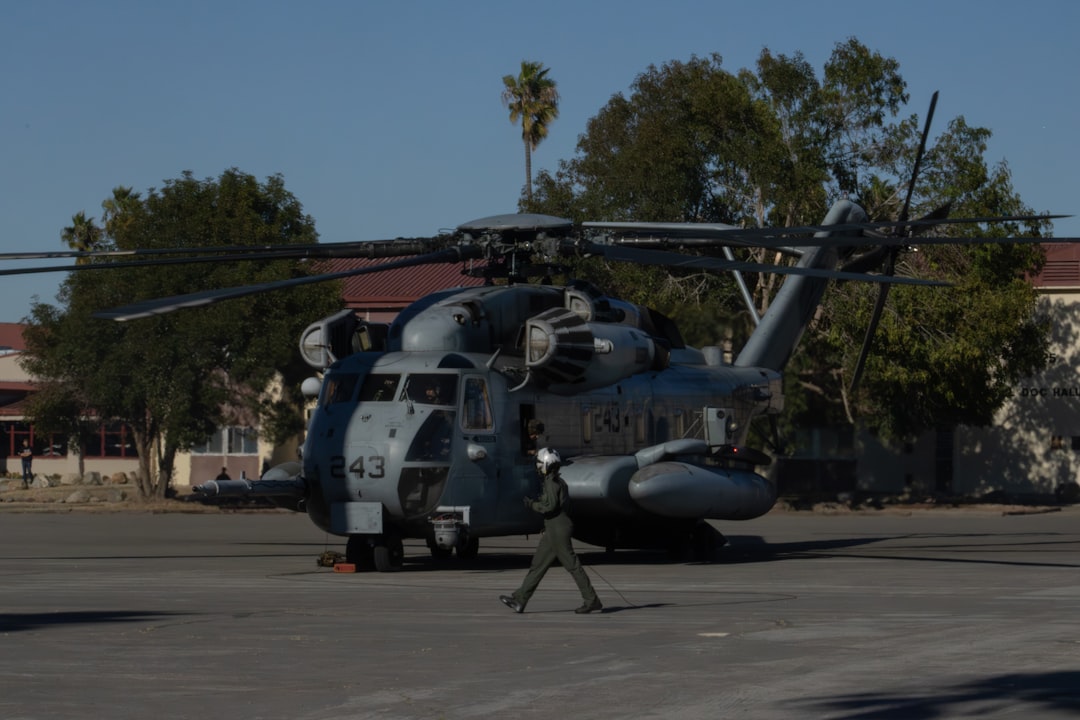
At its heart, aeronautical engineering revolves around understanding and manipulating the forces that govern flight. This involves several key areas:
Aerodynamics
Aerodynamics is the study of air and its interaction with moving objects. Aeronautical engineers utilize aerodynamic principles to shape aircraft for efficient flight, control lift, reduce drag, and manage stability. This is where the science behind how a wing generates lift, or how air flows over a fuselage, is meticulously studied and applied. It’s the invisible hand that guides the aircraft’s journey through the atmosphere.
Propulsion Systems
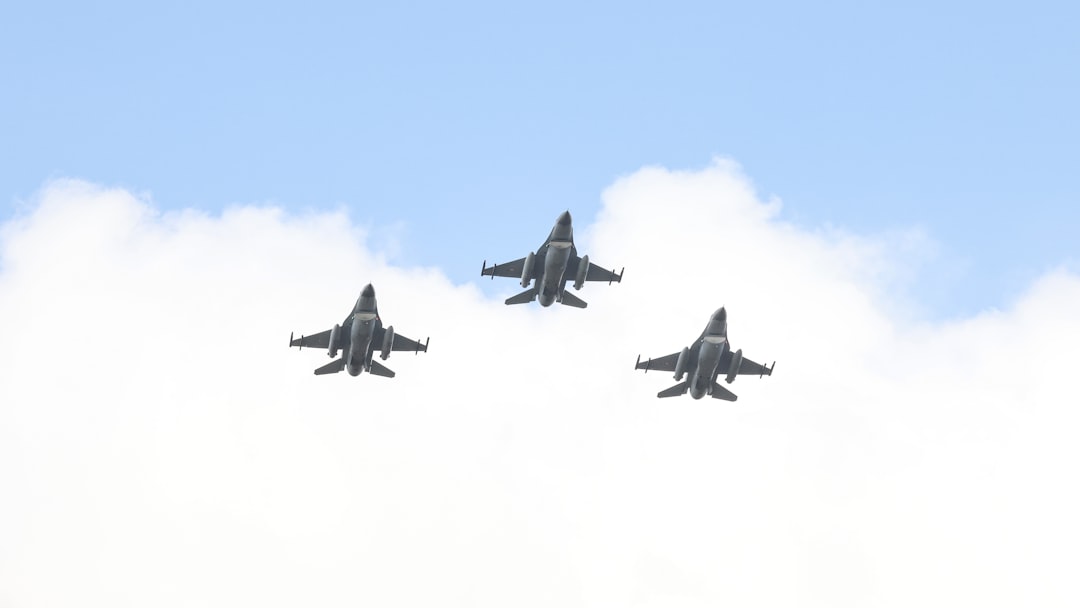
The engines that power aircraft are a critical component of aeronautical engineering. This discipline focuses on the design, development, and integration of jet engines, propeller engines, and other propulsion systems. Engineers in this area work to maximize thrust, improve fuel efficiency, and ensure reliability under demanding conditions. They are the architects of the powerful hearts that beat within the machines of the sky.
Structures and Materials
Aircraft must be strong enough to withstand incredible forces yet light enough for efficient flight. Aeronautical engineers in this domain select and develop advanced materials, such as composites and high-strength alloys, and design the structural integrity of the airframe. They ensure that the aircraft’s skeleton is both robust and feather-light.
Flight Mechanics and Control Systems
This area deals with the dynamics of an aircraft in flight and the systems that control its movement. Aeronautical engineers design autopilots, navigation systems, and other control surfaces to ensure precise and stable flight. They are the navigators and surgeons of the aircraft’s behavior, ensuring it responds as intended to commands.
Avionics
Avionics, a portmanteau of “aviation electronics,” encompasses the electronic systems used in aircraft. This includes communication, navigation, flight control, and weather radar systems. Aeronautical engineers who specialize in avionics integrate these complex systems to create a cohesive and functional whole. They are the nervous system of the aircraft, processing and transmitting vital information.
The Scope of Aeronautical Engineering
The field extends beyond just the design of commercial airliners. It encompasses a wide array of vehicles and systems:
- Fixed-wing aircraft: Airplanes, from small private jets to massive cargo planes.
- Rotorcraft: Helicopters and other aircraft that use rotating blades for lift.
- Unmanned Aerial Vehicles (UAVs): Drones and other remotely piloted aircraft, increasingly important in various industries.
- Spacecraft: While often considered a separate but related field (aerospace engineering), the fundamental principles of aerodynamics and propulsion are shared.
- Missiles and Rockets: The design and engineering of these vehicles also draw heavily from aeronautical principles.
Educational Pathways to Aeronautical Engineering
Pursuing a career in aeronautical engineering typically requires a strong educational foundation. The journey often begins in secondary education and progresses through university-level study.
High School Preparation
While specific aeronautical engineering courses may not be common in all high schools, certain subjects provide the necessary groundwork:
Mathematics
A robust understanding of mathematics is non-negotiable. This includes:
- Algebra: Essential for solving equations and manipulating formulas.
- Geometry: Crucial for understanding shapes, spaces, and the physical dimensions of aircraft.
- Trigonometry: Indispensable for calculating angles, forces, and distances in three-dimensional space, particularly in aerodynamics and flight analysis.
- Calculus: The language of change, calculus is fundamental to understanding rates of motion, acceleration, and the continuous nature of aerodynamic forces.
Science
A strong grasp of scientific principles is equally vital:
- Physics: This is the bedrock of aeronautical engineering, covering mechanics, thermodynamics, fluid dynamics, and electricity. Understanding Newton’s laws of motion, Bernoulli’s principle, and the behavior of gases is paramount.
- Chemistry: Understanding material properties and reactions is important for selecting and working with aircraft materials.
Technology and Engineering Courses
Any exposure to technical drawing, computer-aided design (CAD), or introductory engineering concepts can be beneficial. These courses introduce the practical application of theoretical knowledge.
University Degrees
The primary pathway to becoming an aeronautical engineer involves obtaining a bachelor’s degree from an accredited university.
Bachelor of Science (B.S.) in Aeronautical or Aerospace Engineering
These programs provide a comprehensive curriculum covering the core disciplines mentioned earlier. The curriculum typically includes:
- Core engineering courses: Thermodynamics, fluid mechanics, solid mechanics, materials science.
- Specialized aeronautical courses: Aerodynamics, aircraft structures, propulsion, flight dynamics, control systems.
- Laboratory work: Hands-on experience with experiments and simulations.
- Design projects: Team-based projects to design and analyze aircraft components or systems.
Master of Science (M.S.) and Doctoral Degrees (Ph.D.)
For those seeking to specialize further, conduct research, or move into high-level design and development roles, a master’s or doctoral degree may be pursued. These programs allow for in-depth study of specific areas within aeronautical engineering.
Finding Local Educational Institutions
To discover aeronautical engineering programs near you, utilize online resources:
- University Websites: Directly visit the websites of universities in your region. Look for departments of Engineering, Mechanical Engineering, or specifically Aeronautical/Aerospace Engineering.
- University Search Engines: Utilize national university search portals that allow you to filter by program, location, and degree level.
- Accreditation Bodies: Check the websites of accreditation organizations (e.g., ABET in the United States) for lists of accredited engineering programs.
Exploring Career Opportunities in Aeronautical Engineering

The skills honed in aeronautical engineering are in demand across a variety of industries, extending beyond traditional aircraft manufacturing.
Industries Hiring Aeronautical Engineers
- Aircraft Manufacturing: This is the most direct employer, encompassing companies that design and build commercial airliners, military aircraft, helicopters, and business jets.
- Aerospace Defense: Companies involved in the development of military aircraft, unmanned systems, missiles, and related defense technologies.
- Space Exploration: While often overlapping with aerospace engineering, many aeronautical principles are directly applicable to spacecraft design and propulsion.
- Automotive Industry: Increasingly, automotive companies are employing aerodynamicists and engineers with a strong grasp of fluid dynamics for vehicle design and performance enhancement.
- Research and Development: Government agencies (e.g., NASA, national defense laboratories) and private research institutions employ aeronautical engineers for cutting-edge projects.
- Consulting Firms: Specialized firms that provide engineering expertise to various clients in the aerospace sector.
- Aviation Maintenance and Repair: While not always requiring an aeronautical engineering degree, a strong understanding of aircraft systems is beneficial.
Types of Roles and Responsibilities
Aeronautical engineers can specialize in various roles:
Design Engineer
Responsible for creating blueprints and conceptual designs for new aircraft or aircraft components. This involves using CAD software and applying aerodynamic and structural principles.
Research Engineer
Focuses on investigating new technologies, materials, and concepts to improve aircraft performance, efficiency, and safety. This often involves theoretical analysis, simulations, and experimental testing.
Propulsion Engineer
Specializes in the design, development, and testing of aircraft engines and other power systems.
Structures Engineer
Ensures the structural integrity and safety of aircraft by analyzing stress, strain, and material fatigue.
Aerodynamicist
Applies principles of fluid dynamics to optimize aircraft shapes for performance, stability, and efficiency.
Systems Engineer
Integrates various aircraft systems (e.g., avionics, flight controls, propulsion) to ensure they work harmoniously.
Test Engineer
Plans and conducts flight tests or ground tests to validate aircraft designs and performance.
Finding Local Job Opportunities
To discover aeronautical engineering jobs near you:
- Online Job Boards: Utilize major job search platforms (e.g., LinkedIn, Indeed, Glassdoor) and filter by “aeronautical engineering,” “aerospace engineer,” and your desired geographic location.
- Company Career Pages: Visit the career sections of the websites of major aerospace companies, defense contractors, and research institutions that have a presence in your area.
- Professional Organizations: Membership in aeronautical or aerospace engineering professional societies often provides access to job boards and networking opportunities.
- University Career Services: University career centers often have strong connections with local employers and may list relevant job openings.
- Networking: Attend industry events, conferences, and career fairs. Connect with professionals in the field.
Gaining Practical Experience and Skill Development
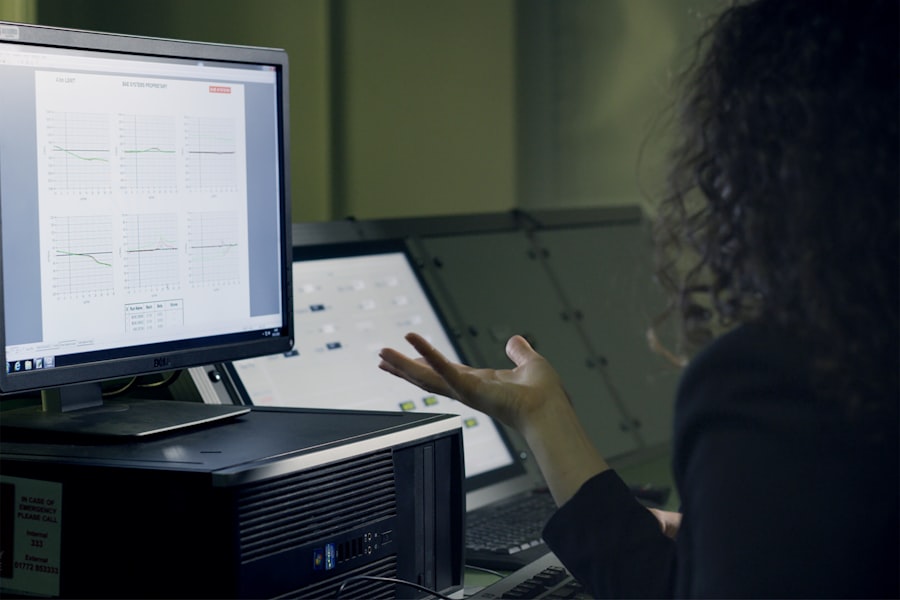
Theoretical knowledge is crucial, but practical application is what truly differentiates an aspiring aeronautical engineer.
Internships and Co-op Programs
Internships and co-operative education (co-op) programs offer invaluable real-world experience. These programs allow students to work for companies as part of their academic curriculum, gaining hands-on skills and building professional networks.
Identifying Internship Opportunities
- University Career Services: Your university’s career services department is a prime resource for internship listings and guidance.
- Company Websites: Many companies actively recruit interns through their own “careers” or “students” sections.
- Internship-Specific Platforms: Websites dedicated to internship listings can be a good starting point.
- Networking: Speak with professors and industry professionals about potential internship openings.
Personal Projects and Competitions
Engaging in personal projects, such as building model rockets or drones, can demonstrate initiative and practical skill. Participating in engineering competitions, like those organized by student chapters of professional societies, offers opportunities to apply learned concepts to challenging problems.
Examples of Personal Projects and Competitions
- Model Rocketry: Designing and building functional model rockets, understanding basic principles of propulsion and stability.
- Drone Building and Programming: Creating and operating unmanned aerial vehicles, potentially integrating sensors and autonomous capabilities.
- Formula SAE/Formula Student: While focused on automotive engineering, these competitions involve significant aerodynamic design and vehicle dynamics.
- Design-Build-Fly (DBF) Competitions: Organized by organizations like the American Institute of Aeronautics and Astronautics (AIAA), these competitions challenge student teams to design, build, and fly an RC aircraft.
Professional Societies and Local Chapters
Joining professional organizations relevant to aeronautical engineering can provide access to resources, mentorship, and networking.
Benefits of Membership
- Technical Publications: Access to journals and research papers.
- Conferences and Seminars: Opportunities to learn about cutting-edge research and connect with experts.
- Networking Events: Meet fellow engineers and potential employers.
- Mentorship Programs: Connect with experienced professionals who can offer guidance.
- Student Chapters: Many universities have local chapters of these organizations, offering tailored activities and support for students.
Key Professional Organizations
- American Institute of Aeronautics and Astronautics (AIAA): A leading professional society for aerospace professionals.
- Royal Aeronautical Society (RAeS): A UK-based professional body for the aerospace community.
- Institute of Electrical and Electronics Engineers (IEEE) Aerospace and Electronic Systems Society: Focuses on the electronic systems used in aerospace.
To find local chapters, visit the websites of these organizations and look for “sections,” “chapters,” or “membership” sections, often with location-based search functionalities.
Resources for Learning and Community Engagement
| Institution Name | Location | Programs Offered | Average Tuition | Faculty to Student Ratio | Research Facilities | Industry Partnerships |
|---|---|---|---|---|---|---|
| National Aeronautics University | City A | Bachelor’s, Master’s, PhD in Aeronautical Engineering | 15,000 per year | 1:15 | Wind Tunnel, Flight Simulators, Materials Lab | Airbus, Boeing, NASA |
| Tech Aero Institute | City B | Bachelor’s and Master’s in Aerospace Engineering | 12,000 per year | 1:20 | Composite Materials Lab, Aerodynamics Lab | Lockheed Martin, Raytheon |
| Skyline Engineering College | City C | Bachelor’s in Aeronautical Engineering | 10,000 per year | 1:18 | Flight Testing Facility, Propulsion Lab | GE Aviation, Honeywell |
| Advanced Flight Tech University | City D | Master’s and PhD in Aeronautical Engineering | 18,000 per year | 1:12 | Unmanned Aerial Vehicle Lab, CFD Lab | NASA, Boeing |
Beyond formal education and employment, various resources can aid in discovering and engaging with aeronautical engineering in your local area.
Museums and Science Centers
Aviation museums and science centers often house exhibits that showcase the history and principles of flight. They can serve as educational hubs and inspiration for those interested in the field.
What to Look For
- Aircraft Displays: Static exhibits of historical and modern aircraft provide tangible examples of engineering evolution.
- Interactive Exhibits: Hands-on demonstrations of aerodynamic principles, flight controls, and engine mechanics can be highly informative.
- Educational Programs: Many museums offer workshops, lectures, and summer camps related to aviation and engineering.
- Event Schedules: Check for special events, guest speaker series, or pilot/engineer meet-and-greets.
To find these, search online for “aviation museum near me” or “science center with aerospace exhibits.”
Maker Spaces and Fab Labs
These community workshops provide access to tools and technology, allowing individuals to pursue personal projects, including those related to aeronautical engineering.
How Maker Spaces Can Help
- 3D Printing: Creating prototypes of aircraft components or models.
- Laser Cutting: Fabricating precise parts for projects.
- Electronics Workbenches: Assembling and testing avionic systems or control circuits.
- Shared Tools and Expertise: Access to specialized equipment and the opportunity to learn from other makers.
Search for “maker space near me” or “fab lab [your city]” to locate these facilities.
Online Learning Platforms and Communities
The digital realm offers a wealth of opportunities for learning and connecting with others in the field.
Online Educational Resources
- MOOCs (Massive Open Online Courses): Platforms like Coursera, edX, and Udacity offer courses from top universities on aeronautical engineering topics, often taught by leading academics.
- YouTube Channels: Numerous channels provide educational content on aerodynamics, aircraft design, and engineering principles, often with visual demonstrations.
Online Communities and Forums
- Reddit: Subreddits like r/aerospace, r/engineering, and r/askengineers are active communities where questions can be asked, and discussions on aeronautical topics take place.
- Professional Forums: Many professional organizations host online forums for their members.
- Discord Servers: Increasingly, specialized Discord servers are emerging for specific engineering fields and hobbies.
By actively exploring these resources and engaging with the available opportunities, individuals can successfully discover and immerse themselves in the world of aeronautical engineering within their reach.