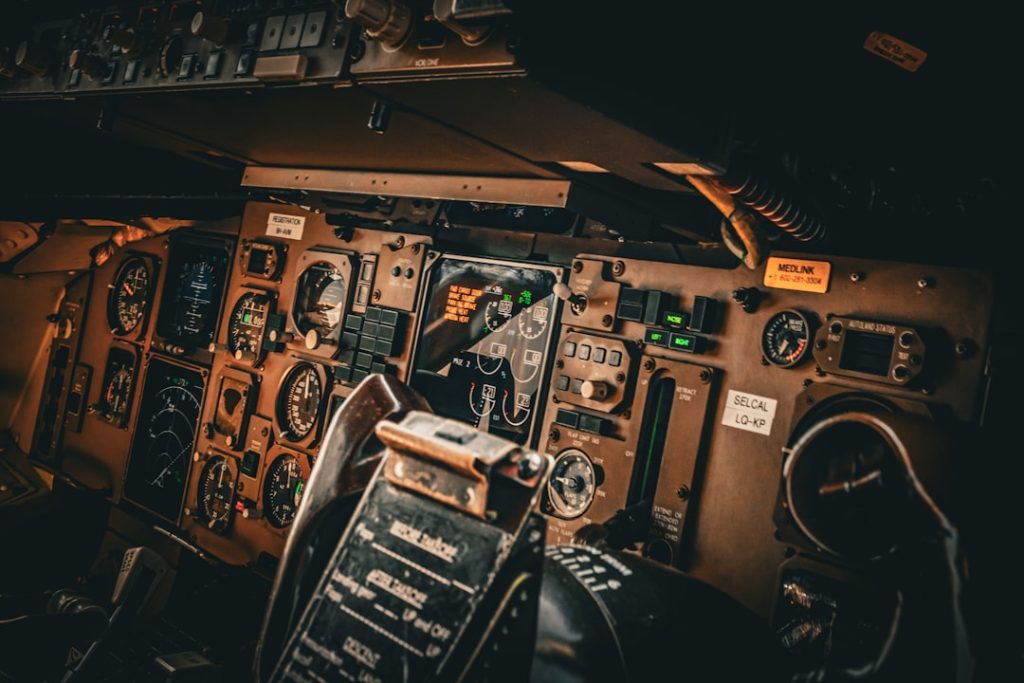
An aerospace technician is responsible for the assembly, inspection, repair, and maintenance of aircraft and spacecraft. This field demands a specific set of skills and knowledge, often acquired through formal education and hands-on experience. Mastering these skills is crucial for ensuring the safety, efficiency, and longevity of aerospace systems.
The bedrock of an aerospace technician’s expertise lies in a strong understanding of fundamental scientific and engineering principles. This isn’t about a superficial grasp; it’s about building a solid foundation upon which specialized knowledge can be constructed. Think of it like the sturdy frame of an aircraft – without it, the rest of the structure is inherently unstable.
Mathematics and Physics Comprehension
Algebra and Trigonometry: These mathematical disciplines are vital for calculations involving measurements, angles, forces, and trajectories. Understanding how to manipulate equations and solve for unknown variables is a constant requirement in interpreting blueprints, torque specifications, and performance data. Without a firm command of these tools, technicians would be like pilots trying to navigate without a compass.
Calculus Principles: While not always requiring advanced calculus, understanding its fundamental concepts is beneficial. Derivatives and integrals, for instance, help in comprehending rates of change, work, and energy, which are integral to understanding the physics of flight and propulsion.
Physics Fundamentals: A deep dive into classical mechanics, thermodynamics, and fluid dynamics is essential. Understanding Newton’s laws of motion directly impacts how technicians analyze stresses and forces on aircraft components. Thermodynamics is the language of engines and heat transfer, explaining how power is generated and dissipated. Fluid dynamics governs how air flows over wings and through engine inlets, dictating lift and drag. To neglect these principles is to ignore the very forces that allow flight.
Understanding Aerospace Systems
Aircraft and Spacecraft Anatomy: Technicians must develop an intimate knowledge of the various systems that comprise an aircraft or spacecraft. This includes airframes, propulsion systems (jet engines, rockets), avionic systems (navigation, communication, flight control), hydraulic and pneumatic systems, and electrical systems. Each component has a specific function, and understanding how they interact is paramount. Imagine trying to repair a complex clock without knowing what each gear and spring does – the outcome is likely to be further disrepair.
Materials Science: Aerospace applications utilize a wide range of advanced materials, from lightweight composites to high-strength alloys. Technicians need to understand the properties of these materials, their tolerances to temperature, pressure, and stress, and appropriate methods for their handling, inspection, and repair. Misunderstanding material properties can lead to catastrophic failures.
Manufacturing Processes: Familiarity with common aerospace manufacturing techniques, such as welding, machining, composite lay-up, and additive manufacturing (3D printing), is also valuable. This knowledge aids in identifying potential defects and understanding the limitations of manufactured parts.
Precision and Attention to Detail
Aerospace engineering is a field that tolerates very little error. The margin for error is razor-thin, and even seemingly minor deviations can have significant consequences. Precision and meticulous attention to detail are not merely desirable traits; they are non-negotiable requirements.
Reading and Interpreting Technical Documentation
Blueprints and Schematics: The ability to read and comprehend complex engineering drawings, blueprints, and schematics is fundamental. These documents are the technical language of the aerospace industry, conveying precise dimensions, tolerances, material specifications, and assembly instructions. Misinterpreting a single line or symbol can lead to incorrect assembly or installation, like misreading a map and ending up miles off course.
Maintenance Manuals and Technical Orders: Aerospace vehicles are accompanied by vast libraries of maintenance manuals and technical orders (TOs). Technicians must be adept at navigating these resources, locating specific procedures, understanding service bulletins, and adhering strictly to instructions. These manuals are not suggestions; they are the codified wisdom of countless hours of testing and experience.
Specifications and Tolerances: Understanding critical specifications and tolerances is key to ensuring that components fit and function as intended. Every fastener, every connection, has a prescribed range within which it must operate. Exceeding or falling short of these tolerances can lead to premature wear, system malfunction, or outright failure.
Quality Control and Inspection Techniques
Visual Inspection: A keen eye for detail is essential for visual inspection. Technicians must be trained to identify subtle signs of wear, corrosion, cracks, or improper assembly that might be invisible to the untrained eye. This is often the first line of defense against potential problems.
Non-Destructive Testing (NDT): Proficiency in various NDT methods, such as ultrasonic testing, eddy current testing, magnetic particle inspection, and dye penetrant inspection, is crucial. These techniques allow for the detection of internal flaws or surface imperfections without damaging the component. Mastering NDT is like having x-ray vision for metal and composites.
Measurement and Calibration: Accurate measurement is at the heart of precision. Technicians must be skilled in using a variety of precision measuring tools, such as calipers, micrometers, height gauges, and coordinate measuring machines (CMMs). Knowing how to properly calibrate these instruments ensures the reliability of all subsequent measurements.
Safety Protocols and Risk Management
The aerospace industry operates under stringent safety regulations designed to protect personnel, the public, and the expensive equipment involved. Adherence to these protocols is paramount.
Understanding Aviation Safety Standards
Regulatory Bodies and Compliance: Technicians must be aware of the regulations set forth by bodies such as the Federal Aviation Administration (FAA) in the United States, the European Union Aviation Safety Agency (EASA) in Europe, and other national aviation authorities. Compliance with these rules is not optional; it is a legal and ethical imperative.
General Safety Practices: This includes understanding safe handling of tools and equipment, proper use of personal protective equipment (PPE) such as safety glasses, gloves, and hearing protection, and maintaining a clean and organized work environment. A cluttered workspace is a breeding ground for accidents.
Hazardous Materials Handling: Many aerospace components involve the use of solvents, cleaning agents, lubricants, and fuels that can be hazardous. Technicians must be trained in the safe storage, handling, and disposal of these materials, understanding their potential risks and the appropriate countermeasures.
Risk Assessment and Mitigation
Identifying Potential Hazards: Before undertaking any task, a cognitive process of risk assessment should occur. This involves anticipating potential dangers, such as working at heights, dealing with energized systems, or handling heavy components.
Implementing Safety Procedures: Once hazards are identified, technicians must implement appropriate safety procedures to mitigate these risks. This might involve locking out electrical circuits before working on them, using fall protection when working at heights, or following specific lifting procedures for heavy objects.
Emergency Response: While adherence to safety protocols aims to prevent accidents, being prepared for emergencies is also crucial. This includes knowing the location of emergency equipment, understanding evacuation procedures, and being aware of first-aid protocols.
Diagnostic and Troubleshooting Skills
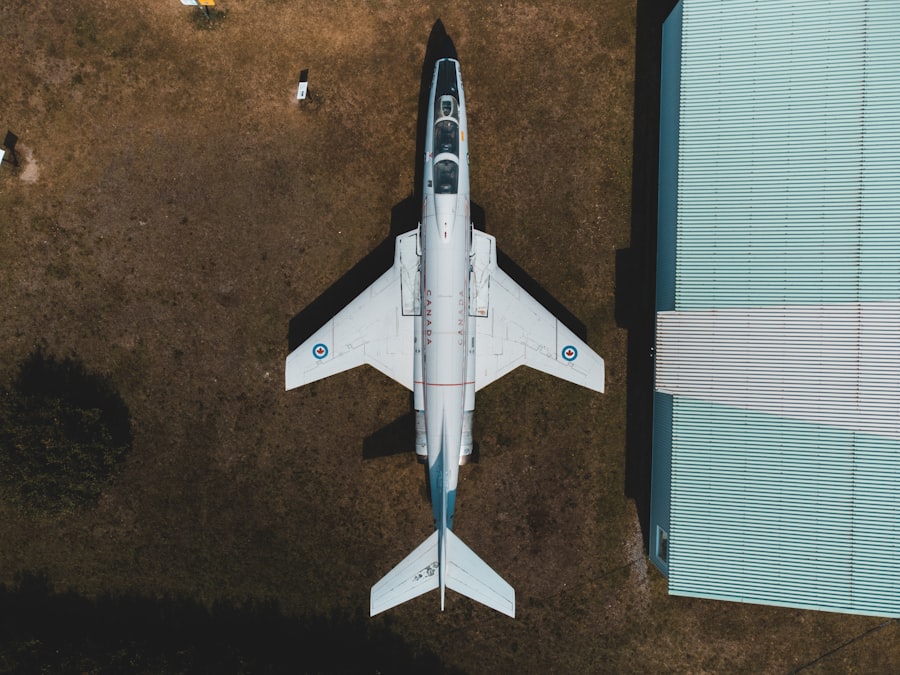
When something goes wrong with an aerospace system, the ability to quickly and accurately diagnose the problem is essential. This requires a systematic and logical approach.
The Problem-Solving Process
Information Gathering: The first step in troubleshooting is to gather as much information as possible about the problem. This involves talking to pilots or operators, reviewing flight data recorders or maintenance logs, and observing the symptoms of the malfunction.
Hypothesis Generation: Based on the gathered information, technicians formulate hypotheses about the potential causes of the problem. This is where their understanding of system interdependencies comes into play.
Testing and Verification: Each hypothesis is then systematically tested. This involves performing specific diagnostic checks, using specialized tools, and observing the results to confirm or refute the hypothesis. It’s akin to a doctor running tests to pinpoint an illness.
Root Cause Analysis: The ultimate goal is not just to fix the immediate symptom but to identify and address the root cause of the problem. This prevents recurrence and ensures the long-term reliability of the system.
Utilizing Diagnostic Tools and Technology
Hand Tools and Measuring Instruments: As mentioned previously, proficiency with a wide array of hand tools and precision measuring instruments is a prerequisite for diagnosing issues.
Specialized Diagnostic Equipment: Modern aerospace systems are equipped with sophisticated diagnostic tools, including oscilloscopes, multimeters, signal generators, and specialized software for analyzing system performance. Technicians must be proficient in operating this equipment.
Schematic Interpretation for Diagnostics: Understanding how to trace electrical or hydraulic circuits on schematics is a vital diagnostic skill. It allows technicians to follow the flow of signals or fluids and identify points of interruption or failure.
Continuous Learning and Adaptability
| Metric | Value | Unit | Description |
|---|---|---|---|
| Average Salary | 65,000 | USD/year | Median annual wage for aerospace technicians in the US |
| Job Growth Rate | 5 | % (2022-2032) | Projected employment growth over 10 years |
| Education Level | Associate’s Degree | N/A | Typical minimum education required |
| Certification | Certified Aerospace Technician (CAT) | N/A | Common professional certification |
| Work Environment | Manufacturing Plants, Laboratories | N/A | Typical workplaces for aerospace technicians |
| Key Skills | Mechanical Aptitude, Attention to Detail, Technical Knowledge | N/A | Essential skills for job performance |
| Average Work Hours | 40 | Hours/week | Typical full-time work schedule |
The aerospace industry is characterized by rapid technological advancement. Aircraft and spacecraft are becoming more complex, employing new materials, sophisticated avionics, and advanced propulsion systems. Therefore, continuous learning and adaptability are not options; they are necessities for remaining effective.
Keeping Pace with Technological Advancements
Industry Publications and Research: Staying informed about the latest developments requires actively engaging with industry publications, scientific journals, and research papers. This provides insight into emerging technologies and best practices.
Manufacturer Training Programs: Aircraft and component manufacturers often provide specialized training programs for technicians. These programs are invaluable for gaining in-depth knowledge of specific systems and equipment.
Online Resources and Webinars: The digital age has opened up a wealth of online learning resources, including educational websites, webinars, and virtual training modules. These can supplement formal education and provide access to niche expertise.
Embracing New Methodologies and Tools
Modular Design Principles: Modern aerospace systems often employ modular designs, where components can be easily replaced. Technicians need to understand how to service and replace these modules efficiently.
Digitalization and Automation: Increasingly, diagnostic and maintenance processes are being digitized and automated. Technicians will need to become comfortable with data analysis, software interfaces, and robotic assistance.
Cross-Training and Skill Diversification: The ability to work across different disciplines, from mechanics to avionics, is highly valued. Cross-training not only broadens a technician’s skillset but also makes them more versatile and valuable to an organization. This broad skillset is like having a multi-tool that can tackle a variety of challenges.
In conclusion, mastering the skills of an aerospace technician is an ongoing journey that demands a blend of theoretical knowledge, practical proficiency, a commitment to safety, and a dedication to lifelong learning. It is a career that requires precision, problem-solving acumen, and the ability to adapt to a constantly evolving technological landscape, ultimately contributing to the safe and successful operation of the vehicles that explore our skies and beyond.