
BAE Systems’ involvement in aviation is a long-standing and multifaceted one, stretching back through its constituent companies to the nascent days of flight. This lineage has positioned the company as a significant player in the global aerospace industry, contributing to a wide spectrum of aviation technologies, from military platforms and commercial aircraft components to advanced simulation and training systems. Examining BAE Systems’ aerospace innovations reveals a consistent thread of evolution, adaptation, and a commitment to developing technologies that shape the skies. Understanding these contributions is akin to tracing the lines on an aeronautical chart, each marker representing a step forward in capability and efficiency.
Early Foundations and Evolution of Aerodynamic Control
The roots of BAE Systems’ aerospace expertise are deeply embedded in the pioneering work of companies like de Havilland, British Aerospace, and Marconi. These entities, during the early 20th century, were instrumental in developing aircraft designs and control systems that laid the groundwork for modern aviation. Early innovations focused on fundamental aerodynamic principles, with a particular emphasis on flight control surfaces and their impact on maneuverability.
From Biplanes to Jet Age: Control Surface Development
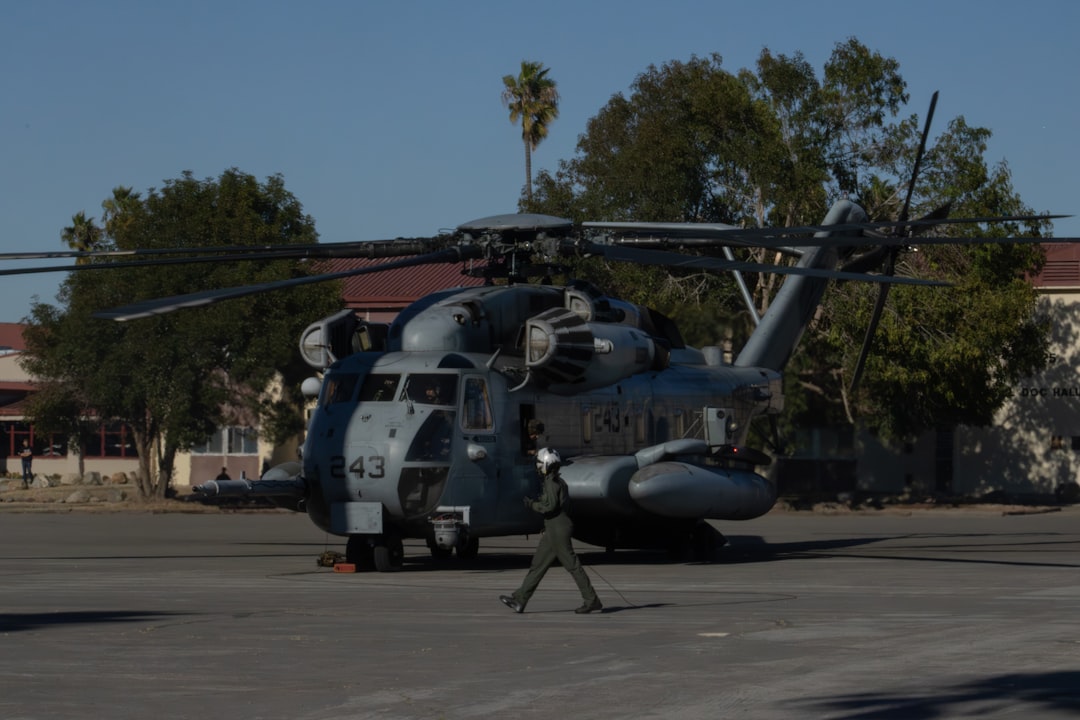
The transition from biplane designs to monoplanes and, subsequently, the jet age, necessitated significant advancements in how aircraft were piloted. BAE Systems’ predecessor companies were at the forefront of developing more sophisticated control surfaces. This involved refining the shape, size, and actuation mechanisms of ailerons, elevators, and rudders to respond effectively to pilot inputs and changing atmospheric conditions. The challenge was to imbue aircraft with stability without sacrificing responsiveness, a delicate balancing act that BAE Systems continues to refine.
Fly-by-Wire Technology: A Digital Revolution
Perhaps one of the most transformative innovations in flight control, and where BAE Systems has played a pivotal role, is the development and implementation of fly-by-wire (FBW) systems. Prior to FBW, aircraft control surfaces were mechanically or hydraulically linked to the pilot’s controls. This system, while reliable, could be heavy and complex. FBW systems replace these physical linkages with electronic signals. The pilot’s control inputs are processed by computers, which then transmit commands to actuators controlling the flight surfaces. This shift was like moving from a hand-cranked engine to a responsive electronic throttle – a leap in precision and efficiency.
Redundancy and Safety in FBW Architecture
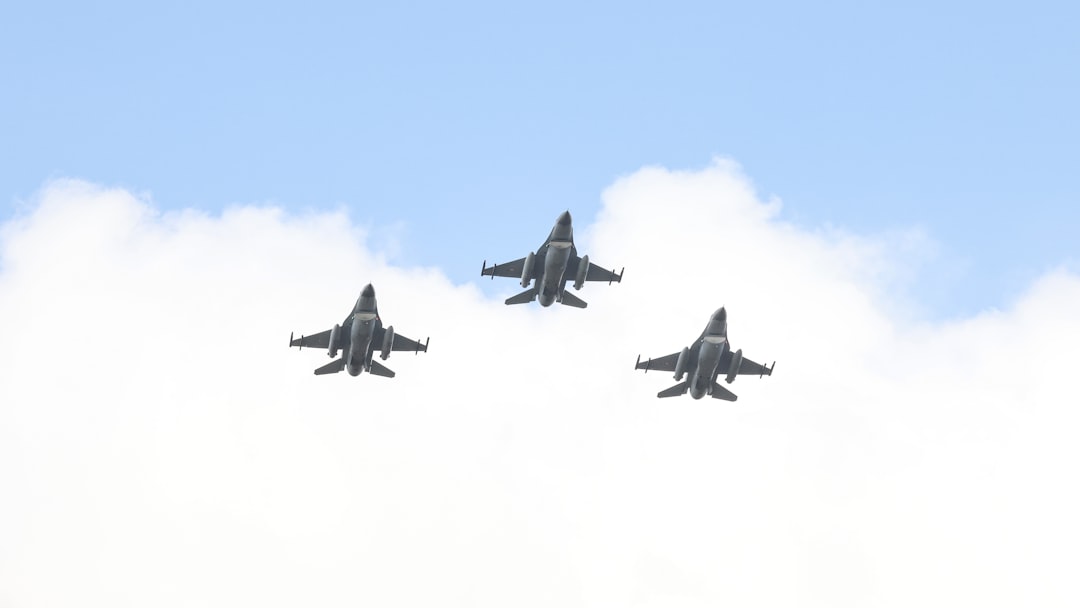
A critical aspect of FBW development has been ensuring utmost safety and reliability. BAE Systems has been a key contributor to the design of redundant FBW architectures. This means that multiple independent computer systems and communication pathways are integrated into the flight control system. If one system fails, others can seamlessly take over, preventing catastrophic outcomes. This layered approach to safety is a hallmark of modern aircraft design and a direct result of decades of research and development.
Enhanced Maneuverability and Stability Augmentation
FBW systems enable what is known as “relaxed static stability.” Traditional aircraft were designed to be inherently stable, meaning they would naturally return to level flight if disturbed. While this ensures safety, it can make aircraft less agile. FBW allows for aircraft to be designed with less inherent stability, making them more nimble and responsive to pilot commands. Furthermore, the computers in an FBW system can actively augment stability, counteracting unwanted movements and ensuring a smoother, more controlled flight, especially in turbulent air. This is akin to having a highly skilled co-pilot constantly making micro-adjustments to keep the aircraft on course.
Advancements in Avionics and Sensor Integration
Beyond flight controls, BAE Systems has a significant track record in developing sophisticated avionics systems, the “brains” of an aircraft. These systems are crucial for navigation, communication, and increasingly, for situational awareness and defense. The integration of various sensors and data processing capabilities has revolutionized how aircraft operate and the information available to their crews.
Radar Systems: Seeing Through the Veil
BAE Systems has been a long-standing innovator in radar technology. From early airborne radar systems for navigation and early warning to modern multi-mode radars used for target detection, tracking, and ground mapping, the company has consistently pushed the boundaries of what is possible.
Synthetic Aperture Radar (SAR): A High-Resolution Gaze
The development of Synthetic Aperture Radar (SAR) has been a notable achievement. Unlike traditional radar which provides a single snapshot, SAR systems use the aircraft’s motion to create a much higher resolution image of the ground. This allows for detailed mapping, reconnaissance, and even the identification of specific objects. It’s like upgrading from a blurry photograph to a high-definition video feed, offering unprecedented detail.
Active Electronically Scanned Array (AESA) Radars: Adaptive Intelligence
A more recent and significant innovation is the Active Electronically Scanned Array (AESA) radar. Instead of a single mechanically steered antenna, AESA radars use an array of smaller transmit/receive modules. This allows the radar beam to be steered electronically at extremely high speeds, enabling rapid scanning of multiple targets, rapid retasking, and enhanced signal processing capabilities. AESA radars are also more resilient to jamming and can perform multiple functions simultaneously, making them a powerful tool for advanced aircraft.
Electronic Warfare Systems: The Battlefield of the Airwaves
BAE Systems is also a leader in electronic warfare (EW). This encompasses a range of capabilities designed to detect, jam, and deceive enemy radar and communication systems, while protecting friendly systems.
Infrared Countermeasures (IRCM): Evading Heat-Seeking Threats
As missile technology has advanced, so too has the need to counter infrared-guided threats. BAE Systems has developed sophisticated Infrared Countermeasures (IRCM) systems that can detect incoming heat-seeking missiles and deploy countermeasures to divert them. This involves sophisticated detection sensors and the ability to project deceptive signals or dazzling flares.
Communications Intelligence (COMINT) and Signal Intelligence (SIGINT): Listening to the Invisible
Understanding the electromagnetic spectrum is crucial for modern warfare and intelligence gathering. BAE Systems’ expertise in COMINT and SIGINT allows aircraft to intercept and analyze enemy communications, providing invaluable intelligence and situational awareness. This is akin to being able to tap into a vast, invisible network of information.
Propulsion Systems and Aerodynamics: The Engine of Advancement
While BAE Systems is not a primary engine manufacturer in the same vein as some global giants, its contributions to aircraft design have often involved close collaboration and integration of advanced propulsion systems, alongside innovations in airframe aerodynamics that optimize performance.
Wing Design and High-Lift Devices: The Sculpting of Airflow
The shape of an aircraft’s wing is fundamental to its performance. BAE Systems’ expertise has extended to the design of highly optimized wing profiles and the integration of advanced high-lift devices. These devices, such as leading-edge slats and trailing-edge flaps, can be extended during takeoff and landing to increase the wing’s lift at lower speeds, enabling shorter runway requirements and improved handling. This is like giving the wing a temporary superpower to generate more lift when needed.
Integration of Advanced Jet Engines: Harmonizing Power and Airframe
While BAE Systems typically integrates engines manufactured by others into its airframes, understanding and optimizing the interaction between the engine and the airframe is a critical area of innovation. This involves aerodynamic design considerations to ensure efficient airflow to the engines and to minimize drag. The synergy between a powerful engine and an aerodynamically efficient airframe is crucial for speed, range, and fuel efficiency.
Simulation and Training: Shaping the Future Pilot
The complexity of modern aircraft demands equally sophisticated training solutions. BAE Systems has been a pioneer in developing advanced simulation and training systems, providing pilots and ground crews with realistic and effective training environments.
Full-Flight Simulators: Recreating the Cockpit Experience
BAE Systems designs and manufactures full-flight simulators that replicate the external environment and the cockpit of specific aircraft with remarkable fidelity. These simulators use high-definition visuals, realistic motion systems, and accurate flight control interfaces to provide an immersive training experience. This allows pilots to practice complex procedures, emergency responses, and mission profiles in a safe and cost-effective manner. It’s like having a perfect digital twin of the aircraft and its world for practice.
High-Fidelity Visual Systems: A Window to the Digital World
A key component of these simulators is the high-fidelity visual system. BAE Systems has invested heavily in developing advanced computer-generated imagery (CGI) to create realistic representations of landscapes, weather conditions, and other aircraft. This visual realism is crucial for developing pilot spatial awareness and the ability to react to dynamic situations.
Mission Rehearsal and Training Exercises: Strategic Preparedness
Beyond individual pilot training, BAE Systems’ simulation capabilities are used for mission rehearsal and large-scale training exercises. These systems allow entire crews to train together, coordinating complex operations and practicing joint tactics. This prepares them for real-world scenarios where effective teamwork is paramount. It allows for the “dry run” of an entire mission before the real event.
Unmanned Aerial Systems (UAS) and Future Aviation Concepts
As the aviation landscape evolves, BAE Systems is actively engaged in the development of Unmanned Aerial Systems (UAS) and exploring future aviation concepts. This signifies a strategic pivot towards autonomy and new operational paradigms.
Autonomous Flight Control Systems: The Rise of the Machine
The development of autonomous flight control systems is a cornerstone of UAS technology. BAE Systems is working on intelligent systems that can plan and execute flight missions with minimal or no human intervention. This involves advanced artificial intelligence, sensor fusion, and decision-making algorithms. It represents the dawn of an era where aircraft can operate with a significant degree of independence.
Swarm Technologies: Collective Intelligence in the Air
A particularly exciting area of development is swarm technology. This involves coordinating multiple UAS to operate as a cohesive unit, achieving objectives that would be difficult or impossible for a single aircraft. BAE Systems is exploring how these “electronic flocks” can be employed for reconnaissance, surveillance, and even defensive operations. It’s like nature’s lesson in teamwork, applied to the digital realm.
Next-Generation Air Combat Systems: The Evolving Battlefield
BAE Systems is also a key partner in developing concepts for next-generation air combat systems. This includes exploring human-machine teaming, where manned and unmanned aircraft operate in conjunction, and the integration of advanced technologies such as directed energy weapons and cyber warfare capabilities. This is about looking beyond the horizon of current aerial warfare and architecting the systems of tomorrow.
Hypersonic Flight Research: Pushing the Speed Barrier
While still largely in the research phase, BAE Systems, through its collaborations, is contributing to the exploration of hypersonic flight. This involves developing technologies that enable aircraft to travel at speeds exceeding Mach 5. The challenges are immense, spanning materials science, propulsion, and aerodynamic stability, but the potential for drastically reduced travel times and new military capabilities is significant. It’s like breaking the sound barrier again, and then again, pushing the very limits of speed.
This overview of BAE Systems’ aerospace innovations demonstrates a sustained commitment to advancing aviation technology. From the fundamental control of flight to the complex digital environment of modern avionics, and the emerging frontiers of autonomy and hypersonic travel, the company’s contributions have been instrumental in shaping the way we fly and the capabilities of aircraft across civil and military domains.