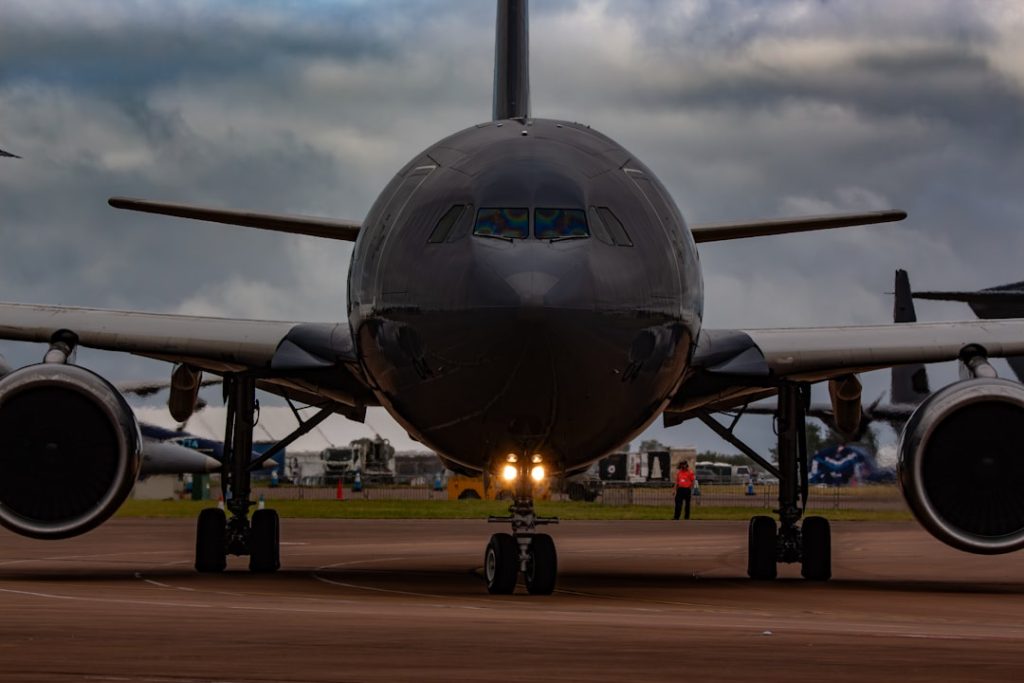
The aerospace and defense sector forms a cornerstone of global security and technological advancement. It is a realm where cutting-edge innovation meets stringent regulatory oversight, and where immense capital investment is required to bring complex projects to fruition. Companies operating within this industry are not merely manufacturers; they are architects of national defense, pioneers of space exploration, and builders of the infrastructure that connects our world. This article offers a closer look at some of the prominent players in this vital field, examining their contributions, areas of expertise, and the strategic landscapes they navigate.
The companies that dominate the aerospace and defense landscape have often built their legacies over decades, sometimes centuries. Their origins are frequently rooted in periods of significant global conflict or rapid technological change, driving the need for robust aerial and military capabilities. These historical foundations have shaped their core competencies and instilled a culture of meticulous engineering and rigorous testing. The sheer scale of their operations means they are often integral to national economies, employing vast workforces and fostering extensive supply chains that ripple outwards, impacting numerous other industries.
Historical Trajectories and Evolution
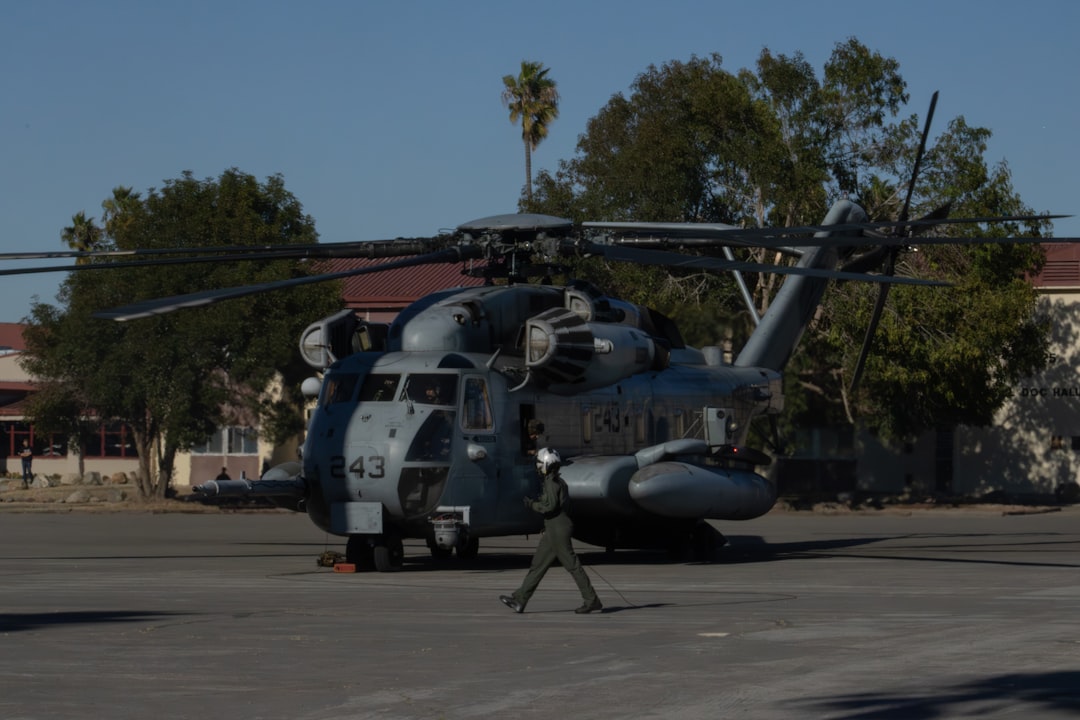
Many of today’s leading aerospace and defense companies can trace their lineage back to the early days of aviation or the burgeoning defense procurement of the early 20th century. The crucible of World War I and II, for instance, acted as powerful catalysts for innovation and consolidation. Companies that survived and thrived during these periods often possessed a formidable capacity for mass production and a deep understanding of aerodynamic principles and battlefield demands. The Cold War further amplified these trends, leading to an arms race that propelled advancements in jet propulsion, missile technology, and advanced surveillance systems.
Early Innovations and Milestones
The pioneering spirit that characterized the dawn of flight is a recurring theme in the history of this sector. Early breakthroughs in engine design, aircraft construction, and navigation laid the groundwork for subsequent generations of technology. Companies that successfully transitioned from early biplanes to high-performance fighter jets and then to supersonic and stealth aircraft demonstrated a remarkable ability to adapt and evolve. Similarly, the development of rocketry and spaceflight, initially driven by military imperatives, has opened up entirely new frontiers for commercial and scientific exploration.
Consolidation and Mergers
The aerospace and defense industry has, over time, witnessed significant consolidation. Market pressures, the increasing cost of research and development, and the desire to achieve economies of scale have led to numerous mergers and acquisitions. This process has resulted in the emergence of a few dominant global players, capable of undertaking projects of immense complexity and scale. While consolidation can lead to greater efficiency and technological integration, it also raises questions about market competition and the concentration of critical capabilities.
Core Business Segments
The operational scope of leading aerospace and defense companies is typically diverse, encompassing numerous specialized areas. These segments often represent distinct markets with unique technological requirements, customer bases, and regulatory frameworks. Understanding these core business segments provides insight into the strategic focus and revenue streams of these major entities.
Commercial Aviation
This segment is a significant driver of revenue for many major players. Designing and manufacturing passenger and cargo aircraft is a capital-intensive undertaking that requires long-term product development cycles and a deep understanding of global airline fleet requirements. The passenger experience, fuel efficiency, and environmental impact are all critical considerations in this highly competitive market.
Aircraft Manufacturing
The production of commercial airliners, from narrow-body aircraft to wide-body jets, is a hallmark of the leading companies. This involves intricate supply chain management, precision manufacturing, and rigorous safety certifications. The lifecycle of an aircraft program can span decades, from initial concept to eventual retirement, demanding sustained investment and continuous improvement.
Aftermarket Services and Support
Beyond initial sales, aftermarket services play a crucial role. This includes maintenance, repair, and overhaul (MRO) operations, spare parts logistics, and training for flight and ground crews. These services not only generate recurring revenue but also foster long-term customer relationships and provide valuable feedback for future aircraft designs.
Defense Systems
This segment is the bedrock of the industry, directly serving national governments and their military branches. The technologies developed here are often classified and subject to stringent export controls, reflecting their strategic importance.
Military Aircraft
From fighter jets and bombers to transport aircraft and reconnaissance platforms, the development and production of military aviation are critical. These aircraft are designed for specific combat roles, demanding exceptional performance, survivability, and advanced avionics.
Fighter Aircraft Development
The development of fighter jets is a continuous evolutionary process. Companies invest heavily in advanced aerodynamics, propulsion systems, and stealth technology to maintain air superiority. The integration of sophisticated sensor systems and weapons platforms is also paramount.
Unmanned Aerial Vehicles (UAVs)
The rise of unmanned aerial vehicles has revolutionized modern warfare and surveillance. These platforms range from small reconnaissance drones to large combat UAVs capable of carrying significant payloads. Their development encompasses advanced autonomy, sensor fusion, and secure communication systems.
Naval Systems
This sub-sector focuses on naval platforms and associated technologies. This includes aircraft carriers, submarines, destroyers, and frigates, along with their weapon systems and sonar capabilities. The operational environment of naval systems demands extreme durability and sophisticated underwater warfare technologies.
Submarine Technology
The development of submarines, particularly nuclear-powered attack and ballistic missile submarines, represents some of the most complex engineering challenges. These platforms require advanced stealth capabilities, life support systems, and precision weapon deployment.
Surface Combatants
The design and construction of surface warships are crucial for projecting naval power. This involves integrating advanced radar systems, missile defense capabilities, and various offensive and defensive weaponry.
Land Systems
This segment encompasses a wide array of vehicles and weaponry for ground forces. This includes tanks, armored personnel carriers, artillery systems, and small arms. The emphasis is on mobility, protection, and firepower in diverse operational terrains.
Armored Vehicle Innovation
The design of armored vehicles balances crew protection with operational effectiveness. Advancements in composite armor, active protection systems, and integrated battlefield management systems are key areas of innovation.
Missile and Rocket Systems
The development of tactical and strategic missile systems is a critical aspect of defense capabilities. This includes surface-to-air missiles, air-to-surface missiles, and intercontinental ballistic missiles (ICBMs), requiring expertise in guidance, propulsion, and warhead technology.
Space Systems
The exploration and utilization of space represent a highly specialized and rapidly growing area within the industry. This segment encompasses both government-funded space agencies and increasingly, commercial space ventures.
Satellite Technology
The design and manufacture of satellites for communication, navigation, Earth observation, and scientific research are central to this segment. The complexity lies in miniaturization, power efficiency, and the ability to withstand the harsh environment of space.
Communication Satellites
These satellites form the backbone of global telecommunications, enabling everything from television broadcasting to internet access. Their development focuses on increasing bandwidth, reducing latency, and improving spectral efficiency.
Earth Observation Satellites
These satellites provide vital data for monitoring climate change, managing natural resources, and supporting disaster relief efforts. They are equipped with sophisticated sensors capable of capturing high-resolution imagery and various spectral data.
Launch Services
The ability to place payloads into orbit is a fundamental requirement for space operations. Companies in this segment develop and operate rockets and launch vehicles, a field that has seen increasing competition from private enterprises.
Reusable Rocket Technology
The pursuit of reusability in launch vehicles is a transformative development, aiming to significantly reduce the cost of accessing space. This involves complex engineering for ascent, re-entry, and landing of rocket stages.
Global Players and Their Portfolios
The global aerospace and defense industry is characterized by the presence of a few multinational corporations that possess an extraordinary breadth of capabilities and a significant market share. These companies often act as prime contractors, integrating the work of numerous subcontractors and suppliers into complex systems. Their operations span continents, and their influence extends to national security policies and international technological collaborations.
Lockheed Martin
Lockheed Martin stands as one of the world’s largest defense contractors. Historically, its strengths lie in military aircraft, including fighter jets like the F-35 Lightning II, and advanced missile systems, such as those developed for missile defense. The company also has a significant presence in space systems and cybersecurity solutions. Its numerous programs are often characterized by long development cycles and substantial government funding.
Aeronautics Division
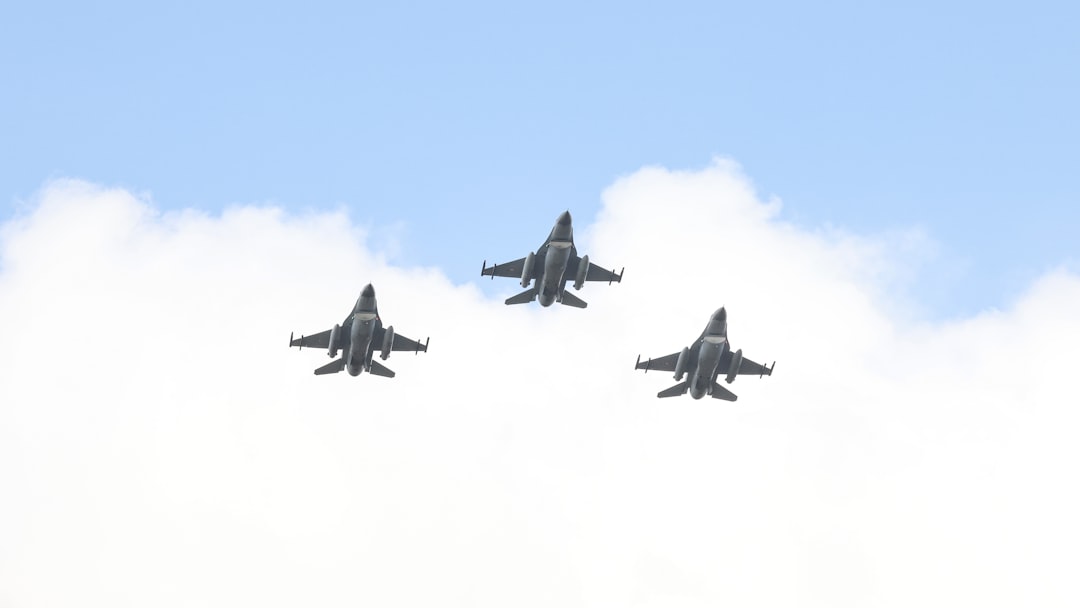
This division is responsible for a significant portion of Lockheed Martin’s military aircraft portfolio. Key programs include the F-16 Fighting Falcon, the F-22 Raptor, and the aforementioned F-35. The development of next-generation aircraft concepts also falls within its purview.
Missiles and Fire Control
This segment is a leader in developing and producing a wide range of missile systems. This includes air defense missiles, tactical missiles, and strategic missile components. The focus is on advanced guidance, targeting, and warhead technologies.
Space Division
Lockheed Martin’s space division is involved in the development of satellites for military, intelligence, and scientific purposes. It also plays a key role in NASA programs and the development of human spaceflight capabilities.
Boeing
Boeing is a dual-threat company, holding significant positions in both the commercial aviation and defense sectors. Unlike many defense-focused entities, its commercial aerospace business is a massive and highly visible part of its identity, producing a vast number of airliners that ply the skies globally. In defense, its portfolio includes military aircraft, rotorcraft, and sophisticated defense systems. The company has navigated its recent history with significant challenges, particularly in its commercial aviation production.
Defense, Space & Security
This segment encompasses a broad range of military products. This includes fighters like the F/A-18 Super Hornet, the P-8 Poseidon maritime patrol aircraft, and rotorcraft such as the Apache attack helicopter. It also includes critical positions in space launch systems and satellite development.
Commercial Airplanes
While not strictly defense, this division is a colossal entity whose successes and failures have a profound impact on the company’s overall trajectory. The production of the 737, 747, 767, 777, and 787 families of aircraft places Boeing at the forefront of global air travel.
Northrop Grumman
Northrop Grumman has strategically positioned itself as a leader in defense electronics, unmanned systems, and advanced strike capabilities. The company is known for its expertise in stealth technology and electronic warfare. Its portfolio often emphasizes sophisticated integration of complex systems and advanced sensing capabilities.
Defense Systems Sector
This sector is a major contributor to national security, providing a wide array of solutions including airborne early warning and control systems, electronic warfare systems, and advanced bomber aircraft like the B-2 Spirit.
Space Systems Sector
Northrop Grumman is a key player in the development and production of satellites and space components for both government and commercial applications. This includes critical work on satellite payloads and orbital mechanics.
Mission Systems Sector
This sector focuses on a variety of critical defense technologies, including advanced radar systems, secure communication networks, and cybersecurity solutions, forming an interconnected web of defense capabilities.
Raytheon Technologies (now RTX Corporation)
Raytheon Technologies, having merged with parts of United Technologies, is a powerhouse in advanced technologies for aerospace and defense. Its reach extends from missiles and sensors to aircraft engines and integrated defense systems. The company’s strength lies in its diverse technological base and its ability to integrate systems across multiple platforms.
Collins Aerospace
This segment provides a vast array of systems for commercial and military aircraft, including avionics, interior components, and propulsion systems. It forms a significant part of the airframe’s operational capabilities.
Pratt & Whitney
A renowned name in aero-engine manufacturing, Pratt & Whitney designs and produces jet engines for commercial airliners, military aircraft, and helicopters. Its expertise in thermodynamic efficiency and materials science is critical for performance.
Raytheon Missiles & Defense
This division is a leading designer and manufacturer of a wide variety of missile systems, including air defense, tactical missiles, and hypersonic weapons. Its focus is on precision strike and advanced intercept capabilities.
Raytheon Intelligence & Space
This segment provides advanced sensing, intelligence, and cyber solutions for defense and government customers, including radar systems, electro-optical sensors, and secure communication technologies.
Strategic Imperatives and Market Dynamics
The operating environment for leading aerospace and defense companies is characterized by a complex interplay of technological advancement, geopolitical shifts, and economic forces. Companies must remain agile, investing in research and development while navigating the often lengthy and demanding procurement cycles of government customers. The global nature of the industry also means companies must contend with international competition, export controls, and varying regulatory landscapes.
Research and Development Investment
The aerospace and defense industry is inherently innovation-driven. Companies allocate substantial resources to research and development (R&D) to maintain a technological edge. This investment is crucial for developing next-generation aircraft, advanced weapon systems, and cutting-edge space technologies. The cycle of innovation is often long, demanding sustained commitment and a foresight into future operational requirements.
Emerging Technologies
The pursuit of next-generation capabilities necessitates a constant exploration of emerging technologies. This includes advancements in artificial intelligence (AI) and machine learning for autonomous systems, directed energy weapons, hypersonic propulsion, and advanced materials science. Companies that can successfully integrate these technologies into their product lines are poised for future success.
Artificial Intelligence and Autonomy
The integration of AI is transforming both offensive and defensive capabilities. From autonomous drones and self-piloting aircraft to intelligent threat detection systems, AI is becoming a force multiplier. Developing robust and trustworthy AI algorithms is a critical challenge for the industry.
Hypersonic Capabilities
Hypersonic weapons, travelling at speeds exceeding Mach 5, represent a significant shift in military technology. Companies are investing heavily in developing platforms and propulsion systems capable of these extreme speeds, posing new challenges for defense strategies.
Cybersecurity and Information Warfare
In an increasingly interconnected world, cybersecurity has become a paramount concern for both civilian and defense applications. Aerospace and defense companies must develop robust defenses against cyber threats that could compromise critical infrastructure, weapon systems, or sensitive data. This also extends to information warfare, where control of the digital domain can be as vital as traditional military power.
Global Supply Chains and Partnerships
The complexity of modern aerospace and defense programs necessitates vast, interconnected global supply chains. Companies rely on a network of specialized suppliers for everything from raw materials and components to complex subsystems. These partnerships are crucial for cost-effectiveness, access to specialized expertise, and the ability to scale production.
International Collaboration
Many large-scale aerospace and defense projects are undertaken through international collaborations. Sharing development costs and technological risks among allied nations can be advantageous, but it also introduces complexities related to interoperability, technology transfer, and differing national requirements. The F-35 program, for instance, involves numerous international partners.
Export Markets and Regulations
Exporting defense systems is a significant revenue stream for many companies, but it is also heavily regulated. Governments maintain strict controls over the sale of military technology to ensure it aligns with their foreign policy objectives and security interests. Navigating these complex export regulations is a critical business function.
Regulatory and Political Landscapes
The aerospace and defense industry is subject to extensive government oversight and regulation, as well as being deeply influenced by political dynamics. Procurement decisions are often tied to national security strategies, defense budgets, and geopolitical alliances. Companies must therefore maintain strong relationships with government agencies and policymakers.
Government Procurement Cycles
Long-term government procurement contracts form the backbone of revenue for many defense companies. These cycles can be lengthy, involving extensive testing, validation, and review processes. Changes in government administrations or defense priorities can significantly impact these cycles.
Geopolitical Influence
Geopolitical events, regional conflicts, and evolving global threats directly influence the demand for aerospace and defense products and services. Companies must constantly monitor the global landscape to anticipate shifts in defense spending and technological requirements. The rise of new global powers and the resurgence of certain geopolitical tensions can create both opportunities and challenges.
Future Horizons and Emerging Trends
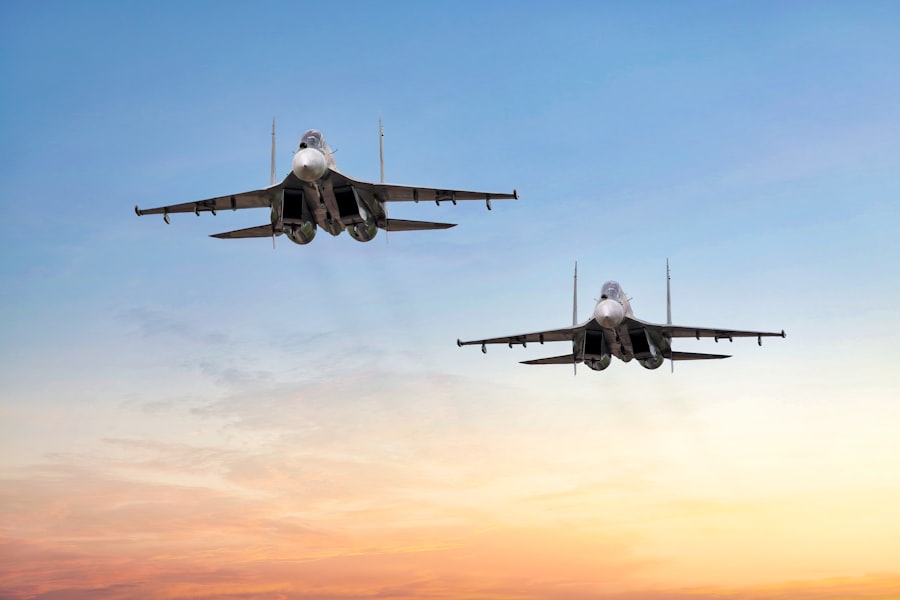
The aerospace and defense sector is not static; it is perpetually evolving, driven by technological innovation, changing global security needs, and the emergence of new economic models. The future will likely see a greater emphasis on agility, sustainability, and the integration of domain-spanning capabilities.
The Rise of Space Commercialization
The burgeoning commercial space industry, driven by private investment, is opening up new avenues for growth and innovation. Companies are developing new launch capabilities, satellite constellations for various services, and even exploring resource extraction and space tourism. This shift from a purely government-dominated domain to a more diversified market presents both opportunities and new competitive pressures.
New Space Ventures
A wave of agile, venture-backed companies are challenging established norms in space exploration and technology. Their focus on rapid iteration, reusability, and novel applications of space technology is reshaping the industry. These “New Space” companies often operate with a different mindset and business model than traditional players.
Swarm Technologies and Constellations
The deployment of large constellations of satellites, often for broadband internet, Earth observation, and communications, is a significant trend. This requires precise orbital management, robust ground infrastructure, and efficient manufacturing processes.
In-Space Servicing and Manufacturing
The ability to service, refuel, and even manufacture components in orbit is a frontier technology. This could dramatically extend the lifespan of satellites and enable new types of space-based infrastructure and industrial activity.
Sustainable Aerospace Initiatives
Environmental concerns are increasingly influencing the aerospace industry. There is a growing push towards developing more fuel-efficient aircraft, exploring alternative fuels (such as sustainable aviation fuels and hydrogen), and reducing the overall carbon footprint of air travel and operations.
Sustainable Aviation Fuels (SAFs)
The development and widespread adoption of SAFs are crucial for decarbonizing commercial aviation. Companies are investing in research and production of these fuels, which can be derived from sources like waste oils, agricultural residues, and synthetic processes.
Electric and Hybrid-Electric Propulsion
While large commercial aircraft primarily rely on traditional jet engines, research into electric and hybrid-electric propulsion systems for smaller aircraft and urban air mobility is gaining momentum. This promises quieter, more efficient, and potentially zero-emission flight.
Next-Generation Defense Capabilities
The nature of warfare continues to evolve, necessitating the development of advanced defense capabilities. This includes advancements in autonomous systems, cyber warfare capabilities, and the integration of artificial intelligence into combat platforms. The focus is shifting towards network-centric warfare and the ability to operate across multiple domains simultaneously.
Autonomous Weapon Systems
The development of increasingly sophisticated autonomous weapon systems raises complex ethical and strategic questions. These systems are designed to identify, select, and engage targets with minimal human intervention, requiring rigorous testing and international dialogue.
Multi-Domain Operations
The future of defense lies in the ability to operate seamlessly across air, land, sea, space, and cyberspace. Companies are developing integrated systems that allow for coordinated action and information sharing across all these domains, creating a unified operational picture.
Conclusion: Pillars of Innovation and Security
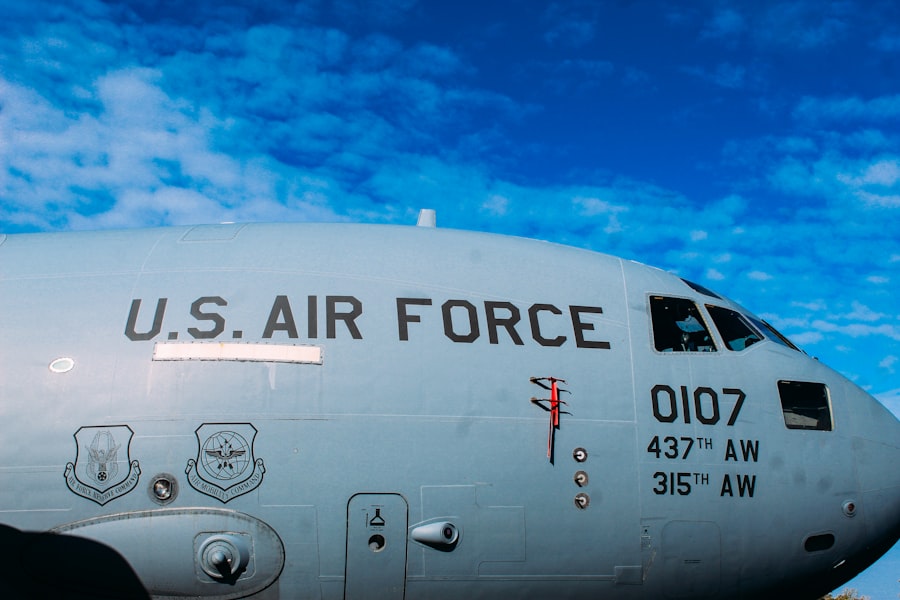
The leading aerospace and defense companies are more than just manufacturers; they are architects of national security, drivers of technological progress, and explorers of new frontiers. Their work, often conducted behind the scenes and unseen by the public, underpins global stability, facilitates international connectivity, and pushes the boundaries of human achievement. The challenges they face are immense, from the relentless pace of technological change to the complex geopolitical currents that shape their markets. However, their capacity for innovation, coupled with their deep-rooted expertise, positions them to continue playing a pivotal role in shaping our future, both on Earth and beyond. Their enduring legacy is built on a foundation of rigorous engineering, unwavering commitment to precision, and a constant drive to look at the horizon, not just at the immediate challenge.