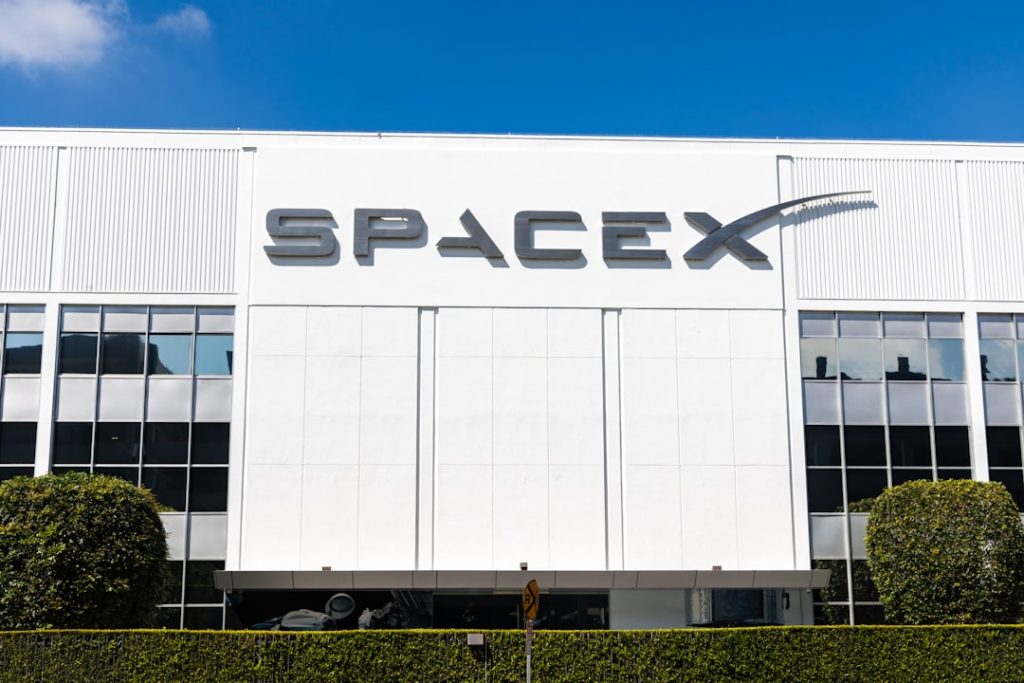
Rocket engineering has undergone significant development since its inception, transitioning from rudimentary pyrotechnic devices to complex machines capable of reaching orbit and beyond. This evolution has been driven by a continuous pursuit of efficiency, performance, safety, and cost-effectiveness, enabling humanity’s exploration of space and the development of numerous space-based technologies.
Propellant systems are the fundamental component of any rocket, providing the necessary thrust to overcome gravity and achieve spaceflight. The selection and optimization of these systems have been a primary focus of advancement.
Liquid Propellants

Liquid propellants offer high specific impulse, meaning they produce a large amount of thrust per unit of propellant consumed. They also allow for throttling and restart capabilities, providing greater control during flight.
Common Liquid Propellant Combinations
Historically, a variety of liquid propellant combinations have been employed. The most common include:
- Kerosene and Liquid Oxygen (RP-1/LOX): This combination, famously used in the Saturn V’s first stage and currently in SpaceX’s Falcon 9, offers a good balance of performance and storability. RP-1, a refined form of kerosene, is relatively stable and dense, while liquid oxygen is a potent oxidizer. The combustion process generates a significant amount of energy, but the exhaust products are primarily water vapor and carbon dioxide.
- Liquid Hydrogen and Liquid Oxygen (LH2/LOX): This high-energy propellant combination, utilized in the Space Shuttle main engines and the upper stages of many launch vehicles, delivers the highest specific impulse among commonly used chemical propellants. The chemical reaction between liquid hydrogen and liquid oxygen produces almost exclusively water vapor. However, liquid hydrogen is extremely cold (cryogenic) and has a very low density, requiring large, insulated tanks and complex handling procedures. Its storage and management present considerable engineering challenges.
- Hypergolic Propellants: These propellants ignite spontaneously upon contact, eliminating the need for an ignition system. This self-igniting property makes them highly reliable, particularly for applications where immediate ignition is critical, such as upper stages or spacecraft maneuvering thrusters. Common examples include:
- Monomethylhydrazine (MMH) and Nitrogen Tetroxide (NTO): This combination offers good performance and storability at ambient temperatures, making it suitable for long-duration missions and spacecraft that require precise orbital adjustments. The combustion products, however, are toxic.
- Hydrazine and NTO: Similar to MMH/NTO, hydrazine-based hypergolics provide reliable ignition and are often used in satellite propulsion systems.
Advancements in Liquid Propellant Technology
- Cryogenic Propellant Handling: The development of advanced insulation techniques, like multi-layer insulation (MLI) and vacuum jackets, has significantly improved the efficiency of storing and transporting cryogenic propellants like liquid hydrogen and oxygen. Improvements in turbopumps and injector designs have also led to more efficient combustion and higher overall performance.
- Additive Manufacturing (3D Printing): The application of additive manufacturing techniques to rocket engine components, such as injectors and combustion chambers, has revolutionized the design and production of liquid rocket engines. This technology allows for the creation of complex geometries that were previously impossible to manufacture, leading to lighter, more efficient, and more robust engines. It also reduces manufacturing lead times and costs.
- Engine Cycle Innovations: Various engine cycles have been developed to optimize the use of propellant energy. These include:
- Gas-generator cycles: Simpler and less efficient, these cycles use a small portion of the propellant to drive the turbopumps.
- Staged combustion cycles: More complex but highly efficient, these cycles pre-combust a small amount of propellant to generate hot gas to drive the turbopumps, which then injects the remaining propellant into the main combustion chamber. Variants like oxidizer-rich staged combustion (e.g., Soviet RD-170/180 engines) and fuel-rich staged combustion (e.g., Space Shuttle main engines) offer different performance characteristics.
Solid Propellants
Solid propellants are simpler in design and more robust than liquid propellants, making them ideal for boosters and applications where reliability and rapid ignition are paramount. They consist of a solid fuel and oxidizer mixed together, cast into a specific shape within the rocket motor casing.
Types of Solid Propellants
- Composite Propellants: These are the most common type of solid propellant, consisting of a binder (often a polymer like HTPB – hydroxyl-terminated polybutadiene), an oxidizer (like ammonium perchlorate – AP), and a fuel (often aluminum powder). The binder holds the oxidizer and fuel particles together, while the aluminum powder significantly increases the propellant’s energy density and combustion temperature.
- Double-Base Propellants: These propellants are based on nitrocellulose and nitroglycerin. They offer a higher energy content than some composite propellants but are generally more sensitive to shock and friction.
Advancements in Solid Propellant Technology
- Improved Propellant Formulations: Research has focused on developing formulations with higher specific impulse, reduced smoke signature (for military applications), and enhanced safety characteristics. The inclusion of advanced energetic materials and binders has contributed to these improvements.
- Grain Design: The geometry of the solid propellant grain within the motor casing is critical to controlling the burn rate and thrust profile. Advancements in computational fluid dynamics (CFD) and finite element analysis (FEA) allow for the precise design of complex internal grain geometries, enabling tailored thrust curves for specific mission requirements.
- Manufacturing Techniques: Modern manufacturing processes for solid rocket motors have improved consistency and reduced the risk of defects. Techniques like controlled casting and curing ensure uniform propellant properties and structural integrity.
Hybrid Propellants
Hybrid rocket engines combine features of both liquid and solid rocket engines. Typically, a solid fuel is burned with a liquid or gaseous oxidizer. This approach offers advantages such as simpler tankage compared to liquid engines, greater thrust control and safety compared to solid engines, and the potential for higher specific impulse than solid propellants.
Advancements in Hybrid Propellant Technology
- Fuel Formulations: Research is ongoing to develop novel solid fuel formulations that offer higher energy density and improved regression rates (the rate at which the fuel surface recedes during combustion).
- Oxidizer Injector Design: The design of the oxidizer injector is crucial for efficient mixing and combustion in hybrid engines. Advanced injector designs aim to maximize atomization and entrainment of the oxidizer into the fuel vapor stream.
- Ignition Systems: Reliable and efficient ignition systems are essential for hybrid rocket startup. Innovations in this area are crucial for their operational viability.
Structural Design and Materials: Building a Lighter, Stronger Rocket
The structural integrity of a rocket is paramount. It must withstand immense forces during launch, ascent, and spaceflight, while also being as lightweight as possible to maximize payload capacity.
Traditional Materials and Their Limitations
Historically, rockets have been constructed from aluminum alloys, steel, and titanium. While these materials offer good strength-to-weight ratios, advancements have been driven by the need for even higher performance and the ability to withstand extreme temperatures.
Advancements in Structural Materials
- Composites: Carbon fiber reinforced polymers (CFRPs) have become increasingly prevalent in rocket construction. These materials offer exceptionally high strength-to-weight ratios, stiffness, and resistance to fatigue and corrosion. They are used in everything from fuel tanks and interstages to fairings and even entire booster segments. Their use significantly reduces the overall mass of the launch vehicle, leading to improved payload capacity.
- Advanced Alloys: Developments in metallurgy have led to the creation of stronger, lighter, and more heat-resistant aluminum, titanium, and nickel alloys. These materials are critical in high-stress areas like engine components and areas exposed to extreme heat.
- Ceramic Matrix Composites (CMCs): These materials, composed of ceramic fibers embedded in a ceramic matrix, offer exceptional high-temperature performance. They are increasingly being used in rocket engine components, such as turbine blades and exhaust nozzles, where extreme heat is a significant challenge. Their ability to withstand these conditions without degradation is a key advantage.
- Additive Manufacturing for Structures: Beyond engine components, 3D printing is now being utilized to create large, complex structural elements of rockets, such as fuel tanks and support structures. This allows for optimized designs that can be lighter and stronger than traditionally manufactured parts, often with integrated features that reduce assembly complexity.
Avionics and Control Systems: The Rocket’s Brain and Nervous System
The avionics and control systems are responsible for guiding the rocket, managing its various subsystems, and ensuring mission success. This area has seen rapid technological progress, driven by advancements in computing power, sensor technology, and software development.
Guidance, Navigation, and Control (GNC)
GNC systems are the cornerstone of rocket control. They determine the rocket’s position, velocity, and orientation, and then calculate the necessary commands to steer it along its intended trajectory.
Key Components of GNC Systems
- Inertial Measurement Units (IMUs): These devices, containing accelerometers and gyroscopes, measure changes in the rocket’s acceleration and angular velocity, providing the foundational data for navigation.
- Global Navigation Satellite Systems (GNSS): Receivers like GPS provide absolute position and velocity data, which are integrated with IMU data for more accurate navigation.
- Flight Computers: Powerful onboard computers process sensor data, execute guidance algorithms, and generate control commands.
- Actuation Systems: These systems translate control commands into physical actions, such as moving fins, gimbaling engine nozzles, or firing thrusters.
Advancements in GNC Technology
- Miniaturization and Increased Processing Power: Modern avionics systems are significantly smaller and more powerful than their predecessors, allowing for greater integration and more sophisticated control algorithms to be implemented. This means rockets can achieve more precise trajectories and respond more effectively to unexpected events.
- Fault Tolerance and Redundancy: To enhance reliability, GNC systems incorporate redundancy, meaning critical components have backups. Advanced fault detection and isolation algorithms ensure that if one component fails, the system can seamlessly switch to a backup, preventing mission failure.
- Machine Learning and AI: The integration of machine learning algorithms is enabling GNC systems to learn from flight data, adapt to changing conditions, and potentially optimize trajectories in real-time. This is a frontier area with the potential to unlock new levels of performance and autonomy.
- Autonomous Landing and Recovery: The development of sophisticated GNC systems has enabled the autonomous landing of orbital rockets, such as those pioneered by SpaceX. This technology is crucial for reusability and reducing the cost of space access.
Communication and Telemetry
Reliable communication links are essential for transmitting data from the rocket to ground control and receiving commands.
Advancements in Communication Systems
- Digital Communication and Data Compression: Modern rockets utilize advanced digital communication systems that offer higher bandwidth and data transfer rates. Efficient data compression techniques allow for the transmission of vast amounts of telemetry data without overwhelming the communication link.
- Software-Defined Radios (SDRs): SDRs offer flexibility and adaptability in communication systems, allowing for software updates and reconfiguration in response to changing mission needs or communication protocols.
Propulsion System Enhancements: Pushing the Boundaries of Thrust
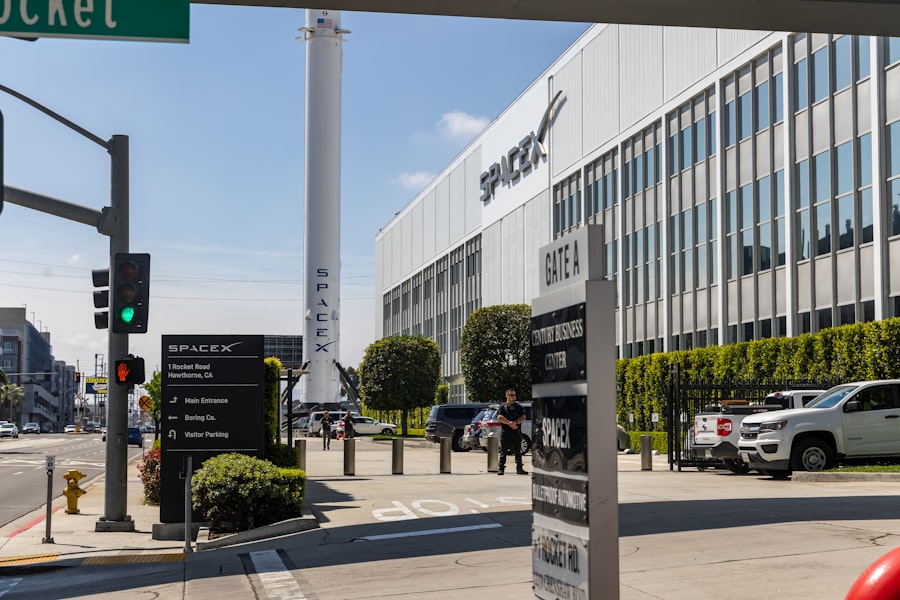
Beyond the fundamental propellant types, ongoing advancements are focused on improving the efficiency, power, and longevity of rocket propulsion systems.
Electric Propulsion
While chemical rockets provide the brute force for launch, electric propulsion systems offer high efficiency and longer operational lifespans for in-space maneuvers and deep space missions. They work by accelerating a propellant (often a noble gas like xenon) using electric or magnetic fields.
Types of Electric Propulsion
- Ion Thrusters: These devices use an electric field to accelerate ions, producing very high exhaust velocities but low thrust. They are ideal for long-duration missions where propellant efficiency is paramount.
- Hall-Effect Thrusters: Similar to ion thrusters, Hall-effect thrusters use electric and magnetic fields to accelerate plasma. They offer a balance between thrust and specific impulse and are widely used for satellite station-keeping and orbit raising.
- Pulsed Plasma Thrusters (PPTs): These thrusters operate by ablating a solid propellant, creating a plasma that is then accelerated. They are generally used for smaller spacecraft and attitude control.
Advancements in Electric Propulsion
- Increased Thrust and Efficiency: Research is continuously focused on increasing the thrust levels of electric propulsion systems while maintaining or improving their efficiency. This involves optimizing magnetic field configurations, propellant ionization techniques, and electrode materials.
- Novel Propellants: Exploration into alternative propellants that are more abundant or easier to handle than traditional noble gases is ongoing, aiming to reduce mission costs and complexity.
- Longer Lifespans and Reliability: Improvements in component materials and operational control strategies are extending the operational lifetimes of electric propulsion systems, making them more viable for demanding missions.
In-Space Propulsion Refueling and Servicing
The concept of refueling rockets in orbit or servicing spacecraft in space is a significant area of development, aiming to extend the lifespan of satellites, enable more complex missions, and reduce the cost of space exploration.
Advancements in Refueling and Servicing
- Robotic Capture and Docking: The development of robotic arms and sophisticated docking systems allows for spacecraft to autonomously rendezvous and connect with propellant depots or servicing vehicles.
- Propellant Transfer Technologies: Secure and efficient systems for transferring propellants between spacecraft are being developed, addressing challenges like cryogenic fluid transfer in vacuum.
- On-Orbit Manufacturing and Assembly: The ability to manufacture and assemble components or even entire spacecraft in orbit, combined with refueling capabilities, could revolutionize space logistics and construction.
Reusability and Cost Reduction: The Dawn of Affordable Spaceflight
| Metric | Description | Typical Value | Unit |
|---|---|---|---|
| Thrust | Force produced by the rocket engine | 760,000 | Newtons (N) |
| Specific Impulse (Isp) | Efficiency of rocket engine propellant | 300-450 | Seconds (s) |
| Chamber Pressure | Pressure inside the combustion chamber | 7-20 | Megapascals (MPa) |
| Burn Time | Duration of engine firing | 120-180 | Seconds (s) |
| Mass Flow Rate | Mass of propellant consumed per second | 250-500 | Kilograms per second (kg/s) |
| Exhaust Velocity | Velocity of gases exiting the nozzle | 2,500-4,500 | Meters per second (m/s) |
| Payload Capacity | Maximum mass the rocket can carry to orbit | 5,000-20,000 | Kilograms (kg) |
| Structural Mass Fraction | Ratio of structural mass to total launch mass | 0.10-0.15 | Dimensionless |
Perhaps the most impactful recent advancement in rocket engineering is the focus on reusability, a paradigm shift that has the potential to dramatically lower the cost of accessing space.
Vertical Takeoff, Vertical Landing (VTVL)
Pioneered by companies like SpaceX, VTVL technology involves rockets that can land themselves vertically after separating from their payload, enabling reuse of expensive first stages.
Key Technologies Enabling VTVL
- Advanced Control Systems: As discussed in the avionics section, precise GNC systems are paramount for controlling the descent and landing of a rocket.
- Grid Fins and Control Surfaces: These aerodynamic surfaces are used during the atmospheric descent to precisely control the rocket’s orientation and trajectory.
- Legs and Landing Systems: Robust landing legs are deployed to absorb the shock of touchdown and stabilize the rocket after landing.
- Re-ignition Capability: The ability of the engines to be re-ignited multiple times during the descent and landing sequence is critical.
- Propellant Management: Efficient management of residual propellants for the landing burns is essential.
Reusable Upper Stages and Fairings
The concept of reusability is now extending to other parts of the launch vehicle, including upper stages and payload fairings.
Advancements in Reusable Upper Stages
- Heat Shielding and Thermal Protection: Upper stages used for re-entry require advanced heat shielding to protect them from the extreme temperatures generated during atmospheric ascent.
- Aerodynamic Control for Re-entry: Similar to first stages, upper stages need systems for controlled re-entry and landing.
Advancements in Reusable Fairings
- Parachute and Gliding Systems: Mechanisms for safely releasing and recovering fairings after they have served their purpose.
- Aerodynamic Design for Recovery: Fairings are being designed for better aerodynamic stability during descent, facilitating easier recovery.
Commercialization and Infrastructure
The drive for reusability has also spurred the development of new infrastructure, including advanced launch sites, refurbishment facilities, and sophisticated logistics networks. This commercialization of spaceflight is a direct consequence of these engineering advancements, making space more accessible to a wider range of entities. The ongoing dialogue and development in this field promise a future where space access is not a luxury, but an increasingly common utility.