
The field of aerospace technology, particularly as it pertains to the North American continent, has undergone significant evolution. This progress is not a sudden leap but rather a steady accumulation of knowledge and innovation, much like a builder laying brick by brick, each advancement building upon the last. Over decades, these efforts have yielded breakthroughs in aircraft design, propulsion systems, materials science, and operational efficiency, shaping both civilian and military aviation landscapes.
The fundamental shape of an aircraft, its wings and fuselage, represents a delicate balance of forces. Early aircraft designs, often derived from glider principles, were characterized by biplane configurations and rudimentary control surfaces. The evolution of aerodynamic understanding, however, has led to increasingly sophisticated wing shapes and fuselage integrations.
Evolution of Wing Designs
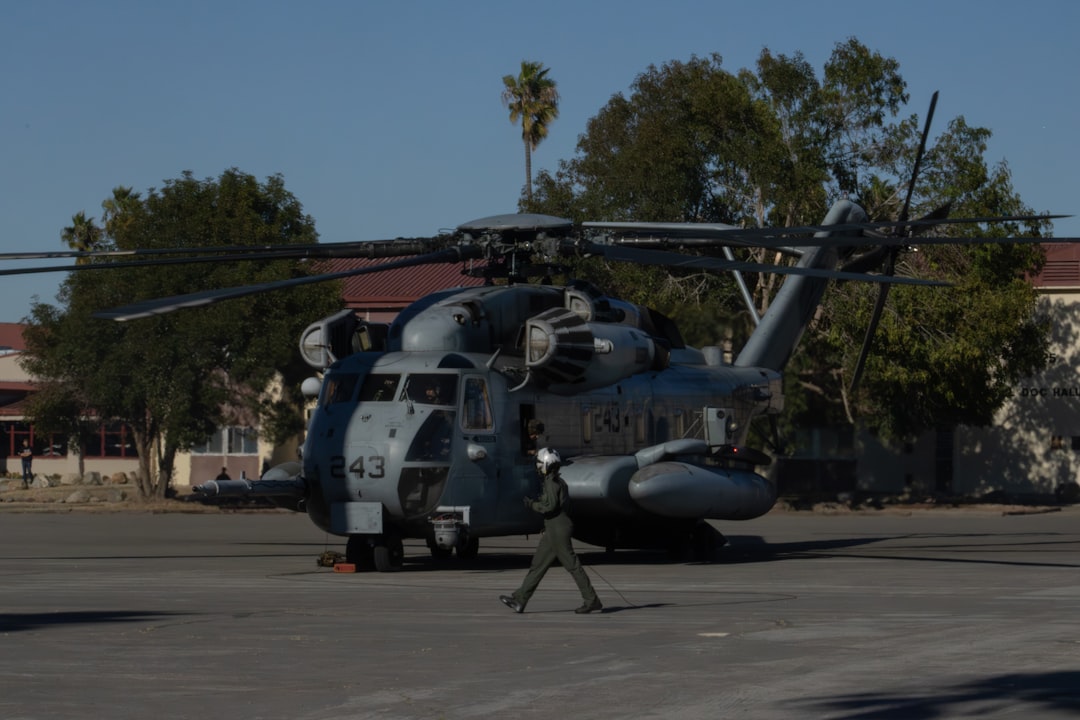
The progression from straight, rectangular wings to swept-back and variable-sweep wings reflects a deep understanding of airflow and its impact on speed and stability.
The Impact of Airfoil Theory
The development of precise airfoil theory in the early 20th century was a watershed moment. This scientific framework allowed engineers to systematically design wing cross-sections that generated lift efficiently across a range of speeds. The early NACA airfoils, for instance, provided a mathematical basis for achieving predictable aerodynamic performance, moving away from trial-and-error methods. Further refinement led to supercritical airfoils, designed to delay the onset of compressibility issues at transonic speeds, allowing aircraft to fly faster while maintaining fuel efficiency. This is akin to a runner finding a more efficient stride to maintain their pace for longer distances.
Wingtip Devices and Drag Reduction
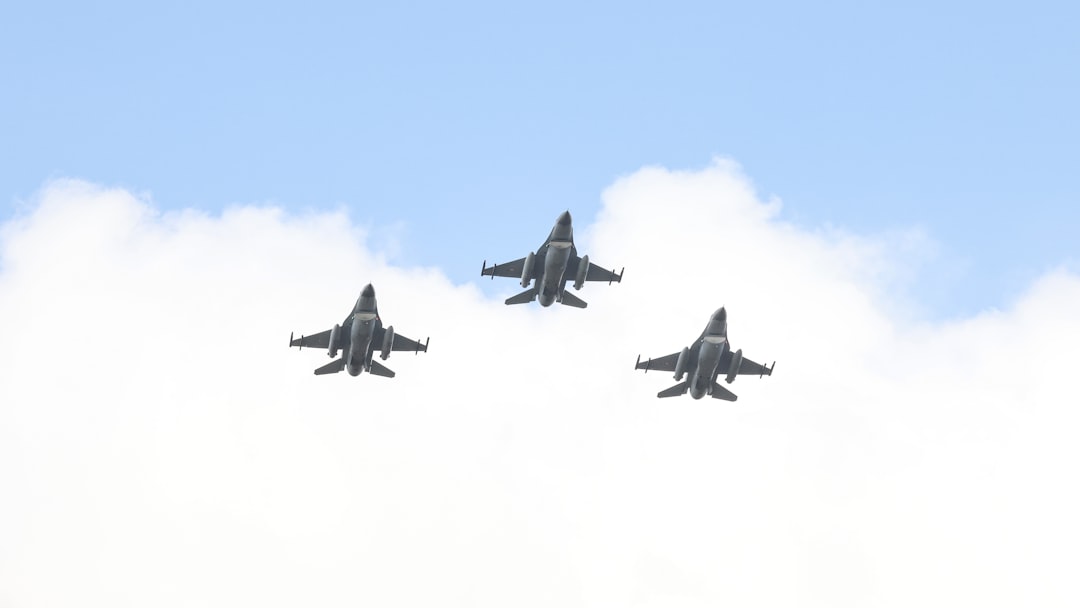
Modern aircraft increasingly incorporate wingtip devices, such as winglets and sharklets. These are not mere aesthetic additions but functional components designed to reduce induced drag, a significant source of energy loss at lower speeds and during takeoff and landing. By disrupting the formation of wingtip vortices, these devices improve fuel economy and reduce noise pollution, contributing to more sustainable aviation. Think of them as aerodynamic spoilers, smoothing out the turbulent wake behind the wing.
Fuselage Integration and Blended Designs
Beyond the wing, the fuselage’s design has also been optimized. While the traditional tube-and-wing configuration remains prevalent, concepts like blended wing body (BWB) aircraft explore radical departures. These designs aim to integrate the fuselage and wing into a single lifting surface, promising substantial reductions in drag and improvements in fuel efficiency. While still largely experimental, BWB concepts represent a potential paradigm shift in aircraft architecture, challenging established norms.
Propulsion System Innovations
The engine is the heart of any aircraft, and advancements in propulsion have been a driving force behind increased speed, range, and efficiency.
The Jet Engine Revolution
The advent of the jet engine, particularly the turbojet and later the turbofan, fundamentally altered the trajectory of aerospace technology. These engines, by expelling hot gas at high velocities, provided thrust far exceeding that of piston-powered propellers.
Turbofan Technology and Bypass Ratios
The development of the turbofan engine marked a significant leap in efficiency. By incorporating a large fan at the front that bypasses a portion of the airflow around the core engine, turbofans achieve a better thrust-to-fuel consumption ratio compared to pure turbojets. Increased bypass ratios in modern turbofans further enhance fuel economy and reduce noise levels, making them the dominant engine type for commercial aviation. This is like an efficient engine that not only powers the vehicle but also uses a portion of its energy to assist the main power source.
Electric and Hybrid Propulsion Concepts
Looking forward, the aerospace industry is actively exploring electric and hybrid propulsion systems. The challenges of battery energy density and weight remain significant hurdles, but research is progressing. Electric motors offer advantages in terms of reduced emissions, lower noise, and simpler maintenance. Hybrid systems, combining electric motors with conventional combustion engines, offer a potentially more immediate pathway to reduced environmental impact, providing a transitional bridge towards fully electric flight.
Advanced Fuel Technologies
The search for more sustainable aviation fuels is another critical area of advancement.
Biofuels and Sustainable Aviation Fuels (SAFs)
The development and implementation of Sustainable Aviation Fuels (SAFs), derived from sources such as agricultural waste, used cooking oil, and algae, offer a pathway to reducing the carbon footprint of aviation. While still in the early stages of widespread adoption, SAFs have the potential to significantly decarbonize the sector without requiring major overhauls of existing aircraft and infrastructure. This is akin to finding a cleaner-burning version of the same fuel, allowing existing engines to perform with a reduced environmental toll.
Hydrogen as a Future Fuel
The exploration of hydrogen as a fuel source for aviation represents a longer-term, more transformative prospect. Hydrogen combustion produces only water as a byproduct, offering the potential for zero-emission flight. However, significant challenges remain in terms of fuel storage, infrastructure development, and the energy-intensive production of green hydrogen.
Materials Science in Aerospace

The materials used in aircraft construction have undergone a profound transformation, driven by the need for lighter, stronger, and more resilient components.
Composites and Their Applications
The widespread adoption of advanced composite materials, particularly carbon fiber reinforced polymers (CFRPs), has revolutionized aircraft manufacturing. These materials offer a superior strength-to-weight ratio compared to traditional aluminum alloys, leading to lighter aircraft that consume less fuel and can carry greater payloads.
Manufacturing Techniques for Composites
The development of advanced manufacturing techniques for composites, such as automated fiber placement and resin transfer molding, has enabled the consistent and cost-effective production of complex composite structures. This has allowed for the integration of composite materials into larger and more critical components, such as wings and fuselage sections. Think of it as learning to sculpt with materials that are both lighter and stronger than traditional building blocks.
Advanced Metal Alloys
While composites have gained prominence, advanced metal alloys continue to play a vital role in aerospace. High-strength aluminum alloys, titanium alloys, and nickel-based superalloys are employed in applications requiring extreme temperature resistance, fatigue strength, and corrosion resistance.
Refinements in Alloy Composition and Processing
Ongoing research focuses on refining alloy compositions and developing new processing techniques, such as additive manufacturing (3D printing), to create lighter and more efficient metal components with complex geometries that were previously impossible to produce. This allows for intricate internal structures that can reduce weight without compromising strength.
Avionics and Digitalization of Flight

The “brains” of an aircraft, its avionics systems, have become increasingly sophisticated, driven by advancements in computing power, sensor technology, and data processing.
Fly-by-Wire Systems
The transition from mechanical flight control systems to “fly-by-wire” systems represents a significant shift. In fly-by-wire, pilot inputs are translated into electronic signals that command actuators to move control surfaces. This allows for more precise control, enhanced stability augmentation, and the integration of sophisticated flight management systems.
Benefits of Enhanced Control and Automation
Fly-by-wire systems enable features like automatic trim, stability augmentation, and envelope protection, which prevent pilots from exceeding aircraft performance limits. This enhances safety and reduces pilot workload, particularly in challenging flight conditions. This is like giving the pilot a sophisticated co-pilot that handles the intricate mechanics of flight control.
Integrated Flight Management Systems (IFMS)
Modern aircraft are equipped with sophisticated Integrated Flight Management Systems (IFMS). These systems integrate various navigation, performance, and communication functions, providing pilots with a comprehensive overview of the flight plan and real-time aircraft status.
Optimization of Flight Paths and Fuel Efficiency
IFMS plays a crucial role in optimizing flight paths to take advantage of wind conditions and avoid weather, thereby improving fuel efficiency and reducing flight times. They also manage various aircraft systems, contributing to overall operational efficiency. This is analogous to a highly efficient navigator and dispatcher, constantly recalculating the best route and managing resources.
Advanced Sensor Technology and Data Fusion
The increasing complexity of modern aircraft is underpinned by a vast array of sophisticated sensors.
Radar, Lidar, and Infrared Technologies
Advancements in radar, lidar, and infrared sensor technologies allow for enhanced situational awareness, improved weather detection, and more accurate navigation. Data fusion, a process of combining information from multiple sensors, provides pilots and automated systems with a more complete and reliable understanding of the surrounding environment. This is like equipping the aircraft with multiple sets of eyes, each specialized for different tasks, to perceive the world more comprehensively.
Sustainable Aviation and Future Directions
| Metric | Value | Unit | Year | Notes |
|---|---|---|---|---|
| Annual Revenue | 4.2 | Billion | 2023 | Estimated global aerospace division revenue |
| Number of Employees | 15,000 | People | 2023 | Worldwide aerospace workforce |
| R&D Investment | 350 | Million | 2023 | Investment in aerospace research and development |
| Aircraft Engines Produced | 1,200 | Units | 2023 | Number of engines manufactured |
| Global Market Share | 8.5 | Percent | 2023 | Share in aerospace engine market |
| Number of Patents Filed | 45 | Patents | 2023 | New aerospace technology patents |
The aerospace industry, like many others, faces increasing pressure to reduce its environmental impact. This has spurred significant research and development into sustainable aviation practices.
Noise Reduction Technologies
Beyond fuel efficiency, noise reduction remains a key area of focus for aircraft development.
Engine Design and Aerodynamic Treatments
Innovations in engine design, including acoustic liners and optimized fan and nozzle geometries, have significantly reduced engine noise. Furthermore, aerodynamic treatments on airframes and wingtips contribute to a quieter flight experience. This is like designing an engine that “whispers” rather than “shouts.”
Emissions Reduction Strategies
The long-term goal of zero-emission aviation is driving research into a variety of technologies.
Alternative Fuels and Electric Propulsion
As previously discussed, the adoption of SAFs and the development of electric and hybrid propulsion systems are crucial for reducing greenhouse gas emissions. The challenge lies in scaling these technologies to meet the demands of global aviation.
Advanced Air Traffic Management
Optimizing air traffic management (ATM) is another key component of sustainable aviation.
Digitalization and Automation of Air Traffic Control
The digitalization and automation of ATM systems promise to increase airspace capacity, reduce flight delays, and improve fuel efficiency by enabling more direct routing and optimized sequencing of aircraft. This is like creating a more intelligent and responsive traffic control system for the skies.