The pursuit of a Doctor of Philosophy (PhD) in Aeronautical Engineering represents a significant commitment to advancing knowledge in a field that shapes how humanity interacts with the sky and beyond. This doctoral degree is not merely an academic achievement; it is a crucible in which theoretical understanding is forged into practical innovation, preparing individuals to lead research and development efforts that will define the next era of flight.
A PhD in Aeronautical Engineering is the highest academic credential attainable in this discipline. It signifies a deep dive into a specialized area, requiring original research that contributes meaningfully to the body of scientific knowledge. Unlike a Bachelor’s or Master’s degree, which often focuses on mastering existing knowledge, a PhD centers on creating new knowledge.
Core Disciplinary Foundations
The curriculum for a PhD program in aeronautical engineering builds upon a robust undergraduate and graduate foundation. Students are expected to possess a thorough understanding of aerodynamics, structural mechanics, propulsion systems, flight dynamics and control, and materials science. These fundamental pillars are not just revisited but are explored at a far more intricate level.
Aerodynamics and Fluid Dynamics
At the heart of aeronautical engineering lies the study of air and its interaction with moving bodies. Doctoral candidates delve into advanced computational fluid dynamics (CFD), high-fidelity simulations of complex flow phenomena such as turbulence, shock waves, and boundary layer separation. They may also engage in experimental aerodynamics, utilizing state-of-the-art wind tunnels and advanced measurement techniques to validate theoretical models. This is akin to understanding the subtle whispers of the wind before attempting to command a hurricane.
Aerospace Structures and Materials
The structural integrity of an aircraft or spacecraft is paramount. PhD students explore the mechanics of advanced composite materials, investigate fatigue and fracture behavior, and develop novel structural designs that optimize strength-to-weight ratios. This can involve finite element analysis (FEA) of intricate geometries and exploring the resilience of materials under extreme conditions, from the crushing pressures of atmospheric entry to the cryogenic temperatures of deep space. The materials chosen are the very bones upon which flight is built.
Propulsion Systems and Thermodynamics
The power that propels aircraft and spacecraft is a critical area of doctoral research. Students may focus on the design and analysis of advanced jet engines, rocket motors, or explore emerging technologies like electric propulsion or hybrid systems. This involves deep thermodynamic analysis, combustion modeling, and the integration of complex engine components. Understanding propulsion is understanding the engine that drives the heart of the machine.
Flight Dynamics, Control, and Systems Engineering
Ensuring stability, maneuverability, and autonomous operation is the domain of flight dynamics and control. Doctoral candidates develop sophisticated control algorithms, investigate the dynamics of unconventional aircraft configurations, and contribute to the design of integrated avionics systems. This requires a synthesis of mathematical modeling, control theory, and systems engineering principles. The control systems are the nervous system of the aerial vehicle.
The Research Thesis: The Cornerstone of Doctoral Achievement
The dissertation is the defining element of a PhD program. It is an independent research project, undertaken under the guidance of a faculty advisor, that culminates in a substantial written document and an oral defense. This research is expected to be original, contributing new theories, methodologies, or datasets to the field. The process of developing a thesis is like navigating an uncharted ocean, charting new territories of understanding.
Identifying a Research Problem
The journey begins with identifying a significant gap in existing knowledge or a pressing challenge within aeronautical engineering. This might involve proposing a more efficient wing design, developing a new method for detecting aircraft structural flaws, or advancing the understanding of atmospheric entry physics. The ability to pinpoint a crucial question is the compass guiding the research vessel.
Methodological Development and Execution
Once a problem is defined, doctoral candidates must develop and implement a rigorous research methodology. This could involve complex mathematical modeling, computational simulations, experimental design and data acquisition, or a combination thereof. The execution requires meticulous attention to detail and adherence to scientific principles. This phase is the meticulous construction of the ship and its navigation tools.
Analysis and Interpretation of Results
The data generated through research must be thoroughly analyzed and interpreted. This involves statistical methods, comparative analysis with existing literature, and drawing reasoned conclusions. The ability to extract meaningful insights from complex datasets is a critical skill. This is akin to deciphering the stars and currents to plot a course.
Dissemination and Defense of Findings
The culmination of the research is the dissertation, which must then be defended before a committee of experts. This oral examination assesses the candidate’s mastery of their research topic and their ability to articulate their findings effectively. The defense is the public presentation of the voyage and its discoveries.
Specializations within Aeronautical Engineering PhD Programs
Aeronautical engineering is a broad field, and doctoral programs often allow for specialization to address niche areas of inquiry and innovation. These specializations equip graduates with highly specific expertise.
Aerospace Systems Design
This specialization focuses on the holistic design of aerospace vehicles, integrating various subsystems to meet complex performance requirements. PhD candidates in this area might work on designing next-generation commercial aircraft, advanced military platforms, or even space exploration vehicles. They consider the interplay between aerodynamics, structures, propulsion, and control systems from conception to preliminary design.
Aerodynamics and Fluid Mechanics
As noted previously, this area remains a core focus for many doctoral candidates. Research can span fundamental fluid physics, advanced aerodynamic modeling for novel aircraft configurations (e.g., blended wing bodies, hypersonic vehicles), and the development of noise reduction technologies.
Structural Engineering and Materials Science
Doctoral research here often involves the development of lightweight yet robust materials, advanced manufacturing techniques for aerospace components (such as additive manufacturing), and the analysis of structural integrity under extreme loading conditions. This can include research into self-healing materials or structures resistant to space debris impacts.
Propulsion and Power Systems
This specialization includes the design of more efficient and environmentally friendly engines, the exploration of alternative fuels, and the development of advanced rocket propulsion for space missions. Research can also extend to the integration of electric and hybrid propulsion systems for aviation.
Flight Mechanics and Control Systems
Doctoral candidates in this area focus on developing advanced flight control laws for autonomous vehicles, stability and control of agile aircraft, and the design of sophisticated guidance, navigation, and control (GNC) systems for spacecraft.
The Future Landscape of Aeronautical Engineering Research
The field of aeronautical engineering is constantly evolving, driven by technological advancements, global challenges, and the ever-expanding desire to explore the cosmos. Doctoral research plays a pivotal role in shaping this future.
Sustainable Aviation
A significant driver of current research is the need for more sustainable aviation practices. PhDs are actively contributing to the development of:
Electric and Hybrid-Electric Propulsion
This area is experiencing rapid growth, with doctoral candidates investigating battery technologies, electric motor efficiency, and the integration of electric powertrains into aircraft architectures. The goal is to significantly reduce or eliminate emissions from air travel.
Advanced Aerodynamics for Efficiency
Research continues into optimizing wing shapes, fuselage designs, and control surfaces to reduce drag and improve fuel efficiency. This includes the study of laminar flow control and other techniques to minimize energy loss.
Sustainable Materials and Manufacturing
Doctoral work is exploring the use of bio-based composites, recycled materials, and advanced manufacturing processes that reduce waste and energy consumption in aircraft production.
Hypersonic Flight and Space Exploration
The pursuit of faster travel through the atmosphere and beyond is a persistent frontier for aeronautical engineering. PhD research is central to:
Hypersonic Vehicle Design and Aerothermodynamics
This involves understanding and modeling the complex physics of flight at speeds exceeding Mach 5, including high-temperature gas effects and shock wave interactions. Developing materials that can withstand these extreme conditions is also a key focus.
Advanced Rocketry and Spacecraft Propulsion
Doctoral candidates are pushing the boundaries of rocket engine efficiency and exploring novel propulsion concepts for interplanetary travel, such as nuclear thermal propulsion or advanced electric propulsion systems for deep space missions.
Reusable Launch Systems and Spacecraft Autonomy
Research is focused on developing more cost-effective access to space through reusable rockets and creating autonomous systems that can manage complex missions in remote or hazardous environments.
Unmanned Aerial Vehicles (UAVs) and Autonomous Systems
The proliferation of drones has created a demand for advanced research in their design, operation, and integration into airspace. PhDs are contributing to:
Advanced Autonomy and AI in Flight Control
This involves developing sophisticated algorithms for UAVs to perform complex tasks autonomously, including navigation, obstacle avoidance, and decision-making in dynamic environments.
Swarm Robotics and Multi-UAV Coordination
Research is exploring how large numbers of UAVs can work together cooperatively to achieve common goals, such as surveillance, delivery, or complex aerial maneuvers.
Urban Air Mobility (UAM) and eVTOL Development
Doctoral research is instrumental in addressing the challenges of integrating electric vertical take-off and landing (eVTOL) aircraft into urban environments, including air traffic management, safety, and noise reduction.
Career Trajectories for Aeronautical Engineering PhD Holders
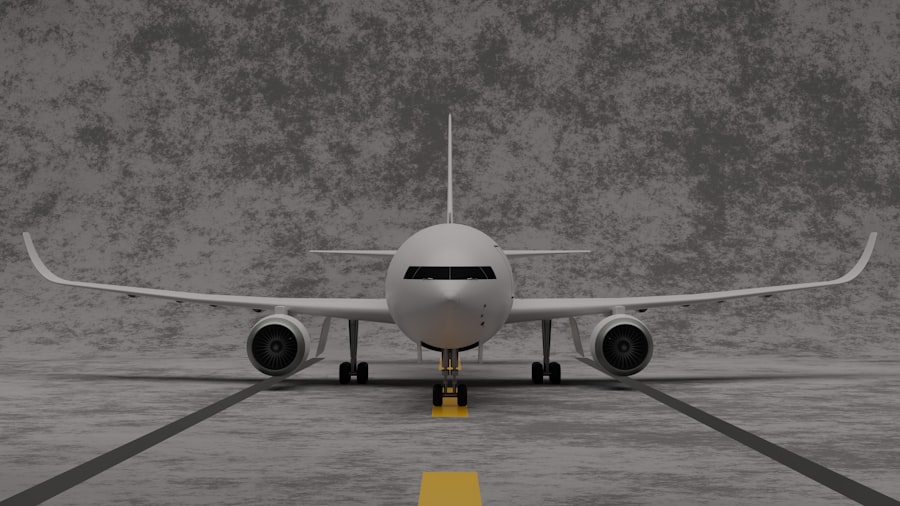
The attainment of a PhD in Aeronautical Engineering opens doors to a wide array of challenging and impactful career paths, equipping graduates to be leaders and innovators.
Academia and Fundamental Research
Many PhD graduates pursue careers in academia, establishing themselves as professors and researchers. They contribute to the education of future engineers, conduct groundbreaking research, and publish their findings in leading scientific journals. This path is akin to becoming a lighthouse, guiding future generations through the complexities of the field.
Industry R&D Leadership
Top private aerospace companies actively recruit PhD holders to lead their research and development efforts. These roles involve pushing the boundaries of technology, conceptualizing new products, and overseeing complex engineering projects. Innovators in this space are the architects of tomorrow’s flight.
Government and National Laboratories
Government agencies and national research laboratories employ PhD engineers to conduct critical research for national defense, space exploration, and public safety. These positions often involve working on high-impact, often classified, projects that have far-reaching consequences. These individuals are the guardians of progress, ensuring technological advancement serves the greater good.
Specialized Consulting and Entrepreneurship
With their deep expertise, PhD graduates are well-positioned to offer specialized consulting services to aerospace companies or to establish their own innovative startups. This allows them to directly translate their research into practical applications and market solutions. They become the specialized surgeons of the industry, diagnosing and solving its most intricate problems.
The Impact and Significance of Doctoral Research
| Metric | Details |
|---|---|
| Average Duration | 4 to 6 years |
| Core Research Areas | Aerodynamics, Propulsion, Structures, Flight Mechanics, Avionics |
| Typical Coursework | Advanced Fluid Dynamics, Computational Methods, Materials Science, Control Systems |
| Common Research Methods | Wind Tunnel Testing, CFD Simulations, Experimental Aerodynamics |
| Career Outcomes | Research Scientist, Aerospace Engineer, University Professor, R&D Specialist |
| Top Journals for Publication | AIAA Journal, Journal of Aircraft, Aerospace Science and Technology |
| Funding Sources | Government Grants, Aerospace Industry Sponsorships, University Fellowships |
| Average Publications During PhD | 3 to 6 peer-reviewed papers |
| Key Skills Developed | Analytical Thinking, Problem Solving, Advanced Simulation, Experimental Design |
The contributions of aeronautical engineering PhD holders extend far beyond the laboratories and lecture halls. Their work has a tangible and profound impact on society, economics, and humanity’s exploration of the universe.
Enabling Technological Advancements
The original research conducted at the doctoral level often forms the bedrock for future technological breakthroughs. New materials, more efficient designs, and advanced control systems developed by PhD candidates pave the way for improved aircraft, spacecraft, and aerospace systems. They are the alchemists who transmute raw scientific understanding into practical marvels.
Driving Economic Growth and Innovation
The aerospace sector is a significant contributor to global economies. PhD-level research fuels innovation within this sector, leading to new industries, job creation, and economic expansion. Their discoveries are the seeds from which industries bloom.
Advancing Scientific Understanding
Beyond engineering applications, doctoral research in aeronautical engineering expands our fundamental understanding of physics, fluid dynamics, and material science. This knowledge contributes to the broader scientific endeavor, enriching our understanding of the natural world. They are the cartographers of the invisible realms of science.
Inspiring Future Generations
The dedication and achievements of aeronautical engineering PhD holders serve as inspiration for aspiring scientists and engineers. Their pursuit of knowledge and their contributions to discovery encourage young minds to engage with STEM fields and to envision their own contributions to the future. They are the role models who illuminate the path forward for those who follow.