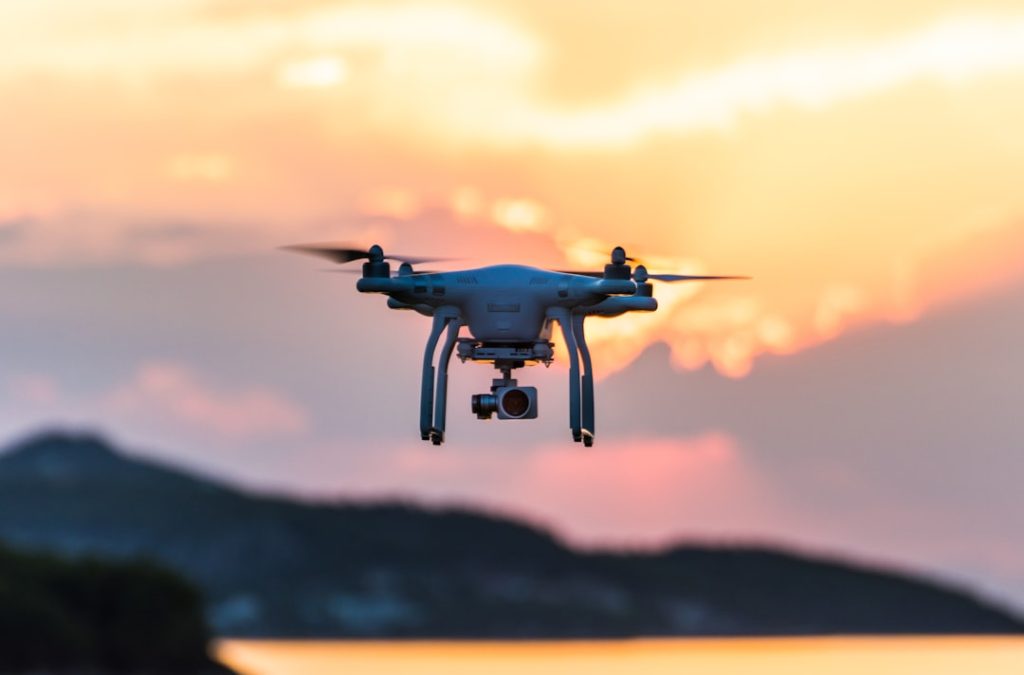
The emergence of advanced aerial technology has transformed the landscape of both military and civilian applications. Among the notable advancements are the Anka and Tai drones, which have gained prominence for their sophisticated capabilities. The Anka, developed by Turkish Aerospace Industries, is a medium-altitude long-endurance (MALE) unmanned aerial vehicle (UAV) designed for intelligence, surveillance, and reconnaissance (ISR) missions.
Its ability to operate in diverse environments and perform various tasks has made it a valuable asset for military operations. Similarly, the Tai drone, which is part of a broader category of UAVs, has been engineered to meet the demands of modern warfare and surveillance needs. The rise of these drones is not merely a technological evolution; it reflects a strategic shift in how nations approach defense and security.
Countries are increasingly investing in drone technology to enhance their operational capabilities while minimizing risks to human life. The proliferation of drones like Anka and Tai signifies a broader trend toward automation in warfare, where unmanned systems can conduct missions that were once perilous for human pilots. This shift has sparked interest from various sectors, including agriculture, logistics, and emergency response, as the versatility of drones opens new avenues for innovation.
Key Takeaways
- Anka, Tai, and drones have rapidly advanced, transforming aerial technology applications.
- These technologies significantly impact industries like agriculture, surveillance, and delivery services.
- While offering advantages such as efficiency and precision, they also face limitations like battery life and regulatory hurdles.
- Military and defense sectors heavily rely on aerial technology for reconnaissance and strategic operations.
- Ethical, legal, and safety concerns must be addressed to ensure responsible integration into daily life.
The Impact of Aerial Technology on Various Industries

Aerial technology has permeated numerous industries, revolutionizing traditional practices and introducing efficiencies that were previously unattainable. In agriculture, for instance, drones equipped with multispectral cameras can monitor crop health, assess soil conditions, and optimize irrigation practices. Farmers can gather real-time data on their fields, allowing them to make informed decisions that enhance yield and reduce waste.
This precision agriculture approach not only boosts productivity but also promotes sustainable farming practices by minimizing the use of fertilizers and pesticides. In the realm of logistics and delivery services, aerial technology is reshaping how goods are transported. Companies like Amazon have invested heavily in drone delivery systems to expedite shipping processes.
Drones can navigate urban landscapes to deliver packages directly to consumers’ doorsteps, significantly reducing delivery times compared to traditional methods. This innovation is particularly beneficial in remote or hard-to-reach areas where conventional transportation may be inefficient or costly. The integration of drones into supply chains is expected to streamline operations and lower costs, ultimately benefiting both businesses and consumers.
The Advantages and Limitations of Anka, Tai, and Drone
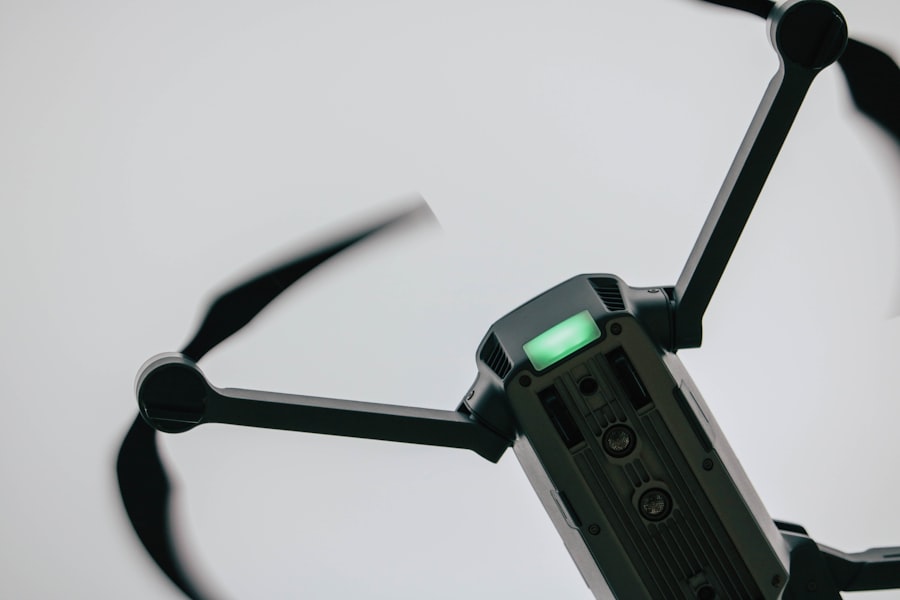
The advantages of drones like Anka and Tai are manifold, particularly in their operational flexibility and cost-effectiveness. These UAVs can be deployed for a variety of missions without risking human lives, making them ideal for reconnaissance in hostile environments or disaster-stricken areas. Their ability to remain airborne for extended periods allows for continuous surveillance and data collection, which is invaluable for military strategists and emergency responders alike.
Furthermore, the relatively low operational costs associated with drones compared to manned aircraft make them an attractive option for governments and organizations looking to maximize their resources. However, despite their numerous benefits, there are limitations inherent in the use of drones. One significant challenge is the issue of airspace regulation and safety.
As drone usage increases, so does the potential for collisions with manned aircraft or other drones. This necessitates stringent regulations and air traffic management systems to ensure safe operation. Additionally, while drones can gather vast amounts of data, interpreting this information requires advanced analytics capabilities that may not be readily available to all users.
Furthermore, reliance on drone technology raises concerns about cybersecurity; as these systems become more integrated into critical infrastructure, they become potential targets for malicious actors seeking to disrupt operations.
The Role of Aerial Technology in Military and Defense
In the military domain, aerial technology has fundamentally altered the nature of warfare. Drones like Anka and Tai are not only used for surveillance but also for precision strikes against enemy targets. Their ability to loiter over an area for extended periods allows military forces to gather intelligence before executing missions with pinpoint accuracy.
This capability reduces collateral damage and enhances operational effectiveness, making drones an essential component of modern military strategy. Moreover, the integration of aerial technology into defense systems has led to the development of advanced weaponry that can be deployed from UAVs. Armed drones can carry out targeted strikes with minimal risk to personnel while providing real-time intelligence to commanders on the ground.
This shift towards unmanned systems reflects a broader trend in military operations where technology plays a crucial role in decision-making processes. As nations continue to invest in drone technology, the implications for global security dynamics are profound, potentially altering power balances and strategic alliances.
The Future of Aerial Technology: Innovation and Development
| Metric | Value | Unit | Description |
|---|---|---|---|
| Model | Anka-S | – | Turkish Armed Forces’ tactical drone model |
| Manufacturer | TAI (Turkish Aerospace Industries) | – | Company producing the Anka drone series |
| Maximum Takeoff Weight | 1,500 | kg | Maximum weight at takeoff |
| Endurance | 24 | hours | Maximum flight duration |
| Operational Altitude | 30,000 | feet | Maximum operational flight altitude |
| Payload Capacity | 200 | kg | Maximum weight of sensors and equipment |
| Communication Range | 150 | km | Line-of-sight control range |
| Engine Type | Rotax 912 | – | Type of engine used in Anka drone |
The future of aerial technology is poised for remarkable innovation as advancements in artificial intelligence (AI), machine learning, and materials science converge to enhance drone capabilities. Emerging technologies such as autonomous navigation systems will enable drones to operate with minimal human intervention, allowing them to execute complex missions in dynamic environments. This autonomy will not only improve efficiency but also expand the range of applications for drones across various sectors.
Additionally, developments in battery technology are set to extend the operational range and endurance of UAVs significantly. As energy storage solutions improve, drones will be able to fly longer distances without needing to recharge or refuel, making them even more valuable for applications such as search and rescue operations or environmental monitoring. The integration of AI-driven analytics will also enable drones to process data in real-time, providing actionable insights that can inform decision-making across industries.
The Ethical and Legal Implications of Anka, Tai, and Drone Use
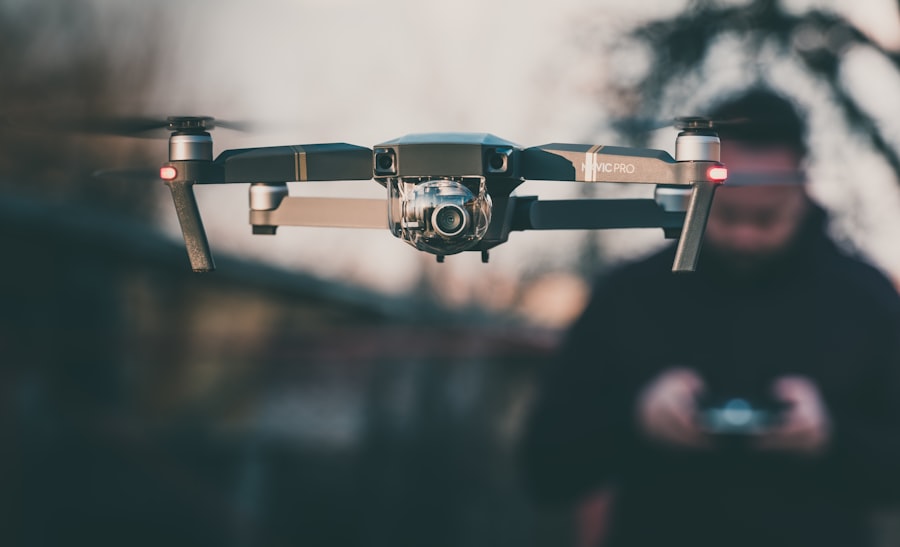
The proliferation of drones raises critical ethical and legal questions that society must address as these technologies become more integrated into daily life. One major concern revolves around privacy; the ability of drones to capture high-resolution images and videos from the sky poses significant risks to individual privacy rights. As drones become more ubiquitous in urban environments, there is a growing need for regulations that protect citizens from unwarranted surveillance while balancing the benefits that aerial technology can provide.
Furthermore, the use of armed drones in military operations has sparked intense debate regarding accountability and the rules of engagement. The potential for remote operators to conduct strikes from thousands of miles away raises questions about the moral implications of warfare conducted via unmanned systems. Issues such as civilian casualties and the lack of transparency in drone strikes necessitate a reevaluation of existing legal frameworks governing armed conflict.
As nations grapple with these challenges, establishing clear guidelines for drone use will be essential to ensure ethical standards are upheld.
The Integration of Aerial Technology in Everyday Life
As aerial technology continues to evolve, its integration into everyday life is becoming increasingly apparent. Drones are being utilized in various sectors beyond military applications; they are now commonplace in industries such as real estate, where aerial photography provides stunning visuals for property listings. Real estate agents can showcase properties from unique angles that highlight their features while offering potential buyers a comprehensive view of the surrounding area.
Moreover, aerial technology is making significant strides in public safety and emergency response. Drones equipped with thermal imaging cameras can assist firefighters by identifying hotspots in wildfires or locating missing persons during search-and-rescue missions. Law enforcement agencies are also leveraging drone technology for crowd monitoring during large events or assessing crime scenes from above.
As these applications become more widespread, society will likely see an increasing acceptance of drones as valuable tools that enhance safety and efficiency in various aspects of daily life.
The Potential Risks and Challenges of Aerial Technology
Despite the myriad benefits associated with aerial technology, several risks and challenges must be addressed to ensure its safe and responsible use. One significant concern is the potential for accidents involving drones, particularly in populated areas where collisions could result in injury or property damage. As drone traffic increases, establishing comprehensive air traffic management systems becomes imperative to mitigate these risks effectively.
Additionally, there are concerns regarding cybersecurity vulnerabilities associated with drone operations. As UAVs become more interconnected with other systems—such as GPS navigation or data transmission networks—they may become susceptible to hacking or interference from malicious actors. Ensuring robust cybersecurity measures are in place will be crucial to safeguarding both military operations and civilian applications from potential threats.
Furthermore, public perception plays a vital role in the acceptance of aerial technology. Misunderstandings about drone capabilities or fears surrounding privacy invasion can lead to resistance against their use in certain contexts. Engaging with communities to educate them about the benefits and safety measures associated with drone technology will be essential in fostering a positive relationship between society and these innovative tools.
In conclusion, while aerial technology presents numerous opportunities across various sectors, it also poses significant challenges that require careful consideration and proactive management. As we move forward into an era defined by rapid technological advancement, striking a balance between innovation and ethical responsibility will be paramount in shaping the future landscape of aerial technology.