
BAE Systems stands as a significant entity within the global defense and aerospace sectors, with a substantial footprint in the United Kingdom. The company’s operations span the design, development, manufacture, and support of a wide array of defense and security equipment. Its heritage is rooted in the consolidation of several prominent British defense firms, creating a national champion capable of undertaking complex, large-scale projects.
As a major employer and a key contributor to the UK’s industrial landscape, BAE Systems plays a role in maintaining national sovereignty and technological independence. The company’s activities impact various domains, including air, land, and sea, as well as cyber and intelligence. Its success is often viewed through the lens of its ability to deliver advanced technological solutions to military and security customers, both domestically and internationally.

However, like any large industrial conglomerate, BAE Systems faces ongoing scrutiny regarding its business practices, its impact on geopolitical events, and its adaptation to evolving technological paradigms and market demands. The narrative of a “leader in British aerospace innovation” requires examination through the prism of concrete achievements and ongoing challenges.
The establishment of BAE Systems was not an overnight event but rather the culmination of decades of consolidation within the British defense industry. The sector, once comprising numerous independent companies, underwent a period of significant restructuring in the latter half of the 20th century. This was driven by increasing costs, the need for greater efficiency, and the consolidation of customer bases, primarily national governments.
The Legacy of British Aerospace
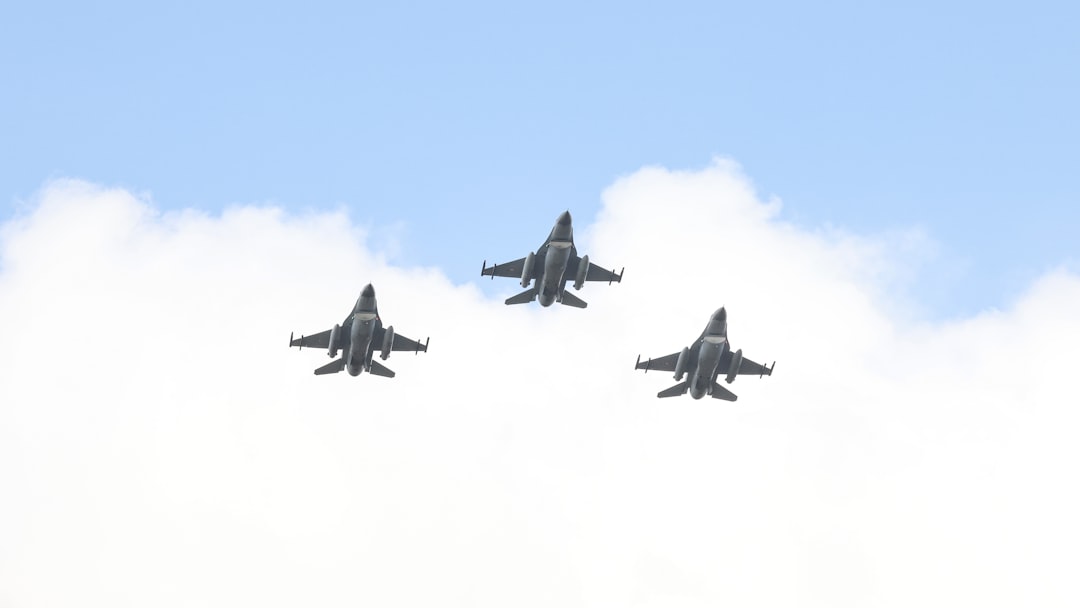
The most direct progenitor of BAE Systems was British Aerospace (BAe), formed in 1977 through the nationalization and subsequent merger of four major independent aircraft manufacturers: Hawker Siddeley Aviation, Hawker Siddeley Dynamics, Scottish Aviation, and the British Aircraft Corporation. This was a pivotal moment, creating a unified national aerospace entity.
- The Antecedents: Each of the merged companies brought its own distinct history and expertise. Hawker Siddeley, for instance, had a strong background in military aircraft like the Harrier jump jet, while BAC was known for civilian aircraft such as the Concorde and military projects like the Jaguar fighter.
- Objectives of Nationalization: The nationalization aimed to pool resources, reduce duplication, and ensure the survival of the UK’s aerospace capabilities in the face of fierce international competition. It was intended to create a powerful industrial engine capable of developing and producing aircraft domestically.
- Early Projects and Challenges: British Aerospace inherited a portfolio of existing projects and embarked on new ones. The company navigated the complexities of international collaborations, such as its involvement in the Panavia Tornado multirole combat aircraft program alongside Germany and Italy. However, it also faced economic headwinds and the need to adapt to shifting defense budgets.
The Marconi Merger and the Birth of BAE Systems
The definitive transformation occurred in 1999 with the acquisition of Marconi Electronic Systems (MES) by British Aerospace. MES was the defense arm of the GEC (General Electric Company) conglomerate, bringing with it significant expertise in naval systems, land systems, and electronics.
- Scope of MES: Marconi Electronic Systems encompassed a broad range of capabilities, including the design and manufacture of warships, submarines, armored vehicles, and advanced electronic warfare systems, radar, and communications equipment.
- Strategic Rationale: The merger was a bold stroke, creating a diversified defense giant with capabilities across multiple platforms and technologies. It aimed to build a company competitive on a global scale, able to offer integrated solutions rather than just individual components. The rationale was to create a unified entity that could weather the cyclical nature of defense spending and leverage synergies across different business areas.
- The Creation of a Global Player: The combined entity, christened BAE Systems, became the second-largest defense contractor in the world by revenue at the time. This merger fundamentally reshaped the landscape of the UK defense industry, creating a company with unparalleled breadth and depth of capabilities.
Core Business Areas and Technological Prowess
BAE Systems operates across a spectrum of defense and security domains, each requiring distinct technological expertise and strategic focus. The company’s strength lies in its ability to integrate these diverse capabilities into comprehensive solutions for its clients.
Air Sector Dominance
The air sector remains a cornerstone of BAE Systems’ identity and operations. The company’s heritage in aircraft design and manufacturing continues to be a major driver of its business.
- Combat Aircraft Development: BAE Systems has been instrumental in the development and production of advanced combat aircraft. Its participation in the Eurofighter Typhoon program, a multinational collaboration, underscores its role in delivering next-generation fighter jets. The Typhoon is a testament to complex systems integration and aerodynamic design.
- Unmanned Aerial Systems (UAS): Recognizing the shift in modern warfare, BAE Systems is heavily invested in the development of unmanned aerial systems. These platforms are crucial for reconnaissance, surveillance, and increasingly, for offensive operations. The company’s focus here reflects a broader industry trend towards autonomous capabilities.
- Future Combat Air Systems (FCAS): Engaging in concept studies and early development for future combat air systems, BAE Systems is positioning itself to shape the next generation of aerial warfare. This proactive stance demonstrates a commitment to long-term innovation, exploring technologies like artificial intelligence and advanced sensors to enable future air dominance.
Naval Systems and Submarine Expertise
The company possesses significant capabilities in the design, construction, and support of naval vessels, with a particular emphasis on submarines. This area is critical for maintaining national strategic deterrence and projecting naval power.
- Submarine Construction: BAE Systems is the sole designer and builder of nuclear-powered submarines for the UK Royal Navy. The company is currently constructing the Astute-class attack submarines and is involved in the design and build of the Dreadnought-class ballistic missile submarines, which represent a significant national undertaking. This requires mastery of highly complex engineering, nuclear safety protocols, and long-term project management.
- Surface Ship Capabilities: While submarines often take center stage, BAE Systems also contributes to the development and modernization of surface warships. This includes integrating advanced combat systems, sensors, and weaponry onto vessels designed for a variety of roles.
- Maritime Systems Integration: Beyond platform construction, BAE Systems is a key provider of integrated combat systems for naval platforms globally. This involves the convergence of radar, sonar, fire control, and communication systems, transforming a vessel into a cohesive fighting unit.
Land Systems and Armored Vehicles
The company’s land systems division is responsible for the development and production of a range of armored vehicles and related technologies for ground forces.
- Armored Vehicle Platforms: BAE Systems produces various armored vehicles, including the Bradley Fighting Vehicle and the M109 Paladin self-propelled howitzer, serving military forces in the United States and other allied nations. These platforms are designed for survivability and operational effectiveness in contested environments.
- Artillery Systems: The company is also involved in the development and supply of indirect fire systems, providing crucial artillery support for ground operations. This includes self-propelled artillery and associated munitions, designed to deliver precision fire support.
- Camo & Deception Technologies: In a less heralded but vital area, BAE Systems contributes to technologies that enhance the survivability of land forces, such as advanced camouflage and deception systems, which can significantly reduce vulnerability on the battlefield.
Electronic Warfare and Cyber
In the contemporary defense landscape, electronic warfare and cyber capabilities are paramount. BAE Systems has positioned itself as a significant player in these rapidly evolving fields.
- Electronic Warfare Systems: The company develops and integrates sophisticated electronic warfare systems designed to detect, identify, and counter enemy radar, communications, and missile threats. These systems are crucial for maintaining battlefield awareness and protecting friendly forces.
- Cybersecurity Solutions: Recognizing the pervasive nature of cyber threats, BAE Systems offers a range of cybersecurity solutions to protect critical national infrastructure and sensitive data. This includes threat detection, intrusion prevention, and incident response services.
- Intelligence, Surveillance, and Reconnaissance (ISR): BAE Systems plays a role in providing ISR capabilities through integrated systems that gather and process information from various sources. This data is vital for strategic decision-making and operational planning. The company’s expertise bridges the gap between data acquisition and actionable intelligence.
Innovation and Research & Development

Innovation is the lifeblood of any advanced technology company, and BAE Systems invests heavily in research and development to maintain its competitive edge. The company’s R&D efforts are directed towards anticipating future threats and developing the technologies to counter them.
Strategic Investment in Future Technologies
BAE Systems strategically allocates resources to explore and develop cutting-edge technologies that will define future defense capabilities. This is not merely about incremental improvements; it’s about seeking transformative leaps in performance and functionality.
- Artificial Intelligence (AI) and Autonomy: The company is actively integrating AI into various platforms and systems, aiming to enhance decision-making, improve operational efficiency, and enable autonomous functions. This includes AI for sensor fusion, tactical prediction, and unmanned system control.
- Hypersonics and Advanced Propulsion: BAE Systems is engaged in research related to hypersonic flight and advanced propulsion systems, exploring capabilities that could revolutionize speed and maneuverability in aerospace applications. This area represents a significant frontier in aerospace engineering.
- Directed Energy Weapons: The company is also a participant in the development of directed energy weapons, such as laser and high-power microwave systems, which offer unique advantages in terms of speed-of-light engagement and ammunition replenishment.
Collaborative Research and Academic Partnerships
Recognizing that innovation often flourishes in collaborative environments, BAE Systems actively engages with academic institutions and other research organizations.
- University Partnerships: The company establishes partnerships with leading universities in the UK and internationally to leverage academic expertise and foster the development of new scientific and engineering talent. These collaborations can lead to breakthroughs in fundamental research.
- Government-Funded Research: BAE Systems participates in government-backed research initiatives, often in collaboration with other industry partners and academic bodies. These programs are designed to address national strategic challenges and advance key technological areas.
- Open Innovation Initiatives: The company explores open innovation models, seeking to engage with a wider ecosystem of innovators, including smaller companies and startups, to identify and integrate novel solutions. This approach broadens the company’s reach for innovative ideas.
Simulation and Modelling Advancement
Advanced simulation and modelling are indispensable tools for the development and testing of complex defense systems. BAE Systems invests in developing and utilizing these capabilities.
- Virtual Prototyping: Using sophisticated simulations, engineers can create virtual prototypes of aircraft, vehicles, and systems, allowing for extensive testing and refinement without the need for physical hardware in the early stages. This accelerates the design cycle.
- Training Simulators: The company develops advanced training simulators that replicate real-world operational environments, allowing military personnel to train effectively and safely on complex equipment and tactics. This is crucial for preparedness.
- Operational Analysis: Simulation tools are also used for operational analysis, helping to understand the potential effectiveness of new systems in various scenarios and informing strategic deployment decisions.
Global Reach and Economic Impact

BAE Systems is not solely a UK-centric enterprise; its operations and influence extend globally. The company’s economic impact is felt both domestically and internationally through employment, supply chains, and export revenue.
International Markets and Export Success
A significant portion of BAE Systems’ revenue is derived from exports. The company actively markets its products and services to defense forces around the world.
- Key Export Destinations: Major export markets include the United States, Saudi Arabia, Australia, and various European nations. These sales are vital for sustaining production lines and funding further R&D.
- Long-Term Contracts: Defense procurement is often characterized by long-term contracts, providing a degree of revenue stability. However, these contracts can also be subject to geopolitical shifts and changing customer priorities.
- Strategic Partnerships Abroad: BAE Systems engages in strategic partnerships with international companies for collaborative projects, such as the Eurofighter Typhoon. These partnerships are essential for competing in global markets and sharing development costs.
Employment and Supply Chain Contribution
As a major industrial employer, BAE Systems significantly contributes to the UK economy through job creation and its extensive supply chain.
- Skilled Workforce: The company employs tens of thousands of people in the UK, many of whom possess highly specialized skills in engineering, manufacturing, and technology. This creates a demand for skilled labor.
- SME Engagement: BAE Systems works with a broad network of small and medium-sized enterprises (SMEs) within its supply chain, providing them with business and supporting regional economies. This creates a ripple effect across the industrial landscape.
- Regional Economic Development: The company’s operations are spread across various sites in the UK, contributing to economic development in those regions through direct employment and local spending. This can be a crucial factor for communities hosting such facilities.
Geopolitical Considerations and Defense Policy
BAE Systems operates within a complex geopolitical landscape, and its business is intrinsically linked to international defense policy and national security priorities.
- Arms Trade Ethics: The company’s role as a major arms exporter places it under scrutiny regarding the ethical implications of its sales and the potential impact on regional conflicts. Transparency and responsible export controls are subjects of ongoing discussion.
- Government Procurement Policies: BAE Systems relies heavily on government procurement. Changes in defense spending, strategic alliances, and government policies can significantly impact the company’s order book and future prospects.
- Technological Sovereignty: For many nations, including the UK, maintaining indigenous defense capabilities and technological sovereignty is a key strategic objective. BAE Systems plays a central role in fulfilling this objective.
Challenges and Future Trajectory
| Metric | Value | Unit | Year |
|---|---|---|---|
| Annual Revenue | 20.5 | Billion GBP | 2023 |
| Number of Employees | 85,000 | People | 2023 |
| R&D Expenditure | 1.8 | Billion GBP | 2023 |
| Aircraft Produced | 150 | Units | 2023 |
| Defense Contracts | 35 | Active Contracts | 2023 |
| Market Share (UK Aerospace) | 40 | Percent | 2023 |
The defense and aerospace industry is dynamic and subject to numerous pressures. BAE Systems, as a prominent player, navigates a landscape of both opportunities and significant challenges.
Adapting to Evolving Threats and Technologies
The nature of warfare is constantly evolving, driven by technological advancements and changing geopolitical dynamics. BAE Systems must continuously adapt to remain relevant.
- The Rise of Cyber Warfare: The increasing prominence of cyber threats demands a greater focus on offensive and defensive cyber capabilities. BAE Systems’ investment in this area reflects this shift.
- Asymmetric Warfare and Counter-Insurgency: While traditional peer-to-peer conflict remains a consideration, the prevalence of asymmetric warfare and counter-insurgency operations requires adapting platforms and strategies for different types of engagements.
- The Pace of Technological Change: Emerging technologies, such as advanced AI, quantum computing, and directed energy, are developing at an unprecedented pace. Staying at the forefront requires agile R&D and strategic foresight.
Maintaining Competitiveness in a Global Market
The global defense market is intensely competitive, with established players and emerging nations vying for market share.
- International Competition: BAE Systems faces competition not only from other Western defense giants but also from increasingly capable companies in countries like Russia and China, who are developing their own advanced defense systems.
- Cost Pressures and Budget Constraints: Defense budgets are often subject to political and economic pressures. Companies like BAE Systems must demonstrate value for money and efficiency to secure and retain contracts.
- Mergers and Acquisitions: The defense industry has a history of consolidation. BAE Systems itself is a product of such consolidation and may need to strategically adjust its portfolio or engage in future M&A activity to maintain its position.
Sustainability and Ethical Considerations
Like all large industrial corporations, BAE Systems faces increasing pressure to address sustainability and ethical considerations in its operations and products.
- Environmental, Social, and Governance (ESG) Factors: Investors and stakeholders are increasingly focused on ESG performance. This includes environmental impact, labor practices, and corporate governance. The defense industry faces unique challenges in balancing its role with broader societal expectations.
- Responsible Arms Exports: The ethical dimension of selling weapons systems remains a significant area of public and political debate. BAE Systems must navigate complex regulations and international agreements concerning arms transfers.
- Future Workforce Development: Attracting and retaining a skilled workforce for the future, particularly in areas like digital technologies, is crucial. This involves investing in education, training, and creating an attractive work environment.
BAE Systems’ identity as a leader in British aerospace innovation is forged through its historical evolution, its diverse technological capabilities, and its significant economic contributions. However, this leadership is not static; it is a continuous process of adaptation, investment, and response to the ever-changing demands of the global defense and security landscape. The company’s ability to navigate future challenges will determine its ongoing prominence and its capacity to continue shaping the trajectory of aerospace and defense technology.