This article discusses Chakradhara Aerospace, a company developing innovative solutions for cargo transport.
Chakradhara Aerospace is a company focused on the development of novel aerial cargo transport systems. Its primary objective is to address the growing global demand for efficient and cost-effective movement of goods, particularly in areas with underdeveloped terrestrial infrastructure or where traditional logistics face significant challenges. The company’s approach centers on the application of advanced aerospace technologies, aiming to create a new paradigm for how cargo reaches its destinations. Unlike conventional methods that often rely on established road, rail, or maritime networks, Chakradhara Aerospace is exploring solutions that leverage the third dimension – the sky – to bypass these limitations. This aspiration positions the company within a burgeoning sector of aviation that seeks to move beyond passenger transport and into the realm of freight, a field where technological advancements are continuously sought to improve speed, reliability, and economic viability. The company’s strategy involves a multi-pronged research and development effort, targeting various aspects of aerial cargo, from airframe design to operational efficiency.
The Need for Air Cargo Innovation
The global supply chain is a complex and interconnected web, constantly striving for greater speed and efficiency. Traditional cargo transport methods, while foundational, are encountering several constraints. Road networks can be congested, prone to weather disruptions, and limited by terrain. Rail transport, while excellent for bulk goods over long distances, lacks the flexibility for last-mile delivery and is similarly affected by infrastructure limitations. Maritime shipping, essential for international trade, is inherently slow and tied to port availability. These factors contribute to increased transit times, higher operational costs, and, in some cases, an inability to reach remote or underserved regions.
Evolving Global Trade Demands
The nature of global trade has shifted significantly in recent decades. There is a growing demand for faster delivery of high-value goods, perishable items, and time-sensitive components. The rise of e-commerce has amplified this trend, with consumers expecting rapid fulfillment of orders. This necessitates a cargo transport system that can adapt to these accelerating demands, moving beyond the rhythms of traditional logistics.
Limitations of Existing Infrastructure
Many regions around the world, particularly in developing nations or geographically challenging areas like mountainous territories and island archipelagos, suffer from inadequate or non-existent terrestrial infrastructure. The cost and time required to build and maintain roads or rail lines in such environments can be prohibitive. This creates economic disparities and limits access to essential goods and services. Aerial solutions offer a potential way to leapfrog these infrastructural deficits, delivering goods directly to where they are needed.
Environmental Considerations
The environmental impact of existing transportation methods, particularly road and air travel, is a growing concern. While aviation generally has a higher carbon footprint per mile than road or rail for bulk transport, the development of more fuel-efficient aircraft and alternative propulsion systems could offer a more sustainable future for cargo airlifts. Innovations in this space could contribute to reduced emissions and a more environmentally responsible approach to logistics.
Chakradhara Aerospace’s Core Technologies
Chakradhara Aerospace’s strategy is built upon the development and integration of several key technological areas. The company is not pursuing a single, monolithic solution, but rather a portfolio of technologies that can be applied to different cargo transport challenges. This approach allows for flexibility and modularity in their offerings.
Advanced Airframe Design
Central to Chakradhara Aerospace’s work is the conceptualization and engineering of novel airframe designs. These designs prioritize aerodynamic efficiency, payload capacity, and operational flexibility. The company is exploring different configurations, from fixed-wing aircraft optimized for long-haul routes to vertical take-off and landing (VTOL) or short take-off and landing (STOL) capable platforms for accessing difficult terrain. The goal is to create flying platforms that are not just carriers, but optimized tools for cargo movement.
Blended Wing Body (BWB) Concepts
One area of investigation includes blended wing body (BWB) designs. These aircraft integrate the fuselage and wings into a single lifting surface, offering potential advantages in terms of increased aerodynamic efficiency, reduced drag, and greater internal volume for cargo. BWB designs can be more fuel-efficient than traditional tube-and-wing aircraft counterparts, a critical factor in the economics of cargo transport. They represent a departure from conventional aircraft shapes, aiming for a more integrated and optimized form.
Unmanned Aerial Systems (UAS) Integration
Chakradhara Aerospace is also heavily invested in the development and integration of unmanned aerial systems (UAS) for cargo operations. This includes the design of large-payload drones and the sophisticated software and hardware required for their autonomous operation. UAS offer the potential for reduced operational costs, increased flight frequency, and the ability to operate in environments or at times that might be challenging for manned aircraft. This path aims to unlock the efficiency gains of automation.
Propulsion Systems Innovation
The efficiency and sustainability of propulsion systems are crucial for the economic viability and environmental impact of any aerial cargo solution. Chakradhara Aerospace is exploring various avenues in this domain.
Hybrid-Electric Propulsion
The company is investigating the integration of hybrid-electric propulsion systems. These systems combine traditional jet or turboprop engines with electric motors and battery packs. This allows for optimized power delivery, with electric motors providing boost during take-off and ascent, or enabling quieter, more fuel-efficient cruise operations. The goal is to achieve a better balance of power, efficiency, and reduced emissions.
Alternative Fuels and Future Concepts
Beyond hybrid-electric, Chakradhara Aerospace is also considering future propulsion technologies. This includes research into the potential for sustainable aviation fuels (SAFs) and the long-term possibilities of advanced electric or hydrogen-powered propulsion. While these may be further out on the development horizon, the company aims to be at the forefront of these evolving energy solutions for flight.
Autonomous Flight and Logistics Management
A significant aspect of reducing operational costs and increasing efficiency in cargo transport is automation. Chakradhara Aerospace is developing sophisticated autonomous flight control systems and integrated logistics management platforms.
AI-Powered Navigation and Control
The company is leveraging artificial intelligence (AI) and machine learning (ML) to enhance navigation, flight path optimization, and operational decision-making for its aircraft. This includes the development of systems that can adapt to changing weather conditions, air traffic, and operational requirements, making flights more resilient and efficient. AI acts as a digital co-pilot, constantly analyzing data to make optimal choices.
Integrated Cargo Tracking and Delivery
Complementing the autonomous flight capabilities is an integrated system for cargo tracking and delivery management. This platform aims to provide end-to-end visibility of the cargo, from the point of origin to the final destination. By connecting the physical movement of goods with digital information, the system can optimize routing, manage inventory, and provide real-time updates to stakeholders. This creates a seamless flow, reducing the likelihood of items getting lost in transit.
Applications and Market Potential
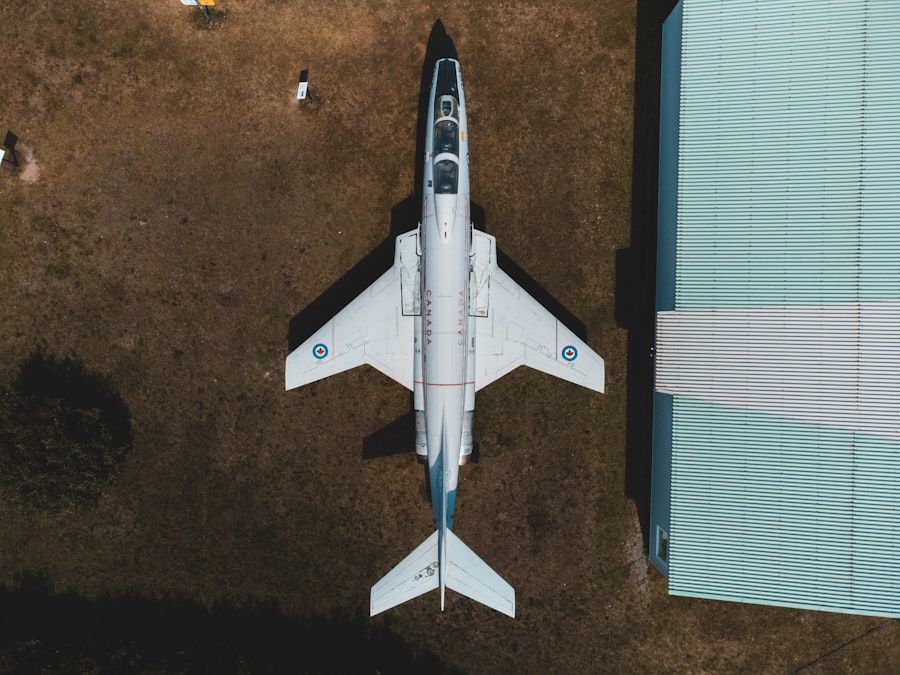
The technologies being developed by Chakradhara Aerospace have a wide range of potential applications across various sectors and geographical contexts. The company’s solutions are designed to be adaptable to different forms of cargo and varied operational environments.
Humanitarian Aid and Disaster Relief
One of the most impactful applications of Chakradhara Aerospace’s technology lies in humanitarian aid and disaster relief operations. In the aftermath of natural disasters, traditional transportation networks are often severely damaged, making it impossible to deliver essential supplies like food, water, and medical equipment. VTOL or STOL capable cargo aircraft, particularly those that can operate in austere conditions, could provide a lifeline to affected populations, bypassing destroyed infrastructure. The ability to deliver directly to a crisis zone, often without requiring a prepared runway, is a critical advantage.
Rapid Deployment of Supplies
The speed at which aid can be delivered is paramount in rescue and relief efforts. Chakradhara Aerospace’s systems are being designed for rapid deployment, enabling swift transport of critical resources to areas in need. This could involve utilizing drone swarms for smaller, urgent deliveries or larger aircraft for bulk supplies. Time is a luxury that cannot be afforded in such situations, and aerial solutions offer a significant advantage in reducing response times.
Accessing Remote and Isolated Communities
Many remote and isolated communities lack adequate transportation links. Chakradhara Aerospace’s cargo solutions can provide a consistent and reliable means of connecting these populations to essential goods and services, from agricultural inputs to manufactured products. This opens up economic opportunities and improves the quality of life for residents.
E-commerce and Last-Mile Delivery
The explosive growth of e-commerce has created an insatiable demand for faster and more efficient delivery services, especially for last-mile logistics in urban and suburban areas. Chakradhara Aerospace is exploring how its aerial platforms, particularly smaller, autonomous drones, can revolutionize this segment of the market.
Urban Air Mobility for Goods
The concept of urban air mobility (UAM) extends beyond passenger transport to include the delivery of goods within cities. Chakradhara Aerospace’s envisioned systems could operate as aerial couriers, reducing traffic congestion on roads and providing faster delivery times for online purchases. Imagine a package arriving not by van, but by drone, effortlessly navigating the urban landscape from above.
Bridging the Rural Delivery Gap
In rural areas, the vast distances and sparse population can make traditional last-mile delivery very expensive and time-consuming. Aerial drones or specialized cargo aircraft could provide a more effective and economical solution for delivering goods to these often-underserved regions.
Industrial and Resource Sector Operations
The industrial and resource sectors, such as mining, oil and gas, and agriculture, often operate in remote or challenging environments where access is difficult. Chakradhara Aerospace’s technologies can support these industries by providing a reliable means of transport for equipment, supplies, and even extracted materials.
Supplying Remote Extraction Sites
Mining operations or remote research outposts frequently require the delivery of heavy equipment, spare parts, and personnel. Aerial transport offers a direct route, bypassing the need for extended road construction or complex logistical arrangements. This ensures that operations can continue uninterrupted, even in the most challenging locations.
Agricultural Support and Distribution
In large-scale agriculture, particularly in developing countries, inefficient transport can lead to significant spoilage of produce. Aerial solutions could enable faster transport of harvested crops to markets, reducing waste and increasing farmer incomes. Furthermore, aerial delivery of fertilizers and pesticides could streamline agricultural practices.
Challenges and Future Outlook
| Metric | Details |
|---|---|
| Company Name | Chakradhara Aerospace and Cargo Private Limited |
| Industry | Aerospace and Cargo |
| Type | Private Limited Company |
| Location | India |
| Services | Aerospace manufacturing, Cargo logistics |
| Year Established | Data not publicly available |
| Number of Employees | Data not publicly available |
| Annual Revenue | Data not publicly available |
| Key Clients | Data not publicly available |
While Chakradhara Aerospace’s vision is ambitious, the path to revolutionizing cargo transport is not without its hurdles. The company, like any innovator in this space, must navigate a complex landscape of technological, regulatory, and economic challenges.
Regulatory Hurdles and Airspace Management
The introduction of new aerial cargo systems, particularly those involving autonomous operations and unconventional aircraft designs, necessitates comprehensive regulatory frameworks. Governments and aviation authorities worldwide are still developing the rules and standards to ensure the safety and security of unmanned and automated air traffic. Chakradhara Aerospace will need to work closely with these bodies to gain approval for its operations.
Certification and Safety Standards
Obtaining certification for new aircraft designs is a rigorous and time-consuming process. Ensuring the safety of these systems, especially in complex operational environments, requires extensive testing and validation to meet stringent aviation standards.
Air Traffic Integration for Autonomous Systems
Integrating autonomous cargo drones into existing and future airspace management systems is a significant challenge. Developing protocols and technologies that allow for safe co-existence with manned aircraft and other aerial vehicles will be critical for widespread adoption.
Economic Viability and Scalability
The ultimate success of Chakradhara Aerospace’s initiatives will depend on their economic viability. The cost of developing, manufacturing, and operating these advanced aerial systems must be competitive with existing cargo transport methods, or offer demonstrable advantages that justify the investment.
Cost-Effective Manufacturing and Operations
Achieving economies of scale in manufacturing and developing operational models that minimize costs per ton-mile will be crucial. This includes optimizing maintenance, crew training (for any necessary human oversight), and energy consumption.
Market Adoption and Infrastructure Investment
Convincing industries and end-users to adopt these new transport methods requires demonstrating reliability, safety, and cost-effectiveness. Significant investment in ground infrastructure, such as charging or maintenance hubs, may also be required to support large-scale aerial cargo networks.
Public Perception and Acceptance
As with any new technology that enters the public domain, public perception and acceptance play a vital role. Concerns about noise pollution, privacy, and safety related to autonomous aerial vehicles need to be addressed through transparent communication and demonstrated responsible operation.
Addressing Public Safety Concerns
Ensuring the public feels safe with these new aerial systems operating overhead is paramount. Rigorous safety protocols and a strong track record of incident-free operations will be necessary to build trust.
Environmental Impact and Noise Reduction
While some technologies may offer environmental benefits, the potential for noise pollution from increased aerial activity needs to be carefully managed. Chakradhara Aerospace’s research into quieter propulsion systems and optimized flight paths will be important in this regard.
Future Outlook
Despite these challenges, the future outlook for innovative aerial cargo solutions appears promising. The increasing global demand for faster, more efficient, and more accessible transportation, coupled with rapid advancements in aerospace technology, creates a fertile ground for companies like Chakradhara Aerospace. The company’s focus on a diversified technological approach, addressing both the aircraft and the logistical systems, positions it to potentially carve out significant niches in the evolving landscape of global commerce. As regulations mature and technology continues to advance, aerial cargo transport may transition from a niche concept to an indispensable component of the global supply chain, much like the transformation seen in passenger aviation over the past century. The ongoing development represents an evolution, a step towards a more connected and responsive world, where distance and infrastructure are less of a barrier to the movement of goods.