
Aerospace engineers play a crucial role in the design, development, manufacturing, and testing of aircraft, spacecraft, satellites, and missiles. They are involved in every stage of an aerospace system’s lifecycle, from initial concept to operational deployment and eventual decommissioning. Their work impacts a wide range of sectors, including transportation, communication, defense, and scientific exploration.
Aerospace engineering is a broad discipline that draws heavily on principles from physics, mathematics, and materials science. It is typically divided into two main branches: aeronautical engineering and astronautical engineering.
Aeronautical Engineering
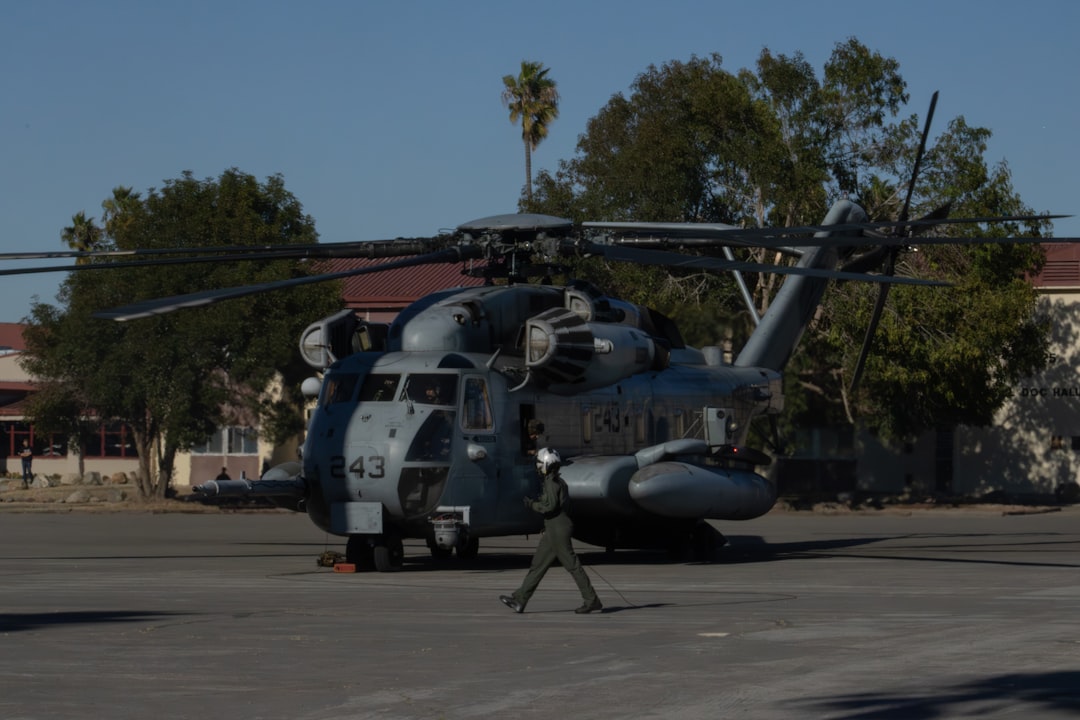
Aeronautical engineering focuses on the development of aircraft that operate within Earth’s atmosphere. This includes designing airplanes, helicopters, drones, and other flying machines. A key aspect of aeronautical engineering is understanding and manipulating aerodynamics, the study of how air moves around solid objects.
Aerodynamics and Fluid Dynamics
Aerodynamics is paramount for successful aircraft design. Engineers must meticulously consider how air pressure, velocity, and density interact with the aircraft’s surfaces. This involves complex simulations and wind tunnel testing to optimize lift, minimize drag, and ensure stability. The shape of an aircraft’s wing, for instance, is a result of extensive aerodynamic calculations designed to create an upward force that overcomes gravity.
Propulsion Systems
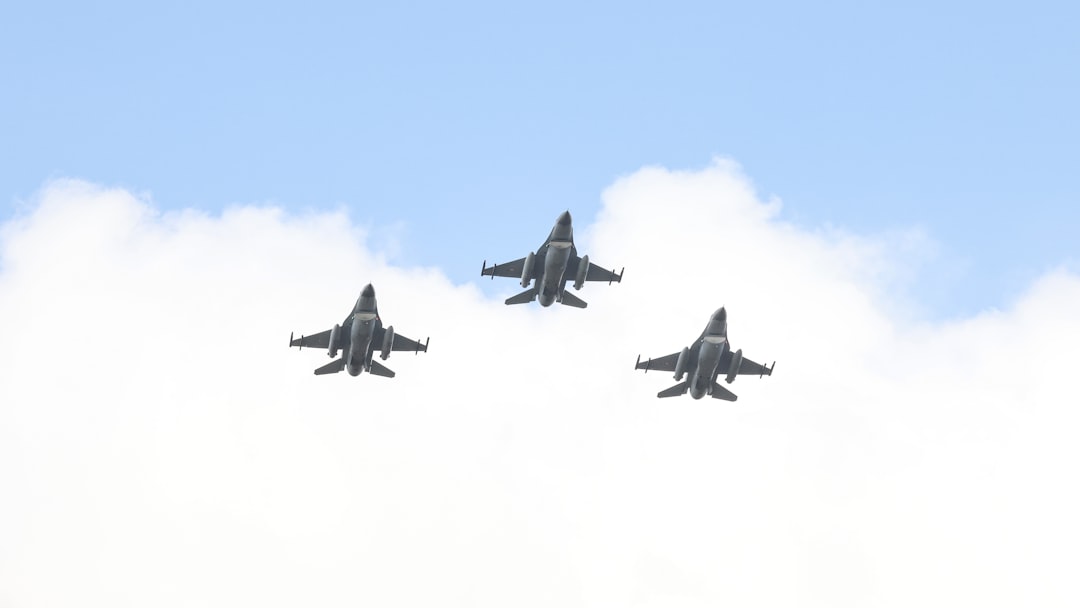
The engines that power aircraft are another critical area. Aeronautical engineers work with various propulsion technologies, including jet engines, turboprops, and piston engines. They must balance performance requirements with fuel efficiency and environmental considerations. The thrust generated by these systems is what propels the aircraft forward, overcoming the resistance of the air.
Structural Design and Materials
The airframe of an aircraft must be strong enough to withstand significant forces encountered during flight, yet light enough to be efficiently propelled. Aeronautical engineers select and employ advanced materials, such as aluminum alloys, titanium, and composite materials, to achieve this balance. Understanding material fatigue and stress is essential to prevent structural failure.
Astronautical Engineering
Astronautical engineering deals with vehicles and systems that operate outside of Earth’s atmosphere. This encompasses spacecraft, satellites, rockets, and space probes. The challenges here are often more extreme due to the vacuum of space, extreme temperature variations, and the immense distances involved.
Orbital Mechanics and Trajectory Analysis
Navigating the vastness of space requires a deep understanding of orbital mechanics. Astronautical engineers calculate trajectories for spacecraft, ensuring they can reach their intended destinations, such as the Moon, Mars, or distant planets. This involves predicting the gravitational influences of celestial bodies and precisely controlling the spacecraft’s velocity and direction. Even a minor deviation can lead to a mission failure.
Spacecraft Systems Design
A spacecraft is a complex ecosystem of interconnected systems. Astronautical engineers design and integrate power generation (often solar panels or radioisotope thermoelectric generators), life support (for crewed missions), communication systems, navigation and control systems, and scientific instruments. Each system must function reliably in the harsh environment of space.
Rocketry and Launch Systems
The journey to space begins with powerful rockets. Astronautical engineers are responsible for the design and development of launch vehicles, which are essentially controlled explosions carefully orchestrated to overcome Earth’s gravity. This involves intricate work with fuel propellants, combustion chambers, and nozzle design to maximize thrust and ensure precise control during ascent.
The Engineering Design Process
The creation of any aerospace system follows a structured engineering design process, a methodical approach to problem-solving that guides engineers from an initial idea to a functional product. This process, akin to carefully assembling a complex clockwork mechanism, involves several distinct phases.
Conceptualization and Requirements Definition
The initial phase involves identifying a need or opportunity and defining the high-level requirements for the aerospace system. This might be a need for faster air travel, a new scientific mission to study a distant exoplanet, or a more efficient satellite for global communication. Stakeholders, including customers, regulatory bodies, and scientists, provide input that shapes these requirements.
Preliminary Design
Once the requirements are established, engineers move into preliminary design. Here, they develop broad concepts and explore different technological approaches. Trade-off studies are conducted to compare the pros and cons of various design options. For example, an aircraft might be designed with different wing configurations or engine types, and engineers would evaluate which option best meets the performance and cost objectives.
Detailed Design
This is where the granular work begins. Engineers create precise blueprints, schematics, and models of every component and subsystem. This phase heavily utilizes computer-aided design (CAD) and computer-aided engineering (CAE) software to generate detailed specifications, perform simulations, and ensure all parts fit together seamlessly.
Manufacturing and Assembly
With the detailed designs finalized, the manufacturing and assembly phase commences. This involves producing individual components to strict tolerances and then assembling them into the complete aerospace system. Quality control and inspection are critical throughout this process to ensure that every part meets the required standards.
Testing and Validation
Before an aerospace system can be deemed ready for deployment, it undergoes rigorous testing and validation. This can include a wide range of tests, from static load tests on structural components to flight tests of the complete vehicle. The goal is to verify that the system performs as intended and meets all technical and safety requirements.
Operations and Maintenance
Even after deployment, the role of aerospace engineers doesn’t end. They are involved in monitoring the performance of the system during its operational life, ensuring it is maintained effectively, and troubleshooting any issues that may arise. This continuous oversight is vital for long-term reliability and safety.
Key Disciplines within Aerospace Engineering
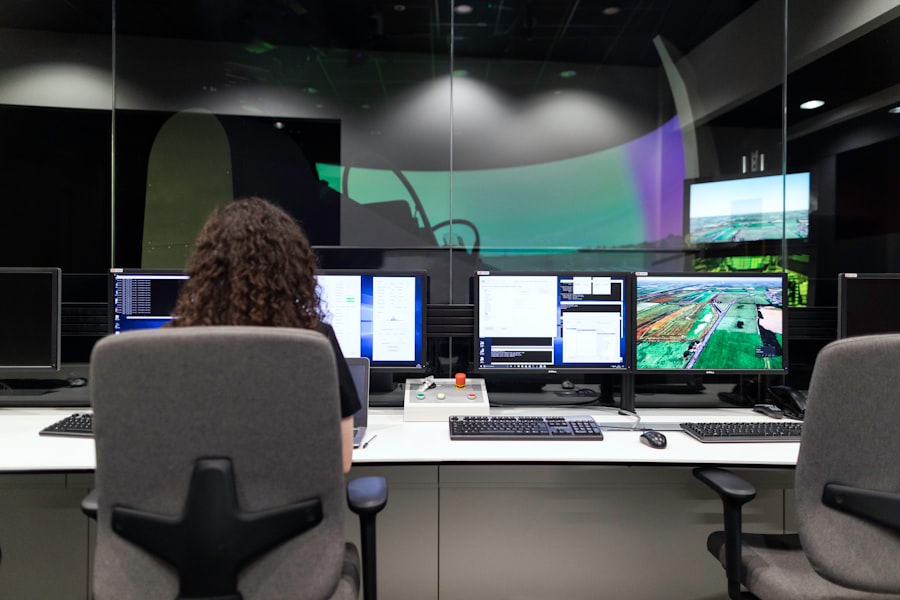
Aerospace engineering is not a monolithic field; it encompasses several specialized disciplines that contribute to the overall success of an aerospace project. These disciplines are like different skilled artisans contributing their expertise to a grand cathedral.
Aerodynamics and Flight Mechanics
This discipline focuses on the behavior of air and other fluids in relation to moving objects. Aerodynamicists analyze airflow patterns, pressure distributions, and forces acting on aircraft and spacecraft. Flight mechanics deals with the dynamics of flight, including stability, control, and trajectory.
Propulsion
Engineers in this field specialize in the design and development of engines that generate thrust. This includes jet engines, rocket engines, and other power plant technologies for both atmospheric and spaceflight applications. They optimize power output, fuel efficiency, and reliability.
Structures and Materials
This area focuses on the structural integrity of aerospace vehicles. Engineers in structures design the airframes, wings, and other components to withstand applied loads and stresses. Materials scientists within this group select and develop advanced materials that offer high strength-to-weight ratios and resistance to extreme conditions.
Avionics and Systems Engineering
Avionics is the term for electronic systems used on aircraft and spacecraft. This sub-discipline covers a wide range of technologies, including navigation, communication, flight control, and sensing systems. Systems engineers, on the other hand, oversee the integration of all these various subsystems into a cohesive and functional whole. They ensure that all parts of the vehicle work together harmoniously.
Guidance, Navigation, and Control (GNC)
GNC is a critical area for any vehicle that needs to move purposefully through space or air. GNC engineers design the systems that determine a vehicle’s position, orientation, and velocity, and then command actuators to achieve a desired trajectory or attitude. This is the “brain” that directs the “body” of the aerospace vehicle.
Challenges and Innovations
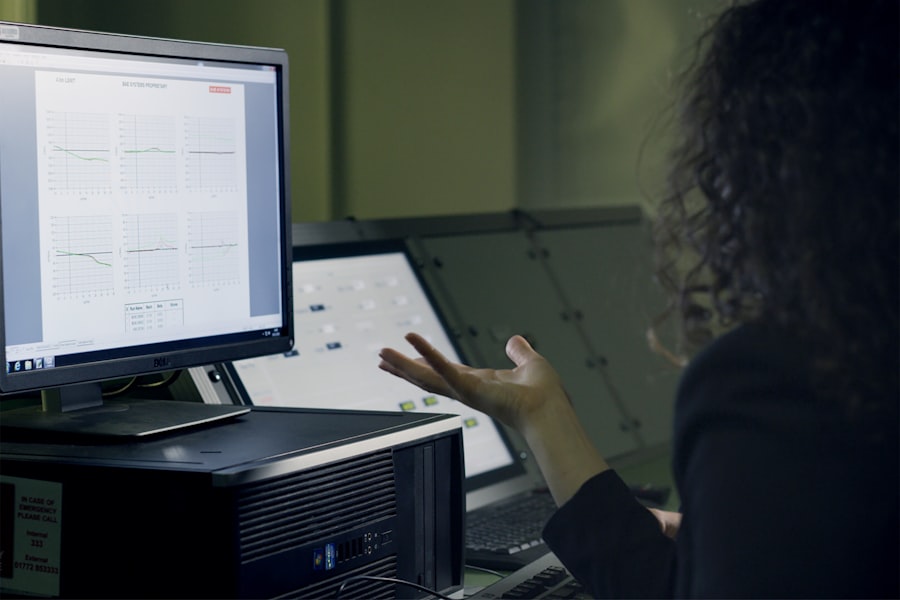
The field of aerospace engineering is characterized by continuous innovation, driven by the pursuit of greater efficiency, speed, safety, and exploration capabilities. However, these advancements are often met with significant technical, economic, and environmental challenges.
Extreme Environments
Operating in space or at high altitudes presents unique challenges. Engineers must design systems that can withstand the vacuum, extreme temperature fluctuations, radiation, and micrometeoroid impacts. For atmospheric flight, factors like extreme weather conditions, high altitudes (thin air), and sonic booms require careful consideration.
Miniaturization and Efficiency
There is a constant drive to make aerospace systems smaller, lighter, and more power-efficient. This is particularly important for satellites and probes, where every kilogram of mass adds significantly to launch costs. Advances in nanotechnology and materials science are crucial for achieving these goals.
Sustainability and Environmental Impact
The aerospace industry is increasingly focused on reducing its environmental footprint. This includes developing more fuel-efficient aircraft engines, exploring alternative fuels, and designing quieter aircraft. Reducing emissions and noise pollution are key priorities for the future.
Autonomous Systems and Artificial Intelligence
The development of autonomous systems, such as self-driving aircraft and advanced robotic spacecraft, is a rapidly growing area. Artificial intelligence is being integrated into various aerospace applications, from flight control and navigation to mission planning and data analysis. This promises to increase efficiency and reduce human risk in complex operations.
New Frontiers in Space Exploration
The ongoing quest to explore the cosmos presents new and exciting challenges. Missions to Mars, the outer solar system, and beyond require entirely new classes of spacecraft and propulsion systems. The design of habitats for long-duration space missions and the potential for in-situ resource utilization are also areas of active research.
The Future of Aerospace Engineering
| Metric | Description | Typical Values / Examples |
|---|---|---|
| Definition | Profession focused on designing, developing, testing, and producing aircraft, spacecraft, and related systems and equipment. | Engineer specialized in aeronautics and astronautics |
| Education Required | Minimum academic qualification needed to become an aerospace engineer. | Bachelor’s degree in aerospace engineering or related field |
| Key Skills | Essential skills required for aerospace engineers. | Mathematics, physics, CAD software, problem-solving, teamwork |
| Typical Work Areas | Common sectors or industries where aerospace engineers work. | Commercial aviation, defense, space exploration, research labs |
| Average Experience | Years of experience typically required for mid-level aerospace engineers. | 3-7 years |
| Common Job Titles | Typical roles held by aerospace engineers. | Aerospace design engineer, propulsion engineer, systems engineer |
| Core Responsibilities | Main duties performed by aerospace engineers. | Designing aircraft components, testing prototypes, analyzing flight data |
The trajectory of aerospace engineering points towards a future filled with ambitious undertakings and transformative technologies. The principles that govern flight and space travel will continue to be refined, enabling advancements that were once the realm of science fiction.
Reusable Launch Systems and Space Tourism
The development of fully reusable launch systems, such as those pioneered by SpaceX, has significantly reduced the cost of accessing space. This innovation is paving the way for more ambitious missions and the burgeoning field of space tourism, offering private individuals the opportunity to experience spaceflight.
Hypersonic Flight
Achieving sustained hypersonic flight (speeds exceeding Mach 5) within the atmosphere remains a significant technical hurdle. However, breakthroughs in materials science, thermal management, and propulsion are bringing this capability closer to reality, potentially revolutionizing air travel and opening new possibilities for defense applications.
Advanced Propulsion Systems
Beyond conventional rocket engines, research into more advanced propulsion systems continues. This includes areas like nuclear thermal propulsion, which could drastically shorten travel times to distant planets, and electric propulsion, which is already used for efficient in-space maneuvering of satellites and probes.
Orbital Infrastructure and Manufacturing
As more activity takes place in orbit, the need for orbital infrastructure, such as space stations, refueling depots, and manufacturing facilities, will grow. Aerospace engineers will play a key role in designing and constructing these off-world facilities, enabling more complex and sustained space operations.
Sustainable Aviation
The drive towards sustainability in aviation is intensifying. This includes the development of electric and hybrid-electric aircraft for shorter routes, the use of sustainable aviation fuels (SAFs) derived from renewable sources, and the optimization of flight paths to minimize fuel consumption and emissions. The entire ecosystem of air travel is being re-evaluated to align with environmental goals.