Aerospace Engineering Exploration Opportunities
Seeking to understand aerospace engineering is a logical step for those interested in flight and space exploration. This field, a complex tapestry woven from physics, mathematics, and materials science, is dedicated to the design, development, testing, and production of aircraft, spacecraft, satellites, and missiles. It is a discipline that propels humanity beyond terrestrial limitations, pushing the boundaries of what is possible. This article aims to guide you through the process of discovering aerospace engineering opportunities near your current location, offering a structured approach to your exploration.
Aerospace engineering is a broad discipline. It is not simply about building rockets or airplanes; it encompasses a vast array of specialized areas, each requiring a unique skill set and knowledge base. To effectively explore opportunities, it is crucial to grasp this scope. Think of it as a forest: you can’t understand the whole forest by just looking at a single tree. You need to comprehend the different types of trees, the undergrowth, and the ecosystem that supports them.
Aeronautical Engineering
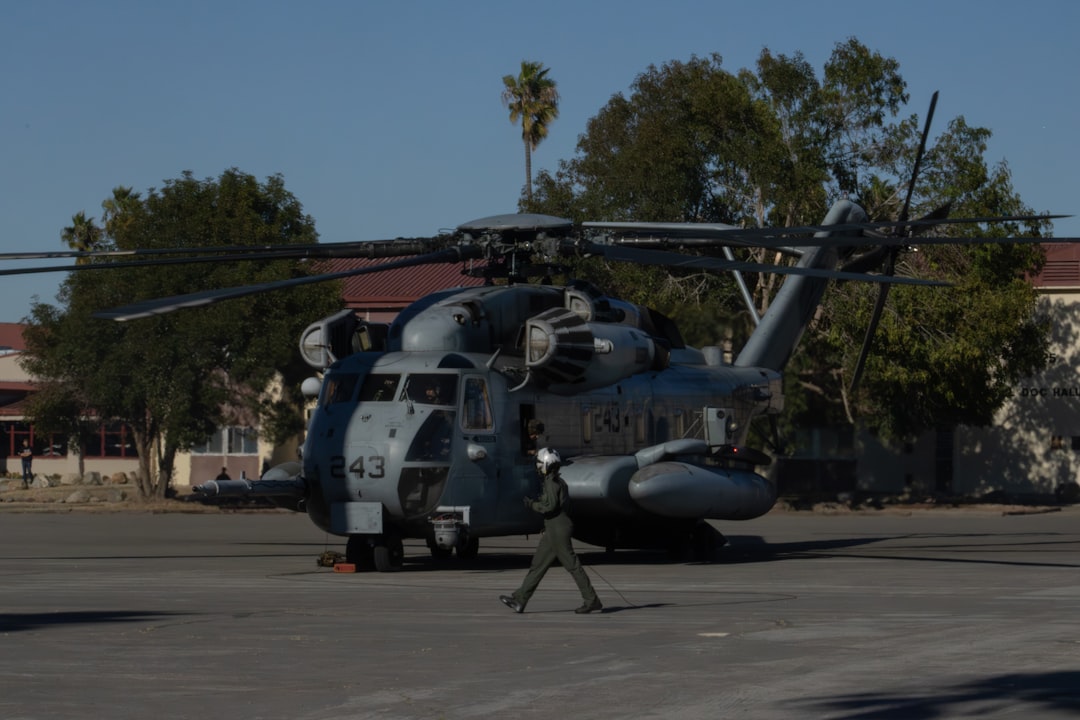
Aeronautical engineering, a significant branch of aerospace engineering, focuses specifically on aircraft that operate within Earth’s atmosphere. This includes everything from commercial airliners and fighter jets to helicopters and drones. Pioneers like the Wright brothers laid the groundwork for this field, and today it involves intricate design considerations for aerodynamics, propulsion systems, structural integrity, and flight control. Specialists in this area might work on improving fuel efficiency, enhancing safety features, or developing next-generation aircraft capable of supersonic or hypersonic flight.
Aerodynamics and Fluid Dynamics
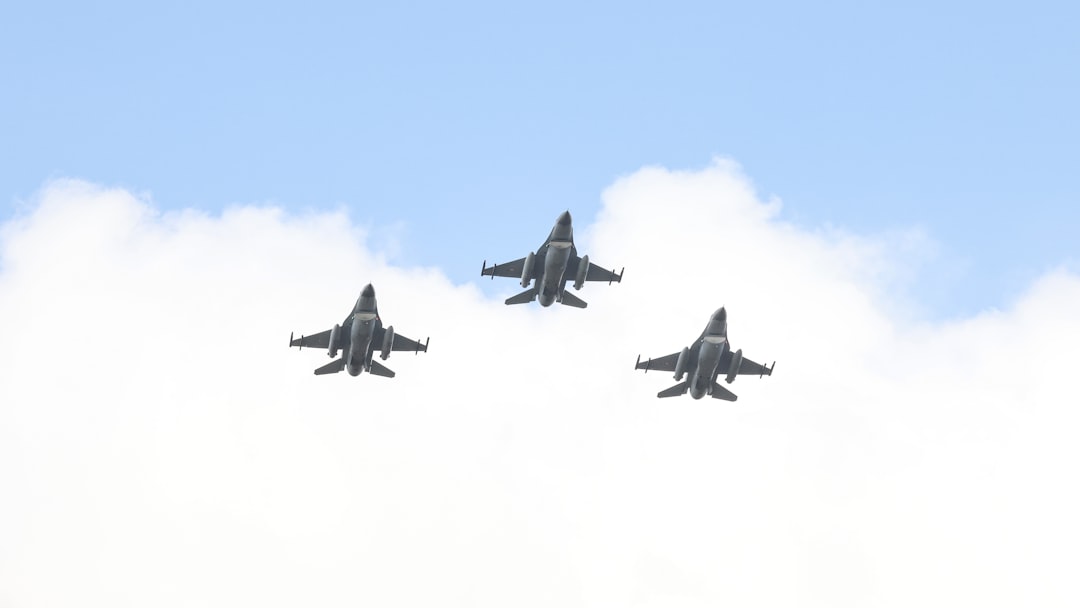
At the heart of aeronautical engineering lies the study of how air interacts with moving objects. Aerodynamics, a sub-discipline, examines the forces acting upon an object as it moves through the air, such as lift, drag, thrust, and weight. Fluid dynamics extends this concept to consider the behavior of all fluids, both liquids and gases, in motion. Understanding these principles is paramount for designing efficient and stable aircraft. It is the invisible hand that guides an airplane through the sky.
Propulsion Systems
The engines that power aircraft are another critical area within aeronautical engineering. This involves the study and development of various propulsion systems, including jet engines, turboprops, and piston engines. Engineers in this field work on increasing power output, improving fuel consumption, and reducing emissions, all while ensuring reliability and safety. The relentless pursuit of faster, quieter, and more efficient engines is a constant theme.
Aircraft Structures and Materials
The physical integrity of an aircraft is paramount. Structural engineers design the airframe, ensuring it can withstand the immense stresses of flight. This includes selecting appropriate materials, such as aluminum alloys, titanium, and advanced composite materials, and analyzing their behavior under various loads and environmental conditions. The quest for lighter, stronger, and more durable materials is an ongoing endeavor.
Astronautical Engineering
Astronautical engineering deals with vehicles and systems that operate outside Earth’s atmosphere. This encompasses spacecraft, satellites, probes, and rockets. If aeronautical engineering is about navigating the sky, astronautical engineering is about mastering the vacuum of space. This field requires a deep understanding of orbital mechanics, spacecraft propulsion, life support systems, and the harsh realities of the space environment.
Orbital Mechanics and Spacecraft Trajectories
Calculating the precise paths that spacecraft will follow through the vastness of space is a fundamental aspect of astronautical engineering. Orbital mechanics applies the principles of celestial mechanics to predict and control the motion of objects in orbit around celestial bodies. This involves understanding concepts like gravity, velocity, and orbital maneuvers. It is about drawing invisible lines in the cosmic ballet.
Spacecraft Design and Systems
Designing a spacecraft is a multifaceted challenge. Astronautical engineers must consider power generation, communication systems, navigation, attitude control, and often, life support for human missions. Each component must be meticulously designed to function reliably in the extreme conditions of space, where repair is often impossible. The integrated nature of these systems demands a holistic approach to design.
Rocket Propulsion and Launch Systems
The ability to escape Earth’s gravity relies on powerful rocket engines. Astronautical engineers are involved in the design and development of rocket propulsion systems, from the initial stages of combustion to the efficient expulsion of exhaust gases. They also contribute to the overall launch system, ensuring the safe and successful ascent of rockets into orbit. This is the brute force that breaks the chains of terrestrial gravity.
Pathways to Discovering Aerospace Engineering Opportunities
Identifying aerospace engineering opportunities requires a proactive approach. It is not a matter of stumbling upon them; rather, it involves targeted research and engagement. Think of it as navigating a vast ocean: you need a compass and a chart to reach your desired destination.
Educational Institutions
Universities and colleges are the primary crucibles where future aerospace engineers are forged. Researching programs in your vicinity is the most direct way to discover entry points into the field. This involves looking beyond just the degree title; delve into the specific courses, research areas, and faculty expertise offered.
University Aerospace Departments
Many universities have dedicated departments of Aerospace Engineering or Aeronautical Engineering. These departments are the bedrock of theoretical knowledge and practical application in the field. They host lectures, seminars, laboratories, and often, research projects that offer students hands-on experience. The curriculum is designed to build a strong foundation in the core scientific and mathematical principles that underpin aerospace design.
Research Laboratories and Centers
Beyond coursework, universities often house specialized research laboratories and centers focused on particular areas of aerospace engineering. These can include wind tunnels for aerodynamic testing, specialized labs for materials science, or centers dedicated to space exploration technologies. Engaging with these facilities, even as an undergraduate, can provide invaluable exposure to cutting-edge research and development. This is where the theoretical concepts begin to take flight in a tangible form.
Student Organizations and Competitions
Many universities host student organizations dedicated to aerospace. These clubs provide opportunities for students to work on practical projects, such as building model rockets, designing small unmanned aerial vehicles, or participating in design competitions. These activities foster teamwork, problem-solving skills, and a deeper understanding of engineering principles outside the formal curriculum. Such hands-on experiences are often as educational as classroom learning.
Industry and Professional Organizations
Beyond academia, the aerospace industry itself, along with professional organizations, offers numerous avenues for discovery and engagement. These entities are the engines that drive innovation and provide the practical application of aerospace knowledge.
Aerospace Companies and Manufacturers
Major aerospace companies, such as Boeing, Lockheed Martin, Northrop Grumman, and SpaceX, are the primary employers of aerospace engineers. Researching companies with a presence or headquarters in your region is a crucial step. Look into their ongoing projects, career fairs, internships, and recruitment programs. Following their news and publications can also provide insights into their technological advancements and areas of focus.
Government Agencies and Research Institutions
Government bodies like NASA (National Aeronautics and Space Administration) in the United States, ESA (European Space Agency) in Europe, and various national defense agencies are significant players in aerospace research and development. These organizations often have research centers, laboratories, and offer internship or fellowship opportunities for aspiring engineers. Their work often pushes the boundaries of scientific discovery and technological innovation.
Professional Societies and Conferences
Professional organizations, such as the American Institute of Aeronautics and Astronautics (AIAA) or the Royal Aeronautical Society (RAeS), are vital resources. They host conferences, publish journals, and offer networking opportunities. Attending local chapter meetings or national conferences can expose you to the latest developments, connect you with professionals in the field, and provide a glimpse into the current trends and challenges facing aerospace engineering. These events are like a vibrant marketplace of ideas and innovations.
Local Exploration Strategies
Discovering opportunities “near me” requires a strategic approach tailored to your geographic location. It involves looking beyond general online searches and engaging with your local ecosystem.
Networking and Informational Interviews
The power of personal connections cannot be overstated. Reach out to people working in aerospace, even if they are not in your immediate area initially. Informational interviews, where you ask professionals about their careers, their companies, and their insights into the field, can be incredibly illuminating. Many professionals are willing to share their experiences, and this can lead to unexpected leads and advice. Think of it as planting seeds; you never know where they might grow.
Leveraging University Alumni Networks
If you are a university student or alumnus, your institution’s alumni network is a valuable resource. Many alumni work in aerospace and are often willing to connect with current students or recent graduates. This can provide mentorship, career advice, and potential internship or job referrals. Your university’s career services department can often facilitate these connections.
Attending Local Industry Events
Keep an eye out for local industry events, trade shows, or career expos focused on science, technology, engineering, and mathematics (STEM). These events can provide opportunities to meet recruiters from aerospace companies, learn about different organizations, and discover available positions. Even if a company isn’t directly “aerospace,” they might have departments that contribute to the broader aerospace supply chain.
Hands-on Experience and Skill Development
Theoretical knowledge is essential, but practical experience is what distinguishes candidates in the competitive aerospace field. Actively seeking out opportunities to apply your learning will not only enhance your understanding but also make you a more attractive prospect.
Internships and Co-op Programs
Internships and co-op programs are arguably the most effective way to gain real-world experience in aerospace engineering. These structured programs allow you to work for a company, contributing to actual projects and gaining exposure to professional workflows. They are a proving ground, allowing you to test your skills and learn from experienced professionals. The practical lessons learned here are indelible.
Personal Projects and Competitions
Engaging in personal projects, such as building and flying drones, designing and testing model rockets, or participating in robotics competitions, demonstrates initiative and a passion for the field. These projects, even if undertaken as a hobby, showcase your ability to apply theoretical knowledge to practical problems, your problem-solving skills, and your commitment to learning. They are often the seedlings that grow into significant career achievements.
Online Courses and Certifications
The digital landscape offers a wealth of learning opportunities. Online platforms provide courses and certifications in various aspects of aerospace engineering, from introductory concepts to specialized software. While not a substitute for a formal degree, these can supplement your learning, fill knowledge gaps, and demonstrate a commitment to continuous professional development.
Future Trends and Specializations
The landscape of aerospace engineering is constantly evolving, driven by technological advancements, global challenges, and new frontiers of exploration. Understanding these trends can help you direct your exploration towards areas with growing demand and innovation.
Sustainable Aviation
A significant focus in modern aeronautical engineering is the development of sustainable aviation. This involves creating aircraft with reduced environmental impact, particularly in terms of fuel efficiency and emissions. Engineers are exploring alternative fuels, electric propulsion systems, and more aerodynamic designs to lessen aviation’s carbon footprint. This is not just about flying higher or faster; it’s about flying greener.
Electric and Hybrid-Electric Propulsion
The transition towards electric and hybrid-electric propulsion systems is a major trend. This research aims to reduce reliance on fossil fuels by utilizing battery power or a combination of electric and conventional engines. Challenges remain in battery technology and power density, but significant progress is being made.
Advanced Materials for Lightweighting
The use of advanced composite materials and other lightweight alloys is crucial for improving fuel efficiency. Engineers are continuously researching and developing new materials that offer high strength-to-weight ratios, reducing the overall mass of aircraft and thus their fuel consumption.
Space Exploration and Commercialization
The commercialization of space is rapidly transforming astronautical engineering. Private companies are increasingly involved in space travel, satellite deployment, and even space tourism. This opens up new avenues for innovation and employment in areas such as reusable rockets, orbital infrastructure, and in-space manufacturing. The cosmos is no longer solely the domain of governments; it is becoming a marketplace.
Reusable Launch Vehicle Technology
The development of reusable rockets has revolutionized space access by significantly reducing launch costs. Companies are investing heavily in technologies that allow rockets to land and be reused for multiple missions. This is a game-changer for the economics of space exploration.
Satellite Constellations and Services
The proliferation of satellite constellations for communication, navigation, and Earth observation is a major area of growth. This requires expertise in satellite design, orbital deployment, and the management of large-scale satellite networks. The sky is becoming a densely populated orbital city.
Advanced Air Mobility (AAM)
Advanced Air Mobility, often referred to as the “flying taxi” concept, is an emerging sector within aerospace engineering. This involves the development of electric vertical take-off and landing (eVTOL) aircraft for urban transportation and regional air travel. It promises to revolutionize how people move within cities and between nearby locations.
eVTOL Aircraft Design and Certification
Designing and certifying eVTOL aircraft presents unique challenges, including battery technology, safety regulations, and public perception. Engineers are working on innovative designs that are quiet, efficient, and safe for urban environments. This is about bringing flight down to our streets.
Urban Air Traffic Management
A critical aspect of AAM is developing systems to manage air traffic in urban environments. This involves creating sophisticated air traffic control systems that can handle a high volume of eVTOL operations safely and efficiently. It is the invisible infrastructure that will guide these new aerial vehicles.
Navigating Your Aerospace Engineering Journey
| Metric | Details |
|---|---|
| Number of Aerospace Engineering Firms Nearby | 12 |
| Average Salary for Aerospace Engineers | 85,000 per year |
| Top Local Aerospace Companies | Lockheed Martin, Boeing, Raytheon Technologies |
| Nearby Universities Offering Aerospace Engineering | 3 (MIT, Stanford, Georgia Tech) |
| Average Job Growth Rate (Next 5 Years) | 5% |
| Number of Aerospace Engineering Job Openings | 45 |
| Average Years of Experience Required | 3 years |
Embarking on a journey into aerospace engineering requires a blend of intellectual curiosity, persistence, and strategic planning. It is a field that offers immense challenges and equally immense rewards, pushing the boundaries of human ingenuity and our understanding of the universe.
Cultivating Essential Skills
Beyond technical knowledge, certain soft skills are crucial for success in aerospace engineering. These are the tools that allow you to effectively wield your technical expertise.
Problem-Solving and Critical Thinking
Aerospace engineering is fundamentally about solving complex problems. The ability to analyze situations, break them down into manageable components, and devise innovative solutions is paramount. Critical thinking allows you to evaluate different approaches and make sound decisions under pressure.
Teamwork and Communication
Most aerospace projects are large-scale endeavors that require the collaboration of diverse teams. Effective communication, both written and verbal, is essential for sharing ideas, coordinating efforts, and ensuring everyone is on the same page. The ability to work harmoniously within a team is as important as individual technical prowess.
Adaptability and Continuous Learning
The pace of technological change in aerospace is rapid. Engineers must be adaptable, willing to learn new technologies and methodologies throughout their careers. A commitment to lifelong learning is not a suggestion; it is a necessity for staying relevant and contributing to the field.
Finding Your Niche
The breadth of aerospace engineering means specialization is often key. Identifying an area that genuinely excites you will fuel your motivation and guide your educational and career trajectory.
Self-Assessment of Interests and Aptitudes
Take time to reflect on your interests. Are you drawn to the physics of flight, the mechanics of engines, the intricacies of spacecraft control, or the design of mission operations? Understanding your natural aptitudes and passions will help you pinpoint areas where you are likely to thrive.
Exploring Diverse Sub-disciplines
Don’t be afraid to explore various sub-disciplines. Take introductory courses, participate in introductory projects, and speak with professionals in different areas. You might discover a hidden talent or a passion for a field you hadn’t previously considered. The discovery process is as much about finding what you like as it is about finding what you are good at.
The Long-Term Vision
Aerospace engineering is a long-term commitment. The development cycles for aerospace technologies can be lengthy, and the impact of your work might not be immediately visible. A clear vision and dedication are therefore essential.
Setting Realistic Goals
Establish achievable short-term goals, such as completing a challenging course, securing an internship, or successfully completing a personal project. These milestones will build your confidence and provide momentum towards your larger career aspirations.
Embracing the Journey of Innovation
Aerospace engineering is a journey of continuous innovation. Be prepared for setbacks, celebrate successes, and always be looking for ways to push the boundaries of what is known. The pursuit of flight and the exploration of space are ongoing endeavors, and your contribution, however small it may seem at first, is a vital part of that grand narrative.