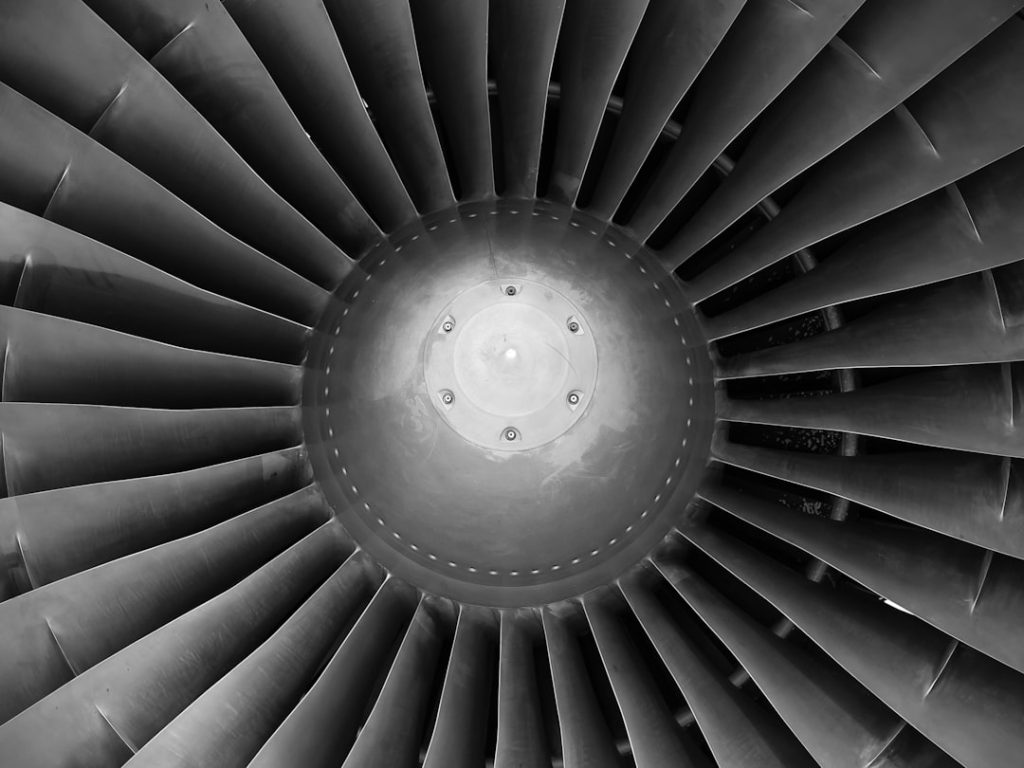
Aerospace engineers at NASA are engaged in a continuous pursuit of advancing human reach into the cosmos and improving life on Earth through aeronautics. Their work, spanning decades, has laid the foundation for current capabilities and continues to shape the trajectory of space exploration and air travel. This exploration into the future involves a multifaceted approach, driven by innovation and a deep understanding of scientific principles.
The ambitions of NASA’s aerospace engineers are not confined to low Earth orbit. A significant portion of their effort is directed towards venturing further into the solar system and beyond. This necessitates the development of robust and versatile spacecraft capable of withstanding the harsh conditions of space and traveling vast distances.
Reaching for Mars and Beyond
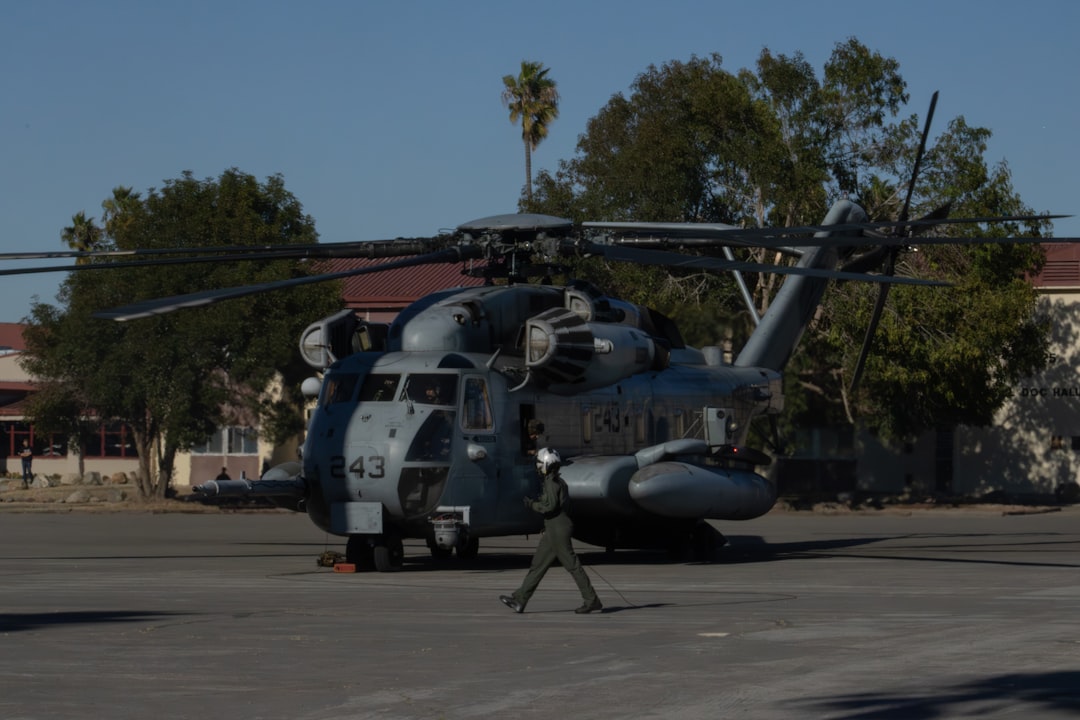
The long-term goal of sending humans to Mars is a central focus. This endeavor requires engineers to tackle challenges such as developing advanced propulsion systems for faster transit times, designing habitats that can protect astronauts from radiation, and creating life support systems that can sustain extended missions. The journey to Mars is not merely a geographical shift; it’s a leap in technological capability. Engineers are exploring concepts like nuclear electric propulsion and advanced chemical rockets to significantly reduce travel times, transforming weeks into days. The design of the Mars Ascent Vehicle, a crucial component for returning astronauts from the Martian surface, is an ongoing area of concentrated effort.
Advanced Propulsion Systems
The quest for efficient and powerful propulsion systems continues. Traditional chemical rockets, while proven, have limitations in terms of fuel efficiency and exhaust velocity. Engineers are actively researching and developing alternatives such as:
Nuclear Thermal Propulsion (NTP)
NTP offers the potential for twice the thrust and significantly higher efficiency compared to chemical rockets. This technology utilizes a nuclear reactor to heat a propellant, typically hydrogen, to extremely high temperatures, expelling it through a nozzle to generate thrust. NASA is investing in research and development to ensure the safety and reliability of NTP for future deep-space missions.
Electric Propulsion
Technologies like ion thrusters and Hall effect thrusters use electric fields to accelerate charged particles, converting electrical energy into kinetic energy with remarkable efficiency. While these systems produce lower thrust than chemical rockets, their fuel efficiency allows for sustained acceleration over long periods, making them ideal for cargo missions and deep-space exploration where extended burn times are feasible. The development of more powerful and compact electric propulsion systems is a key objective.
Solar Sails and Other Novel Concepts
Beyond these more conventional advanced systems, engineers are also exploring more revolutionary concepts such as solar sails. These large, reflective membranes capture momentum from solar photons, providing a gentle but continuous thrust that can propel spacecraft over extended missions without the need for propellant. While currently more suitable for smaller payloads, advancements in materials science and sail deployment could make them a viable option for future deep-space applications.
Robotic Exploration of the Solar System
Robotic missions serve as the eyes and ears of humanity in the solar system. Aerospace engineers are instrumental in designing and building these sophisticated probes, landers, and rovers that gather invaluable scientific data.
Future Outer Planet Missions
The exploration of the gas giants and their icy moons, such as Jupiter and Saturn, is a high priority. Missions are being planned to investigate the potential habitability of ocean worlds like Europa and Enceladus, searching for signs of life. This involves developing spacecraft that can withstand extreme temperatures, gravitational forces, and radiation environments. The engineering challenges include designing durable heat shields for atmospheric entry and developing advanced instrumentation capable of detecting biosignatures.
Asteroid and Comet Rendezvous
Understanding the composition and origins of asteroids and comets is crucial for planetary defense and for unlocking secrets about the early solar system. Aerospace engineers are developing missions to rendezvous with these celestial bodies, orbit them, and in some cases, land on their surfaces or return samples to Earth. This requires precision navigation and the development of specialized tools for sample collection in low-gravity, unpredictable environments.
Deep Space Communication and Navigation
As missions venture further from Earth, maintaining reliable communication and precise navigation becomes increasingly challenging. Engineers are working on advanced antenna technologies, improved signal processing, and autonomous navigation systems to overcome these hurdles. The sheer distances involved mean that signals can take minutes or even hours to travel between spacecraft and ground control, necessitating greater autonomy for spacecraft operations.
Interplanetary Internet
The concept of an “Interplanetary Internet” is being explored, which would involve a network of relay satellites and ground stations to facilitate more seamless communication across vast distances. This would allow for more frequent data exchange and improved command and control capabilities for deep-space missions.
Advancing Aeronautics for Earth
The impact of NASA’s aerospace engineers is not limited to the vacuum of space. A significant and often overlooked aspect of their work involves the continuous improvement of air travel and atmospheric research, directly benefiting life on Earth.
Next-Generation Aircraft Design
The pursuit of more efficient, quieter, and environmentally friendly aircraft is a constant endeavor. Engineers are at the forefront of developing technologies that reduce fuel consumption, emissions, and noise pollution.
Supersonic and Hypersonic Flight
The dream of routine supersonic passenger travel, once a reality but then largely curtailed due to economic and environmental concerns, is being revisited. Engineers are working on designs and technologies that could enable a more sustainable and affordable form of high-speed flight. Similarly, research into hypersonic flight, speeds exceeding Mach 5, is crucial for applications ranging from rapid global transportation to space access vehicles. This involves overcoming extreme aerodynamic heating and control challenges.
Advanced Wing Designs and Materials
The shape of an aircraft’s wings and the materials used in its construction play a critical role in its performance. Engineers are experimenting with concepts like blended wing bodies, which merge the wing and fuselage into a single lifting surface for improved aerodynamic efficiency. The development of lightweight and high-strength composite materials is also essential for reducing aircraft weight and increasing fuel efficiency.
Electric and Hybrid-Electric Propulsion
The electrification of aviation is a major area of research. Engineers are developing electric motors, batteries, and hybrid-electric powertrains that could power smaller aircraft and eventually larger commercial airliners. This transition is seen as a vital step in decarbonizing air travel.
Air Traffic Management and Safety
Ensuring the safety and efficiency of the global air traffic control system is a paramount concern. NASA engineers contribute to developing advanced algorithms and technologies that optimize flight paths, reduce congestion, and enhance overall aviation safety.
Unmanned Aerial Systems (UAS) Integration
The increasing prevalence of drones and other unmanned aerial systems presents both opportunities and challenges for air traffic management. Engineers are developing standards and technologies for integrating these vehicles safely into the national airspace, alongside traditional manned aircraft. This includes developing detect-and-avoid systems and advanced communication protocols.
Atmospheric Research and Climate Monitoring
Understanding our planet’s atmosphere is crucial for addressing climate change and improving weather forecasting. Aerospace engineers design and build the aircraft, balloons, and satellites that collect vital atmospheric data.
Advanced Remote Sensing Technologies
These platforms are equipped with sophisticated sensors that can measure a wide range of atmospheric parameters, from greenhouse gas concentrations to cloud formation. The data gathered is essential for climate modeling and for understanding complex atmospheric processes.
Innovations in Spacecraft Systems Engineering
The design and implementation of complex spacecraft require a holistic approach, integrating numerous subsystems to function cohesively. Aerospace engineers excel in this intricate domain of systems engineering.
Life Support Systems
For human spaceflight missions, the development of reliable and sustainable life support systems is non-negotiable. These systems must provide breathable air, potable water, and effective waste management for astronauts.
Closed-Loop Systems
The goal is to create closed-loop systems that recycle air and water, minimizing the need for resupply from Earth. This involves advanced filtration, purification, and regeneration technologies. Engineers are continually refining these systems to increase their efficiency and robustness, reducing the overall mass and volume requirements for long-duration missions.
Power Generation and Management
Spacecraft require a consistent and reliable source of power, whether from solar arrays, radioisotope thermoelectric generators (RTGs), or future nuclear reactors. Engineers design these systems to be efficient, resilient, and capable of operating in diverse environments.
Advanced Solar Cell Technologies
Improvements in solar cell efficiency and durability are crucial for extending the operational life of solar-powered spacecraft. Research into new materials and manufacturing processes aims to increase power output and reduce degradation from radiation over time.
Thermal Control Systems
The extreme temperature fluctuations in space pose a significant challenge for spacecraft and their sensitive components. Aerospace engineers design sophisticated thermal control systems to maintain optimal operating temperatures.
Radiative and Cryogenic Cooling
These systems use a variety of methods, including insulating materials, radiators, and cryocoolers, to dissipate heat generated by onboard electronics and to keep sensitive instruments at specific low temperatures. The development of more passive and efficient thermal control solutions is an ongoing area of innovation.
Structural Design and Materials Science
The structural integrity of a spacecraft is vital for its survival during launch and its operation in the rigors of space. Engineers leverage advanced materials and sophisticated design techniques to create lightweight yet incredibly strong structures.
Metamaterials and Additive Manufacturing
The exploration of novel materials like metamaterials, engineered to possess unusual properties, and the application of additive manufacturing (3D printing) are revolutionizing spacecraft construction. These technologies allow for the creation of complex, optimized structures that were previously impossible to fabricate, leading to lighter and more efficient spacecraft.
The Future of Human Spaceflight
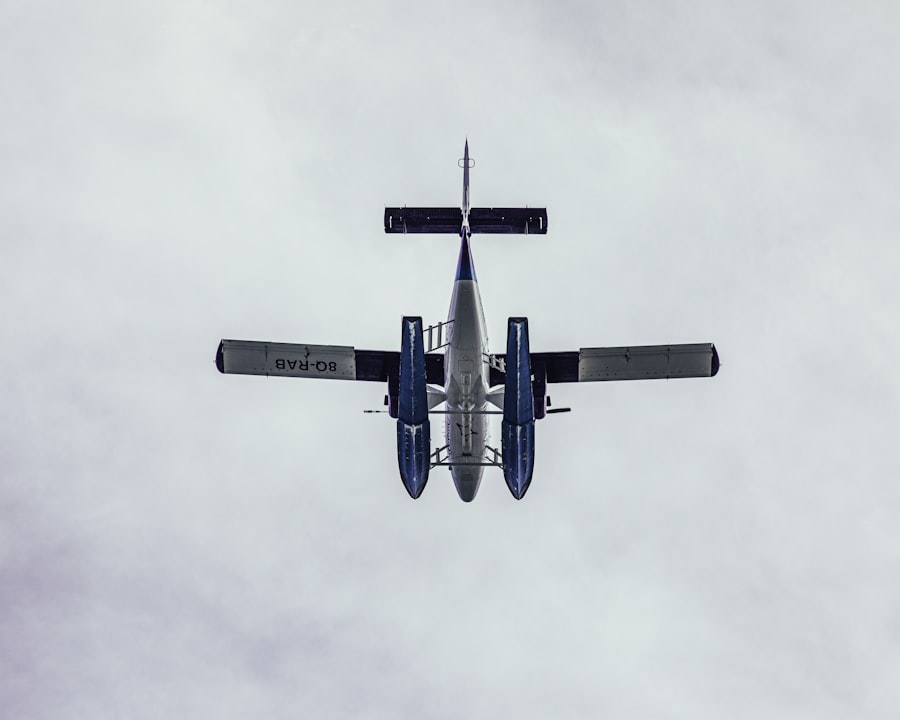
The vision for human spaceflight extends far beyond current capabilities, aiming for sustained presence beyond Earth and even the colonization of other worlds. Aerospace engineers are the architects of this future.
Lunar Gateway and Sustained Lunar Presence
The Lunar Gateway, an orbiting outpost around the Moon, is a key stepping stone for future lunar exploration and a potential staging point for missions to Mars. Engineers are designing and building the modules and systems that will enable crewed missions to the Moon and the establishment of a sustainable presence on its surface.
In-Situ Resource Utilization (ISRU)
A critical aspect of sustained lunar presence is the ability to utilize local resources, such as water ice found in polar craters. Engineers are developing technologies to extract and process these resources for use as propellant, life support, and construction materials, significantly reducing the cost and complexity of lunar operations.
Mars Base Concepts and Habitation
Establishing a human base on Mars presents immense engineering challenges. Concepts range from pre-fabricated habitats to inflatable structures and utilizing local Martian materials for construction.
Radiation Shielding and Habitation Design
Protecting astronauts from the high levels of solar and galactic cosmic radiation on Mars is a primary concern. Engineers are researching effective shielding materials and designing habitats that provide adequate protection, potentially utilizing Martian regolith or even underground lava tubes.
Interplanetary Travel Architectures
The long-term vision involves developing architectures for routine travel between planets. This includes exploring efficient and multi-stage transportation systems that can carry larger payloads and more crew members over vast distances.
On-Orbit Assembly and Servicing
The concept of assembling large spacecraft and orbital infrastructure in space, rather than launching massive components from Earth, is gaining traction. Engineers are developing the robotic and automated systems necessary for on-orbit assembly, servicing, and refueling of spacecraft, enabling more ambitious missions.
Collaboration and International Partnerships
| Metric | Value | Notes |
|---|---|---|
| Average Salary | 120,000 | Annual median salary for aerospace engineers at NASA |
| Number of Aerospace Engineers | Approximately 1,500 | Estimated number employed across all NASA centers |
| Education Level | Bachelor’s or higher | Most engineers hold degrees in aerospace engineering or related fields |
| Average Experience | 8-12 years | Typical range of professional experience among NASA aerospace engineers |
| Key Responsibilities | Design, test, and analyze aircraft and spacecraft | Includes research and development of new aerospace technologies |
| Work Locations | Multiple NASA centers | Includes Johnson Space Center, Kennedy Space Center, Langley Research Center, etc. |
| Job Growth Outlook | 5% over 10 years | Projected growth rate for aerospace engineering jobs at NASA |
The ambitious goals of space exploration and aeronautics are often too large for any single entity to achieve alone. NASA relies heavily on collaboration and international partnerships, with aerospace engineers playing a crucial role in these joint ventures.
Joint Missions and Technology Development
Many of NASA’s most successful missions have been collaborations with other space agencies, such as the International Space Station (ISS) and the James Webb Space Telescope. Aerospace engineers work hand-in-hand with their international counterparts, sharing knowledge, expertise, and resources to achieve common objectives.
Standardized Interfaces and Protocols
A significant engineering challenge in international collaboration is ensuring compatibility between different systems and components. Developing standardized interfaces and protocols is essential for seamless integration and operation of joint projects, allowing different pieces of a complex puzzle to fit together harmoniously.
Private Sector Engagement and Commercialization
The private sector is increasingly playing a vital role in space exploration and aeronautics. NASA partners with commercial companies to develop new technologies, launch satellites, and even transport astronauts. Aerospace engineers at NASA work to foster innovation and create an environment where commercial ventures can thrive.
Technology Transfer and Spin-offs
The technologies developed for space missions often have terrestrial applications, leading to numerous “spin-off” innovations that benefit society. Aerospace engineers contribute to the process of identifying and transferring these technologies for commercial use, bridging the gap between cutting-edge research and practical applications.
Future Workforce Development and Education
Ensuring a pipeline of skilled aerospace engineers for the future is a continuous effort. NASA, through its educational outreach programs and collaborations with universities, aims to inspire the next generation of innovators.
STEM Education Initiatives
These initiatives aim to engage students in science, technology, engineering, and mathematics (STEM) fields, fostering a passion for space and aeronautics. By providing resources, mentorship, and hands-on learning opportunities, NASA seeks to cultivate the talent that will drive future advancements.
In conclusion, the work of NASA’s aerospace engineers is a testament to human ingenuity and our persistent drive to explore and understand. Their current efforts are not directed by whimsy, but by a rigorous application of scientific principles and a clear vision for what lies ahead. The challenges are substantial, but the potential rewards – expanding our knowledge, safeguarding our planet, and reaching for the stars – are immeasurable.