
The field of aerospace and astronautics, collectively known as Aero Astro, stands at a precipice of profound transformation. For decades, it has been the domain of national agencies and large corporations, pushing the boundaries of human endeavor against the backdrop of atmospheric flight and the vastness of space. Today, however, the landscape is shifting. A confluence of technological advancements, evolving economic models, and a renewed public interest is ushering in an era where the once-distant dreams of personalized spaceflight, advanced aerial mobility, and sustainable celestial exploration are rapidly becoming tangible realities.
The skies above us are no longer solely the domain of commercial airliners and military aircraft. The future of Aero Astro is deeply rooted in addressing the challenges and opportunities of how we move people and goods within Earth’s atmosphere. This involves not just incremental improvements to existing systems but a fundamental reimagining of aerial transportation.
The Dawn of Electric and Hybrid-Electric Aviation
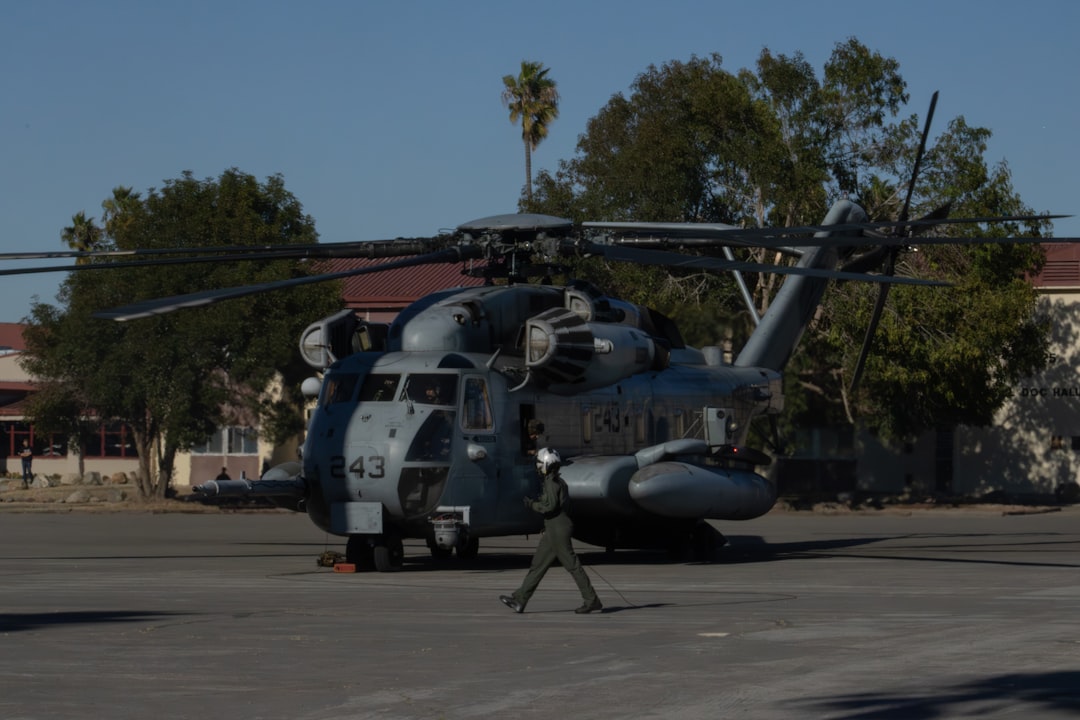
The environmental impact of aviation has long been a subject of concern. The reliance on fossil fuels contributes significantly to greenhouse gas emissions, making the development of cleaner propulsion systems a paramount objective.
Battery Technology Advancements
The development of lighter, more energy-dense batteries is a critical enabler for electric aviation. Progress in solid-state batteries and other advanced electrochemical storage solutions promises to overcome the weight limitations that have historically hampered electric propulsion for larger aircraft. Imagine batteries that can power a regional jet for hundreds of miles, a silent revolution taking flight.
Hydrogen Fuel Cells
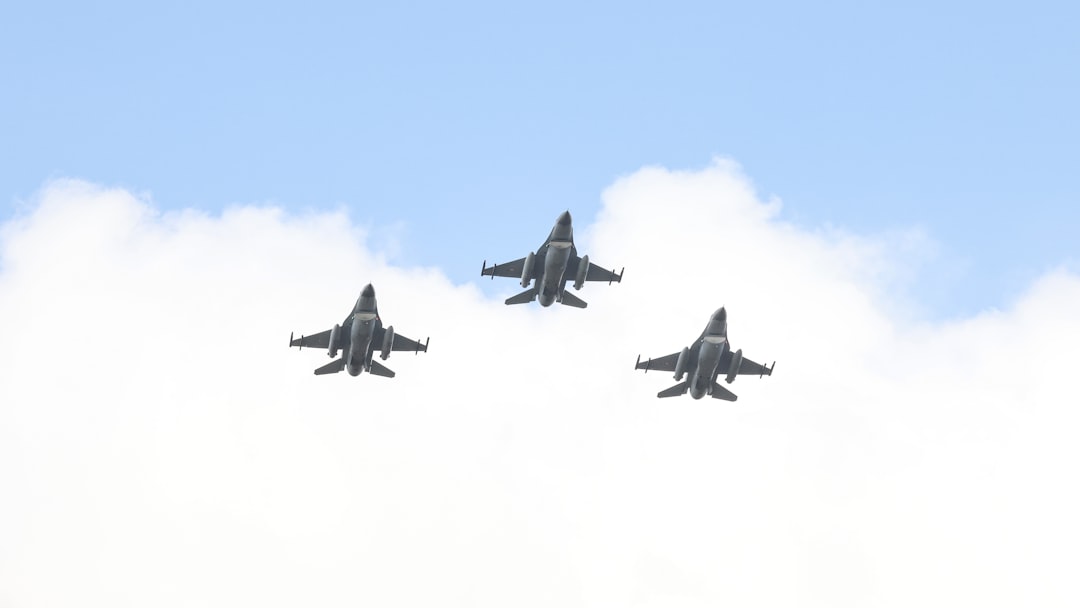
Another promising avenue is the use of hydrogen fuel cells. These systems offer the potential for zero-emission flight with energy outputs comparable to traditional jet engines. While challenges remain in hydrogen storage and infrastructure development, the prospect of clean, long-range aerial transport is a powerful motivator.
The Rise of Urban Air Mobility (UAM)
Urban Air Mobility represents a paradigm shift in how we envision intra-city transportation. It encompasses a range of electric vertical takeoff and landing (eVTOL) aircraft designed to transport passengers and cargo over short distances within urban and suburban environments.
eVTOL Aircraft Design and Operation
eVTOLs come in various configurations, from multirotor designs akin to large drones to more conventional wing-borne aircraft with integrated lift fans. The goal is to create a network of aerial taxis and delivery services that can bypass ground congestion, offering faster and more efficient transit.
Infrastructure and Air Traffic Management Challenges
The widespread adoption of U