
The aerospace industry is a landscape of constant evolution, and at its forefront stands Boeing, a company with a long legacy of innovation. Examining the future of Boeing Aerospace requires a look at its ongoing projects, strategic decisions, and the broader forces shaping the industry. This exploration will delve into the core areas where Boeing is directing its resources and ambition, aiming to chart a course through the complexities of modern aviation and space exploration.
Boeing’s commercial aircraft division is the bedrock of its operations, and its future hinges on continued advancements in efficiency, sustainability, and passenger experience. The company faces the dual challenge of modernizing its existing product lines and developing entirely new platforms to meet evolving market demands and environmental regulations.
The Evolution of Wide-Body Aircraft
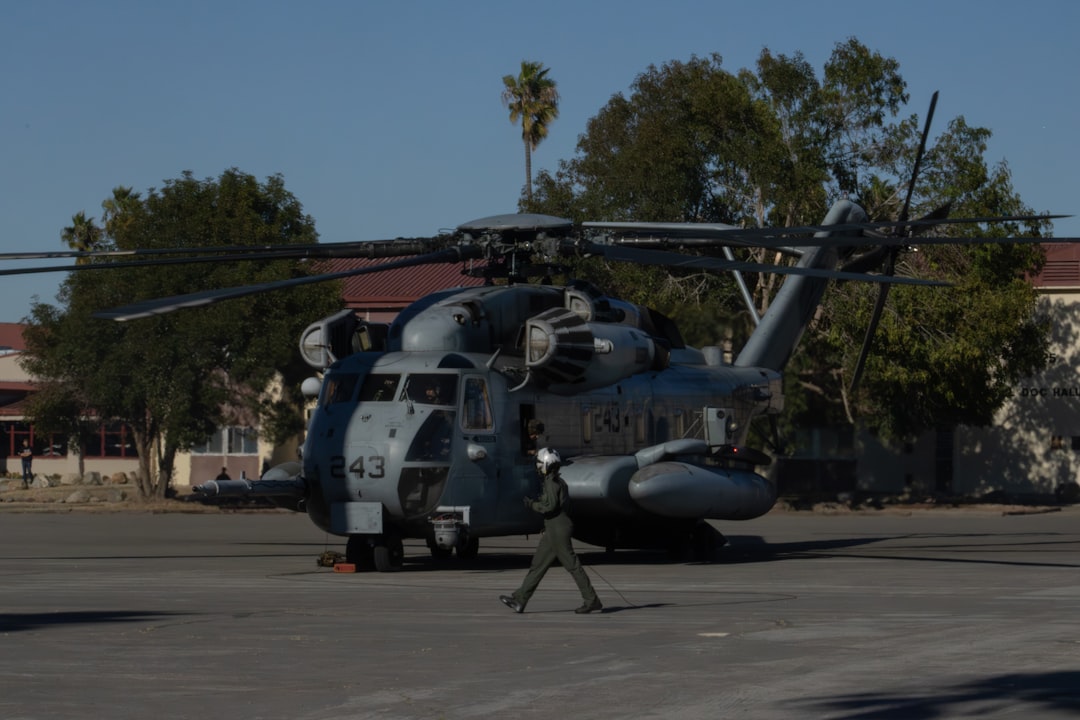
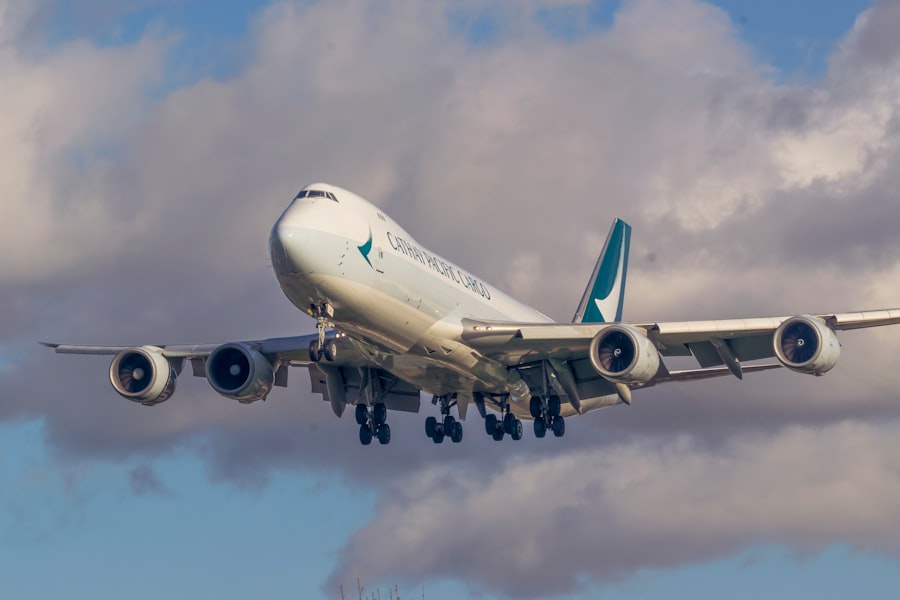
The wide-body segment, critical for long-haul travel, is a prime area of focus. Boeing has historically relied on the 777 and 787 families. The 777X, a significant iteration of the classic twin-engine jet, represents a substantial investment in this market. Its development emphasizes improved fuel efficiency through advanced materials like composites and more powerful, yet economical, engines. The program, however, has faced delays, a testament to the inherent complexity of bringing a new large aircraft to market. The success of the 777X will be a key indicator of Boeing’s ability to compete with established and emerging rivals in the lucrative long-haul sector. Beyond the 777X, the long-term vision for wide-body aircraft likely involves further integration of composite materials for lighter and stronger structures. This material science evolution is not just about trimming weight; it’s about making aircraft more aerodynamically efficient and resistant to fatigue, translating to lower operating costs and extended service lives.
Sustainable Propulsion Systems
A paramount concern for the future of commercial aviation is the reduction of its environmental impact. Boeing is actively pursuing research and development into sustainable propulsion systems. This includes exploring hybrid-electric and fully electric propulsion for shorter-range aircraft, though the energy density of current battery technology presents significant hurdles for larger, longer-distance flights. The company is also a participant in initiatives focused on the development and widespread adoption of Sustainable Aviation Fuels (SAFs). SAFs, derived from sources like used cooking oil, agricultural waste, and even captured carbon, offer a pathway to significantly reduce the lifecycle carbon emissions of existing aircraft without requiring major re-engineering or infrastructure changes. Boeing’s commitment here is not just about technological novelty, but about aligning with global climate goals and customer expectations for greener travel. The transition to these new energy sources will be gradual, a marathon rather than a sprint, requiring collaboration across the supply chain and regulatory bodies.
The Future of Single-Aisle Aircraft
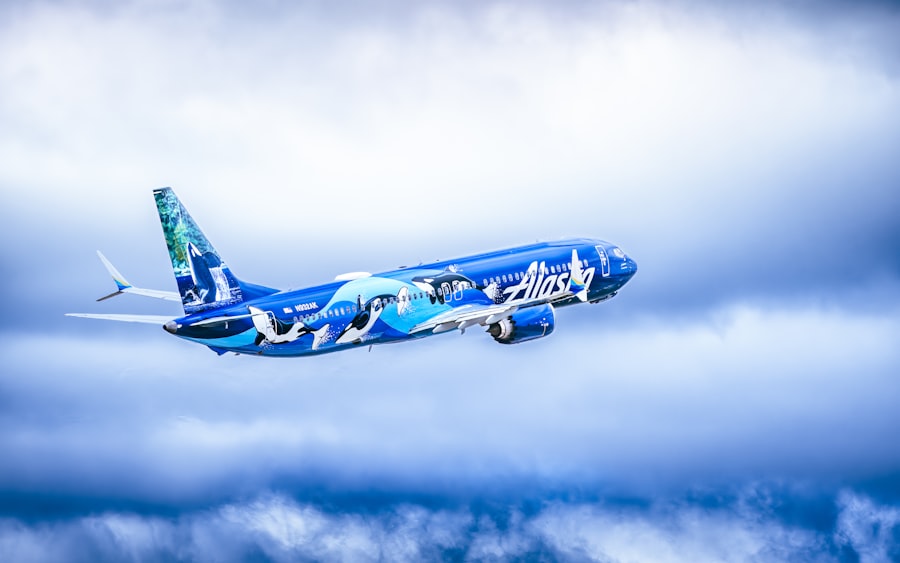
The single-aisle market, dominated by the Boeing 737 family, is equally critical. The 737 MAX, despite its operational challenges, continues to be a vital part of Boeing’s commercial offering. Future developments will likely focus on further efficiency gains within this platform and the potential for entirely new designs that can accommodate emerging propulsion technologies. The notion of a “middle-of-the-market” aircraft, bridging the gap between current narrow-body and wide-body jets, has also been a recurring theme in industry discussions. While specific programs remain under wraps, Boeing will undoubtedly be assessing opportunities to fill such market niches should they prove viable. The development of next-generation single-aisle aircraft will be deeply intertwined with advancements in engine technology and airframe design, aiming to offer airlines increased flexibility and lower per-seat operating costs.
Innovations in Airframe Design
Beyond propulsion, airframe design continues to be an area of intense development. The ongoing refinement of composite manufacturing processes allows for more complex and aerodynamically advantageous shapes. The “blended wing body” concept, for example, where the fuselage and wings merge seamlessly, has been explored for decades. While challenges remain in terms of passenger cabin integration and emergency egress, the potential for significant aerodynamic gains makes it a persistent area of interest for future aircraft. Other research avenues include active aerodynamics, where control surfaces can dynamically adjust to optimize airflow, and morphing wings, which can change their shape in flight to adapt to different flight conditions. These innovations aim to wring every ounce of efficiency from the aircraft’s structure, making it more agile and less fuel-hungry.
Expanding Capabilities in Defense and Space
Boeing’s involvement in defense and space sectors is substantial, representing a significant portion of its revenue and technological development. This area is characterized by long development cycles, complex systems integration, and the demands of national security and scientific exploration.
Modernizing Defense Platforms
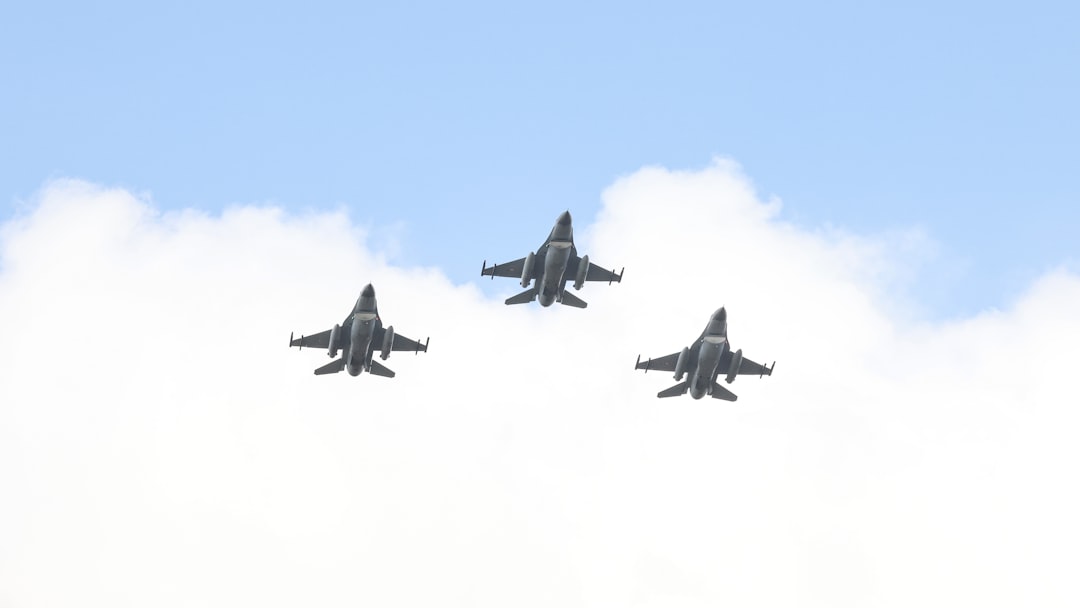
In the defense realm, Boeing is a key provider of fighter jets, rotorcraft, and various specialized aircraft. The company is heavily involved in upgrading existing platforms to meet evolving threats and operational requirements. This includes modernizing avionics, enhancing survivability, and integrating new weapons systems. The T-7 Red Hawk trainer aircraft, for example, is a new platform designed to prepare future fighter pilots, incorporating advanced simulation and digital design tools. Boeing’s role in developing the next generation of bomber aircraft, such as the B-21 Raider (though primarily a Northrop Grumman program with Boeing involvement in critical systems), highlights its contribution to future strategic airpower. The company’s continued investment in advanced materials and manufacturing techniques also aids in the development of lighter, faster, and more resilient defense platforms.
The Future of Military Rotorcraft
Boeing’s tradition in rotorcraft is robust, with the Apache attack helicopter being a prime example. The future of military rotorcraft involves platforms that are more agile, survivable, and capable of operating in contested environments. The Future Vertical Lift (FVL) program, a joint initiative with other defense contractors, aims to develop a new generation of helicopters with enhanced speed, range, and payload. Boeing is actively participating in this endeavor. The focus is on modular designs that can be adapted for various missions, from troop transport to armed reconnaissance, and on integrating advanced countermeasure systems to protect against evolving threats.
Contributions to Space Exploration
In space, Boeing is a significant player, most notably through its partnership on the International Space Station (ISS) and its development of the Starliner spacecraft. Starliner is designed to transport astronauts to and from the ISS, providing a critical capability for NASA’s human spaceflight program. The program has experienced its own set of challenges, emphasizing the inherent difficulty of crewed spaceflight development. Beyond human spaceflight, Boeing is involved in satellite development, launch vehicle components, and advanced space systems for scientific research and national security. The company’s expertise in large-scale engineering and complex system integration is directly transferable to the demanding requirements of space missions.
Deep Space and Lunar Missions
Looking ahead, Boeing is positioned to contribute to NASA’s Artemis program and other deep space initiatives. This involves developing components for the Space Launch System (SLS) rocket and potentially future lunar landers and habitats. The long-term vision for space exploration includes sustained human presence on the Moon and eventual missions to Mars. Boeing’s expertise in robust structural engineering, life support systems, and advanced robotics will be crucial in enabling these ambitious endeavors. The development of technologies for in-situ resource utilization (ISRU) – using resources found on other celestial bodies – will also be a key area of focus, reducing the cost and complexity of deep space missions.
Embracing Digital Transformation and Advanced Manufacturing
The aerospace industry, like many others, is undergoing a profound digital transformation. For Boeing, this means leveraging data, advanced analytics, and new manufacturing techniques to enhance efficiency, product quality, and innovation.
The Role of Digital Twins and AI
Digital twins, virtual replicas of physical products and processes, are becoming indispensable. Boeing is employing digital twins throughout the design, manufacturing, and operational lifecycle of its aircraft. These models allow for extensive simulation and testing before physical prototypes are even built, reducing development costs and time. Artificial intelligence (AI) and machine learning are also being integrated to optimize manufacturing processes, predict maintenance needs, and enhance aircraft performance. AI can analyze vast datasets from aircraft sensors to identify potential issues before they occur, a proactive approach to safety and reliability.
Data Analytics for Predictive Maintenance
The sheer volume of data generated by modern aircraft presents an opportunity. By applying sophisticated data analytics and AI, Boeing can move beyond scheduled maintenance to a predictive maintenance model. This means anticipating component failures based on real-time performance data and historical trends, allowing for repairs to be scheduled at convenient times, minimizing downtime and operational disruption for airlines. This shift from reactive to proactive maintenance is a fundamental change in how aircraft are supported throughout their service lives.
Advanced Manufacturing Techniques
The adoption of advanced manufacturing techniques is revolutionizing how aircraft are built. Additive manufacturing, or 3D printing, allows for the creation of complex geometries that were previously impossible to produce using traditional methods. This can lead to lighter, stronger, and more integrated components. Boeing is investing in 3D printing for a variety of parts, from intricate brackets to larger structural elements. The concept of “smart factories,” integrated with automation and advanced robotics, is also key to improving precision and efficiency in production lines. The use of augmented reality (AR) and virtual reality (VR) in manufacturing and maintenance training is also on the rise, providing immersive and effective learning experiences.
The Impact of Automation and Robotics
Automation and robotics are transforming the assembly line. Robotic arms can perform repetitive tasks with extreme precision and consistency, leading to higher quality and reduced human error. Collaborative robots, or “cobots,” work alongside human technicians, sharing tasks and enhancing productivity. This integration of human and machine capabilities aims to optimize the workflow, ensuring that each step in the manufacturing process is executed with the highest degree of accuracy. The long-term vision is a highly automated and efficient manufacturing ecosystem, capable of producing aircraft with greater speed and less waste.
Navigating Market Dynamics and Competition
Boeing operates within a highly competitive global market, influenced by economic cycles, geopolitical factors, and the strategies of its rivals. Successfully navigating these dynamics is crucial for its continued prosperity.
The Airbus Challenge and Market Share
Boeing’s primary competitor in the commercial aircraft market is Airbus. The competition between these two aerospace giants has shaped the industry for decades. Airbus has, at times, gained market share through strategic product offerings and, more recently, by capitalizing on issues faced by Boeing. Maintaining a competitive product portfolio and ensuring reliable delivery schedules are paramount for Boeing to effectively counter Airbus’s offerings and secure its position. The ongoing competitive dance between Boeing and Airbus is a constant forcing function for innovation and operational excellence.
Strategic Partnerships and Alliances
In an increasingly complex global industry, strategic partnerships and alliances are becoming more important. Boeing engages in joint ventures and collaborations with companies worldwide, sharing development costs, accessing new markets, and pooling expertise. These partnerships can range from specific component development to broader agreements concerning research and technology. The ability to forge and manage these alliances effectively is a key determinant of Boeing’s long-term success and its reach into international markets.
Responding to Economic and Geopolitical Shifts
The aerospace industry is sensitive to global economic fluctuations. Recessions can lead to reduced airline demand for new aircraft, impacting order books and production rates. Geopolitical tensions can also disrupt supply chains, restrict market access, and lead to shifts in defense spending priorities. Boeing must maintain a degree of agility to adapt its production and product development strategies to these macro-level forces. A diversified customer base that includes both commercial airlines and government defense agencies offers a degree of resilience, but the company remains susceptible to significant global downturns.
The Role of Regulation and Certification
The stringent regulatory environment surrounding aviation safety and certification is a significant factor in Boeing’s operations. The Federal Aviation Administration (FAA) and other international aviation authorities set rigorous standards for aircraft design, manufacturing, and operation. The certification process for new aircraft, like the 737 MAX, can be lengthy and demanding, requiring extensive proof of safety and compliance. Boeing’s ability to meet and exceed these regulatory requirements, and to maintain a strong relationship with certification bodies, is fundamental to its license to operate and its reputation.
Investing in the Workforce of the Future
| Metric | Value | Year | Notes |
|---|---|---|---|
| Annual Revenue | 66.6 billion | 2023 | Global aerospace and defense revenue |
| Commercial Airplanes Delivered | 480 | 2023 | Includes 737, 747, 767, 777, and 787 models |
| Defense, Space & Security Revenue | 26.5 billion | 2023 | Includes military aircraft, satellites, and services |
| Employees | 157,000 | 2023 | Worldwide workforce |
| Research & Development Spending | 3.2 billion | 2023 | Investment in new aerospace technologies |
| Order Backlog (Commercial) | 4,200 aircraft | 2023 | Firm orders yet to be delivered |
The future of any technology-driven company, especially in a field as complex as aerospace, rests heavily on the talent and expertise of its people. Boeing’s ability to attract, train, and retain a skilled workforce will be a defining factor in its long-term success.
Cultivating Engineering and Technical Talent
The demand for highly skilled engineers, technicians, and researchers in aerospace is consistently high. Boeing invests in programs to cultivate this talent, from university partnerships and internships to internal training and development initiatives. The company needs individuals who can tackle intricate design challenges, develop innovative solutions, and ensure the highest standards of safety and quality in production. The knowledge base within an organization like Boeing is its most valuable intellectual capital.
STEM Education and Outreach Initiatives
Recognizing the need for a continuous pipeline of talent, Boeing actively engages in STEM (Science, Technology, Engineering, and Mathematics) education and outreach initiatives. These programs aim to inspire younger generations to pursue careers in STEM fields, from K-12 programs to scholarships and university collaborations. By fostering an early interest in aerospace and engineering, Boeing helps to ensure a future workforce capable of driving its continued innovation.
Fostering a Culture of Safety and Quality
A cornerstone of the aerospace industry is an unwavering commitment to safety and quality. Boeing’s future success is inextricably linked to its ability to uphold and strengthen this commitment. This involves embedding a deep-seated culture of safety throughout the organization, from the design board to the factory floor. Continuous improvement processes, robust quality control measures, and an environment where employees feel empowered to raise concerns are essential. The lessons learned from past challenges have underscored the critical importance of this focus.
Continuous Improvement and Lessons Learned
The aerospace industry is characterized by a process of continuous learning and adaptation. Boeing, like all major players, must actively learn from its experiences, both successes and setbacks. Analyzing the root causes of any issues, implementing corrective actions, and sharing those lessons learned across the organization are vital for preventing future problems and driving ongoing improvements in every aspect of its operations. This commitment to learning and evolving is not merely a bureaucratic exercise, but a fundamental requirement for sustained leadership in such a demanding sector.
In conclusion, the future of Boeing Aerospace is a multi-faceted narrative of technological advancement, strategic adaptation, and sustained investment in its people and processes. The company stands at a pivotal juncture, with its ability to innovate, execute, and maintain the highest standards of safety and reliability determining its trajectory in the decades to come.