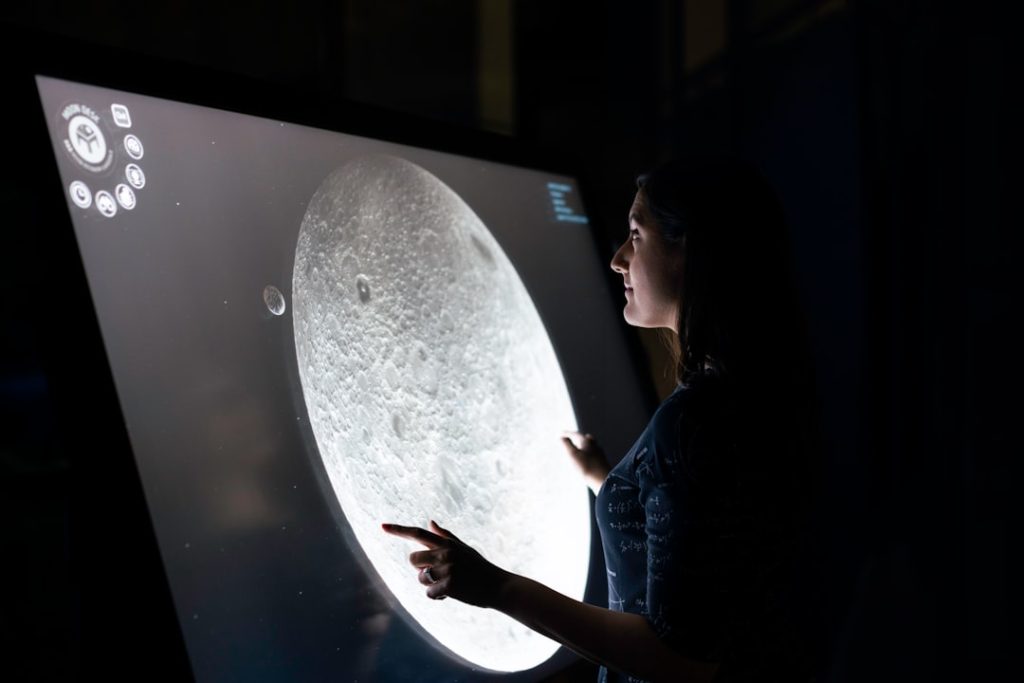
The field of space engineering, a discipline that bridges the gap between human ambition and the cosmos, is undergoing a profound transformation. Pursuing a PhD in Space Engineering offers a direct pathway to contributing to this evolving frontier, equipping individuals with the advanced knowledge and research skills necessary to tackle the complex challenges and opportunities that lie ahead. This article explores the landscape of PhD research in space engineering, examining the areas of focus, the skills developed, and the potential impact of these endeavors.
A doctoral program in space engineering is not a singular, monolithic entity. Instead, it is built upon several core disciplines, each of which can form the bedrock of specialized research. Understanding these foundational pillars is crucial for prospective students and for grasping the breadth of inquiry within the field.
Aerospace Systems Design and Integration

This area focuses on the conceptualization, design, analysis, manufacturing, and testing of spacecraft and launch vehicles. PhD candidates here might delve into:
Advanced Aerodynamics and Flight Dynamics
Research in this sub-area could involve developing novel computational fluid dynamics (CFD) models for extreme atmospheric re-entry, or investigating robust control systems for spacecraft operating in complex gravitational environments. The goal is to achieve greater prediction accuracy and control authority for atmospheric and exo-atmospheric flight regimes.
Structural Mechanics and Materials Science
Exploration into next-generation materials with superior strength-to-weight ratios, radiation resistance, or self-healing capabilities falls under this umbrella. PhD research might include developing advanced composite materials for launch vehicle tanks or analyzing the long-term structural integrity of components exposed to the harsh vacuum of space.
Propulsion Systems Innovation
This sub-discipline is fundamental to space exploration, enabling movement beyond Earth’s gravity. Research can span:
Chemical Propulsion Advancements
This includes work on high-performance solid or liquid propellants, advanced engine architectures like rotating detonation engines, or innovative ignition and control systems to improve efficiency and reduce emissions. The aim is to extract more thrust from less fuel.
Electric and Advanced Propulsion Concepts
PhD research often focuses on developing more efficient and powerful electric propulsion systems, such as Hall-effect thrusters or ion engines, to enable longer-duration missions and interplanetary travel. It also encompasses theoretical and experimental work on more speculative technologies like nuclear-electric propulsion or exotic concepts that push the boundaries of current understanding.
Spacecraft Systems Engineering and Integration
This involves the holistic approach to designing, building, and testing complex space systems. Doctoral work might concentrate on:
Mission Architecture Design and Optimization
This involves developing methodologies for designing entire mission architectures from payload requirements to launch vehicle selection and orbit maneuvering strategies. The emphasis is on maximizing scientific return or operational effectiveness within budget and technological constraints.
System-Level Simulation and Verification
Creating sophisticated simulation environments to test the integrated performance of all spacecraft subsystems is a critical area. PhDs might develop new verification and validation techniques for complex software and hardware interactions in space.
Space Science and Astronomy
While distinct from engineering, space science and astronomy are inextricably linked to engineering endeavors, as many engineering breakthroughs are driven by scientific curiosity and the need to observe and study the universe. PhD research in this intersection often focuses on the application of engineering principles to scientific objectives.
Instrumentation for Astronomical Observation
This area involves the design and development of cutting-edge instruments to detect and analyze electromagnetic radiation across the spectrum, or to detect particles originating from cosmic sources.
Telescopes and Sensor Development
PhD research could involve designing new types of optical or radio telescopes, developing highly sensitive detectors for specific wavelengths, or creating novel imaging techniques for space-based observatories.
In-Situ Scientific Payload Design
This focuses on instruments designed to be deployed on planetary surfaces, within atmospheres, or in orbital environments to directly measure physical and chemical properties. Examples include spectrometers, mass spectrometers, and ground-penetrating radar for planetary exploration.
Data Acquisition and Processing
The vast amounts of data generated by space missions require sophisticated engineering solutions for acquisition, transmission, storage, and analysis.
Signal Processing and Communication Systems
PhD research can focus on developing advanced signal processing algorithms for noisy space communications, designing robust and efficient telemetry systems, or exploring new communication protocols for deep-space networks.
Big Data Analytics for Space Science
Applying machine learning and artificial intelligence techniques to extract meaningful scientific insights from massive astronomical datasets is a growing area of doctoral study.
Space Resource Utilization and In-Situ Manufacturing
As humanity expands its presence in space, the ability to utilize local resources becomes paramount. PhD research in this area is laying the groundwork for sustainable off-world operations.
Extraction and Processing of Extraterrestrial Materials
This involves developing technologies for extracting water, minerals, or other raw materials from asteroids, the Moon, or Mars.
Regolith Characterization and Processing
PhD research might focus on understanding the physical and chemical properties of lunar or Martian regolith and developing methods for extracting useful components like oxygen or metals.
Water Ice Extraction and Purification
Investigating techniques for accessing and purifying water ice found in shadowed craters or subsurface deposits for life support and propellant production is a key area.
Additive Manufacturing (3D Printing) in Space
3D printing offers immense potential for on-orbit manufacturing and repair, reducing the need for Earth-based resupply.
On-Orbit 3D Printer Design and Operation
This involves developing robust and reliable 3D printing systems that can function in microgravity, handle various materials, and be automated for remote operation.
Material Science for Space-Based Additive Manufacturing
Research here focuses on developing or adapting materials suitable for 3D printing in vacuum and radiation environments, and optimizing printing processes for specific applications.
Space Robotics and Autonomous Systems
Robots are increasingly becoming the extended limbs and eyes of humanity in space. PhD research in this area is driving greater autonomy and capability.
Advanced Navigation and Control for Space Robots
This involves developing sophisticated algorithms and hardware to enable robots to navigate complex terrain, perform precise maneuvers, and operate in dynamic environments.
Autonomous Navigation in Unknown Environments
PhD research might focus on developing AI-driven systems that allow robots to map and navigate uncharted territories on other planets without constant human guidance.
Dexterous Manipulation and Grasping
Developing robotic end-effectors and control systems that can safely and effectively manipulate delicate scientific instruments or construction components is crucial.
Human-Robot Collaboration in Space
As missions become more complex, seamless interaction between humans and robots will be essential.
Teleoperation and Shared Autonomy
PhD research can explore interfaces and control schemes that allow humans to effectively supervise and collaborate with autonomous robotic systems.
Long-Term Robotic System Maintenance and Repair by Humans
Investigating how humans can perform maintenance and repairs on robotic systems during extended missions is another vital area.
Space Policy, Economics, and Sustainability
While not always a direct engineering discipline, a PhD in space engineering can lead into research on the broader societal and economic implications of space activities, often focusing on the engineering feasibility and impact of proposed policies and economic models.
Space Traffic Management and Orbital Debris Mitigation
As the orbital environment becomes more crowded, ensuring safe and sustainable operations is critical.
Modeling and Prediction of Orbital Debris Evolution
PhD research can involve developing advanced models to predict the long-term behavior of orbital debris and inform mitigation strategies.
Active Debris Removal Technologies
Investigating and developing technologies for removing existing debris from orbit is a significant area of research, often involving complex engineering challenges.
Economics of Space Exploration and Commercialization
Understanding the financial and economic drivers of space endeavors is crucial for their long-term viability.
Cost-Benefit Analysis of Space Missions and Technologies
PhD research can involve developing frameworks for evaluating the economic returns and societal benefits of various space initiatives.
Development of Space Resource Economics
Exploring the economic models for extracting and utilizing resources from celestial bodies is a nascent but growing field of study.
Skills Forged in the Crucible of Doctoral Research
A PhD in Space Engineering is more than just acquiring specialized knowledge; it is a process that hones a wide array of transferable skills, making graduates valuable assets in academia, industry, and government.
Advanced Analytical and Problem-Solving Prowess
At its core, a PhD is about tackling complex, often ill-defined problems. You will learn to break down intricate challenges into manageable components, apply rigorous analytical methods, and devise innovative solutions. This is akin to being a detective, piecing together clues in a vast, uncharted territory.
Rigorous Scientific Inquiry and Research Methodology
You will become adept at formulating research questions, designing experiments, collecting and analyzing data, and drawing evidence-based conclusions. This involves mastering the scientific method, understanding statistical analysis, and navigating the nuances of experimental design.
Technical Mastery and Deep Domain Expertise
The hallmark of a PhD is the profound understanding of a specific area within space engineering. You will acquire deep technical knowledge, often pushing the boundaries of current understanding within your chosen specialization. This isn’t just knowing facts; it’s understanding the ‘why’ and ‘how’ at an intricate level.
Communication and Dissemination of Knowledge
A significant part of doctoral training involves effectively communicating complex technical information to diverse audiences. This includes writing scientific papers for peer-reviewed journals, presenting research at international conferences, and advocating for your work. You’ll learn to translate the arcane language of engineering into understandable terms, whether for fellow specialists or policymakers.
Project Management and Independent Work Ethic
PhD candidates are, in essence, running long-term research projects. You will develop strong organizational skills, the ability to set and meet deadlines, and the self-discipline required to work independently for extended periods. This is about navigating the long haul, much like a deep-space mission requires sustained effort.
Adaptability and Future-Oriented Thinking
The landscape of space engineering is constantly evolving. A PhD instills a mindset of continuous learning and adaptation, preparing you to embrace new technologies and challenges. You’ll be trained not just for the present challenges, but to anticipate and shape the future of space exploration.
The Horizon of Opportunity: Career Paths for Space Engineering PhDs
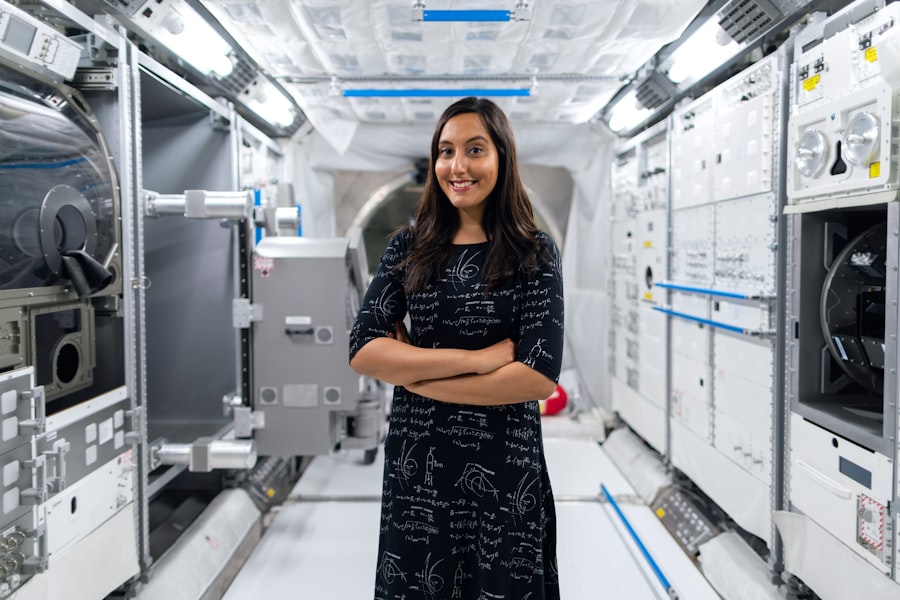
The impact of a PhD in Space Engineering extends far beyond the confines of the laboratory or research institution. Graduates are equipped to lead innovation and drive progress across a spectrum of vital sectors.
Academia and Research Institutions
Many PhD graduates choose to remain in academia, pursuing postdoctoral research, teaching, and continuing to push the boundaries of fundamental knowledge. They become the educators and researchers who mentor the next generation of space engineers.
University Professorships
Holding a professorship allows you to conduct independent research, guide doctoral students, and teach undergraduate and graduate courses, shaping the future workforce.
Senior Research Scientist Roles
Working in research institutes, you can focus on long-term, high-impact research projects without the direct teaching responsibilities of a professorship.
Aerospace Industry
The commercial space sector is experiencing unprecedented growth, creating a high demand for individuals with advanced expertise.
Lead Engineer and Principal Investigator Positions
Companies seek PhDs to lead complex design and development projects, manage research teams, and drive technological innovation for new spacecraft, launch vehicles, and satellite systems.
Advanced Technology Development Groups
Many large aerospace corporations have dedicated R&D departments where PhDs focus on exploring and developing breakthrough technologies that will shape future aerospace capabilities. This is where the seeds of tomorrow’s breakthroughs are sown.
Satellite System Design and Operations
From telecommunications to Earth observation, the design and operation of sophisticated satellite constellations require deep engineering acumen, often led by those with doctoral training.
Government and Space Agencies
National space agencies and defense organizations are crucial employers of space engineering PhDs, involved in national security, scientific exploration, and policy development.
Mission Scientists and Engineers at NASA, ESA, etc.
These roles involve contributing to the planning, design, and execution of groundbreaking space missions, from planetary exploration to astrophysics.
Space Policy and Strategy Advisors
PhD graduates can leverage their technical understanding to inform government policy related to space exploration, regulation, and international cooperation.
Defense and National Security Applications
The application of space engineering to defense systems, intelligence gathering, and strategic planning is a significant area for doctoral graduates.
New Space Startups and Entrepreneurship
The burgeoning entrepreneurial spirit in the space sector offers exciting opportunities for PhDs to found or join innovative startups.
Founding and Leading Technology Ventures
With a deep understanding of cutting-edge technology, PhDs are well-positioned to identify market gaps and develop novel space-based solutions.
Chief Technology Officer (CTO) Roles in Early-Stage Companies
These roles involve guiding the technological direction and product development of new space companies.
The Next Giant Leap: Future Directions in Space Engineering PhD Research
The future of space engineering is not a static destination but a continually unfolding panorama. Doctoral research is the vanguard, charting courses into uncharted territories.
Sustainable Space Exploration and Orbital Infrastructure
The long-term viability of space activities hinges on sustainability. Future PhD research will likely focus on:
Closed-Loop Life Support Systems
Developing highly efficient and reliable systems that can recycle water, air, and waste for extended human missions, reducing reliance on Earth resupply. This is akin to creating a miniature, self-sustaining biosphere.
In-Orbit Servicing and Refueling
Designing robotic systems and infrastructure to extend the lifespan of satellites, repair them in orbit, and refuel them, significantly increasing the efficiency and longevity of space assets.
Lunar and Martian Base Construction and Habitation
Research into autonomous construction techniques, radiation shielding, and advanced habitat design for permanent off-world settlements.
Advanced Propulsion for Interstellar and Deep Space Missions
The dream of reaching distant stars and exploring the outer Solar System requires revolutionary propulsion technologies.
Fusion and Antimatter Propulsion Concepts
While highly speculative, theoretical and experimental work on these advanced propulsion methods will continue to be a frontier for doctoral research.
Breakthroughs in Rocketless Propulsion: EmDrive and Beyond
Investigating novel thrust generation mechanisms that do not rely on expelling propellant, which, if proven feasible, could redefine space travel.
Artificial Intelligence and Autonomy in Space Systems
The increasing complexity of space missions demands greater intelligence and autonomy in robotic systems and spacecraft.
End-to-End AI for Mission Operations
Developing AI systems that can manage entire mission timelines, from anomaly detection and resolution to scientific data analysis, with minimal human intervention.
Swarm Robotics for Exploration and Construction
Designing and coordinating large numbers of autonomous robots that can work collaboratively to explore vast areas or build complex structures.
The Convergence of Space Engineering with Other Disciplines
The most exciting frontiers often lie at the intersection of disciplines. Space engineering PhDs will increasingly engage with:
Biotechnology and Space Medicine
Developing solutions for human health and well-being in space, from mitigating the effects of microgravity to creating advanced medical diagnostic and treatment capabilities.
Quantum Technologies for Space Applications
Exploring the use of quantum computing, quantum sensing, and quantum communication for enhanced navigation, remote sensing, and secure data transmission.
Space-Based Manufacturing and Advanced Materials
Utilizing the unique environment of space to manufacture novel materials with properties unattainable on Earth, or to produce components for Earth-based applications.
Ethical and Societal Implications of Space Expansion
As humanity’s presence in space grows, so does the importance of considering the broader ethical and societal ramifications.
Space Law and Governance Frameworks
Research into the development of international laws and regulations to govern space activities, resource utilization, and potential extraterrestrial encounters.
The Psychology and Sociology of Long-Duration Spaceflight
Understanding the human factors involved in prolonged space missions, including psychological well-being, group dynamics, and the long-term societal impact of off-world living.
Pursuing a PhD in Space Engineering is an endeavor for those with a deep-seated curiosity about the cosmos and a drive to contribute to humanity’s future among the stars. It is a path that demands intellectual rigor, perseverance, and a vision for what lies beyond the horizon. The individuals who embark on this journey are not merely students; they are the architects and navigators of our future in space.