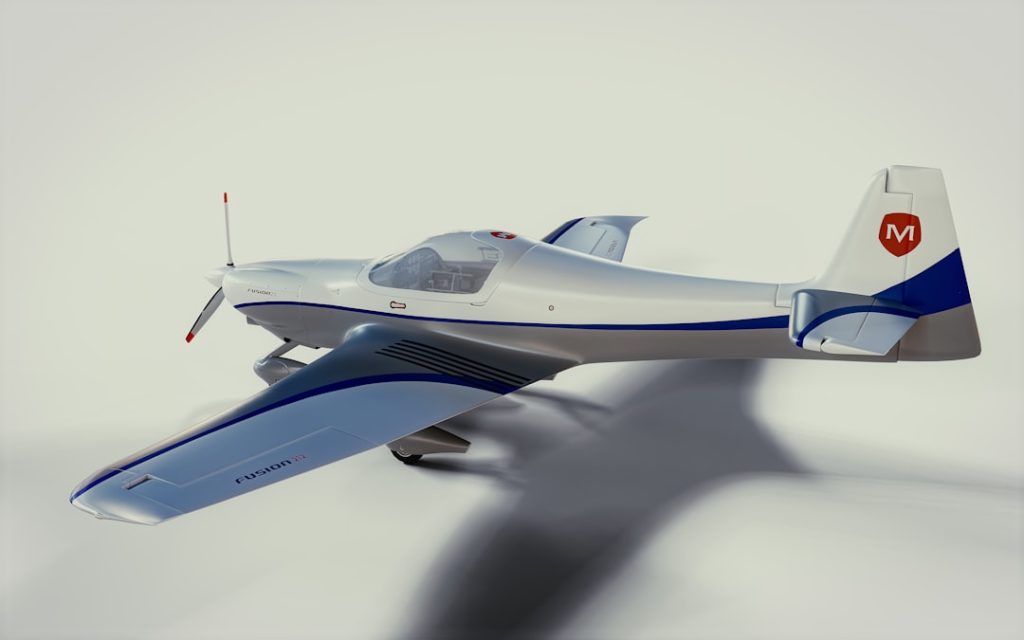
The field of aeronautical engineering, the science of designing, building, and testing aircraft, holds a prominent position within the Indian Institutes of Technology (IITs). These institutions, renowned for their rigorous academic standards, have consistently fostered a strong program in aeronautical engineering, equipping students with the foundational knowledge and practical skills necessary to contribute to the advancement of aviation. For aspiring engineers, understanding the structure and offerings of these programs is crucial to navigating the path towards a career at the forefront of aerospace innovation.
Curriculum and Core Disciplines
The undergraduate curriculum in aeronautical engineering at IITs is designed to provide a comprehensive understanding of the principles governing flight. It is a multi-faceted discipline, demanding a strong grasp of physics, mathematics, and computational tools.
Aerodynamics: The Dance with Air
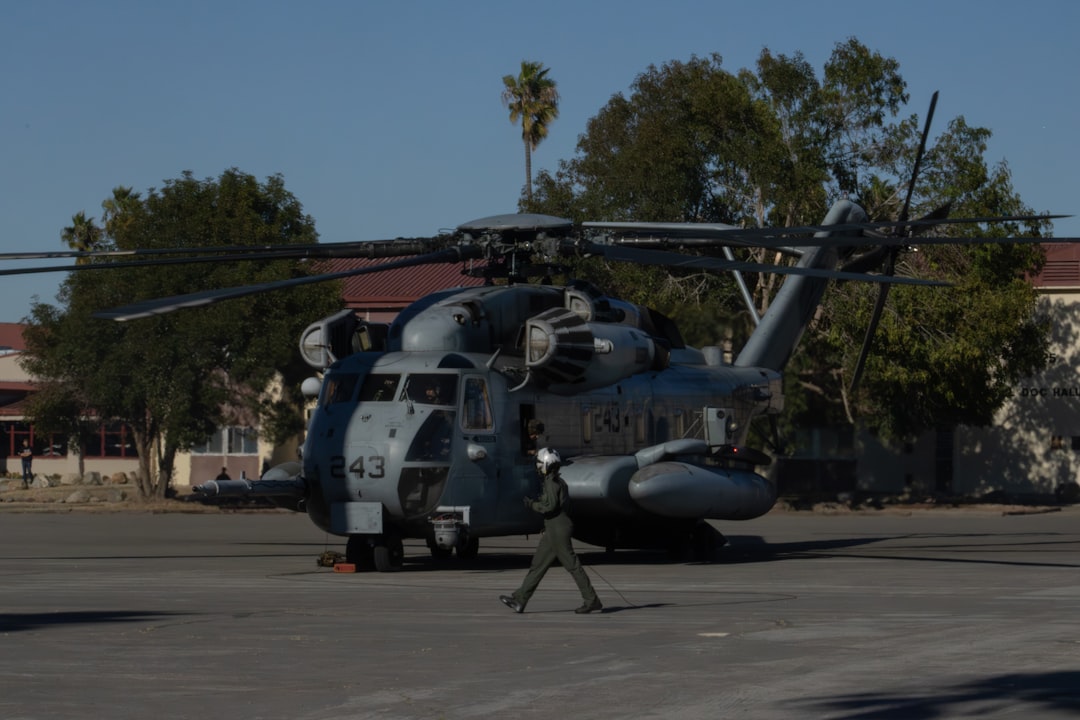
At the heart of aeronautical engineering lies aerodynamics, the study of how air interacts with moving objects. You will delve into the fundamental concepts of fluid dynamics, including Bernoulli’s principle, which explains how changes in speed affect pressure, and Newton’s laws of motion, which govern the forces acting on an aircraft.
Understanding Lift, Drag, Thrust, and Weight
A significant portion of this study involves dissecting the four fundamental forces that dictate flight: lift, drag, thrust, and weight. You will learn how wing design manipulates airflow to generate lift, overcoming gravity. Simultaneously, you will analyze drag, the resistance force that opposes motion, and explore strategies to minimize it. Thrust, the force propelling the aircraft forward, will be examined in the context of engine design and propulsion systems. Finally, weight, the force of gravity acting on the aircraft, will be understood in relation to structural integrity and payload capacity.
Computational Fluid Dynamics (CFD)
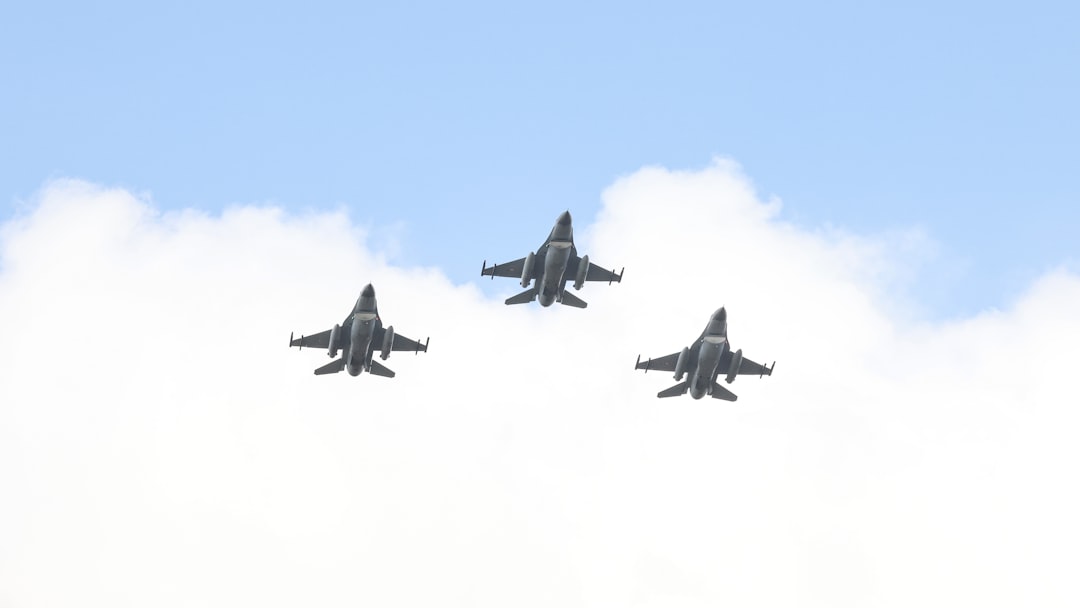
Modern aeronautical engineering relies heavily on computational tools. You will become acquainted with Computational Fluid Dynamics (CFD), a powerful technique that uses numerical methods to simulate fluid flow patterns around aircraft. This allows for virtual testing and optimization of designs before physical prototypes are built, acting as a digital wind tunnel where virtual models dance with predicted air currents.
Structures and Materials: The Skeletal Framework
An aircraft’s ability to withstand the immense forces encountered during flight is a testament to the strength and ingenuity of its structural design and the materials used. This area focuses on ensuring the airworthiness and safety of aircraft by understanding the behavior of materials under stress.
Stress, Strain, and Fatigue Analysis
You will learn about stress, the internal force acting within a material, and strain, the deformation caused by this stress. Understanding these concepts is critical for predicting how an aircraft’s components will behave under various loads. Fatigue analysis, the study of how materials weaken over repeated cycles of stress, is another vital aspect, ensuring that aircraft structures can endure the rigors of countless flights.
Advanced Composites and Lightweight Alloys
The pursuit of lighter, stronger, and more durable aircraft has led to the widespread adoption of advanced materials. You will explore the properties of composite materials, such as carbon fiber reinforced polymers, and their advantages over traditional metals in terms of strength-to-weight ratio. The use of lightweight alloys, like aluminum and titanium, and their specific applications in aircraft construction will also be a central theme.
Propulsion Systems: The Heartbeat of Flight
The engines that power aircraft are intricate marvels of engineering. This discipline delves into the principles of thermodynamics and the design of various propulsion systems.
Jet Engines and Turbomachinery
A significant focus will be placed on jet engines, understanding the Brayton cycle that governs their operation. You will examine components like compressors, turbines, and combustion chambers, learning how they work in concert to generate thrust. Turbomachinery, the study of rotating machinery like compressors and turbines, is a key element here.
Propeller-Driven Aircraft and Ramjets
While jet engines are prevalent in modern aviation, the study also encompasses other forms of propulsion. You will learn about propeller-driven aircraft and the mechanics of propellers, as well as the principles behind ramjet and scramjet engines for high-speed applications.
Flight Mechanics and Control Systems: Guiding the Machine
Ensuring an aircraft flies stably and responds accurately to pilot commands is the domain of flight mechanics and control systems. This area bridges the gap between the physical forces of flight and the precise manipulation required for safe navigation.
Stability and Control Derivatives
You will study the inherent stability of an aircraft – its tendency to return to a steady state after a disturbance. This involves understanding control derivatives, which quantify how an aircraft responds to inputs from its control surfaces (ailerons, elevators, rudder). These derivatives are like the aircraft’s reflexes, guiding its behavior.
Autopilots and Modern Avionic Systems
The evolution of flight control has seen a rapid advancement in automation. You will explore the design and operation of autopilots, systems that can manage certain flight operations without continuous pilot input. The integration of avionic systems, including navigation, communication, and display technologies, will also be a key area of study.
Research and Development at IITs
The academic rigor of the curriculum is complemented by a strong emphasis on research and development within the aeronautical engineering departments at IITs. These institutions serve as crucibles for innovation, pushing the boundaries of aerospace technology.
Cutting-Edge Research Areas
IITs are actively engaged in research across a spectrum of advanced aeronautical topics. This isn’t just about theoretical knowledge; it’s about actively shaping the future.
Hypersonic Flight and Advanced Aerodynamics
The quest for faster travel has led to significant research in hypersonic flight, where speeds exceed Mach 5. Areas of investigation include the unique aerodynamic challenges and thermal management required for vehicles operating at these extreme velocities.
Unmanned Aerial Vehicles (UAVs) and Drones
The proliferation of UAVs and drones has opened new avenues for research. Studies often focus on autonomous navigation, mission planning, payload integration, and the regulatory frameworks surrounding their operation. These flying machines are becoming increasingly sophisticated tools.
Sustainable Aviation and Electric Propulsion
As environmental concerns grow, the focus on sustainable aviation intensifies. Research efforts are directed towards developing more fuel-efficient designs, alternative fuels, and the viability of electric and hybrid-electric propulsion systems for aircraft.
Space Exploration and Satellite Technology
While distinct from pure aeronautical engineering, the overlap with space exploration is significant. IITs often have research groups working on satellite technology, spacecraft design principles, and the challenges of atmospheric re-entry, bridging the gap between air and space.
State-of-the-Art Laboratories and Facilities
To support this research, IITs are equipped with modern laboratories and specialized facilities. These are the workshops where theoretical concepts are tested and new ideas take tangible form.
Wind Tunnels and Aerodynamic Testing
A critical component for aerodynamic research is the wind tunnel. IITs house various wind tunnels, from low-speed to transonic and supersonic, allowing for the experimental validation of aerodynamic theories and designs. This is where you can witness the abstract forces of air made visible.
Structural Testing and Materials Characterization
Dedicated labs are equipped for testing the structural integrity of aircraft components. This includes static and dynamic load testing, material fatigue testing, and non-destructive evaluation techniques to assess the health of structures.
Propulsion System Test Rigs
To study engine performance, specialized test rigs are available. These facilities allow for the controlled testing of various engine components and complete propulsion systems, measuring thrust, efficiency, and emissions.
Advanced Computing and Simulation Centers
High-performance computing clusters and advanced simulation software are essential for CFD and structural analysis. These centers enable complex modeling and virtual prototyping, allowing for extensive virtual experimentation.
Student Projects and Competitions: Hands-on Experience
Beyond the classroom, IIT aeronautical engineering programs strongly emphasize hands-on learning through student projects and participation in national and international competitions. These experiences are invaluable for applying theoretical knowledge in practical scenarios.
Undergraduate Research Projects
As part of their degree requirements, students typically undertake significant research projects. These projects often involve designing, analyzing, and sometimes even building small-scale prototypes related to various aspects of aeronautical engineering.
Design and Fabrication of Model Aircraft
A common project involves the design and fabrication of functional model aircraft. This allows students to integrate their knowledge of aerodynamics, structures, and control systems to create a tangible flying object.
Performance Analysis of Aerodynamic Surfaces
Students might focus on analyzing the performance characteristics of different airfoil shapes or wing configurations through experimental testing in wind tunnels, gathering empirical data to validate theoretical models.
Participation in National and International Competitions
IIT students actively participate in prestigious aeronautical and aerospace competitions, often achieving commendable results. These events provide a platform to benchmark skills against peers from other institutions.
SAE Aero Design Competitions
The Society of Automotive Engineers (SAE) Aero Design competition challenges teams to design, build, and fly a radio-controlled aircraft that can carry a specific payload. Success hinges on a delicate balance of aerodynamic efficiency, structural integrity, and payload capacity.
Rockets and Satellite Design Challenges
Competitions focusing on rocketry and satellite design provide opportunities for students to engage with space-related engineering challenges. These can involve designing and launching small rockets or conceptualizing satellite missions.
Career Prospects and Industry Relevance
The education imparted at IITs in aeronautical engineering is highly regarded by industry, leading to diverse and rewarding career opportunities. Graduates are well-prepared to contribute to various sectors of the aerospace and related industries.
Opportunities in Aerospace Manufacturing and Design
The most direct career path for aeronautical engineers lies within companies that design, manufacture, and maintain aircraft and spacecraft.
Aircraft Manufacturers
Major players in aircraft manufacturing, both domestic and international, actively recruit IIT graduates. This includes companies involved in commercial aviation, defense, and space exploration.
Component Suppliers and Subsystems Manufacturers
Beyond entire aircraft, numerous companies specialize in producing specific components and subsystems, such as engines, avionics, landing gear, and structural elements. These firms also represent a significant employment avenue.
Roles in Research, Development, and Academia
A segment of graduates opts for careers in research and development, pushing the frontiers of aerospace technology, or pursues further academic studies.
Research and Development Engineers
These engineers work in dedicated R&D departments, focusing on developing new technologies, improving existing designs, and conducting fundamental research in areas like advanced materials, propulsion, and flight control.
Academia and Teaching Positions
For those passionate about teaching and fundamental research, pursuing higher degrees and entering academia offers a path to educating the next generation of engineers and contributing to scientific knowledge.
Analogous Industries and Government Organizations
The skills acquired in aeronautical engineering are highly transferable to other engineering disciplines and vital for government organizations.
Automotive and Marine Engineering
The principles of fluid dynamics, structural analysis, and materials science learned in aeronautical engineering are directly applicable to the automotive and marine industries, focusing on efficiency, performance, and structural integrity.
Government Space and Defense Agencies
National space agencies and defense organizations widely recruit aeronautical engineers for their expertise in designing and developing advanced aerospace systems for scientific exploration and national security. These entities are often the custodians of significant aerospace projects.
The Enduring Legacy and Future Trajectory
The aeronautical engineering programs at IITs are not static entities; they are dynamic ecosystems continuously evolving to meet the demands of a rapidly advancing field. The legacy of innovation and rigorous training established by these institutions promises a bright future for the aerospace sector.
Contribution to India’s Aerospace Ambitions
IIT aeronautical engineering graduates have played and will continue to play a crucial role in bolstering India’s indigenous aerospace capabilities. From the development of indigenous aircraft to participation in global space missions, their contributions are foundational.
Indigenous Aircraft Development Programs
The expertise fostered within IITs is directly channeled into national programs aimed at designing and manufacturing advanced aircraft, reducing reliance on foreign technology and fostering self-sufficiency.
Space Mission Contributions
Graduates have been integral to India’s burgeoning space program, contributing to the design and development of launch vehicles, satellites, and space exploration missions, making ambitious journeys into the cosmos a reality.
Adapting to Emerging Technologies
The aeronautical engineering curriculum and research at IITs are perpetually adapting to incorporate emerging technologies and address new challenges in the aerospace domain.
Artificial Intelligence and Machine Learning in Aerospace
The integration of AI and ML is transforming aerospace design, operations, and maintenance. IITs are actively researching applications in areas like predictive maintenance, autonomous navigation, and optimized flight paths. This is akin to giving aircraft a digital brain.
Advanced Materials and Additive Manufacturing
The exploration of novel materials and the adoption of additive manufacturing (3D printing) are revolutionizing aircraft construction. Research focuses on optimizing these technologies for aerospace applications, enabling lighter, stronger, and more complex designs.
The Global Impact of IIT Aeronautical Engineers
The caliber of education received at IITs ensures that their aeronautical engineering graduates are sought after on a global scale, contributing to the international aerospace community and fostering cross-border collaboration.
International Collaboration and Knowledge Exchange
IITs often engage in collaborations with international universities and research institutions, facilitating knowledge exchange and joint research projects, further enriching the learning experience and contributing to global advancements.
Leadership in the Global Aerospace Industry
Many IIT alumni have risen to leadership positions in major aerospace companies and organizations worldwide, demonstrating the impact of their education and their ability to drive innovation on an international stage. Their influence is a testament to the quality of education and the disciplined approach instilled.