
You are about to embark on a journey into the realm of B.Tech Aeronautical Engineering. This field of study is a cornerstone of modern transportation and defense, shaping the very skies above us. It is a discipline that blends physics, mathematics, and engineering principles to design, construct, and operate aircraft and spacecraft.
B.Tech Aeronautical Engineering is not merely about building faster planes; it’s about understanding the intricate dance between lift, drag, thrust, and weight. It’s about grasping the forces that allow a multi-ton machine to defy gravity and traverse vast distances. This foundational knowledge is built upon core scientific disciplines, forming the bedrock of all subsequent learning.
Aerodynamics: The Breath of Flight
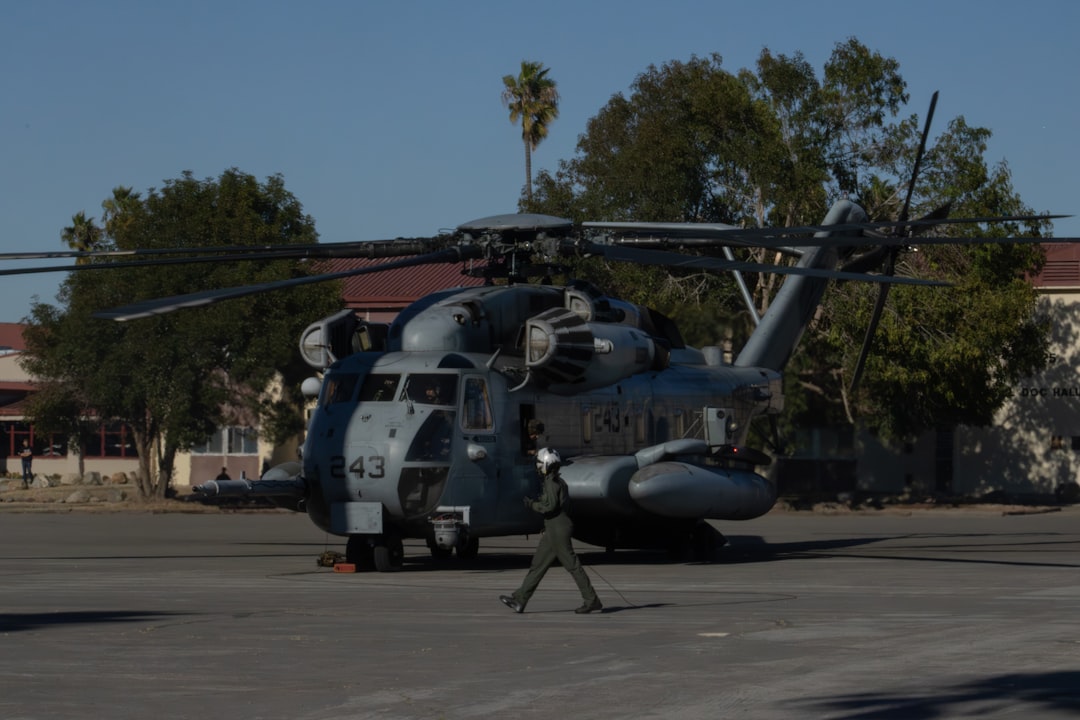
Aerodynamics is the study of how air moves around solid objects, particularly aircraft. You will delve into the principles of fluid dynamics, Bernoulli’s principle, and the generation of lift by airfoils. Understanding how wings create the upward force necessary for flight is paramount. This involves examining the shape of wings, the angle of attack, and how these factors influence airflow.
Airflow and Pressure Gradients
Imagine air as a fluid that responds to pressure differences. When air flows faster over the curved upper surface of a wing than the flatter lower surface, a lower pressure area is created above the wing. This pressure differential, a direct consequence of the airflow’s behavior, results in an upward force – lift. You will learn to calculate these pressure gradients and their impact on an aircraft’s performance.
Boundary Layers and Stall
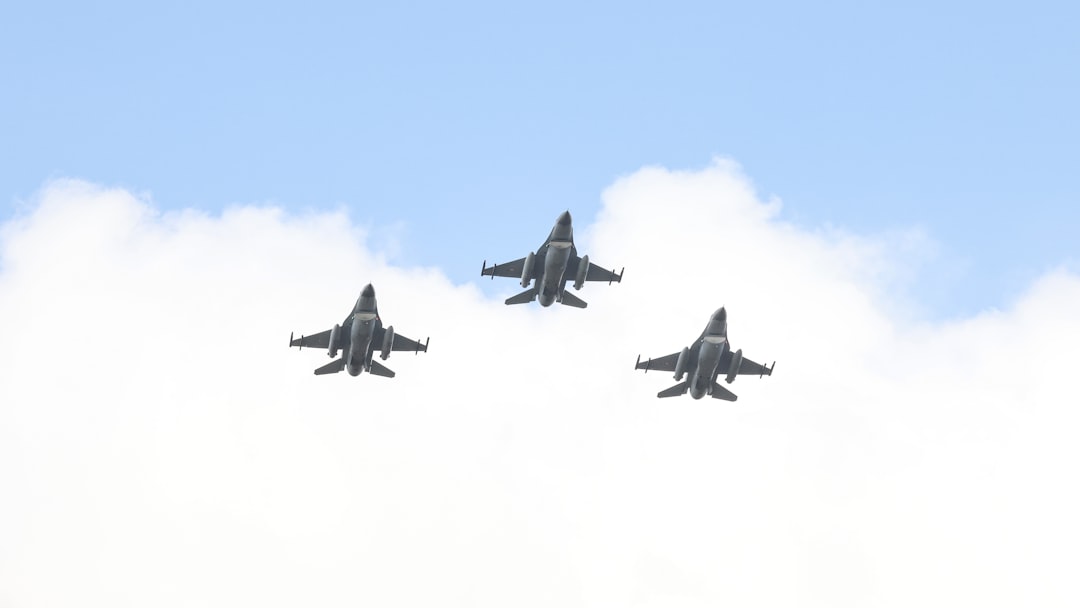
The thin layer of air that directly interacts with the aircraft’s surface is known as the boundary layer. The behavior of this layer is critical, influencing drag and lift. Understanding techniques to control and manipulate the boundary layer to enhance efficiency and prevent separation is a key aspect. Stall occurs when the airflow separates from the wing’s upper surface, leading to a drastic loss of lift. You will study the conditions that cause stall and the methods employed to avoid or recover from it.
Thermodynamics and Propulsion: The Heartbeat of the Machine
Thermodynamics is the science of heat and its relation to energy and work. In aeronautical engineering, this is inextricably linked to propulsion systems, the engines that provide thrust. You will explore the fundamental laws of thermodynamics and how they are applied in the design and operation of jet engines, turboprops, and other propulsion technologies.
Jet Engine Cycles: From Intake to Exhaust
The function of a jet engine is a continuous cycle of aspiration, compression, combustion, and expulsion of hot gases. You will learn about the Brayton cycle, the underlying thermodynamic principle of gas turbine engines. This involves understanding how air is drawn in, compressed to high pressures and temperatures, mixed with fuel and ignited, and then expelled at high velocity to generate thrust.
Rocket Propulsion: Pushing the Limits
While most aircraft rely on atmospheric engines, spacecraft, which operate beyond the atmosphere, utilize rocket propulsion. Rocket engines carry their own oxidant and fuel, generating thrust by expelling reaction mass at high speed. You will learn about Newton’s third law of motion as the driving force behind rocket propulsion and explore different types of rocket engines, such as solid-fuel and liquid-fuel rockets.
Materials Science: The Bones of the Aircraft
The materials used in aircraft construction must be strong, lightweight, and able to withstand extreme conditions. Materials science in aeronautical engineering focuses on understanding the properties of metals, alloys, composites, and polymers, and how they behave under stress, temperature variations, and fatigue.
Metals and Alloys: The Traditional Backbone
Aluminum alloys have historically been the workhorse of aircraft construction due to their excellent strength-to-weight ratio. You will study the properties of various aluminum alloys, titanium alloys, and even steel in specific applications. Understanding concepts like tensile strength, yield strength, and fracture toughness is crucial.
Composites: The Lighter, Stronger Future
Composite materials, such as carbon fiber reinforced polymers (CFRPs), have revolutionized aircraft design. These materials offer superior strength-to-weight ratios compared to traditional metals and allow for more complex aerodynamic shapes. You will learn about the manufacturing processes of these materials, their anisotropic properties (directional strength), and their integration into aircraft structures.
Structural Analysis: The Strength to Endure
Structural analysis ensures that an aircraft can withstand the immense forces it encounters during flight. This involves calculating stresses and strains within structural components and ensuring they do not exceed material limits. It’s about designing a skeleton that can bear the load without breaking.
Finite Element Analysis (FEA): Simulating Stress
FEA is a powerful computational tool that allows engineers to model complex structures and predict how they will behave under various loads. You will learn to discretize a structure into smaller elements and analyze the forces and deformations within each. This is essential for identifying potential weak points and optimizing designs for strength and weight.
Fatigue and Durability: The Marathon Runner
Aircraft are subjected to thousands of flight cycles, each imposing stresses on their structures. Fatigue is the weakening of a material caused by repeated loading and unloading. Understanding fatigue mechanisms and designing for long-term durability, ensuring the aircraft can safely operate for its intended lifespan, is a critical aspect of structural analysis.
The Design and Manufacturing Pipeline
Once the fundamental principles are understood, the focus shifts to the practical application: designing and building aircraft. This is a multi-stage process where theoretical knowledge is translated into tangible flying machines.
Aircraft Design: From Concept to Blueprint
The design phase is where the vision of a new aircraft takes shape. It involves defining the aircraft’s mission, performance requirements, and then translating these into detailed blueprints and specifications. This is where creativity meets rigorous calculation.
Conceptual Design: The Initial Sketch
This is the earliest stage, where engineers explore different configurations and technologies to meet the project’s goals. It involves trade-off studies, aerodynamic analysis, and preliminary performance estimations. Think of it as sketching the broad outlines of the machine.
Preliminary Design: Refining the Vision
In this phase, the selected concept is developed further. Detailed aerodynamic analysis, structural layout, propulsion system integration, and control system design are undertaken. This stage involves more sophisticated simulations and analysis to refine the aircraft’s specifications.
Detailed Design: The Precision Engineering
This is the most intensive phase, where every component of the aircraft is designed in detail. This includes creating precise engineering drawings, selecting materials, specifying manufacturing processes, and ensuring compliance with all relevant regulations and standards. This is where blueprints become the precise instructions for construction.
Manufacturing Processes: Forging the Future
Building an aircraft is a complex industrial undertaking. Manufacturing processes are designed to ensure precision, safety, and efficiency in transforming raw materials into flight-worthy components and assemblies.
Machining and Fabrication: Creating the Parts
This involves using machinery like CNC (Computer Numerical Control) mills and lathes to precisely shape metal and composite parts. Welding, riveting, and other joining techniques are also employed to assemble components into larger structures.
Assembly and Integration: Putting it All Together
This is the stage where all the individual parts and sub-assemblies are brought together to form the complete aircraft. This is a highly orchestrated process, often involving extensive scaffolding, specialized tooling, and rigorous quality control checks at every step. Imagine a giant, intricate puzzle coming to life.
Quality Control and Testing: Ensuring Reliability
Throughout the manufacturing process, rigorous quality control measures are implemented. This includes visual inspections, non-destructive testing (NDT) methods like ultrasonic testing and X-rays, and functional tests of various systems. Finally, the completed aircraft undergoes extensive ground and flight testing to validate its performance and safety.
Specialized Branches of Aeronautical Engineering
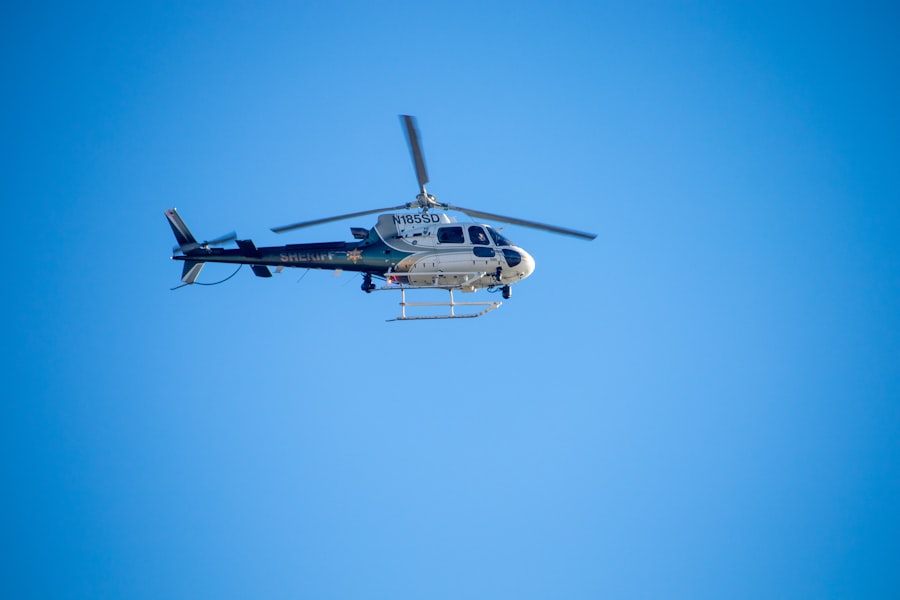
B.Tech Aeronautical Engineering is a broad field, encompassing several specialized areas that cater to diverse aspects of aerospace technology. These are akin to the different muscles in a body, each performing a vital and distinct function.
Aerospace and Spacecraft Engineering: Beyond the Atmosphere
While often used interchangeably, aeronautical engineering technically focuses on aircraft that operate within Earth’s atmosphere. Aerospace engineering extends this to include spacecraft, rockets, and satellites. This branch deals with the unique challenges of operating in the vacuum of space, the extreme temperatures, and the vast distances involved.
Orbital Mechanics: Navigating the Cosmos
Understanding how celestial bodies move and how to navigate in space is fundamental. You will study Kepler’s laws of planetary motion, orbital trajectories, and the principles of propulsion for maneuvering in space. It’s about charting a course through the cosmic ocean.
Spacecraft Design: Adapting to the Void
Designing spacecraft involves considerations like life support systems for crewed missions, radiation shielding, thermal control systems to manage extreme temperature fluctuations, and reliable communication systems for deep space operations.
Avionic Systems: The Brains and Nerves of the Aircraft
Avionics refers to the electronic systems used on aircraft, spacecraft, and satellites. This includes navigation systems, communication equipment, flight control systems, weather radar, and the increasingly complex flight management systems that automate many aspects of flight.
Flight Control Systems: The Pilot’s Assistant
Modern aircraft employ sophisticated fly-by-wire systems, where pilot inputs are translated into electronic signals to control the aircraft. You will learn about autopilots, stability augmentation systems, and the algorithms that maintain an aircraft’s stable flight path.
Navigation and Communication: Staying Connected and On Course
This involves studying GPS (Global Positioning System), inertial navigation systems (INS), air traffic control communication protocols, and the hardware that enables aircraft to communicate with each other and with ground control.
Propulsion Systems Engineering: Powering the Journey
This specialization focuses on the design, development, and testing of aircraft engines. It is a highly specialized field that requires a deep understanding of thermodynamics, fluid mechanics, and combustion.
Turbine Engine Technology: The Workhorse
This area delves into the intricacies of jet engines, turboprops, and turboshafts, covering aspects like compressor and turbine design, combustion chamber optimization, and exhaust nozzle technology.
Alternative Propulsion: Exploring the Future
As the world seeks more sustainable solutions, research into alternative propulsion systems like electric aircraft propulsion and hybrid-electric powertrains is also a growing area within this specialization.
Rotary-Wing Aircraft: The Helicopter’s Domain
This specialization focuses specifically on the design and operation of helicopters. It involves understanding the complex aerodynamics of rotor blades, autorotation, and the unique control systems required for vertical takeoff and landing (VTOL) and hovering.
The Career Landscape and Future Outlook
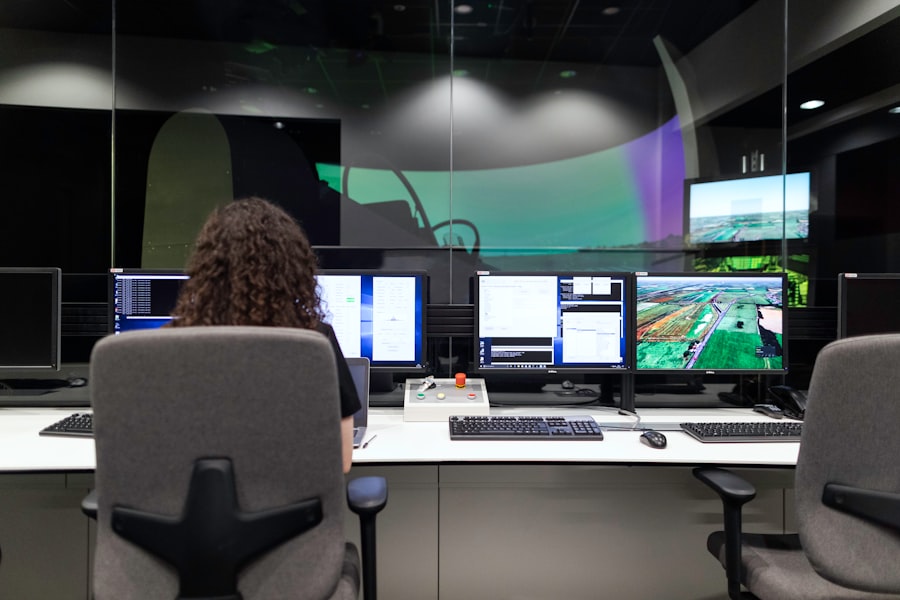
A B.Tech in Aeronautical Engineering opens doors to a diverse and exciting career path. The skills acquired are highly sought after in a global industry that is constantly evolving.
Industry Sectors: Where Graduates Thrive
Graduates can find employment in a wide array of sectors. This includes major aircraft manufacturers, engine makers, defense contractors, airlines (in engineering and maintenance roles), space agencies, and research and development institutions.
Aircraft and Spacecraft Manufacturing: Building the Machines
These are the giants of the industry, responsible for designing and building everything from commercial airliners to military jets and satellites. Roles here span design, manufacturing, testing, and project management.
Airlines and Maintenance: Keeping Them Flying
Airlines require skilled aeronautical engineers for fleet management, maintenance planning, and ensuring aircraft are airworthy. This is a critical role in keeping the global air travel network functioning.
Defense and Aerospace Companies: National Security and Exploration
The defense sector relies heavily on aeronautical engineers for the design of advanced military aircraft, drones, and missile systems. Space agencies and private space exploration companies also offer numerous opportunities.
Research and Development: Pushing the Boundaries
A significant portion of aeronautical engineering involves cutting-edge research and development. This could involve working on next-generation aircraft designs, advanced materials, new propulsion technologies, or exploring the future of space travel.
Future Trends: Hypersonics and Sustainability
The field is continuously innovating. Emerging areas include the development of hypersonic aircraft, which travel at speeds exceeding Mach 5, and a strong focus on sustainable aviation, including electric and hydrogen-powered aircraft, to reduce environmental impact.
Further Education and Specialization: Deepening Expertise
For those who wish to delve deeper into specific areas or pursue academic careers, postgraduate studies are common. Master’s and Ph.D. programs allow for specialized research and advanced theoretical exploration.
Master’s Degrees: Focused Expertise
A master’s degree provides an opportunity to specialize in areas like aerodynamics, aerospace structures, propulsion, or avionics, gaining in-depth knowledge and research experience.
Doctoral Research: Leading Innovation
Pursuing a Ph.D. is typically for those interested in academic research, leading development in new technologies, or contributing to foundational scientific understanding within aeronautical engineering.
Embarking on a B.Tech in Aeronautical Engineering is choosing a path that is both intellectually stimulating and contributes significantly to the advancement of technology and our ability to explore the world and beyond. It is a field that demands precision, innovation, and a relentless passion for understanding the fundamental principles that allow us to conquer the skies.