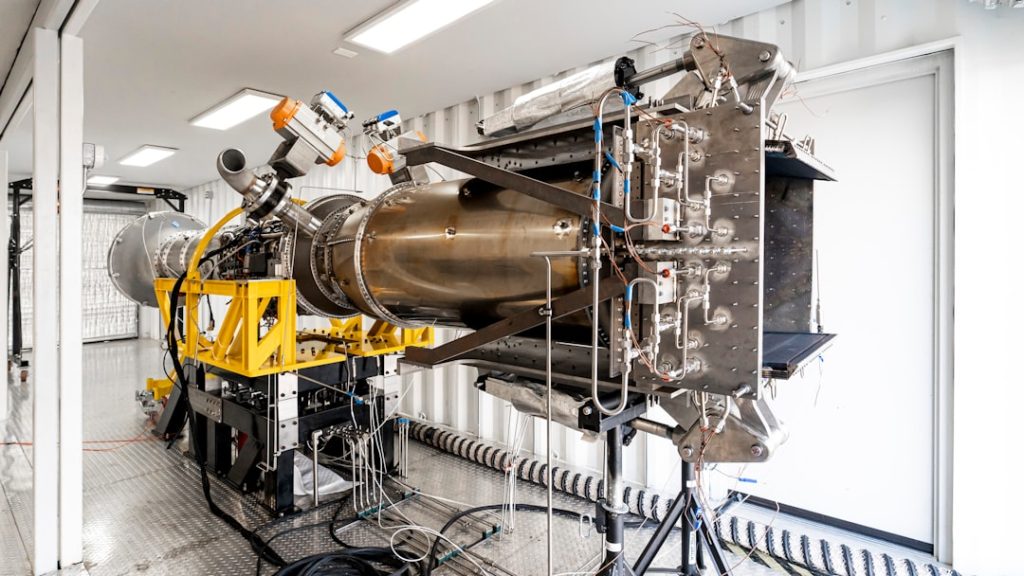
The Indian Institutes of Technology (IITs) have established themselves as leading institutions for higher education and research in India. Their aerospace engineering programs, in particular, have been at the forefront of innovation, contributing significantly to India’s burgeoning space and aviation sectors. This article will examine the cutting-edge advancements and core strengths within the aerospace engineering disciplines at select IITs, detailing their research, educational approaches, and impact.
The IITs’ commitment to aerospace engineering is not a recent phenomenon. It is built upon a robust foundation of rigorous academic training, extensive research infrastructure, and a faculty comprised of accomplished engineers and scientists. These institutions have consistently aimed to equip students with a comprehensive understanding of the principles governing flight and space exploration, from the fundamental physics of aerodynamics to the complex mechanics of spacecraft propulsion and control.
Curriculum Design and Pedagogical Approaches
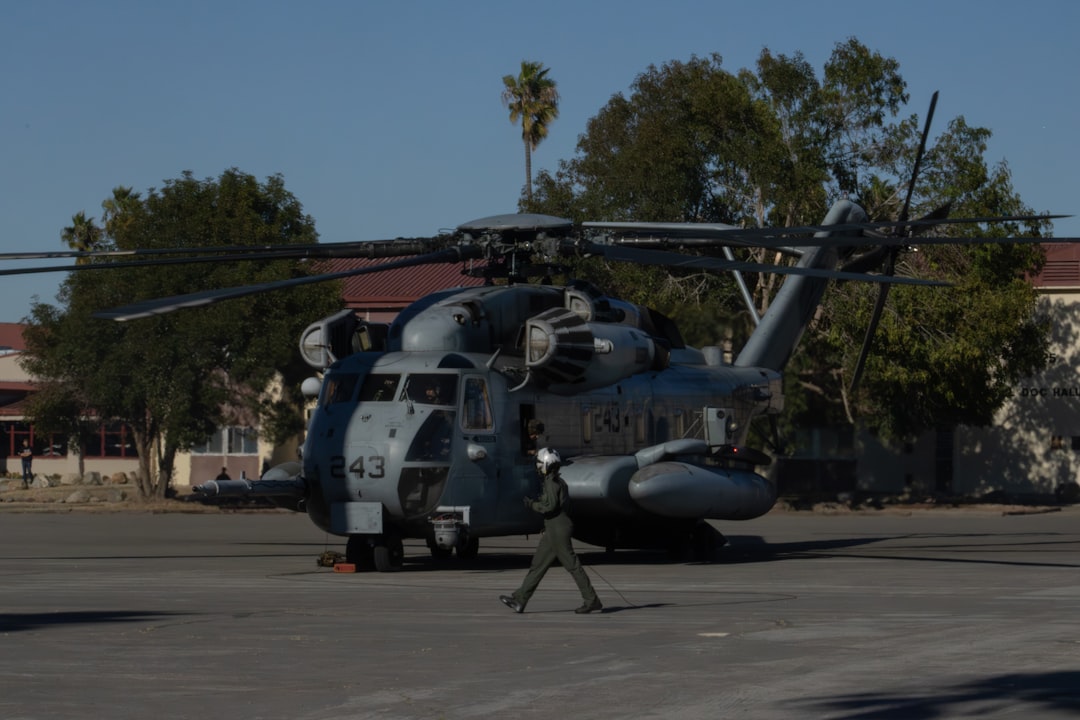
The aerospace engineering curricula at IITs are designed to be both theoretical and practical, providing students with a deep understanding of the underlying scientific principles while also grounding them in real-world engineering applications.
Core Engineering Disciplines
- Aerodynamics and Fluid Mechanics: Students delve into the study of air and fluid flow, understanding how shape, speed, and pressure influence the forces acting on an aircraft or spacecraft. This forms the bedrock for designing efficient and stable flying vehicles. This involves mastering concepts like lift, drag, viscosity, and turbulence, often through sophisticated computational fluid dynamics (CFD) simulations and wind tunnel experiments.
- Structures and Materials: The integrity and reliability of aerospace components are paramount. Courses in this area focus on the design, analysis, and selection of materials that can withstand extreme conditions of stress, temperature, and vibration. This includes studying composites, high-strength alloys, and advanced manufacturing techniques to create lighter yet stronger structures.
- Propulsion Systems: Understanding how to generate thrust is critical for any vehicle that leaves the ground. Students learn about various types of engines, from jet engines and rocket motors to more experimental propulsion concepts. This often involves thermodynamics, combustion chemistry, and the engineering of complex machinery.
- Flight Mechanics and Control Systems: This discipline deals with how aircraft and spacecraft are controlled in flight. Students learn about stability, maneuverability, guidance, and navigation systems. Modern aerospace engineering heavily relies on control theory, autopilot systems, and the integration of sensors and actuators.
Experiential Learning
Beyond lectures and textbooks, IITs emphasize hands-on learning. This can manifest in various forms:
- Laboratory Work: Students engage in practical experiments using wind tunnels, structural testing machines, and engine testbeds. These labs provide tangible experience with theoretical concepts.
- Project-Based Learning: Many courses incorporate capstone projects where students work in teams to design, build, and test small-scale aerospace systems. This fosters problem-solving skills and teamwork.
- Internships and Industrial Collaborations: IITs actively encourage students to pursue internships at aerospace companies and research organizations. These experiences offer invaluable exposure to industry practices and current challenges.
Faculty Expertise and Research Focus
The strength of any academic program lies in its faculty. IITs attract and retain leading researchers who are actively contributing to the global advancement of aerospace engineering. Their expertise spans a wide spectrum of sub-disciplines.
Key Research Areas
- Advanced Aerodynamics: This includes research into hypersonic flows, unsteady aerodynamics, and bio-inspired designs that mimic nature for improved efficiency and maneuverability.
- Structural Health Monitoring and Design: Developing methods to detect and predict structural failures in real-time, as well as designing structures that are more resilient and adaptable.
- Novel Propulsion Concepts: Investigating electric propulsion for spacecraft, advanced rocket engine designs, and alternative fuels for aircraft.
- Spacecraft Design and Mission Planning: Focusing on the design of satellites, probes, and other space vehicles, as well as the strategic planning of celestial missions.
- Robotics and Autonomous Systems: Developing intelligent systems for space exploration, aerial surveillance, and unmanned aerial vehicles (UAVs).
Advancements in Aeronautical Engineering
The aeronautical engineering departments within the IITs are actively pushing the boundaries of aircraft design, efficiency, and safety. Their work addresses both current industry needs and future possibilities in aviation.
Innovative Aircraft Design and Aerodynamics
Research in this area focuses on creating aircraft that are more fuel-efficient, quieter, and capable of operating in novel ways.
Next-Generation Airframe Concepts
- Blended Wing Body (BWB) Designs: Investigating the aerodynamic and structural advantages of aircraft where the fuselage and wings are integrated into a single lifting surface. This concept promises significant improvements in fuel efficiency and passenger capacity.
- Variable Geometry Wings: Research into wings that can change their shape or sweep angle during flight to optimize performance across different speed regimes. This allows for greater flexibility in aircraft operation.
- Bio-Inspired Aerodynamics: Drawing inspiration from the flight of birds and insects to develop more agile and efficient aerial vehicles, particularly for smaller unmanned systems. This involves understanding complex vortex dynamics and wing morphing.
Advanced Aerofoil and Wing Design
- Laminar Flow Control: Developing techniques to maintain smooth, laminar airflow over wings for extended periods, significantly reducing drag and improving fuel economy. This often involves active control mechanisms and specialized surface treatments.
- Morphing Aerofoils: Creating wing sections that can change their curvature or shape in real-time to adapt to varying flight conditions, optimizing lift and minimizing drag.
- Drag Reduction Technologies: Exploring passive and active methods such as riblets, vortex generators, and area ruling to minimize the overall aerodynamic drag experienced by an aircraft.
Sustainable Aviation and Propulsion
With increasing global concern about climate change, IITs are heavily invested in developing sustainable solutions for aviation.
Electric and Hybrid-Electric Propulsion
- Battery Technology for Aircraft: Research into high-energy-density batteries suitable for powering electric aircraft, addressing challenges like weight and charging infrastructure.
- Electric Motor and Power Electronics Design: Developing efficient and lightweight electric motors and advanced power management systems for electric propulsion.
- Hybrid-Electric Architectures: Exploring the integration of electric and conventional propulsion systems to achieve optimized performance and reduced emissions for various aircraft types.
Alternative Fuels and Combustion Research
- Biofuel Development and Combustion: Investigating the use of sustainable biofuels and their combustion characteristics in jet engines to reduce the carbon footprint of aviation.
- Hydrogen as an Aviation Fuel: Researching the safe and efficient storage and utilization of hydrogen as a zero-emission fuel for future aircraft. This includes understanding the combustion properties and material challenges associated with hydrogen.
- Advanced Combustion Chamber Design: Optimizing combustion processes in engines to improve efficiency and reduce the formation of harmful emissions for both conventional and alternative fuel systems.
Frontier Technologies in Space Engineering
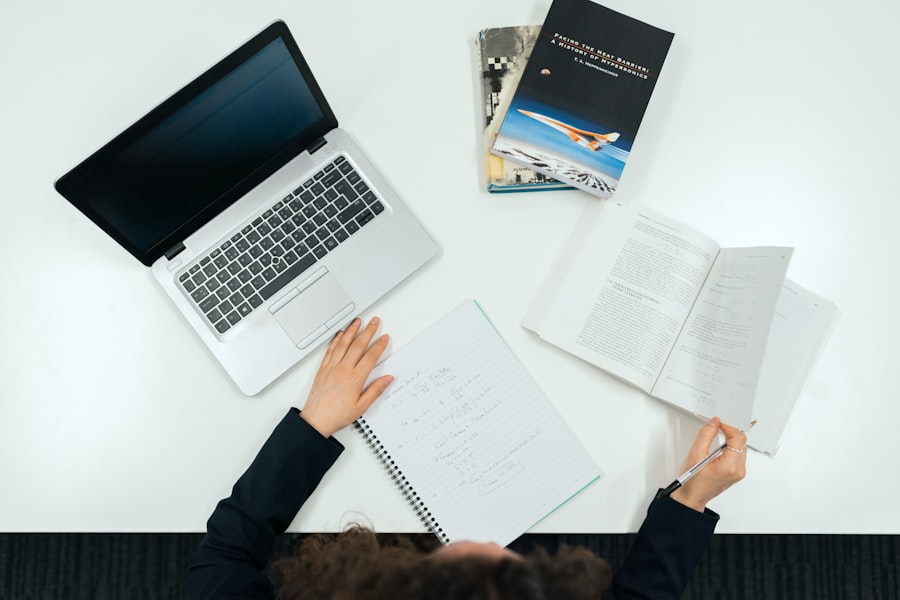
The IITs’ space engineering programs are instrumental in India’s ambitious space exploration goals, contributing to the design, development, and operation of spacecraft and related technologies.
Spacecraft Design and Mission Optimization
This area focuses on creating reliable and efficient spacecraft for various missions, from Earth observation to interplanetary exploration.
Satellite Design and Miniaturization
- CubeSat and Small Satellite Development: Designing and deploying small, modular satellites for scientific research, communication, and Earth observation, offering cost-effective access to space.
- Payload Integration and Testing: Expertise in integrating various scientific instruments and communication systems onto spacecraft platforms, ensuring their functionality in the harsh space environment.
- Reliability and Redundancy in Spacecraft Design: Implementing robust design principles and redundancy to ensure mission success in the face of potential failures. This includes rigorous testing and simulation.
Mission Planning and Trajectory Optimization
- Interplanetary Mission Trajectory Design: Developing sophisticated algorithms for planning efficient and fuel-saving trajectories for missions to other planets and celestial bodies.
- Orbital Mechanics and Maneuver Planning: Calculating and executing precise orbital maneuvers for satellite deployment, station-keeping, and rendezvous operations.
- Space Systems Engineering: Applying systems thinking to design and manage complex space missions, coordinating multiple subsystems and ensuring their interoperability.
Advanced Space Propulsion and Power Systems
The development of efficient and reliable propulsion and power systems is critical for extending the reach and capabilities of space missions.
Innovative Propulsion Technologies
- Electric Propulsion Systems: Research into ion thrusters, Hall thrusters, and other electric propulsion methods for efficient long-duration spacecraft missions, offering high specific impulse.
- Advanced Solid and Liquid Rocket Propellants: Exploring new propellant formulations and engine designs for enhanced performance and safety in rocket launches and in-space propulsion.
- Nuclear Thermal and Electric Propulsion: Investigating the potential of nuclear energy for future high-thrust and long-endurance space propulsion systems, enabling faster transit times.
Space Power Generation and Management
- Advanced Solar Power Systems: Developing high-efficiency solar arrays and power conditioning units for spacecraft, capable of operating in varying solar illumination conditions.
- Radioisotope Thermoelectric Generators (RTGs): Researching and developing RTGs for missions in deep space where solar power is insufficient.
- Energy Storage Solutions for Space: Designing advanced batteries and other energy storage systems to meet the demanding power requirements of spacecraft during eclipses and peak operational periods.
Emerging Fields and Interdisciplinary Research
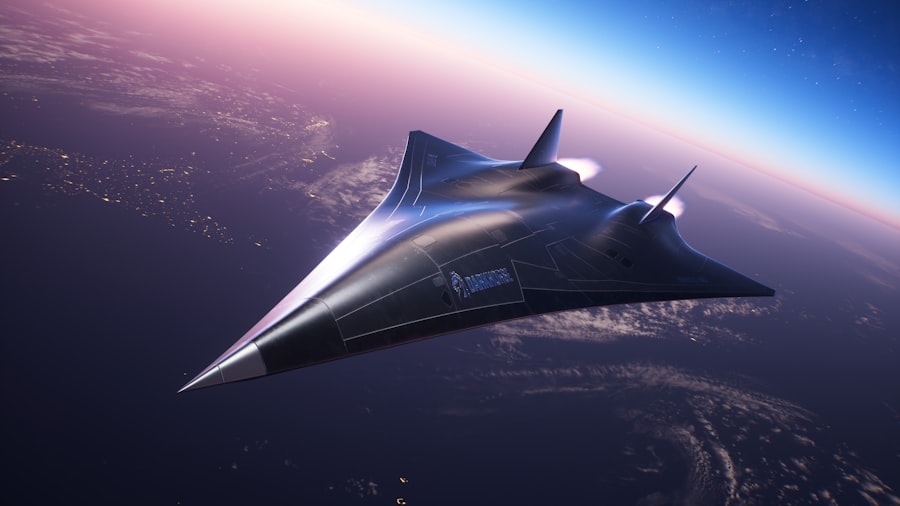
The IITs are not confined to traditional aerospace disciplines. They are increasingly engaging in interdisciplinary research at the intersection of aerospace engineering and other cutting-edge fields.
Aerospace Robotics and Autonomous Systems
The development of intelligent systems is transforming the way we explore and operate in space and the atmosphere.
Autonomous Navigation and Control
- AI-driven Navigation for Drones and Satellites: Developing artificial intelligence algorithms that enable autonomous navigation, obstacle avoidance, and decision-making for aerial and space vehicles.
- Swarm Robotics for Space Exploration: Researching the use of multiple cooperative robots for tasks such as planetary surface exploration, assembly of large structures, and distributed sensing.
- On-board Autonomy for Spacecraft: Enabling spacecraft to perform complex tasks and respond to dynamic situations without constant human intervention, crucial for deep space missions.
Human-Robot Interaction in Aerospace
- Robotic Assistance for Astronauts: Developing robotic systems that can support astronauts during extravehicular activities (EVAs) and in-orbit servicing tasks.
- Teleoperation and Haptic Feedback: Researching advanced teleoperation techniques that allow ground operators to remotely control robotic systems in space with a sense of touch, improving precision and effectiveness.
- AI for Mission Anomaly Detection and Recovery: Using machine learning to identify and diagnose anomalies in spacecraft systems and to develop automated recovery procedures.
Computational Aerospace Sciences
The power of supercomputing and advanced software is revolutionizing aerospace design and analysis.
High-Fidelity Simulations
- Large Eddy Simulation (LES) and Direct Numerical Simulation (DNS): Employing highly detailed computational fluid dynamics techniques to simulate complex turbulent flows directly, providing unprecedented insight into aerodynamic phenomena.
- Finite Element Analysis (FEA) for Complex Structures: Utilizing advanced FEA to model the behavior of intricate aerospace structures under extreme loads and environmental conditions.
- Digital Twins for Aerospace Systems: Creating virtual replicas of aircraft and spacecraft that can be used for real-time monitoring, predictive maintenance, and design optimization.
Machine Learning in Aerospace
- Predictive Maintenance and Fault Diagnosis: Applying machine learning algorithms to analyze sensor data from aircraft and spacecraft to predict potential failures and schedule maintenance proactively.
- Optimization of Aerospace Designs: Using machine learning to accelerate the design process by exploring vast design spaces and identifying optimal configurations for performance and efficiency.
- Data Analytics for Mission Performance: Analyzing large datasets from space missions to extract valuable scientific insights and improve future mission planning.
Impact and Future Outlook
| Metric | Details |
|---|---|
| Institutes Offering Aerospace Engineering | IIT Bombay, IIT Kanpur, IIT Kharagpur, IIT Madras, IIT Delhi |
| Average Intake (Undergraduate) | 30-40 students per IIT per year |
| Postgraduate Programs | M.Tech, Ph.D. in Aerospace Engineering and related fields |
| Research Areas | Propulsion, Aerodynamics, Structures, Avionics, Space Technology |
| Collaborations | ISRO, DRDO, HAL, NASA (research partnerships) |
| Placement Statistics | 80-90% placement rate with companies like ISRO, HAL, Boeing, Airbus |
| Faculty Strength | 15-25 faculty members per IIT aerospace department |
| Laboratory Facilities | Wind tunnels, propulsion labs, avionics labs, simulation centers |
The contributions of IITs to aerospace engineering extend beyond academic research and educational training. They play a vital role in shaping India’s technological sovereignty and its presence on the global aerospace stage.
Contribution to National Space Programs
The IITs have been instrumental in supporting national space agencies like ISRO (Indian Space Research Organisation). Their graduates form a significant portion of the skilled workforce driving India’s advancements in satellite technology, launch vehicle development, and space exploration missions. This synergy between academia and industry has been a cornerstone of India’s successes in space.
Fostering the Aerospace Industry Ecosystem
Beyond government initiatives, IITs are also nurturing private sector growth in the aerospace and defense industries. Through entrepreneurship support, incubators, and collaborations, they encourage the development of new technologies and companies that contribute to a vibrant and self-reliant aerospace ecosystem. This fosters a pipeline of innovation crucial for future growth.
Global Collaboration and Competitiveness
IITs actively engage in international collaborations with leading universities and research institutions worldwide. These partnerships facilitate knowledge exchange, joint research projects, and student mobility, ensuring that Indian aerospace engineering remains at the cutting edge and competitive on a global scale. This outward-looking approach keeps them attuned to international trends and challenges.
Future Trajectories
The future of aerospace engineering at IITs is poised for continued growth and innovation. Key areas of focus are likely to include:
- Hypersonic Flight Technologies: As governments and private entities explore the potential of hypersonic travel for both defense and civilian applications, IITs will undoubtedly be at the forefront of research in this complex domain.
- Space Resource Utilization: With the growing interest in lunar and Martian settlements, research into in-situ resource utilization (ISRU) will become increasingly important, and IITs are well-positioned to contribute to this field.
- Advanced Air Mobility (AAM): The burgeoning sector of AAM, encompassing urban air mobility (UAM) and regional air mobility, will require significant innovation in electric propulsion, autonomous systems, and novel airframe designs, all areas where IITs are already investing heavily.
- Space Debris Mitigation and Remediation: As the orbital environment becomes more crowded, developing technologies and strategies for mitigating space debris and potentially removing existing debris will be a critical area of research for aerospace engineers.
In conclusion, the cutting-edge aerospace engineering programs at the Indian Institutes of Technology are a testament to India’s growing prowess in science and technology. Through their rigorous academic standards, pioneering research, and commitment to practical application, the IITs are not merely educating the next generation of aerospace engineers; they are actively shaping the future of flight and space exploration.