
The Aerospace Academy is an educational initiative established to foster the development of future professionals in the aerospace sector. It aims to provide students with a comprehensive understanding of aerospace principles, technologies, and the industry landscape. The academy seeks to bridge the gap between theoretical knowledge and practical application, equipping participants with the skills necessary to contribute to advancements in aviation and space exploration.
The primary objective of the Aerospace Academy is to cultivate a pipeline of skilled and knowledgeable individuals who can drive innovation within the aerospace industry. This is achieved through a curriculum designed to cover a broad spectrum of aerospace disciplines.
Foundational Scientific Principles
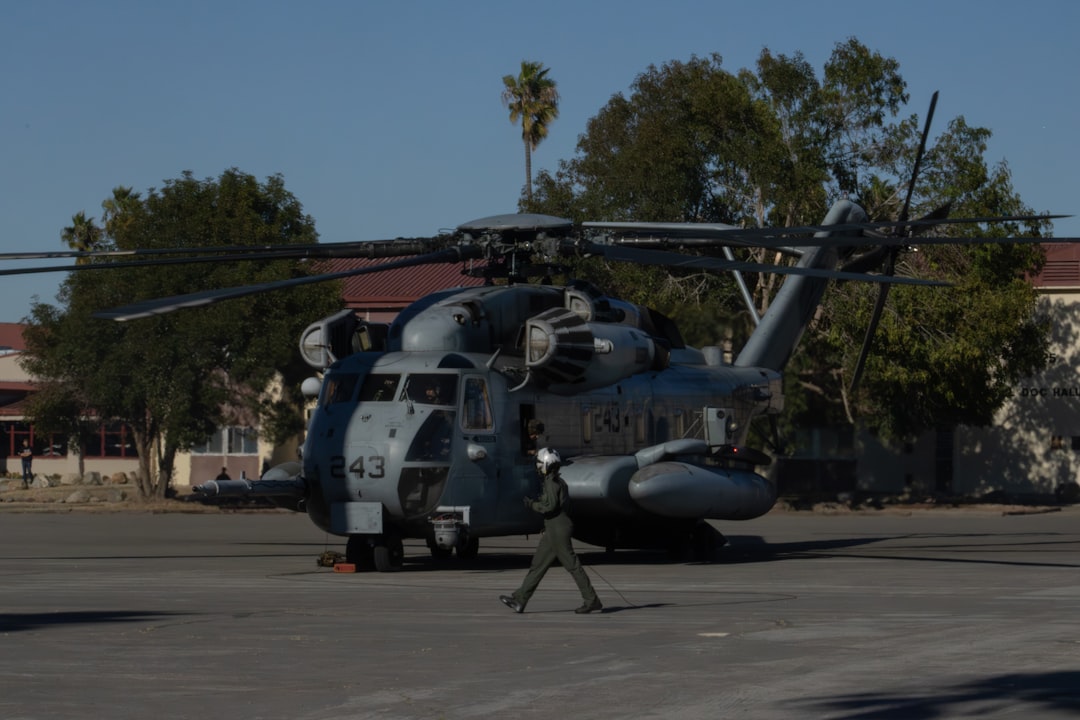
Students begin by building a strong foundation in core scientific disciplines relevant to aerospace. This includes in-depth study of physics, with a particular emphasis on mechanics, thermodynamics, and fluid dynamics – the bedrock upon which all aerospace engineering is built. Mathematics forms another cornerstone, covering calculus, differential equations, and linear algebra, essential tools for modeling and analyzing complex aerospace systems. Chemistry principles also come into play, particularly in relation to materials science, propulsion, and atmospheric composition.
Core Aerospace Engineering Disciplines
The curriculum then delves into specialized aerospace engineering fields. Aerodynamics is a key area, exploring the principles of airflow and its interaction with aircraft and spacecraft. Students learn about lift, drag, and stability, understanding how to design vehicles that can navigate atmospheric and exospheric environments. Propulsion systems are another vital component, covering the science behind jet engines, rocket motors, and other thrust-generating mechanisms. Orbital mechanics and astrodynamics provide the framework for understanding spacecraft trajectories, navigation, and the physics of celestial bodies.
Systems Engineering and Design
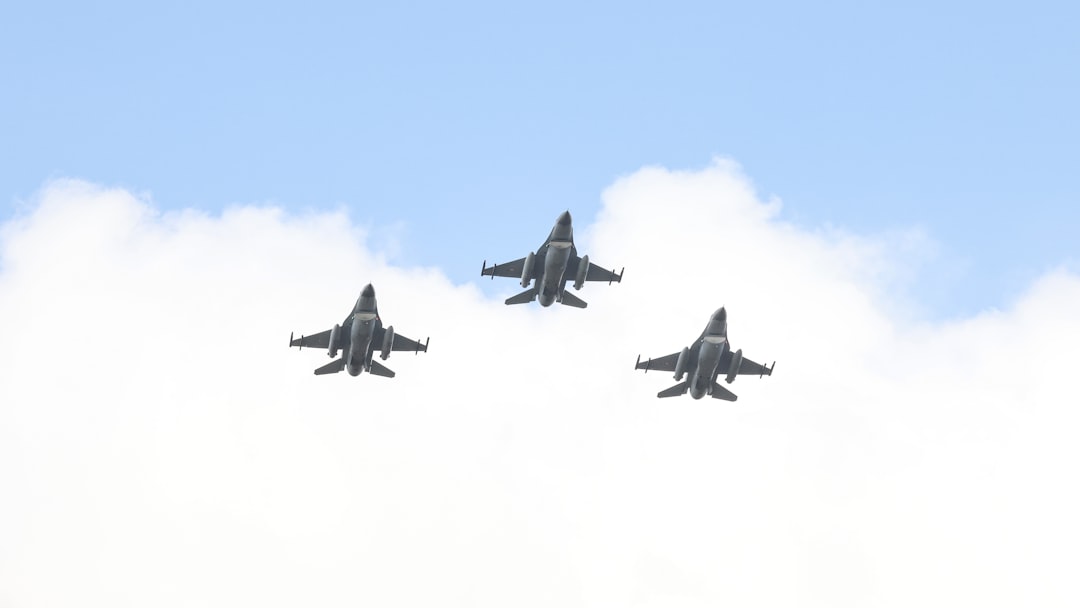
A significant portion of the academy’s program focuses on systems engineering, a critical discipline for managing the complexity of aerospace projects. This involves understanding the interdependencies between various subsystems – from avionics and life support to structural integrity and power generation. Students are trained in design methodologies, project management, and the iterative process of conceptualization, prototyping, and testing. This holistic approach ensures that students can envision and contribute to the creation of complete aerospace platforms, rather than isolated components.
Emerging Technologies and Future Trends
Beyond established principles, the Aerospace Academy dedicates attention to cutting-edge developments and future trajectories within the aerospace sector. This includes modules on advanced materials, such as composites and metamaterials, and their applications in lightweight and high-strength aerospace structures. Students examine the principles and potential of electric and hybrid-electric propulsion for both aircraft and smaller spacecraft. The curriculum also explores the growing fields of artificial intelligence and machine learning as applied to aerospace design, autonomous systems, and mission control. Furthermore, the academy addresses the challenges and opportunities presented by space situational awareness and debris mitigation, recognizing the increasing importance of responsible space utilization.
Hands-on Learning and Practical Experience
To complement theoretical instruction, the academy emphasizes practical application through various pedagogical approaches.
Laboratory Work and Simulations
Participants engage in extensive laboratory work, conducting experiments that demonstrate fundamental aerodynamic principles or the behavior of different propulsion systems. This hands-on experience solidifies theoretical concepts by allowing students to observe and measure phenomena directly. Moreover, the academy utilizes sophisticated simulation software, enabling students to model flight dynamics, design aircraft configurations, and analyze the performance of complex systems in virtual environments. These simulations serve as a powerful tool for experimentation without the constraints of physical resources.
Project-Based Learning
A significant pedagogical strategy employed is project-based learning. Students, often working in teams, are tasked with tackling real-world aerospace challenges. These projects can range from designing a model aircraft for specific performance criteria to developing a conceptual mission plan for a planetary probe. This approach fosters collaboration, problem-solving skills, and the ability to integrate knowledge from various disciplines into a cohesive outcome. It mimics the collaborative nature of professional aerospace development.
Industry Partnerships and Internships
The academy actively cultivates relationships with leading aerospace companies and research institutions. These partnerships provide students with invaluable exposure to the professional world.
Guest Lectures and Seminars
Industry professionals are regularly invited to deliver guest lectures and seminars, sharing their insights into current industry practices, challenges, and career paths. These interactions offer students direct contact with the people shaping the future of aerospace, providing real-world context and inspiration.
Internship Opportunities
Crucially, the academy facilitates internship placements for its students within partner organizations. These internships are designed to be immersive experiences, allowing students to contribute to ongoing projects, work alongside experienced engineers and scientists, and gain practical experience in a professional setting. This exposure is instrumental in bridging the gap between academic learning and the demands of a career in aerospace.
Target Audience and Admissions Process
The Aerospace Academy is designed for individuals who demonstrate a strong aptitude for science, technology, engineering, and mathematics (STEM) and a passion for the aerospace field. The admissions process is structured to identify candidates with the potential to excel in this demanding domain.
Eligibility Criteria
Prospective students typically must have a solid academic record, particularly in mathematics and science subjects, at both the secondary and, if applicable, undergraduate levels. Specific grade point averages and foundational course requirements are usually stipulated. In addition to academic qualifications, evidence of a genuine interest in aerospace is often sought. This can be demonstrated through extracurricular activities, relevant projects, or a well-articulated personal statement.
Application and Selection Procedures
The application process generally involves submitting a comprehensive application form, academic transcripts, and standardized test scores if required. A critical component of the selection process is the personal essay or statement of purpose, where applicants articulate their motivations for pursuing aerospace studies and their career aspirations.
Interviews and Assessments
Shortlisted candidates are typically invited for one or more interviews. These interviews assess not only technical understanding but also critical thinking, problem-solving abilities, and the candidate’s suitability for the academy’s intensive learning environment. Some academies may also incorporate aptitude tests or practical assessments to gauge a candidate’s innate abilities and potential for growth in aerospace-related tasks.
Impact and Future Outlook
The Aerospace Academy is positioned to have a significant impact on the future trajectory of the aerospace industry. By cultivating a new generation of skilled professionals, the academy indirectly influences the pace of innovation and the ability of nations to pursue ambitious space and aviation goals.
Contribution to Workforce Development
The academy directly addresses the growing demand for highly skilled personnel in the aerospace sector. Graduates are prepared to fill critical roles in areas such as aeronautical design, spacecraft engineering, systems integration, and mission operations. This contribution to workforce development is vital for maintaining and expanding a nation’s technological competitiveness in the global aerospace arena.
Fostering Innovation and Research
By exposing students to emerging technologies and encouraging critical thinking, the academy serves as a catalyst for innovation. Graduates, armed with theoretical knowledge and practical experience, are more likely to contribute novel ideas and solutions to existing challenges in aerospace design, propulsion, and operational efficiency. Furthermore, the academy’s emphasis on interdisciplinary approaches can lead to breakthroughs at the intersection of different scientific and engineering fields.
Advancing Scientific Discovery and Exploration
The ultimate impact of a robust aerospace talent pool is the advancement of scientific discovery and human exploration. Graduates of the Aerospace Academy will be instrumental in designing and operating future missions to explore our solar system, understand fundamental aspects of the universe, and develop advanced aviation technologies that connect our world. They are, in essence, the architects of our future reach beyond Earth and the navigators of our skies.
The sustained success of such an academy hinges on its ability to adapt to the rapidly evolving landscape of aerospace technology and global industry needs. Continued investment in state-of-the-art facilities, up-to-date curriculum development, and strong partnerships with both academic institutions and industry leaders will be paramount. Without this forward-looking approach, the academy risks becoming a relic in a field defined by constant change, much like a nautical chart painstakingly drawn for a world that has since discovered new continents and adjusted its bearings. The academy must constantly refine its compass to point towards the developing frontiers of aerospace.
Long-Term Vision and Sustainability
The long-term vision for an Aerospace Academy extends beyond individual cohorts of students. It encompasses the establishment of a self-sustaining ecosystem that continually nurtures talent and drives progress. This involves building a strong alumni network, which can serve as a valuable resource for current students through mentorship, networking opportunities, and potential future collaborations. Furthermore, the academy must remain agile, prepared to adapt its programs in response to emerging scientific breakthroughs, evolving market demands, and geopolitical shifts that may influence space exploration or aviation development. The ability to pivot and embrace new areas of study, such as astrobiology or advanced space robotics enabled by quantum computing, will be crucial for its continued relevance.
A key aspect of sustainability lies in securing ongoing funding and support from governmental bodies, private industry, and philanthropic organizations. The substantial investment required for advanced research facilities, specialized equipment, and the recruitment of leading educators necessitates a consistent and reliable financial foundation. This financial stability allows the academy to plan for the future, invest in groundbreaking research, and ensure that its programs remain at the forefront of aerospace education. The academy’s success is mirrored in the sustained trajectory of a well-launched satellite, not just achieving its initial orbit but maintaining it as it travels further.
Addressing Global Challenges
The Aerospace Academy’s mission also intersects with the critical need to address global challenges. Innovations in aviation, for instance, can contribute to more sustainable transportation systems, reducing carbon emissions and improving air quality. In the realm of space, advancements driven by academy graduates can lead to improved Earth observation capabilities for climate monitoring, disaster management, and resource allocation. Space-based communication networks can bridge digital divides, and space technologies are increasingly vital for understanding and mitigating the effects of climate change. The academy, therefore, plays a role in equipping the next generation of thinkers and doers to apply aerospace solutions to humanity’s most pressing problems. They are being trained not just to reach for the stars, but to bring back insights that can help mend our home.
The development of affordable access to space, a direct consequence of advancements in rocketry and spacecraft design, can also open new avenues for scientific research and commercial enterprises. This democratization of space has the potential to accelerate innovation across various sectors, from telecommunications to in-space manufacturing. The academy’s curriculum often reflects these evolving trends, ensuring that graduates are prepared to participate in and shape these emerging industries. The program’s success can be seen as laying the groundwork for future orbital infrastructure, much like laying bricks for a city that will one day extend upwards.
Ethical Considerations and Responsible Innovation
Finally, the Aerospace Academy emphasizes the importance of ethical considerations and responsible innovation. Students are educated on the profound implications of aerospace technologies, including issues of accessibility, environmental impact, and the responsible use of space resources. The goal is to cultivate not only technically proficient individuals but also conscientious global citizens who understand the societal responsibilities that come with pushing the boundaries of human endeavor. This ethical framework ensures that the pursuit of progress is balanced with a deep respect for the planet and humanity’s collective future. The academy, in this regard, acts as a moral compass, guiding aspiring innovators toward a future where technological advancement is synonymous with progress for all.