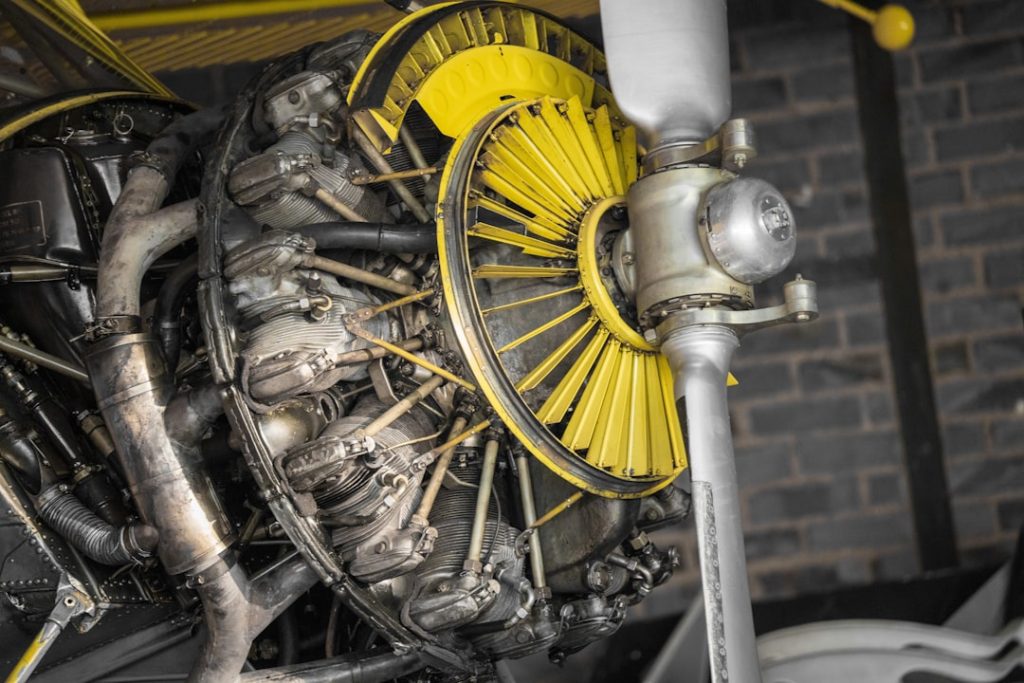
Aircraft maintenance is the bedrock upon which safe and efficient air travel is built. This discipline, often operating behind the scenes, is not merely about fixing things when they break; it is a proactive and systematic approach to ensuring that every aircraft functions at its peak potential. Maximizing aircraft performance through essential aerospace maintenance is a complex endeavor that touches upon every facet of an aircraft’s existence, from its structural integrity to the optimal functioning of its intricate systems. It is the diligent stewardship that allows these marvels of engineering to conquer the skies, day in and day out.
Aerospace maintenance is not a monolithic practice but comprises several interconnected disciplines. Understanding these foundational pillars is crucial for appreciating how each contributes to the overall goal of maximizing aircraft performance. These pillars act as the structural beams holding up the entire edifice of aviation safety and efficiency.
Structural Integrity and Airframe Health
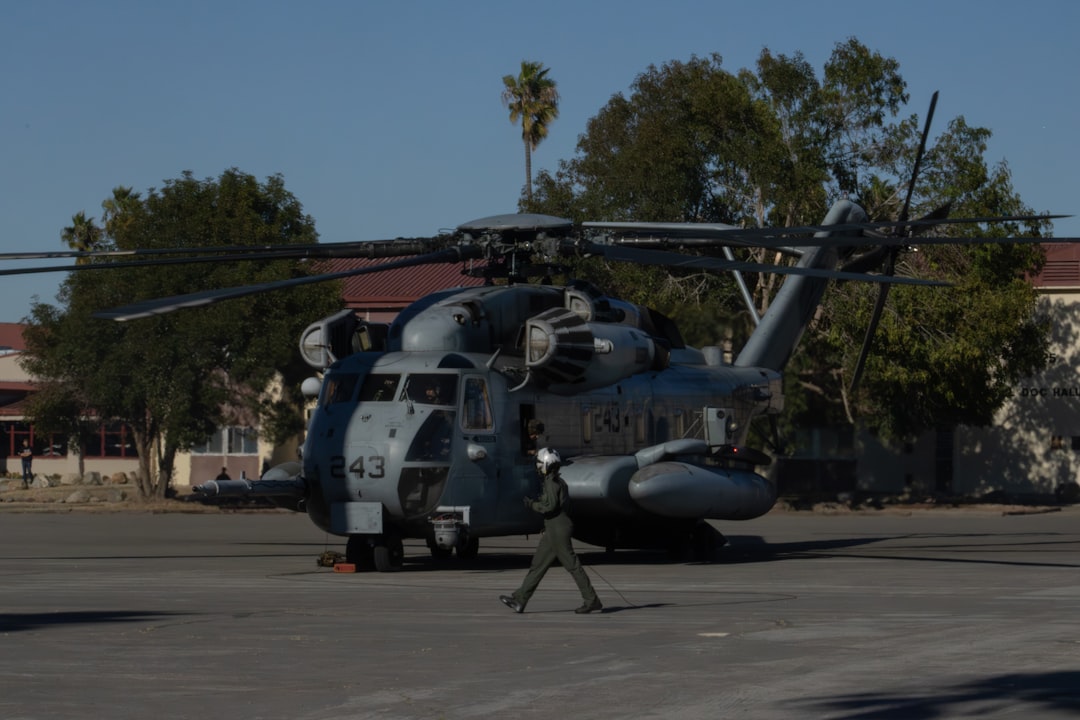
The airframe is the skeleton of the aircraft, and its health is paramount. Regular inspections, non-destructive testing (NDT) methods, and timely repairs are vital to prevent fatigue, corrosion, and other forms of degradation that can compromise structural integrity.
Routine Inspections: The Eyes of Maintenance
From daily pre-flight checks to more in-depth scheduled inspections (e.g., A, B, C, and D checks), routine inspections are the first line of defense. These involve visual appraisals of the airframe, wings, tail, landing gear, and other critical components for any signs of damage, wear, or abnormality. Technicians meticulously examine skin panels for dents, cracks, and corrosion, paying close attention to stress areas like wing roots and fuselage joints.
Non-Destructive Testing (NDT): Seeing Beneath the Surface
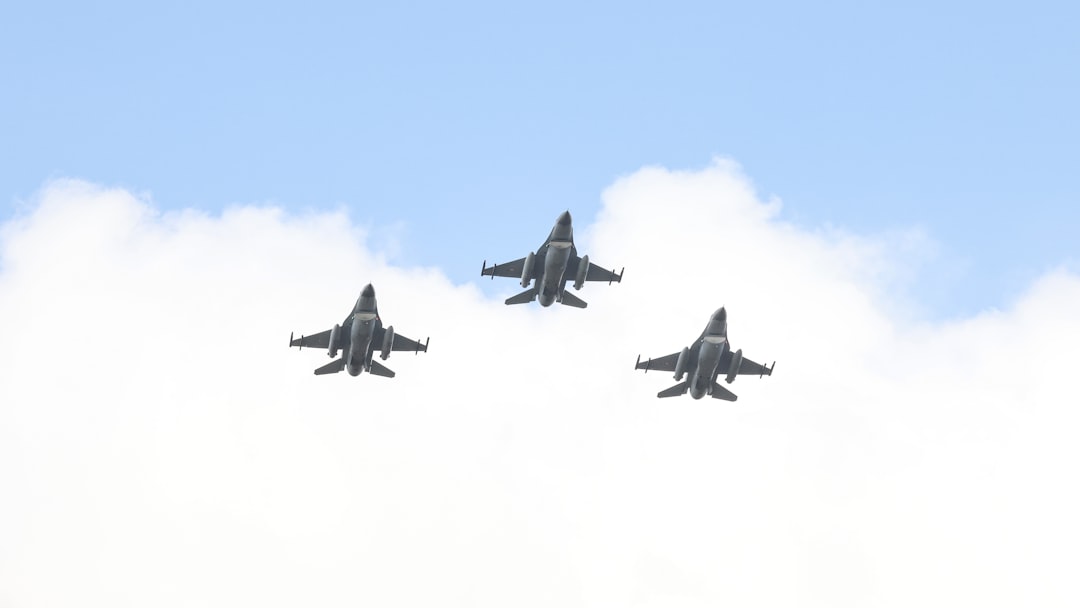
When visual inspections are insufficient, NDT methods come into play. Techniques such as ultrasonic testing can detect internal flaws like cracks or delamination within composite materials. Eddy current testing is effective for identifying surface and near-surface cracks in conductive materials like aluminum. X-ray and computed tomography (CT) scanning provide insights into internal structures without causing any damage. These methods are akin to a medical radiologist’s ability to diagnose internal ailments without surgery.
Corrosion Prevention and Control: The Silent Adversary
Corrosion is a persistent threat, especially in environments exposed to moisture and salt. Regular cleaning, application of protective coatings, and diligent corrosion detection and treatment are essential. Advanced materials and sealants are employed to create barriers against moisture ingress. Ignoring corrosion is like allowing a slow leak in a ship’s hull; it might seem insignificant initially, but it can lead to catastrophic failure.
Fatigue Management: The Price of Flight
Every flight subjects an aircraft’s structure to stresses and strains. Over time, these cycles of load and unload can lead to fatigue cracks. Maintenance programs are designed to monitor and manage fatigue by identifying potential crack initiation sites and implementing repair strategies before they propagate to critical lengths. This often involves reinforcing affected areas or replacing components that have reached their limit of useful life.
Propulsion System Optimization: The Heartbeat of the Aircraft
The engines are the powerhouses of an aircraft. Their efficient and reliable operation directly impacts fuel consumption, speed, range, and overall performance. Maintaining the propulsion system involves a rigorous schedule of inspections, component replacements, and performance monitoring.
Engine Inspections and Overhauls: A Timetable of Care
Engine maintenance follows a strict schedule dictated by flight hours and cycles. These range from boroscope inspections, which allow visual examination of internal engine components without disassembly, to complete engine overhauls. Overhauls involve disassembling the engine, inspecting each part for wear or damage, replacing it if necessary, and reassembling it to manufacturer specifications. This process is analogous to a highly skilled mechanic meticulously rebuilding a precision watch.
Fuel System Maintenance: The Lifeblood Flow
The fuel system is responsible for delivering fuel to the engines reliably and efficiently. Maintenance includes inspecting fuel tanks for leaks and corrosion, servicing fuel pumps and filters, and ensuring the precise calibration of fuel quantity indicators. Contamination in the fuel system can lead to engine sputtering or failure, making its integrity non-negotiable.
Exhaust and Nacelle Integrity: Managing the Flame
The exhaust and nacelle components play a crucial role in engine efficiency and noise reduction. Inspections focus on identifying cracks, erosion, and thermal degradation. Repair or replacement of damaged components ensures optimal airflow and minimizes performance losses.
Avionics and Electrical Systems: The Nervous System
Modern aircraft are equipped with sophisticated avionics and electrical systems that govern navigation, communication, flight control, and numerous other functions. Their reliability is essential for safe operations and efficient flight management.
Avionics System Checks: The Digital Watchdogs
Avionics systems, including flight computers, navigation displays, and communication radios, undergo regular testing and calibration to ensure accuracy and functionality. Software updates and hardware diagnostics are performed to maintain peak performance. These systems are the aircraft’s intelligent assistants, guiding its journey.
Electrical System Maintenance: The Current of Life
The aircraft’s electrical system powers all of its components. Maintenance involves inspecting wiring for damage and corrosion, checking electrical connections, and servicing batteries and generators. Ensuring a stable and reliable power supply is fundamental.
Autopilot and Flight Control Systems: The Precision Pilots
The autopilot and flight control systems are critical for precise flight path management and pilot workload reduction. Their maintenance includes rigorous testing of actuators, control surfaces, and the software that governs their operation. Any deviation in these systems can have significant implications for flight control.
Landing Gear and Braking Systems: The Grounded Stability
The landing gear and braking systems are vital for safe takeoffs and landings, as well as for ground maneuvering. Their robust performance is a testament to their complex engineering and requires diligent maintenance.
Landing Gear Inspections: Readiness for Touchdown
The landing gear mechanism, including struts, wheels, tires, and retraction systems, is inspected for wear, leaks, and damage. Hydraulic fluid levels and the condition of seals are checked to ensure smooth operation and prevent hydraulic failures.
Braking System Maintenance: The Controlled Descent
The braking system, whether hydraulic, carbon ceramic, or electric, is critical for bringing the aircraft to a safe stop. Maintenance involves inspecting brake pads, rotors, and hydraulic lines for wear and damage. Anti-skid systems and emergency brake backups are also tested to ensure their reliability.
Tire Management: The Contact Points
Aircraft tires are subjected to immense pressure and friction. Regular inspection for wear, damage, and proper inflation is essential. Tire rotation and replacement schedules are strictly adhered to to prevent blowouts and ensure adequate braking performance.
Fuel Efficiency and Performance Enhancement: The Economic Edge
Beyond basic airworthiness, aerospace maintenance plays a significant role in maximizing an aircraft’s fuel efficiency and overall performance. This aspect often involves fine-tuning systems and implementing advanced technologies.
Aerodynamic Cleanliness: Reducing Drag
Maintaining an aerodynamically clean aircraft is crucial for fuel efficiency. This involves regular washing to remove dirt and grime, meticulous repair of even minor surface imperfections like rivet heads or sealant imperfections, and ensuring all access panels and fairings are correctly fitted. The concept is akin to ensuring a race car’s body is smooth and free of unnecessary protrusions to cut through the air with minimal resistance.
Engine Performance Monitoring: The Constant Calibration
Modern engines are equipped with sophisticated sensors that continuously monitor performance parameters. This data allows maintenance personnel to identify subtle deviations that might indicate a minor issue before it impacts fuel consumption or overall power output. Proactive adjustments can prevent gradual degradation of engine efficiency.
Software Updates and System Optimization: The Digital Refinement
Aircraft manufacturers regularly release software updates for various systems, including flight management, engine control, and avionics. Implementing these updates can lead to improved operational efficiency, enhanced fuel burn, and optimized performance across the flight envelope. It’s like upgrading the operating system on a computer to unlock new capabilities and streamline existing ones.
Weight and Balance Management: The Balancing Act
Maintaining the correct weight and balance of an aircraft is fundamental to its performance and safety. Accurate weight and balance calculations, along with meticulous logging of equipment and passenger loads, ensure the aircraft operates within its designed parameters. Even small deviations can impact fuel efficiency and handling characteristics.
In conclusion, maximizing aircraft performance through essential aerospace maintenance is a multifaceted and ongoing commitment. It is a discipline that requires deep technical expertise, a rigorous adherence to protocols, and a constant vigilance. Each inspection, each repair, and each optimization contributes to the safe, efficient, and economical operation of these complex machines, allowing them to fulfill their vital role in connecting the world.