
The title of this section is “Meet NASA’s Aerospace Engineer: Exploring the Final Frontier”
Aerospace engineering at NASA is a field dedicated to the design, development, and testing of aircraft, spacecraft, satellites, and related systems. These engineers are the architects of our journeys beyond Earth, translating scientific concepts into tangible vehicles that push the boundaries of human exploration. Their work is a bridge between abstract physics and the concrete reality of traversing the cosmos. This article will delve into the multifaceted role of a NASA aerospace engineer, outlining their typical responsibilities, the diverse areas they contribute to, and the essential skills and educational pathways that lead to this career.
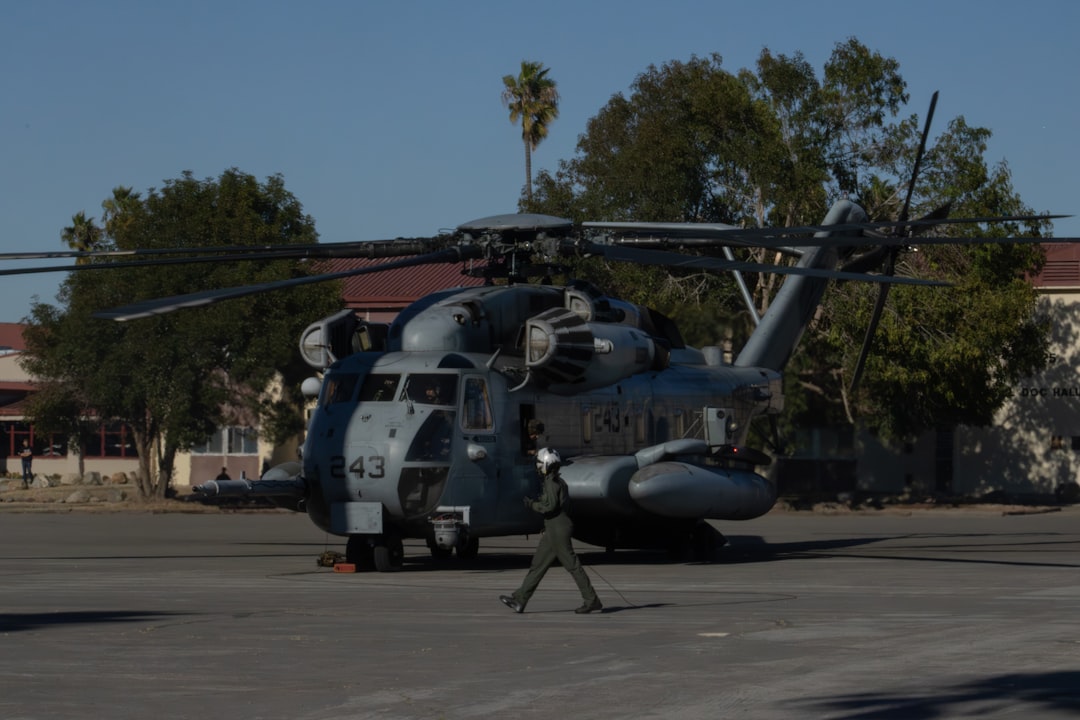
A NASA aerospace engineer’s primary objective is to ensure the successful design, construction, and operation of vehicles intended for atmospheric or extraterrestrial flight. This encompasses a broad spectrum of responsibilities, from conceptualizing new missions to troubleshooting complex technical challenges during flight. Think of them as the master craftspeople of the heavens, meticulously planning and executing every detail to ensure their creations reach their destination safely and effectively.
Design and Development
The initial stages of any aerospace project involve intensive design and development work. Engineers utilize sophisticated computer-aided design (CAD) and computer-aided engineering (CAE) software to model and simulate their creations. This phase requires a deep understanding of aerodynamics, propulsion, materials science, and structural mechanics. Every curve of a wing, every nozzle of an engine, and every structural beam is a result of careful calculation and iterative refinement.
Conceptualization and Mission Planning
Before a single blueprint is drawn, aerospace engineers contribute to the conceptualization of new missions. This involves understanding the scientific objectives, calculating the feasibility of reaching a destination, and proposing potential vehicle architectures. They are the ones who ask, “What can we achieve, and how can we build the vehicle to get us there?” This foundational stage lays the groundwork for everything that follows.
Aerodynamic Design
For vehicles operating within an atmosphere, aerodynamic design is paramount. Engineers study airflow patterns, pressure distributions, and the forces acting on a vehicle to optimize its shape for efficiency, stability, and maneuverability. This is akin to a sculptor understanding how wind shapes a mountain; aerospace engineers sculpt aircraft and spacecraft to interact optimally with the air or vacuum.
Structural Design
The structural integrity of a spacecraft or aircraft is critical. Engineers design the internal framework and external shell to withstand immense forces encountered during launch, atmospheric flight, and the rigors of space. They must ensure that the vehicle can bear its own weight, the forces of acceleration, and the harsh conditions of its operational environment without failure. This involves a deep understanding of material properties and stress analysis.
Propulsion System Integration
The engine, the heart of any vehicle, is a major focus. Aerospace engineers work on selecting, designing, and integrating propulsion systems, whether they are chemical rockets, ion thrusters, or future advanced concepts. They ensure the engine performs as intended, provides the necessary thrust, and is efficiently coupled with the rest of the vehicle.
Systems Engineering
Aerospace engineering is inherently a systems-level discipline. Engineers must consider how all the various subsystems – propulsion, guidance, navigation, control, life support, communications, power – interact and function together as a coherent whole. They act as orchestrators, ensuring that each component plays its part harmoniously.
Testing and Verification
Once designs are finalized, extensive testing is conducted to validate their performance and reliability. This involves a range of simulations, wind tunnel tests, ground tests, and eventually, flight tests. This phase is a crucial crucible, where theoretical calculations are put to the ultimate test against the realities of physics.
Wind Tunnel Testing
For atmospheric vehicles, wind tunnels are indispensable tools. Engineers subject scaled models to controlled airflow to study aerodynamic forces, stability, and control characteristics. This allows them to identify and correct design flaws before committing to full-scale construction.
Structural Load Testing
Components and entire structures are subjected to simulated stress and strain to verify their ability to withstand operational loads. This ensures that the vehicle will not buckle or break under the immense forces it will experience.
Ground and Flight Tests
Rigorous ground tests simulate various operational scenarios, from engine ignition to control system responses. For aircraft, flight tests provide the ultimate validation of design and performance in real-world conditions. For spacecraft, these tests can range from vibration and acoustic testing to simulated launch sequences.
Mission Operations and Anomaly Resolution
Once a mission is underway, aerospace engineers are involved in monitoring its progress and responding to any unexpected events or anomalies. This requires real-time problem-solving, quick thinking, and a deep understanding of the vehicle’s systems. They are the virtual mechanics and navigators of missions billions of miles away.
Real-time Monitoring
During a mission, telemetry data from the spacecraft is continuously monitored. Engineers analyze this data to ensure all systems are functioning within expected parameters. They are the eyes and ears of the mission control center, constantly scanning for any sign of trouble.
Anomaly Investigation
When an anomaly occurs – a deviation from expected behavior – engineers work to diagnose the cause and develop solutions. This can involve analyzing sensor data, running simulations, and even commanding the spacecraft to perform specific actions to gather more information. This is where their deep understanding of the vehicle’s intricate workings is put to the test under immense pressure.
Troubleshooting and Repair Strategies
In some cases, engineers may devise remote troubleshooting or repair strategies, commanding the spacecraft to reconfigure systems or reroute power to mitigate the issue. This often requires immense ingenuity and a thorough understanding of the spacecraft’s architecture.
Diverse Areas of Aerospace Engineering at NASA
NASA’s aerospace engineers contribute to a vast array of projects, each with its unique challenges and objectives. These projects span from understanding Earth’s climate to venturing to the furthest reaches of our solar system and beyond.
Human Spaceflight
This is perhaps the most visible and iconic area of NASA’s work, focusing on sending humans into space and returning them safely to Earth. Aerospace engineers here are responsible for the design of spacecraft like the Orion capsule, the International Space Station (ISS), and future vehicles for lunar and Martian missions.
Spacecraft Design for Life Support
Designing habitats that sustain human life in the vacuum of space is a monumental task. Engineers ensure reliable systems for oxygen, water recycling, waste management, and temperature control are incorporated into spacecraft. This is about creating a tiny, self-sustaining world for astronauts to thrive in.
Entry, Descent, and Landing Systems
Safely bringing astronauts and payloads back to Earth or landing them on other celestial bodies requires complex and meticulously engineered systems. Parachutes, retrorockets, and airbags are all part of this critical phase, ensuring a gentle touchdown.
Crewed Mission Safety and Reliability
The paramount concern in human spaceflight is the safety of the crew. Aerospace engineers pour over every detail to ensure redundancy in critical systems and to design vehicles that can withstand unforeseen emergencies. This commitment to safety is the bedrock of human space exploration.
Robotic Space Exploration
NASA’s robotic missions have unveiled the secrets of planets, moons, asteroids, and comets. Aerospace engineers design and build probes, orbiters, landers, and rovers that explore these distant worlds autonomously or under remote command.
Deep Space Probe Design
For missions venturing far from Earth, like those to the outer planets, engineers must design spacecraft that can withstand extreme temperatures, radiation, and the vast distances involved. Communication systems must be robust, and power sources reliable for decades.
Rover and Lander Mechanics
For missions requiring surface exploration, such as the Mars rovers, engineers design the robotic vehicles themselves, including their mobility systems, manipulators, and scientific instrument deployment mechanisms. They are building the automated explorers that will traverse alien landscapes.
Astrodynamics and Trajectory Optimization
Calculating precise trajectories for interplanetary missions is a complex chore. Aerospace engineers use principles of astrodynamics to plot the most efficient and fuel-saving paths, using gravitational assists from planets to accelerate spacecraft. This is like plotting a cosmic highway with celestial bodies acting as speed bumps and shortcuts.
Aeronautics Research
Beyond space, NASA is deeply involved in advancing the science and technology of flight within Earth’s atmosphere. This includes improving aircraft efficiency, safety, and reducing their environmental impact.
Advanced Aircraft Concepts
Engineers explore novel aircraft designs, such as blended wing bodies, electric propulsion, and supersonic aircraft, aiming to revolutionize air travel. They are the visionaries of future skies.
Air Traffic Management Systems
To handle the ever-increasing volume of air traffic, NASA develops and refines air traffic management systems, employing sophisticated algorithms and real-time data processing to ensure efficient and safe flight operations. This is about creating order in the crowded skies.
Environmental Impact Reduction
A significant focus is on developing technologies to reduce the noise and emissions of aircraft, contributing to a more sustainable aviation industry.
Earth Science and Observation
Satellites play a crucial role in monitoring our planet’s climate, weather patterns, and natural resources. Aerospace engineers design and build these Earth-observing satellites, enabling scientists to gather invaluable data.
Satellite Instrumentation Design
Engineers work to integrate sensitive scientific instruments – cameras, spectrometers, radar systems – onto satellites, ensuring they are protected from the harsh space environment and can collect high-quality data.
Orbital Mechanics for Earth Observation
Precisely positioning satellites in specific orbits is essential for effective data collection. Engineers calculate and maintain these orbits to ensure comprehensive coverage of Earth.
Essential Skills and Educational Pathways
Becoming a NASA aerospace engineer requires a strong foundation in science and mathematics, coupled with specialized engineering knowledge and a suite of essential soft skills.
Academic Foundation
A bachelor’s degree in aerospace engineering or a closely related field such as mechanical engineering with an aerospace specialization is the standard entry point. This curriculum typically includes courses in:
Mathematics and Physics
A robust understanding of calculus, differential equations, linear algebra, classical mechanics, thermodynamics, and electromagnetism is fundamental. These are the bedrock principles upon which aerospace engineering is built.
Core Engineering Disciplines
This includes aerodynamics, fluid mechanics, thermodynamics, heat transfer, materials science, structural analysis, control systems, and orbital mechanics. These subjects form the toolkit of an aerospace engineer.
Advanced Studies
For many positions, a master’s or doctoral degree is beneficial, offering specialized knowledge in areas such as propulsion, computational fluid dynamics, or space systems engineering. This deeper dive allows for greater expertise in specific domains.
Technical Proficiencies
Beyond academic knowledge, practical technical skills are vital for modern aerospace engineers.
Computer-Aided Design (CAD) and Simulation Software
Proficiency in software like CATIA, SolidWorks, and ANSYS is essential for designing and analyzing aerospace components and systems. These digital tools are the engineer’s modern drafting board and laboratory.
Programming and Data Analysis
Skills in programming languages such as Python, MATLAB, and C++ are increasingly important for data analysis, simulation, and command-line operations. This allows engineers to interact with and control complex systems.
Understanding of Manufacturing Processes
Knowledge of how aerospace components are fabricated and assembled is crucial for designing parts that can be realistically manufactured.
Soft Skills and Personal Attributes
Technical prowess alone is not sufficient. Effective communication, teamwork, and problem-solving abilities are equally important.
Problem-Solving and Critical Thinking
The ability to analyze complex problems, break them down into manageable parts, and devise innovative solutions is paramount. Aerospace engineering is a constant cycle of identifying challenges and overcoming them.
Teamwork and Collaboration
Aerospace projects are rarely solo endeavors. Engineers must collaborate effectively with colleagues from diverse disciplines, sharing ideas and working towards common goals. This is like an orchestra, where each instrument must perform its part in harmony with the others to create a beautiful symphony.
Communication Skills
Clearly conveying technical information, both verbally and in writing, is essential for design reviews, project reports, and interdisciplinary collaboration.
Adaptability and Continuous Learning
The field of aerospace engineering is constantly evolving. Engineers must be adaptable, open to new technologies, and committed to lifelong learning to stay at the forefront of innovation.
The Future of Aerospace Engineering at NASA
The ambitions of NASA are perpetually reaching higher and further. Future endeavors in aerospace engineering promise to be even more exciting and challenging than those of the past. The pursuit of knowledge and the expansion of human presence in the cosmos are driving forces in this dynamic field.
Lunar and Martian Colonization
The long-term vision includes establishing sustainable human settlements on the Moon and Mars. This will necessitate the development of advanced in-situ resource utilization technologies, robust habitat designs, and efficient interplanetary transportation systems. Engineers will be instrumental in bringing these ambitious visions to fruition.
In-Situ Resource Utilization (ISRU)
Developing technologies to use local resources on the Moon and Mars for life support, fuel production, and construction will be critical for long-duration stays. This is about learning to live off the land, light years from home.
Advanced Propulsion Systems
To facilitate more frequent and efficient travel to and from other planets, breakthroughs in propulsion technology, such as nuclear thermal or electric propulsion, will be crucial. This will shrink the vastness of space, making travel more accessible.
Advanced Space Telescopes and Observatories
The quest to understand the universe continues with the development of even more powerful telescopes. Future observatories will probe deeper into cosmic history, search for exoplanets with greater precision, and investigate the fundamental nature of dark matter and dark energy.
Next-Generation Space-Based Telescopes
Engineers are tasked with designing and building increasingly sophisticated telescopes, such as successors to the James Webb Space Telescope, capable of unparalleled scientific discovery.
Interstellar Travel Concepts
While still in the realm of advanced research, concepts for interstellar travel, however nascent, are being explored. This includes theoretical work on warp drives and other exotic propulsion methods.
Earth-Centric Innovations
NASA’s contributions are not solely directed outwards. Continued innovation in aeronautics and Earth observation will shape our planet’s future. This includes developing cleaner, quieter aircraft and more sophisticated methods for monitoring climate change and managing our planet’s resources.
Sustainable Aviation Technologies
The ongoing development of electric and hybrid-electric propulsion, along with advancements in sustainable aviation fuels, will be critical for reducing aviation’s environmental footprint.
Climate Modeling and Prediction Systems
Sophisticated ground-based and space-based systems are essential for understanding and predicting climate change, informing policy decisions and mitigation strategies.
Conclusion
| Metric | Value | Description |
|---|---|---|
| Average Salary | 115,000 | Annual median salary for aerospace engineers at NASA (USD) |
| Education Requirement | Bachelor’s Degree | Minimum education typically required in aerospace engineering or related field |
| Years of Experience | 3-5 years | Typical experience range for entry to mid-level aerospace engineers at NASA |
| Key Skills | CAD, CFD, Structural Analysis | Common technical skills used in aerospace engineering projects |
| Job Growth Rate | 3% | Projected employment growth rate for aerospace engineers over 10 years |
| Work Environment | Office and Laboratory | Typical work settings for NASA aerospace engineers |
| Primary Responsibilities | Design, Test, Analyze Aerospace Systems | Core duties performed by aerospace engineers at NASA |
The role of a NASA aerospace engineer is a demanding yet profoundly rewarding one. They are the individuals who translate humanity’s dreams of space exploration and scientific discovery into tangible reality. Their expertise, dedication, and innovative spirit are the engines that propel us towards the final frontier. From the drawing board to the launchpad and beyond, these engineers are at the forefront of shaping our understanding of the universe and our place within it. Their work is a testament to human ingenuity and our insatiable curiosity to explore the unknown.