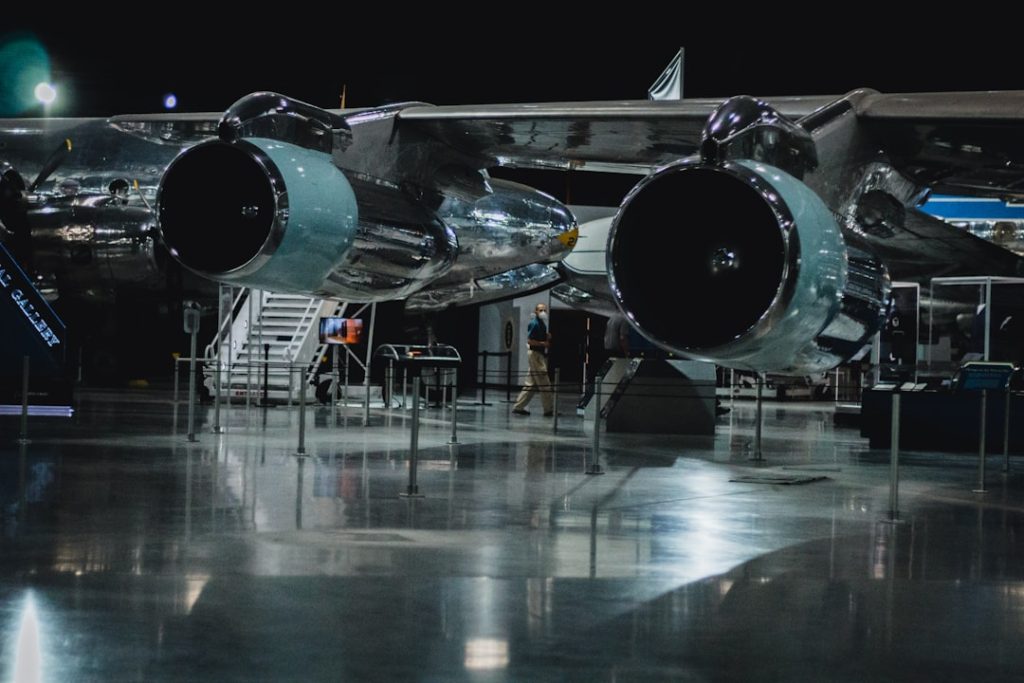
The field of aerospace is undergoing a significant transformation, driven by the development and integration of advanced machines. These machines are not simply incremental improvements on existing technologies; they represent a paradigm shift in how we design, build, and operate aircraft and spacecraft. This evolution is paving the way for new capabilities, improved efficiencies, and expanded access to both the atmosphere and beyond.
The foundational elements of flight – how air moves around an object and how it is propelled through that air – are being re-examined with the aid of sophisticated computational tools and novel engineering approaches.
Computational Fluid Dynamics (CFD) Advancements
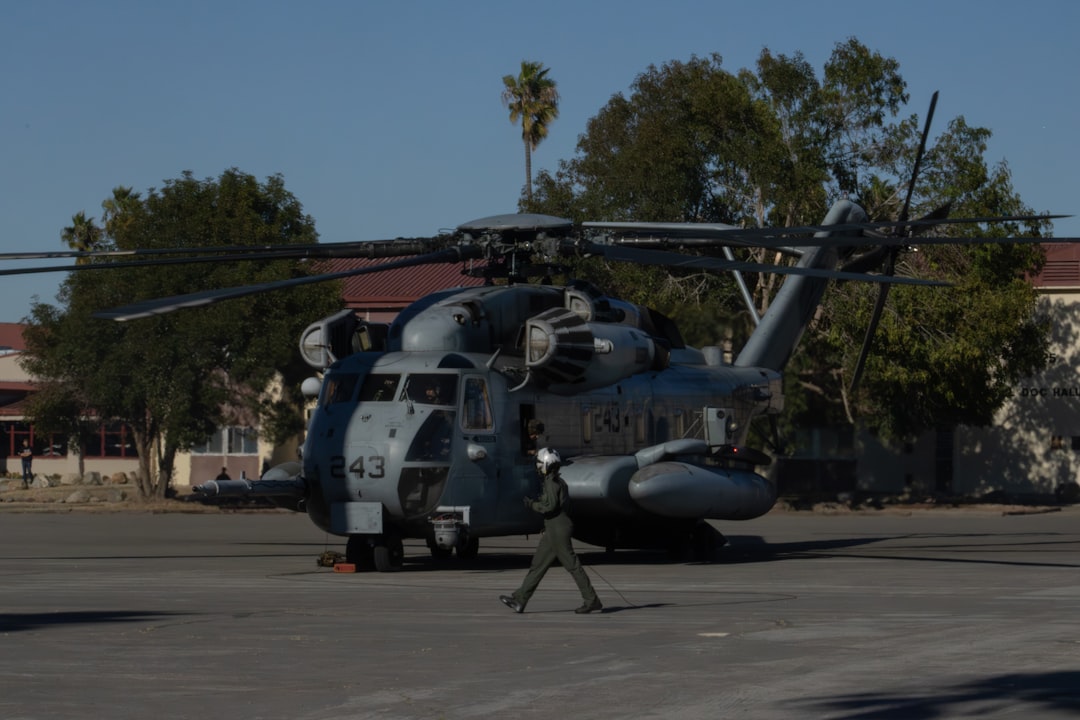
CFD has moved from a supplemental tool to a primary driver of aerodynamic design. The ability to simulate airflow with unprecedented accuracy allows engineers to explore a far wider design space than was previously possible.
High-Fidelity Simulations
Modern CFD solvers can now resolve complex turbulent flows around intricate geometries, such as blended wing bodies or novel control surfaces. This enables the prediction of aerodynamic performance with greater confidence, reducing the need for extensive wind tunnel testing in the early design stages. The computational power required for these simulations is immense, pushing the boundaries of supercomputing. This allows engineers to ‘virtually’ test thousands of design iterations, similar to a chef tasting numerous ingredient combinations before finalizing a recipe.
Multiphysics Coupling
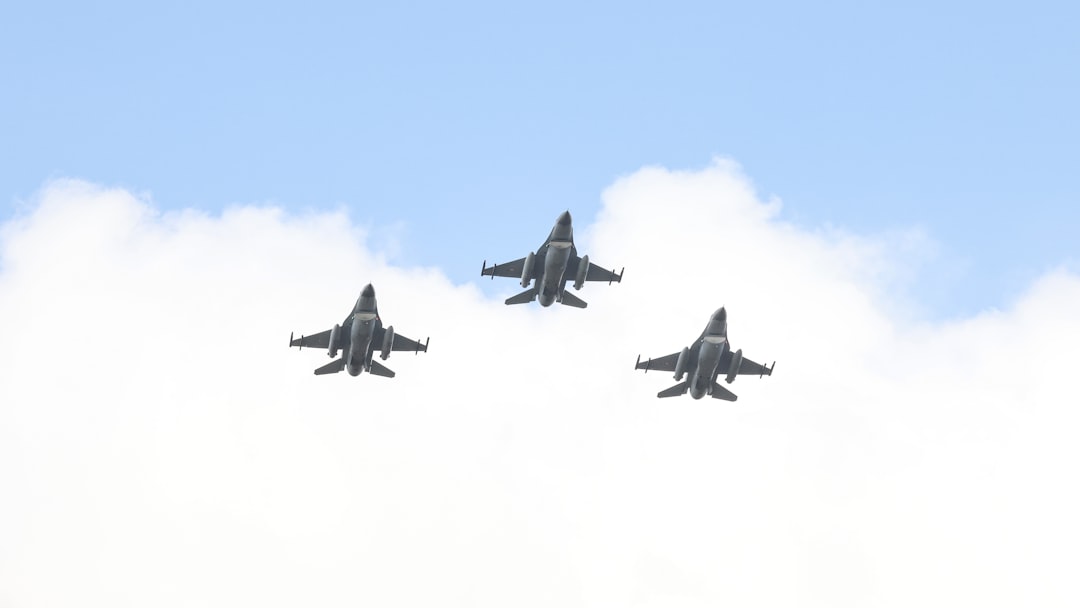
Integrating CFD with other physics simulations, such as structural mechanics and thermal analysis, provides a holistic view of aircraft performance. This multiphysics coupling is crucial for understanding how aerodynamic forces interact with material stresses and heat generation, particularly in high-speed or high-altitude flight regimes. For instance, it allows designers to see how the heat generated by extreme speeds might warp a wing, and then adjust its shape or material accordingly.
Next-Generation Propulsion Systems
The quest for cleaner, more efficient, and more powerful propulsion continues. While traditional jet engines remain dominant, new concepts are gaining traction.
Electric and Hybrid-Electric Propulsion
The electrification of aviation is a significant trend, particularly for smaller aircraft and regional routes. Electric motors offer several advantages, including reduced noise, zero direct emissions, and potentially lower operating costs. Hybrid-electric systems combine combustion engines with electric motors to optimize performance and efficiency across different flight phases. Batteries, however, remain a limiting factor in terms of energy density and weight, acting as an anchor holding back widespread adoption for larger aircraft. Researchers are exploring advanced battery chemistries and novel energy storage solutions to overcome this hurdle, viewing this as a bridge to a fully electric future.
Advanced Combustion Technologies
For larger, long-haul aircraft, improvements in conventional jet engines are still being pursued. These include higher bypass ratios, advanced materials for hotter engine cores, and more efficient combustion processes that reduce fuel consumption and emissions. Designs like geared turbofans and variable cycle engines are examples of this ongoing optimization. These engines are a testament to the refinement of existing technology, squeezing every drop of efficiency from established principles.
Hypersonic Propulsion
Reaching speeds many times the speed of sound requires entirely new propulsion paradigms. Scramjets (supersonic combustion ramjets) are one such technology, relying on the forward motion of the vehicle to compress air and combust fuel. Unlike traditional jet engines, they have no rotating parts in the main engine core. Progress in scramjet technology is driven by the need for rapid global transport and orbital access. Developing these engines is akin to trying to harness the power of a lightning strike, requiring precise control of immense energy.
Autonomous Systems and Artificial Intelligence (AI)
The integration of AI and autonomous capabilities is poised to redefine the role of humans in aerospace operations and enhance the intelligence of machines themselves.
Enhanced Flight Control and Automation
AI is being leveraged to create more intelligent and adaptive flight control systems.
Fly-by-Wire and Beyond
Modern aircraft already utilize fly-by-wire systems, replacing mechanical linkages with electronic signals. AI is now enhancing these systems by providing predictive capabilities and automated decision-making in complex scenarios. For example, an AI-powered system could anticipate the need for a control surface adjustment before pilot input is even required, based on real-time environmental data and performance modeling. This is like having an incredibly prescient co-pilot constantly analyzing every variable.
Autonomous Navigation and Landing
AI algorithms are enabling aircraft to navigate and land autonomously, even in challenging weather conditions or congested airspace. This has significant implications for cargo operations, search and rescue missions, and eventually, passenger travel. Fully autonomous flight management systems are being developed that can handle all aspects of a flight, from takeoff to landing, optimizing routes and managing in-flight contingencies. This is akin to a highly skilled conductor leading an orchestra, ensuring seamless execution without constant direction.
Application in Unmanned Aerial Vehicles (UAVs)
UAVs, commonly known as drones, are a prime domain for AI and autonomous technologies.
Swarm Intelligence and Coordination
The ability for multiple UAVs to operate cooperatively, coordinating their actions to achieve a common objective, is a growing area of research. Swarm intelligence algorithms allow these machines to de-centralize decision-making, making them more robust and adaptable to dynamic environments. This is like watching a flock of birds or a school of fish move in perfect unison, but with a digital brain guiding each member.
Advanced Sensor Fusion and Data Processing
UAVs are equipped with increasingly sophisticated sensor payloads. AI is essential for processing the vast amount of data generated by these sensors and fusing it into a coherent understanding of the environment. This enables applications such as precision agriculture, infrastructure inspection, and sophisticated reconnaissance. The AI acts as a tireless intelligence analyst, sifting through mountains of information to find the needles of critical data.
AI in Design and Manufacturing
Beyond flight operations, AI is also transforming the processes of designing and manufacturing aerospace components.
Generative Design
AI algorithms can generate novel design solutions that human engineers might not conceive. By defining parameters and constraints, AI can explore vast design spaces to optimize for factors such as weight, strength, and aerodynamics. This is similar to an artist using algorithms to create unique sculptures, but with engineering principles as the primary guide. Generative design is no longer confined to simple shapes; it can produce complex, organic-looking structures perfectly tailored to their intended function.
Predictive Maintenance
AI-powered systems can analyze sensor data from aircraft and spacecraft to predict when maintenance will be required, preventing failures before they occur. This proactive approach enhances safety, reduces downtime, and lowers operational costs. The machines themselves become their own diagnosticians, alerting technicians to subtle issues before they manifest as critical problems.
Advanced Materials and Manufacturing Techniques
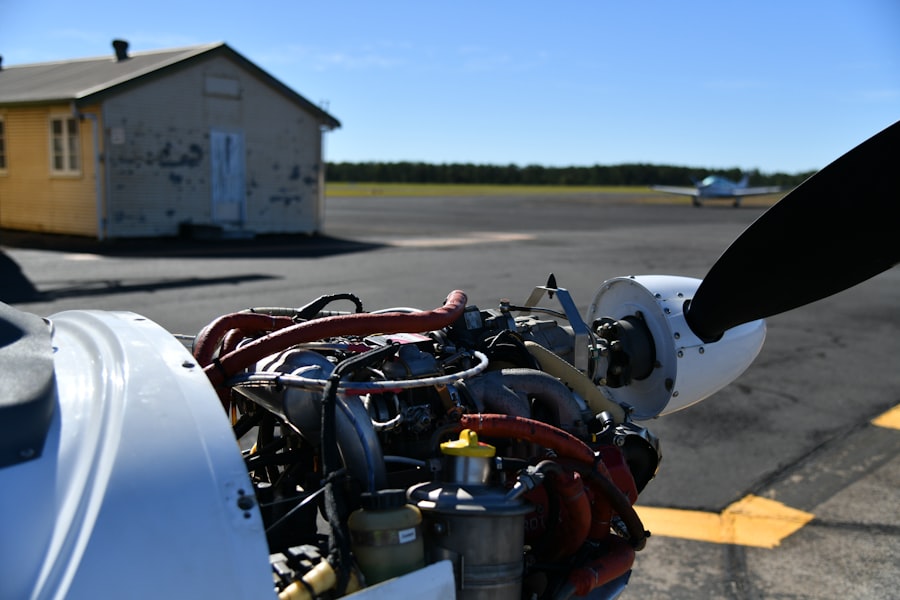
The very building blocks of aerospace vehicles are evolving, leading to lighter, stronger, and more resilient structures.
Lightweight and High-Strength Composites
Composite materials, such as carbon fiber reinforced polymers, have become commonplace in aerospace. Their high strength-to-weight ratio is a critical enabler for fuel efficiency and performance.
Tailored Microstructures
Ongoing research focuses on tailoring the microstructure of composite materials to achieve specific performance characteristics. This includes controlling fiber orientation, resin chemistry, and layering to optimize for strength, stiffness, or impact resistance in different areas of a component. This is like a weaver meticulously arranging threads to create a fabric with specific properties, but on a microscopic level.
Self-Healing Composites
A frontier in materials science involves developing composite materials that can repair themselves when damaged. These materials often incorporate encapsulated healing agents that are released upon cracking, effectively mending the structure. While still largely in development, these materials hold the promise of significantly extending component lifespan and enhancing safety. The ability of a material to mend itself is a concept straight out of science fiction, now moving towards reality.
Additive Manufacturing (3D Printing)
Additive manufacturing is revolutionizing how aerospace components are produced, offering flexibility and enabling complex geometries.
Complex Geometries and Integrated Functions
3D printing allows for the creation of intricately shaped parts that are impossible or prohibitively expensive to manufacture using traditional methods. This enables the integration of multiple components into a single part, reducing assembly complexity and weight. It also allows for the design of internal structures, such as cooling channels, that are optimized for performance. Imagine a single engine part that incorporates its own cooling system, printed as one piece.
On-Demand Manufacturing and Customization
Additive manufacturing facilitates “on-demand” production, reducing the need for large inventories and enabling rapid prototyping. It also opens the door to significant customization of components, allowing for bespoke solutions for specific missions or aircraft configurations. This moves away from mass production towards highly specialized, tailored manufacturing.
Nanomaterials and Smart Structures
The application of nanotechnology and the development of “smart” structures are introducing new functionalities to aerospace.
Enhanced Thermal Management
Nanomaterials, such as carbon nanotubes, can be incorporated into materials to improve their thermal conductivity, aiding in the management of heat in critical aerospace components. This is crucial for protecting sensitive electronics and maintaining structural integrity under extreme thermal loads.
Integrated Sensing and Actuation
Smart structures embed sensors and actuators within the material itself, allowing the structure to monitor its own condition and adapt its shape or properties in response to external stimuli. This could lead to wings that can change their shape in flight for optimal performance or structures that can detect and report damage automatically. This represents a shift from passive structures to active, responsive elements within a vehicle.
Advancements in Space Exploration and Utilization
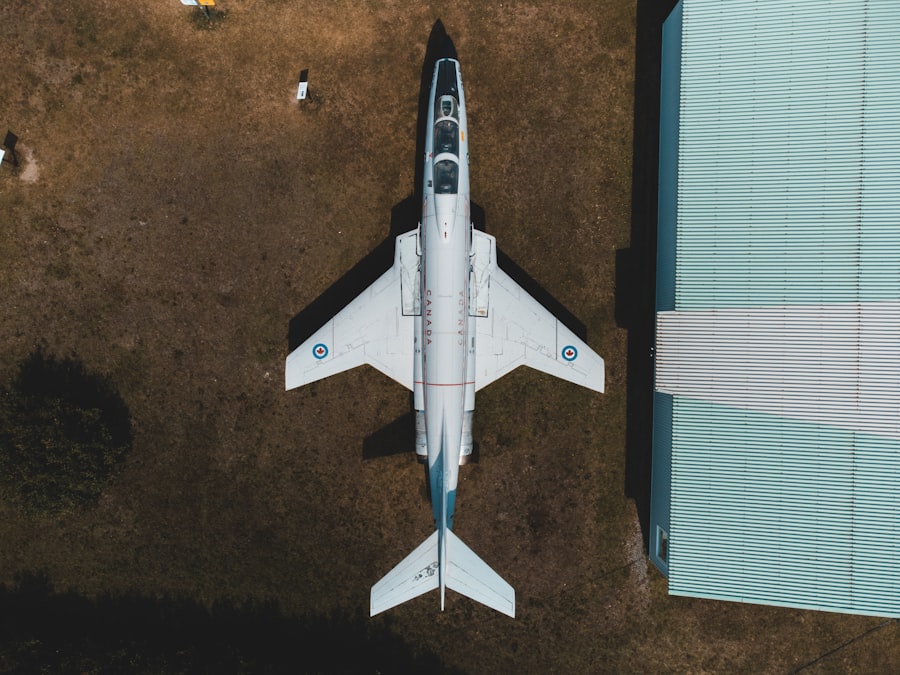
The machines developed for space are pushing the boundaries of human reach and our ability to understand the cosmos.
Reusable Launch Systems
The development of reusable rockets has dramatically reduced the cost of access to space, making space exploration and commercialization more accessible.
Vertical Landing and Recovery
Companies like SpaceX have pioneered the ability of rocket boosters to land vertically after launch, allowing for their reuse on subsequent missions. This has been a game-changer in reducing mission costs, akin to reclaiming and refilling a truck for multiple deliveries instead of buying a new one each time. The complexity of achieving this precise landing, often in challenging oceanic conditions, is a testament to advanced control systems and engineering.
Integrated Systems for Reusability
Designing rockets for reusability requires a focus on durability, inspection, and rapid turnaround. This involves advanced materials, robust structural designs, and sophisticated diagnostic systems to ensure the reliability of returned hardware. The engineering challenge is not just in getting to space, but in making the journey economically viable for repeated use.
In-Orbit Servicing and Assembly
The ability to repair, refuel, and upgrade spacecraft in orbit, as well as assemble large structures in space, is a growing area of innovation.
Robotic Servicing Missions
Telerobotic systems and advanced robotic arms are being developed to perform tasks such as docking with satellites, refueling them, and replacing worn-out components. This extends the operational life of expensive space assets. These robots act as celestial mechanics, performing intricate repairs far from Earth.
Modular Spacecraft and Construction
The concept of modular spacecraft, where components can be swapped out or assembled in orbit, is gaining traction. This allows for more flexible mission designs and the construction of larger, more complex structures in space, such as orbital habitats or telescopes. This is akin to building with LEGOs in space, but with highly sophisticated and precisely engineered pieces.
Deep Space Exploration Probes
Robotic probes equipped with advanced sensors and propulsion systems are venturing further into the solar system and beyond.
Advanced Propulsion for Trajectory Optimization
New propulsion technologies, such as ion thrusters and solar electric propulsion, enable probes to achieve high velocities and execute complex trajectories, allowing them to reach distant targets more efficiently. These systems offer a slow but steady acceleration, like a marathon runner conserving energy for a long race.
Autonomous Navigation in Unknown Environments
As probes venture into uncharted territories, they require increasingly sophisticated autonomous navigation capabilities. AI systems are being developed to enable these probes to make decisions, avoid hazards, and adapt to unexpected situations without constant communication with Earth. This requires the probe to be a self-reliant explorer, making critical decisions in isolation.
The Future Aerospace Ecosystem
| Machine Type | Max Speed (Mach) | Range (km) | Payload Capacity (kg) | Typical Use |
|---|---|---|---|---|
| Commercial Jet | 0.85 | 13,000 | 20,000 | Passenger Transport |
| Fighter Jet | 2.5 | 2,000 | 8,000 | Military Combat |
| Helicopter | 0.3 | 800 | 1,500 | Search and Rescue |
| Space Shuttle | 25 | Low Earth Orbit | 27,500 | Space Exploration |
| Unmanned Aerial Vehicle (UAV) | 0.6 | 1,500 | 500 | Surveillance |
The advancements in advanced machines are not occurring in isolation; they are creating a more interconnected and dynamic aerospace ecosystem.
Digital Twins and Simulation Environments
The concept of a “digital twin” – a virtual replica of a physical asset – is becoming central to aerospace development and operations.
Real-Time Monitoring and Analysis
Digital twins allow for the real-time monitoring of aircraft and spacecraft performance. Data from the physical asset is fed into its digital counterpart, enabling continuous analysis, prediction of future behavior, and optimization of operations. This provides a constant feedback loop, allowing for adjustments and improvements in real-time, much like a conductor fine-tuning an orchestra’s performance mid-concert.
Virtual Testing and Validation
Digital twins facilitate extensive virtual testing and validation of new designs, software updates, and operational procedures before they are implemented in the real world. This drastically reduces the risks and costs associated with physical testing. It’s like running a dress rehearsal for every aspect of a mission before the actual launch.
Cybersecurity in Aerospace
As aerospace systems become more connected and reliant on software, cybersecurity becomes paramount.
Protecting Critical Infrastructure
Ensuring the security of aviation networks, air traffic control systems, and spacecraft communication channels is essential to prevent disruptions and protect national security. The interconnectedness of advanced machines creates new vulnerabilities that must be addressed with robust security measures. This is akin to building impenetrable fortresses around vital digital nerve centers, protecting them from unseen digital invaders.
Secure Software and Hardware Development
The entire lifecycle of aerospace hardware and software, from design to deployment, must incorporate rigorous cybersecurity protocols. This includes secure coding practices, hardware integrity checks, and continuous monitoring for threats. The integrity of the machine’s code and its physical components is as important as its aerodynamic efficiency.
The Role of Human-Machine Teaming
The future of aerospace is likely to involve increasingly sophisticated collaboration between humans and machines.
Enhanced Situational Awareness
AI and advanced displays can provide pilots and mission controllers with significantly enhanced situational awareness, presenting complex data in an easily digestible format. This allows humans to make better, faster decisions. Machines augment human perception, expanding our understanding of the operational environment.
Human Oversight and Intervention
While automation will increase, human oversight and the ability for pilots and controllers to intervene in automated systems will remain crucial, particularly for complex or unforeseen events. The human element provides adaptability, ethical judgment, and a capacity for creativity that machines currently lack. This is a partnership where machines handle the heavy lifting of computation and execution, while humans provide the nuanced judgment and strategic oversight. The interplay between human intuition and machine intelligence will be the key to unlocking the full potential of future aerospace endeavors.