The aerospace industry is undergoing a significant transformation, driven in large part by the increasing adoption and advancement of composite materials. These materials offer a compelling alternative to traditional metallic alloys, promising lighter, stronger, and more fuel-efficient aircraft, spacecraft, and other aerospace applications. Understanding the trajectory of composites in aerospace requires examining their current impact, the challenges they address, the technological frontiers being pushed, and the broader implications for the future of flight.
Composites, in their essence, are materials formed by combining two or more constituent materials with significantly different physical or chemical properties. When these components are combined, the resulting material exhibits properties superior to those of the individual constituents. In the context of aerospace, this typically involves reinforcing a polymer matrix with strong, stiff fibers, such as carbon fiber or glass fiber. This marriage of materials creates a structural bedrock that is fundamentally different from monolithic metals.
Lighter Than Air (Almost): The Weight Advantage

###
The most frequently cited advantage of composites in aerospace is their reduced density compared to metals. For instance, carbon fiber reinforced polymers (CFRPs) can be as much as five times stronger than steel but weigh significantly less. This mass reduction is not a trivial gain; it translates directly into fuel savings. An aircraft that weighs less requires less energy to propel it through the atmosphere, a critical factor in the economic viability and environmental footprint of aviation. Consider an airliner: even a reduction of a few percentage points in its empty weight can equate to millions of dollars in fuel cost savings over its operational lifespan. This weight advantage is akin to shedding unnecessary cargo before embarking on a long journey, allowing for greater efficiency and range.
Strength Beyond Measure: The Structural Integrity

###
While weight is a primary driver, the strength-to-weight ratio of composites is where they truly shine. Unlike metals, which exhibit isotropic behavior (strength is uniform in all directions), composites can be engineered to possess anisotropic properties. This means that their strength and stiffness can be precisely tailored to withstand specific loads and stresses encountered in flight. For example, wing spars and fuselage sections can be designed with fiber orientations that optimize load-bearing capabilities, a degree of control not typically achievable with traditional metal fabrication. This targeted reinforcement allows designers to build structures that are remarkably resilient, capable of enduring the rigors of atmospheric flight and the vacuum of space. It’s like building a bridge where the beams are strategically placed and reinforced only where the greatest stress will occur, rather than treating the entire structure uniformly.
Corrosion Resistance: A Shield Against the Elements
###
Metals are susceptible to corrosion, a process that degrades their structural integrity over time. This necessitates costly maintenance, inspections, and repairs, particularly in the harsh environments encountered by aircraft, exposed to moisture, salt, and extreme temperatures. Composites, particularly polymer matrix composites, are inherently resistant to many forms of corrosion. This reduces lifecycle costs and enhances the longevity of aerospace structures. The absence of galvanic corrosion, a common issue when dissimilar metals are in contact, is another significant benefit. This inherent resilience acts as a protective shield, allowing components to maintain their performance characteristics for longer periods.
Current Applications: Composites as Standard Bearers
The aerospace industry has enthusiastically embraced composites, integrating them into an increasing array of critical components. From the primary structure of aircraft to intricate engine parts, composites are no longer marginal materials but foundational elements in modern aerospace design.
The Backbone of the Sky: Aircraft Structure
####
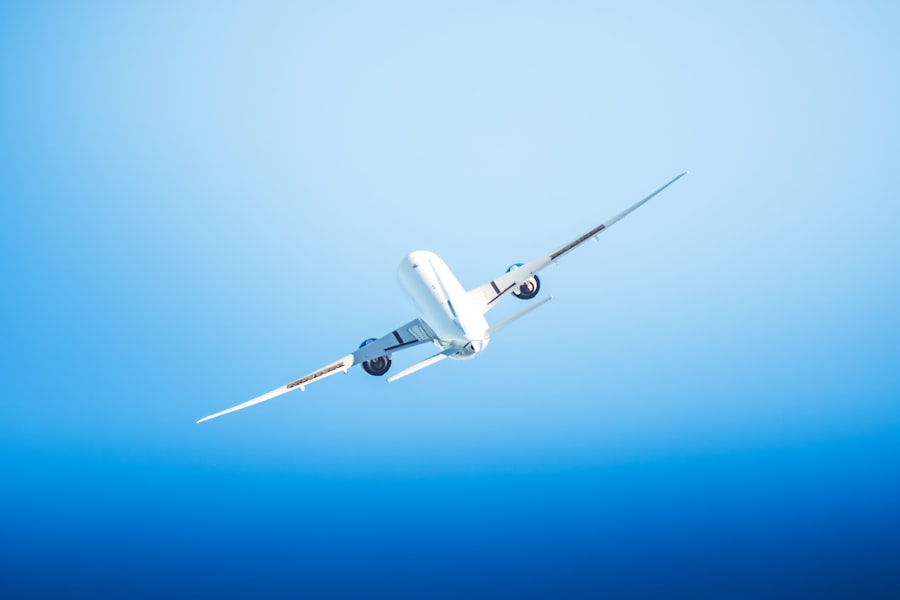
Airbus and Boeing, the two giants of commercial aviation, have been at the forefront of composite integration. The Boeing 787 Dreamliner, for instance, famously features a fuselage made of over 50% composite materials by weight, including large sections of carbon fiber. Similarly, the Airbus A350 XWB boasts a fuselage and wings primarily constructed from CFRP. These extensive applications are not merely for novelty; they represent a strategic shift towards lighter, more fuel-efficient long-haul aircraft. The wings, critical for generating lift and enduring aerodynamic forces, are particularly well-suited for composite construction due to the ability to create complex, aerodynamically optimized shapes.
####
Beyond the main fuselage and wings, smaller aircraft and unmanned aerial vehicles (UAVs) have also seen widespread adoption of composites. The development of smaller, more agile drones for surveillance, delivery, and recreational purposes has been significantly enabled by the lightweight and high-performance characteristics of composite structures.
Powering Progress: Engine Components
####
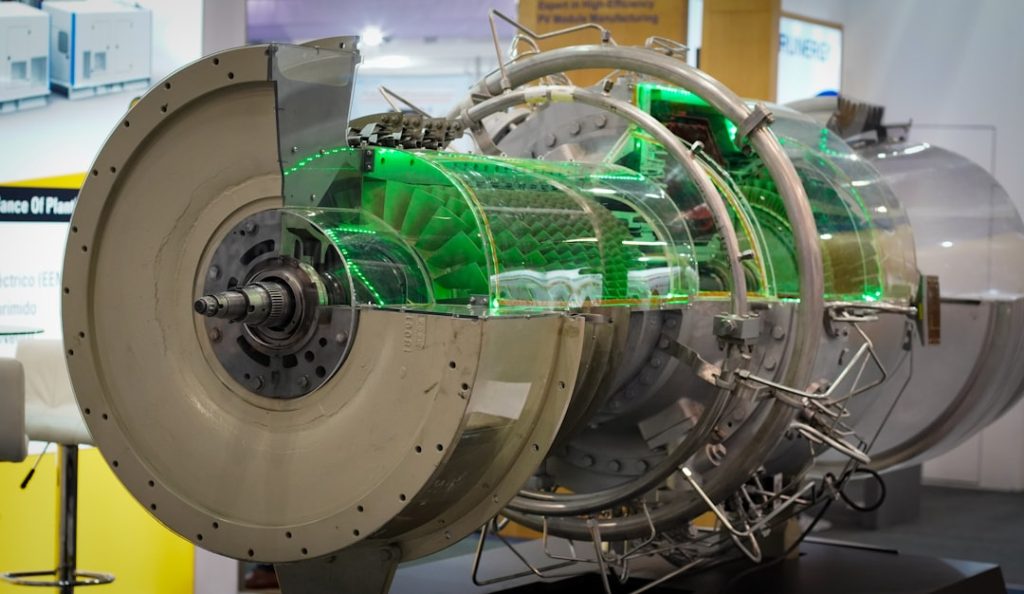
While metals still dominate many engine components due to extreme temperature requirements, composites are steadily making inroads. Ceramic matrix composites (CMCs) are increasingly being used in hot sections of jet engines, such as turbine blades and combustor liners. CMCs can withstand significantly higher temperatures than metallic alloys, allowing for increased engine efficiency and performance. This is akin to using materials that can tolerate the heat of a furnace more effectively, leading to better energy conversion.
####
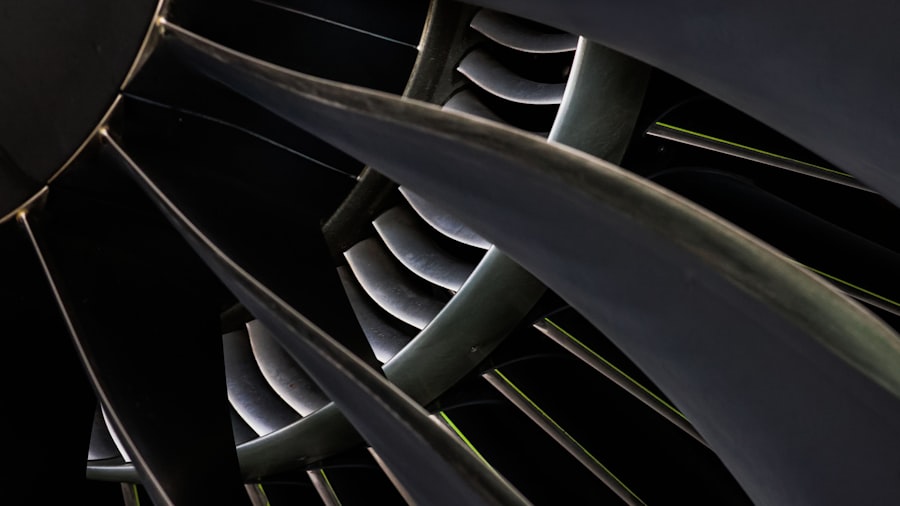
Fan blades, typically made from titanium alloys, are now being produced from CFRP. These lighter blades reduce the rotational inertia of the fan, leading to improved engine response and reduced stress on the engine core. The ability to mold complex aerodynamic shapes for fan blades is another significant advantage offered by composites.
Reaching for the Stars: Spacecraft and Satellites
####
The vacuum of space presents unique challenges, including extreme temperature fluctuations and the need for ultra-lightweight structures to minimize launch costs. Composites are ideally suited for these demanding applications. The payloads of rockets are often enclosed in composite fairings, which are jettisoned after leaving the atmosphere. The structural components of satellites and spacecraft, including antennae, solar panel substrates, and structural panels, are frequently manufactured from CFRP for their strength and minimal thermal expansion. Launch vehicles themselves are incorporating increasing amounts of composite materials in their structures to reduce overall mass.
Pushing the Boundaries: Innovations in Composite Technology
The future of composites in aerospace is not about merely using existing materials more; it’s about developing new, more advanced composites and improving the processes for their manufacturing. This ongoing innovation is akin to refining the recipe and the cooking method for a complex dish, aiming for superior taste and texture.
The Next Generation of Fibers and Matrices
####
Research and development are focused on creating fibers with even higher strength and stiffness, such as boron nitride nanotubes and advanced carbon nanotube composites. These emerging materials hold the potential to surpass the performance of current carbon fibers, enabling even lighter and stronger structures. The matrix materials are also evolving, with a focus on developing thermosets and thermoplastics that offer improved toughness, higher service temperatures, and enhanced damage tolerance. Thermoplastics, in particular, are gaining traction due to their recyclability and faster processing times.
####
Furthermore, the development of self-healing composites, which can autonomously repair minor damage, is a significant area of research. This could dramatically reduce maintenance requirements and increase the safety of aerospace structures. Imagine a material that can mend small cracks itself, like a biological organism.
Advanced Manufacturing Techniques
####
Traditional composite manufacturing processes, such as hand lay-up and autoclave curing, can be time-consuming and energy-intensive. The aerospace industry is investing heavily in automated manufacturing techniques to improve efficiency, reduce costs, and enhance the repeatability of composite parts. Automated fiber placement (AFP) and automated tape laying (ATL) systems are now standard for producing large composite structures.
####
Additive manufacturing, or 3D printing, is also emerging as a transformative technology for composite components. This allows for the creation of complex geometries that would be difficult or impossible to produce with traditional methods, while also enabling on-demand production and reduced material waste. The ability to print customized, intricate parts with embedded functionalities is a tantalizing prospect.
Digital Integration: The Smart Composite
####
The concept of “smart composites” is gaining momentum, where composites are integrated with sensing and actuating capabilities. These materials can monitor their own structural health, detect damage, and even adapt their properties in response to external stimuli. This could lead to aircraft that can actively adjust their wing shape for optimal aerodynamic performance or can signal potential structural issues before they become critical. This is akin to giving the material an internal nervous system.
Challenges and Considerations: Navigating the Composite Landscape
Despite the compelling advantages, the widespread adoption of composites in aerospace is not without its hurdles. Addressing these challenges is crucial for unlocking the full potential of these materials.
Cost of Production: The Price of Progress
####
While the long-term benefits of composites, such as fuel savings and reduced maintenance, can outweigh the initial costs, the upfront expense of raw materials and complex manufacturing processes can still be a barrier. Carbon fiber, for example, remains more expensive than many aluminum alloys. The industry is actively working to reduce production costs through economies of scale, improved manufacturing efficiency, and the development of lower-cost precursor materials.
Damage Detection and Repair: The Invisible Threat
####
One of the significant challenges with composites is the difficulty in detecting internal damage, such as delamination or fiber breakage, which may not be outwardly visible. Traditional Non-Destructive Testing (NDT) methods, while evolving, can be more complex and time-consuming for composites compared to metals. Furthermore, the repair of composite structures can be intricate, requiring specialized techniques and skilled personnel. Developing more robust and less intrusive NDT methods, alongside standardized and efficient repair procedures, is a continuing priority.
Material Certifications and Standardization: Building Trust
####
The aerospace industry is highly regulated, and the introduction of new materials requires rigorous testing and certification processes to ensure safety and reliability. Establishing comprehensive standards for composite materials, manufacturing processes, and testing methodologies is essential for building confidence and facilitating their widespread adoption across different manufacturers and regulatory bodies. This process is akin to creating a universally understood language for the material to ensure everyone speaks the same safety dialect.
End-of-Life Management: The Environmental Footprint
####
As the use of composites increases, so does the question of their end-of-life management. While many composites are durable, recycling them presents challenges due to the fused nature of the fibers and matrix. Research into advanced recycling technologies, including chemical and mechanical recycling processes, is crucial to address the environmental impact of composite waste and to promote a more circular economy within the aerospace sector.
The Future of Flight: A Composite Vision
| Metric | Value | Unit | Notes |
|---|---|---|---|
| Composite Material Usage in Aircraft Weight | 50 | % | Average percentage of composite materials in modern commercial aircraft (e.g., Boeing 787) |
| Weight Reduction Compared to Aluminum | 20-30 | % | Typical weight savings when using composites instead of aluminum alloys |
| Fuel Efficiency Improvement | 15 | % | Estimated fuel savings due to weight reduction from composites |
| Composite Market Growth Rate | 7 | % per year | Projected annual growth rate of composites in aerospace sector |
| Typical Tensile Strength of Carbon Fiber Composites | 1500-2500 | MPa | Range depending on fiber type and matrix |
| Typical Density of Carbon Fiber Composites | 1.6 | g/cm³ | Compared to aluminum at ~2.7 g/cm³ |
| Cost Reduction in Maintenance | 10-20 | % | Reduction in maintenance costs due to corrosion resistance and durability |
The trajectory of composites in aerospace is unequivocally upward. As technology continues to advance and costs decrease, these materials will undoubtedly play an even more significant role in shaping the future of flight.
Lighter, Faster, Further: The Next Generation of Aircraft
####
The relentless pursuit of fuel efficiency and performance will continue to drive composite innovation. We can anticipate aircraft with even higher percentages of composite structures, leading to lighter, more aerodynamically efficient designs. This will enable longer-range flights, reduce operating costs, and contribute to a lower environmental impact from aviation. The concept of urban air mobility vehicles, often envisioned as eVTOL (electric Vertical Take-Off and Landing) aircraft, heavily relies on lightweight composite structures for efficient operation.
####
The development of hypersonic aircraft, capable of sustained flight at speeds exceeding Mach 5, will also be heavily dependent on advanced composites that can withstand extreme temperatures and aerodynamic stresses.
Space Exploration: Pushing the Boundaries of Exploration
####
The space sector will continue to be a fertile ground for composite applications. As the ambition for lunar bases, Martian colonization, and deep space exploration grows, the need for ultra-lightweight, durable, and high-performance materials will become even more critical. Composites will enable more cost-effective launches, more resilient spacecraft, and extend the reach of human exploration into the cosmos.
The Unseen Revolution: Infrastructure and Beyond
####
Beyond the aircraft and spacecraft themselves, composite materials are also finding applications in aerospace infrastructure, such as wind turbine blades used to power airports and even launch pads. The aerospace industry’s pioneering work with composites is also having a ripple effect on other sectors, inspiring innovation in automotive, marine, and renewable energy applications.
Ultimately, the story of composites in aerospace is one of intelligent material design and relentless technological advancement. It is a story about fundamentally re-engineering the very fabric of flight, enabling us to travel farther, faster, and more sustainably. The future of aerospace will, for a significant part, be built on the strong, light, and adaptable foundation of composite materials.