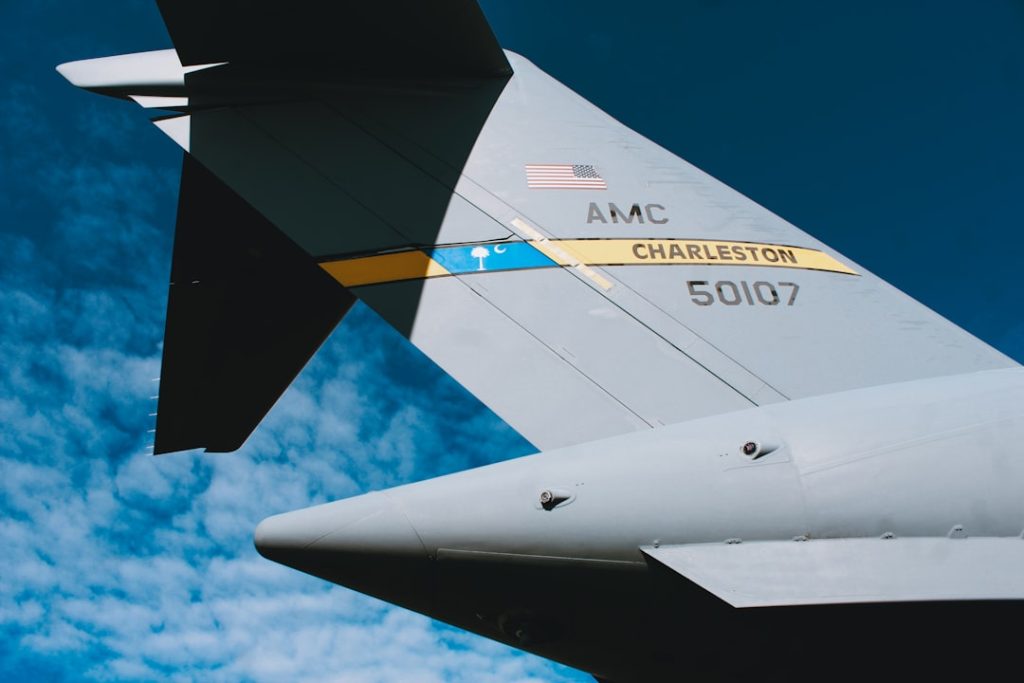
The aerospace and defense industry forms a crucial pillar of global security and technological advancement. It encompasses companies involved in the design, manufacture, and servicing of aircraft, spacecraft, missiles, and related defense systems. This sector is characterized by high research and development investment, long product lifecycles, and stringent regulatory environments. The companies within this arena are the architects of our skies and the guardians of national interests, translating complex scientific principles into tangible assets.
The landscape of the aerospace and defense industry is dominated by a handful of large, multinational corporations. These entities operate on a global scale, conducting extensive research, developing cutting-edge technologies, and securing contracts from governments and commercial entities worldwide. Their influence extends beyond mere manufacturing, encompassing research, development, integration, and ongoing support of sophisticated systems.
Innovation Hubs: Where Ideas Take Flight
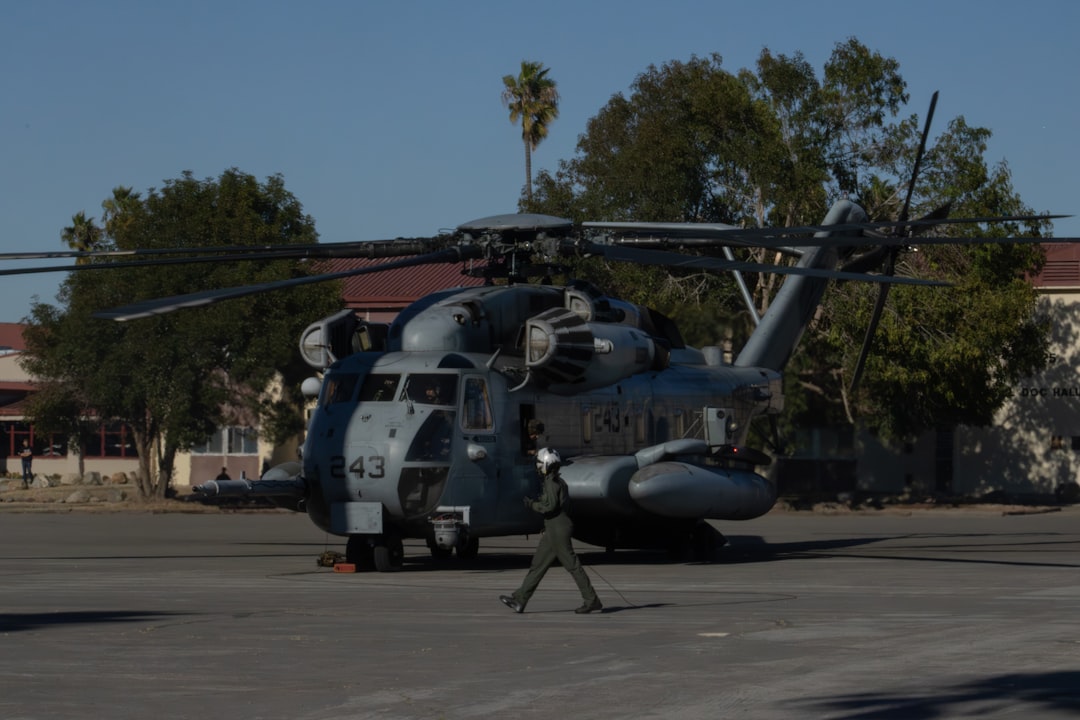
Within these large corporations, dedicated divisions and subsidiaries act as innovation hubs. These are the crucibles where theoretical concepts are forged into practical applications. Here, engineers and scientists grapple with the fundamental challenges of flight, propulsion, materials science, and advanced electronics.
Research and Development: The Engine of Progress
The sustained success of these companies hinges on their commitment to research and development (R&D). A significant portion of their revenue is reinvested into R&D, enabling them to stay ahead of technological curves and anticipate future needs. This investment is not a luxury but a necessity, as the pace of technological change in aerospace and defense is relentless. Imagine R&D as the fuel that powers the engine of progress; without it, even the most advanced designs will eventually falter.
Advanced Propulsion Systems: Reaching Further and Faster
A key area of R&D focuses on advanced propulsion systems. This includes the development of more fuel-efficient jet engines, innovative rocket technologies for space exploration, and the nascent but rapidly evolving field of electric and hybrid-electric propulsion for aircraft. The quest for greater speed, range, and reduced environmental impact drives this research.
Aerodynamics and Materials Science: Shaping the Future of Flight
Simultaneously, significant effort is dedicated to aerodynamics, aiming to reduce drag and improve lift, thereby enhancing efficiency and maneuverability. This is closely linked to advancements in materials science, where lighter, stronger, and more temperature-resistant materials are being developed. From advanced composites to novel alloys, these materials are the building blocks of next-generation aircraft and spacecraft, allowing for designs that were previously unimaginable.
Avionics and Systems Integration: The Brains of the Operation
The “brains” of any modern aerospace or defense platform resides in its avionics and integrated systems. Companies invest heavily in developing sophisticated navigation, communication, sensing, and control systems. The ability to seamlessly integrate these diverse components into a cohesive and functional whole is a hallmark of industry leaders. This is akin to orchestrating a symphony, where each instrument must play its part in perfect harmony.
Manufacturing Prowess: From Blueprint to Reality
Translating innovative designs into tangible products requires immense manufacturing capability. Aerospace and defense companies operate vast, complex manufacturing facilities equipped with highly specialized machinery and overseen by a skilled workforce. The precision and quality demanded in this sector are unparalleled.
Advanced Manufacturing Techniques: Precision at Scale
The adoption of advanced manufacturing techniques, such as additive manufacturing (3D printing) and automated assembly lines, is transforming production processes. These technologies allow for greater design freedom, reduced waste, and improved efficiency in the creation of intricate components.
Supply Chain Management: A Delicate Ecosystem
The production of a modern aircraft or defense system involves a sprawling global supply chain. Thousands of specialized suppliers contribute components, sub-assemblies, and raw materials. Effective supply chain management is critical to ensuring timely delivery, quality control, and cost-effectiveness. A disruption in any part of this delicate ecosystem can have ripple effects throughout the entire production process.
Quality Assurance and Testing: Ensuring Reliability
Given the critical nature of aerospace and defense products, rigorous quality assurance and testing protocols are paramount. Every component and system undergoes extensive testing to ensure it meets stringent safety and performance standards before it is incorporated into a larger assembly. This dedication to quality is a non-negotiable aspect, as failures can have catastrophic consequences.
Key Segments of the Aerospace and Defense Industry
The industry can be broadly categorized into several key segments, each with its unique characteristics and market drivers. Understanding these segments provides a clearer picture of the diverse activities and specializations within the broader sector.
Commercial Aviation: Connecting the World
This segment is dedicated to the design and manufacture of aircraft for passenger and cargo transportation. This is the sector that most directly impacts civilian life, facilitating global travel and trade.
Narrow-Body Aircraft: The Workhorses of the Skies
Narrow-body aircraft, such as the Boeing 737 family and the Airbus A320 family, are the most common type of commercial airliner. They are designed for short-to-medium haul flights and represent a significant portion of the global commercial aircraft market.
Wide-Body Aircraft: For Intercontinental Journeys
Wide-body aircraft, often referred to as “jumbo jets,” are designed for long-haul, intercontinental flights. These aircraft, like the Boeing 747, 777, and 787, and the Airbus A330, A350, and A380, carry more passengers and cargo over greater distances.
Regional Aircraft: Serving Local Routes
Regional aircraft are smaller airliners designed to serve shorter routes and smaller airports, often connecting smaller cities to major hubs. Companies producing these aircraft cater to the specific needs of regional air carriers.
Military Aerospace: National Security and Global Power Projection
This segment is focused on the development and production of aircraft, helicopters, unmanned aerial vehicles (UAVs), and related systems for military applications. The demands here are often driven by geopolitical considerations and the need for advanced capabilities.
Fighter Jets: Air Superiority and Tactical Engagement
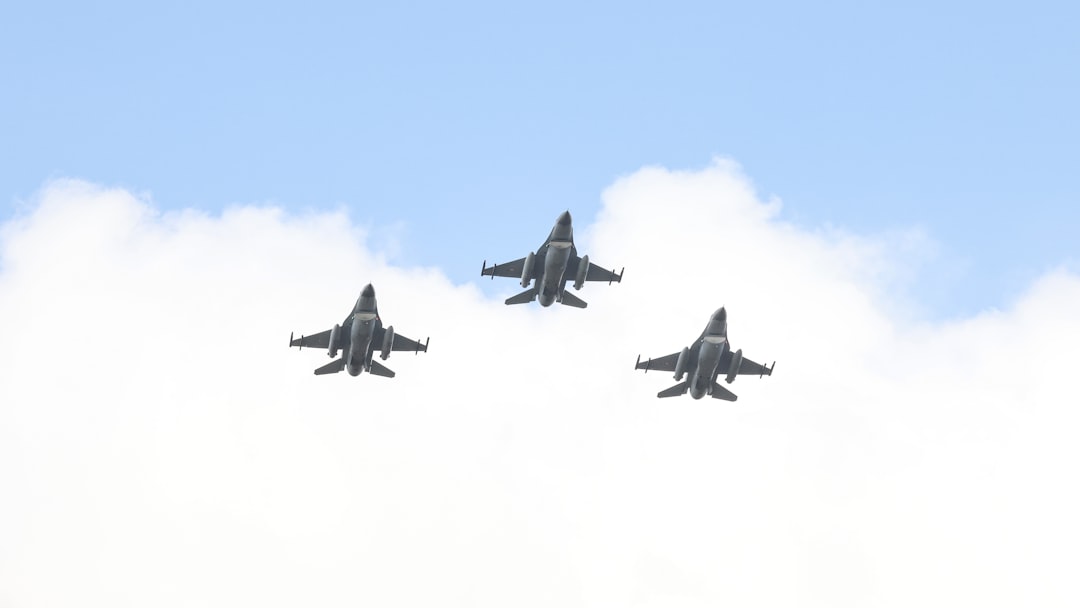
Fighter jets are designed for air-to-air combat and air-to-ground attack. These aircraft are at the forefront of air defense and power projection, requiring sophisticated radar, weapons systems, and maneuverability.
Bombers and Attack Aircraft: Strategic Strikes and Support
Bombers are designed to deliver large payloads of ordnance over long distances, primarily for strategic bombing missions. Attack aircraft, on the other hand, are optimized for close air support and battlefield interdiction.
Transport and Tanker Aircraft: Logistics and Reach
Military transport aircraft are essential for deploying troops, equipment, and supplies. Aerial refueling tankers extend the range and endurance of combat aircraft, allowing them to operate far from their home bases.
Unmanned Aerial Vehicles (UAVs): The Rise of Drones
UAVs, commonly known as drones, have revolutionized military operations. They are used for reconnaissance, surveillance, target acquisition, and increasingly, for combat roles. Their versatility and reduced risk to human pilots make them an indispensable tool.
Space Systems: Exploring the Cosmos and Enhancing Terrestrial Capabilities
This segment encompasses the design, manufacture, and launch of satellites, rockets, and spacecraft for a variety of purposes, including scientific research, telecommunications, navigation, and Earth observation.
Satellites: Our Eyes and Ears in Space
Satellites are critical for a vast array of applications. Communications satellites enable global broadcasting and internet access. Navigation satellites, like the Global Positioning System (GPS), are indispensable for modern logistics and everyday life. Earth observation satellites provide vital data for climate monitoring, disaster management, and resource assessment.
Launch Vehicles: The Ride to Orbit
The ability to place payloads into orbit depends on sophisticated launch vehicles, commonly known as rockets. Companies in this sub-sector are constantly pushing the boundaries of rocket technology to achieve greater payload capacity, reliability, and cost-effectiveness.
Space Exploration and Research: Pushing the Frontiers
Beyond commercial and defense applications, a significant portion of the space industry is dedicated to scientific exploration and research. This includes missions to study planets, stars, and galaxies, as well as experiments conducted in the unique environment of space.
Defense Systems and Technologies: Beyond the Aircraft
While often associated with aircraft, the defense industry extends far beyond aerial platforms. It includes a wide range of land-based and sea-based systems, as well as advanced technologies that underpin national security.
Missiles and Guided Munitions: Precision Striking Power
Missiles, ranging from short-range tactical weapons to long-range ballistic missiles, are a cornerstone of modern defense capabilities. Guided munitions, such as smart bombs and torpedoes, employ advanced guidance systems to ensure precision targeting.
Ground Systems: Land Warfare Capabilities
This includes armored vehicles, artillery systems, tactical communication equipment, and electronic warfare systems designed for land-based operations.
Naval Systems: Projecting Power on the Seas
Naval defense encompass warships, submarines, naval aviation, and the sophisticated combat systems that equip these platforms.
Major Companies Shaping the Industry
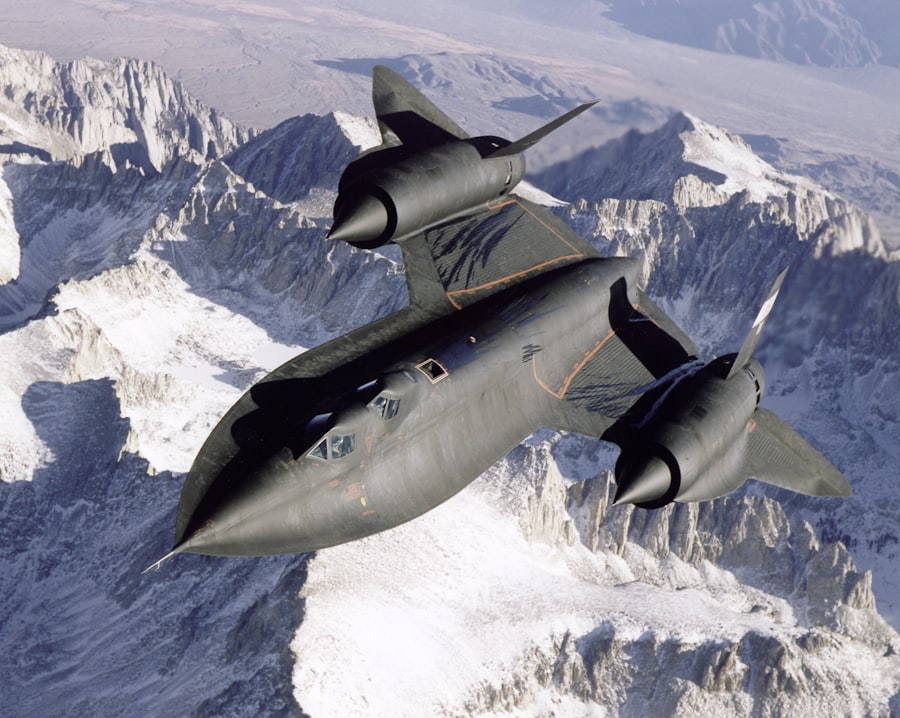
Several large corporations stand as titans within the aerospace and defense sector, their names synonymous with innovation, engineering excellence, and global reach. These companies often operate across multiple segments and have a profound impact on technological development and geopolitical landscapes.
Boeing: A Legacy of Flight
The Boeing Company is a prominent American multinational corporation that designs, manufactures, and sells airplanes, rotorcraft, rockets, satellites, telecommunications equipment, and missiles worldwide. It is one of the largest aerospace manufacturers in the world and the second-largest defense contractor in the United States. Boeing’s commercial aircraft divisions are responsible for the iconic jets that ferry millions of passengers globally. Its defense arm contributes significantly to various military programs, from fighter jets to reconnaissance aircraft.
Commercial Aviation Contributions
Boeing’s commercial airplane products have consistently shaped the way people travel. The 737 family remains the best-selling commercial jetliner in history. The 787 Dreamliner represents a leap forward in fuel efficiency and passenger comfort.
Defense and Space Operations
In the defense sector, Boeing produces a range of aircraft, including the F-15 fighter, the P-8 Poseidon maritime patrol aircraft, and various helicopters. Its space division is involved in satellite development and has contributed to numerous space missions.
Airbus: Global Aviation Leader
Airbus SE is a European multinational aerospace corporation. It designs, manufactures, and sells aerospace products, civil and military aircraft, and related services worldwide. Airbus is the largest aircraft manufacturer in Europe and a major competitor to Boeing in the commercial aviation market.
Commercial Aircraft Dominance
Airbus has achieved remarkable success with its A320 family of narrow-body aircraft, rivaling Boeing’s 737 in market share. Its A350 and A330 wide-body aircraft are also key players in long-haul travel.
Military and Space Ventures
Airbus Defence and Space is a significant division, producing military transport aircraft like the A400M, fighter jets, and various defense systems. The company also has a growing presence in the space sector, with satellites and launch vehicle components among its offerings.
Lockheed Martin: A Defense Giant
Lockheed Martin Corporation is an American aerospace, defense, security, and advanced technologies company. It is one of the world’s largest companies engaged in the design, development, manufacturing, integration, and sustainment of advanced technology systems, products, and services.
Dominance in Military Aircraft
Lockheed Martin is renowned for its production of advanced military aircraft, most notably the F-35 Lightning II, a fifth-generation stealth fighter aircraft developed for the U.S. Air Force, Marine Corps, and Navy, as well as for allied nations. It also produces the F-16 Fighting Falcon, a versatile multirole fighter.
Ballistic Missiles and Space Systems
Beyond aircraft, Lockheed Martin is a leading producer of ballistic missiles, including intercontinental ballistic missiles (ICBMs). The company’s space division is a major player in satellite development, space exploration initiatives, and missile defense systems.
Northrop Grumman: Advanced Technologies and Unmanned Systems
Northrop Grumman Corporation is an American global aerospace and defense technology company. It is one of the world’s largest weapons manufacturers and a leading provider of advanced battle management systems, surveillance and reconnaissance platforms, and unmanned aerial systems.
Unmanned Systems Expertise
Northrop Grumman is a pioneer in the development of unmanned aerial vehicles (UAVs), with its Global Hawk reconnaissance drone being a prominent example. The company continues to innovate in the field of autonomous systems for a variety of defense applications.
Radar and Electronic Warfare
The company is also a major supplier of advanced radar systems, airborne surveillance platforms, and electronic warfare technologies, which are critical components of modern military operations.
Raytheon Technologies (Now RTX Corporation): Diversified Capabilities
Raytheon Technologies Corporation (now RTX Corporation) was formed through the merger of Raytheon Company and the aerospace businesses of United Technologies Corporation. It is a diversified company with significant operations in commercial aerospace, defense systems, and advanced technologies.
Missile Systems and Defense Technologies
Raytheon is renowned for its extensive portfolio of missile systems, including air-to-air missiles, surface-to-air missiles, and cruise missiles. The company also plays a crucial role in developing radar, sensors, and electronic warfare systems.
Pratt & Whitney Engines
Through its Pratt & Whitney division, RTX is a leading manufacturer of aircraft engines for both commercial and military aircraft, contributing essential propulsion technology to the industry. Sikorsky, another former UTC company now part of RTX, is a major helicopter manufacturer.
Future Trends and Challenges
The aerospace and defense industry is not static; it is a dynamic sector constantly shaped by technological advancements, geopolitical shifts, and evolving economic realities. Understanding these future trends and challenges is key to grasping the industry’s trajectory.
Advancements in Propulsion and Materials
The relentless pursuit of efficiency and sustainability will continue to drive innovation in propulsion systems. Electric and hybrid-electric aircraft are no longer theoretical concepts but are gaining traction, promising reduced emissions and operational costs. Similarly, advancements in materials science, such as self-healing composites and advanced ceramics, will enable lighter, stronger, and more resilient airframes.
Hypersonic Flight: A New Frontier
A major frontier being explored is hypersonic flight, with speeds exceeding Mach 5. While still in its early stages, the development of hypersonic aircraft and missiles has the potential to revolutionize military capabilities and potentially lead to new forms of high-speed transportation.
The Growing Importance of Cybersecurity
As aerospace and defense systems become increasingly networked and software-dependent, cybersecurity has emerged as a paramount concern. Protecting sensitive data, command and control systems, and critical infrastructure from cyber threats is a constant battle for these companies. The digital battleground is as crucial as the physical one.
Protecting Connected Systems
The interconnected nature of modern aircraft and defense platforms creates vulnerabilities that require robust cybersecurity measures. Companies are investing heavily in developing advanced threat detection, prevention, and response capabilities.
Sustainability and Environmental Concerns
The aerospace industry, particularly commercial aviation, faces increasing pressure to reduce its environmental impact. This is propelling research into sustainable aviation fuels (SAFs), more fuel-efficient aircraft designs, and the eventual development of zero-emission flight technologies.
The Push for Greener Aviation
Governments and international bodies are setting ambitious targets for emissions reduction, pushing manufacturers to innovate and adopt more sustainable practices throughout the lifecycle of their products.
The Evolving Geopolitical Landscape
Global security concerns and shifting geopolitical alliances directly influence the demand and direction of the defense sector. The rise of new global powers, regional conflicts, and the increasing prevalence of asymmetric warfare all shape the types of systems and technologies that are prioritized.
Adapting to New Threats
Defense companies must remain agile and responsive to evolving threats, investing in capabilities that address emerging challenges such as cyber warfare, drone swarms, and hybrid warfare tactics. The industry acts as a barometer, reflecting the world’s security anxieties.
Space as a Domain of Competition and Cooperation
The increasing commercialization and militarization of space present both opportunities and challenges. While nations cooperate on scientific endeavors, space is also becoming a domain of strategic competition, leading to increased investment in space-based defense systems and anti-satellite capabilities.
The New Space Race
Companies are playing a vital role in this evolving landscape, developing advanced satellite constellations, launch capabilities, and technologies for operating in the challenging environment of space. The race is on to secure a foothold in this new frontier.
The aerospace and defense industry, a complex tapestry of innovation, engineering, and global strategy, will continue to be a critical force shaping our world. From the skies above to the depths of space, the companies within this sector are defining the limits of human possibility and safeguarding the interests of nations. They are the bridge between imagination and reality, turning the impossible into the operational.