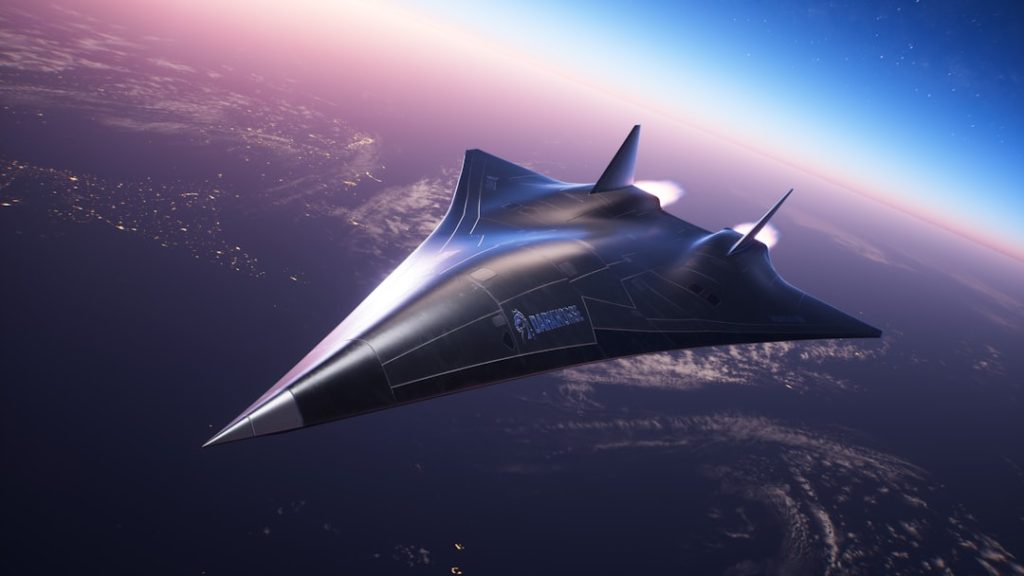
XCOR Aerospace was an American aerospace manufacturer established in 1992. The company focused on developing reusable rocket propulsion systems and suborbital and orbital spacecraft. XCOR’s stated mission was to provide reliable and cost-effective access to space for a range of customers, including research institutions, commercial enterprises, and eventually, private citizens. The company’s approach prioritized the development of proprietary technologies, particularly in liquid rocket engines, with an emphasis on safety, reusability, and operational simplicity.
XCOR Aerospace’s foundation was built upon its commitment to innovative rocket engine design. The company’s early work centered on the development of clean-burning, high-performance liquid rocket engines. Unlike many contemporary engines that relied on complex turbopump systems, XCOR championed a simpler, more robust approach.
The Regenerative Pressure-Fed Engine

A cornerstone of XCOR’s proprietary technology was its regenerative pressure-fed engine design. This system utilized the propellants themselves to pressurize the combustion chamber, eliminating the need for heavy and complex turbopumps.
Simplicity and Reliability
The absence of turbopumps was a significant engineering advantage. Turbopumps operate under extreme pressures and temperatures, making them prone to failure. By bypassing this component, XCOR aimed to achieve higher levels of reliability and reduce maintenance requirements. Imagine a finely tuned clockwork mechanism versus a sturdy, well-oiled hand tool; XCOR sought the latter’s inherent robustness.
Efficiency and Performance
While simpler, XCOR’s engines were designed for efficient combustion. The regenerative cooling system, where propellant flowed through channels in the engine nozzle before combustion, served a dual purpose. It cooled the engine, protecting it from extreme heat, and preheated the propellant, potentially improving combustion efficiency. This aspect was akin to a chef preheating a pan before adding ingredients, ensuring optimal cooking conditions.
Propellant Choices
XCOR primarily focused on liquid oxygen (LOX) and kerosene (RP-1) as propellants. This combination offered a good balance of performance, storability, and cost. These propellants were relatively common in the aerospace industry, meaning their supply chains were established.
Lynx Spaceplane Engine Development
The most prominent application of XCOR’s propulsion technology was intended for their Lynx spaceplane. This suborbital vehicle was designed to carry passengers or payloads to the edge of space.
The XCOR 500 Engine
The primary engine for the Lynx was designated the XCOR 500. This engine was designed to be highly reliable and capable of multiple restarts within a single mission. The ability to perform precise throttle control was also a key design parameter, allowing for a smooth ascent and descent profile.
Testing and Validation
Extensive ground testing was conducted to validate the performance and reliability of the XCOR 500. These tests involved numerous firings under various conditions, simulating the stresses and demands of actual flight. The data gathered informed iterative design improvements.
The Lynx Spaceplane Program
The Lynx spaceplane represented XCOR’s flagship project and its most ambitious endeavor to enter the space tourism market. The vehicle was envisioned as a reusable, winged aircraft capable of carrying two pilots and up to four passengers on suborbital trajectories.
Design Philosophy
The Lynx was conceived with operational simplicity and passenger experience in mind.
Reusability and Reduced Costs
A core tenet of the Lynx program was its reusability. The vehicle was designed to land like an aircraft, allowing for rapid turnaround between flights. This was intended to drive down the cost of space access, making it more accessible. Reducing the complexity of the launch and recovery process was a key objective.
Suborbital Trajectory
The Lynx was designed to reach an altitude of approximately 100 kilometers (62 miles), crossing the Karman line, the internationally recognized boundary of space. The flight profile was intended to offer passengers several minutes of weightlessness and a view of Earth from above. This was not a journey to the stars, but a significant step toward experiencing the vacuum of space.
Passenger Experience
The cabin of the Lynx was designed to provide a comfortable and safe environment for passengers. Large windows were to offer panoramic views, and the seating arrangement was intended to minimize g-forces during ascent and descent. The experience was marketed as a unique adventure.
Funding and Development Challenges
The development of the Lynx spaceplane was a capital-intensive undertaking, and XCOR faced significant funding challenges throughout its existence.
Investment and Partnerships
XCOR sought investment from various sources, including venture capital firms, private individuals, and government grants. The company also established partnerships with commercial entities interested in space tourism and research.
Shifting Economic Landscape
The aerospace industry, particularly the nascent commercial space sector, is subject to economic fluctuations and evolving investor sentiment. XCOR’s journey likely mirrored this, requiring continuous efforts to secure funding amidst a competitive landscape.
Technical Hurdles
Developing a novel spacecraft like the Lynx involved overcoming numerous technical challenges. These ranged from perfecting the propulsion system to ensuring the structural integrity of the vehicle and developing robust flight control systems. Every successful engineering feat was a stepping stone, but each setback could temper progress.
Demonstrator Missions and Early Operations
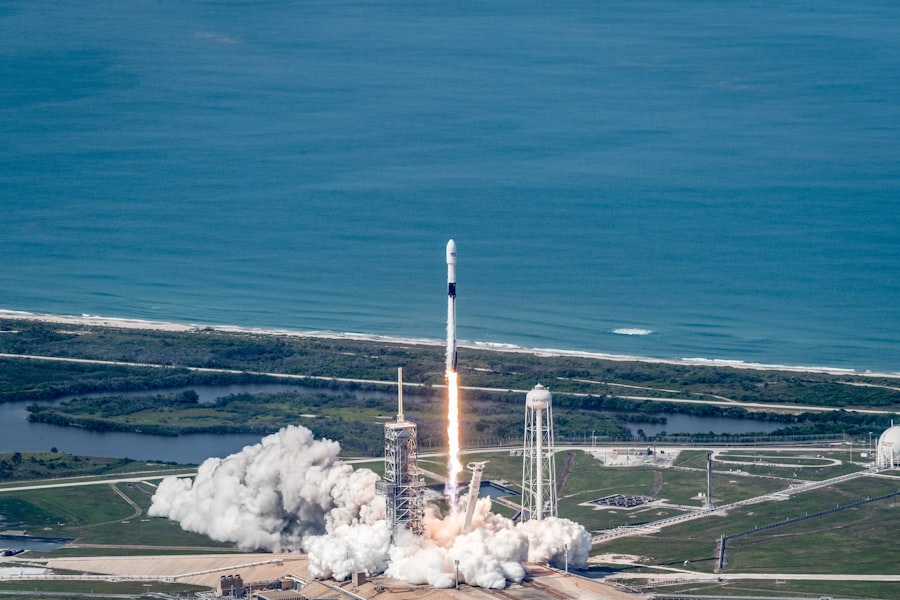
Before the full-scale Lynx spaceplane could enter commercial service, XCOR planned and executed several demonstrator missions with smaller vehicles and conducted tests on key components.
The “Hummingbird” Demonstrator
While not a direct precursor to the Lynx, XCOR’s earlier work on demonstrator vehicles provided valuable insights into rocket-powered flight. The “Hummingbird” was a small, uncrewed vehicle designed to test certain aspects of their liquid rocket technology.
Low-Speed Aerodynamic and Propulsion Testing
These early tests were crucial for gathering data on engine performance, control systems, and the aerodynamic behavior of rocket-powered vehicles at lower speeds. It was the equivalent of a pianist practicing scales before attempting a complex concerto.
Partnership with Scaled Composites
XCOR collaborated with Scaled Composites, a company with a strong track record in advanced aircraft design and manufacturing. This partnership was intended to leverage Scaled Composites’ expertise in composite materials and aerodynamic design for the Lynx.
Composite Structures
The use of advanced composite materials was essential for creating a lightweight yet strong airframe for the Lynx. These materials offer a high strength-to-weight ratio, a critical factor in aerospace design. This was akin to building a sturdy bridge using advanced alloys rather than basic iron.
Market Position and Competition
XCOR Aerospace operated within a rapidly evolving commercial space market characterized by both burgeoning opportunities and intense competition. The company sought to carve out a niche for itself with its unique technical approach.
Suborbital Space Tourism
The primary market XCOR targeted was suborbital space tourism. In this segment, the company competed with other emerging companies developing similar concepts.
Virgin Galactic
Virgin Galactic, with its SpaceShipTwo vehicle, was perhaps XCOR’s most prominent competitor in the suborbital tourism space. Both companies aimed to offer passengers a brief but life-altering experience of spaceflight. The race was on to be the first to reliably and safely ferry paying customers beyond the atmosphere.
Blue Origin
Blue Origin, founded by Jeff Bezos, also pursued suborbital spaceflight with its New Shepard rocket and capsule system. While a different vehicle architecture, Blue Origin represented another significant player vying for a share of the nascent space tourism market.
Research and Microgravity Experiments
Beyond tourism, XCOR also aimed to serve the scientific community. The Lynx was to provide a platform for conducting microgravity research experiments and deploying small payloads.
Access to Space for Science
The ability to conduct experiments in microgravity is vital for various scientific disciplines, including materials science, biology, and physics. XCOR offered a potential path for researchers to access this unique environment without the immense cost and complexity of orbital missions.
Transition and Legacy
| Metric | Value | Details |
|---|---|---|
| Company Name | XCOR Aerospace | Private aerospace manufacturer and spaceflight services company |
| Founded | 1999 | Based in Mojave, California |
| Industry | Aerospace, Spaceflight | Focus on reusable rocket engines and suborbital spaceflight |
| Key Product | XCOR Lynx | Suborbital spaceplane under development |
| Engine Technology | LOX/Kerosene Rocket Engines | Reusable and throttleable engines |
| Notable Achievement | First privately funded rocket engine test | Tested in early 2000s |
| Employees | ~50 (as of last known data) | Small specialized aerospace team |
| Status | Operations suspended | Filed for bankruptcy in 2017 |
Despite years of development and significant technological milestones, XCOR Aerospace ultimately faced insurmountable challenges in bringing its vision to fruition. The company’s journey, while not ending in widespread commercial operation, left a notable imprint on the pursuit of accessible spaceflight.
Financial Difficulties and Restructuring
Like many ambitious aerospace startups, XCOR grappled with consistent financial backing. The capital required for developing and certifying novel spacecraft is substantial, and securing a steady stream of investment proved to be a persistent hurdle. The company underwent periods of restructuring in an attempt to navigate these financial headwinds.
Cessation of Operations
In the mid-2010s, XCOR Aerospace ceased its primary operations. The exact reasons are multifaceted, but the confluence of ongoing development costs, challenges in securing adequate funding, and potentially evolving market dynamics played significant roles. This marked the end of their direct pursuit of the Lynx program.
Technological Contributions
While the Lynx spaceplane never entered regular service, the propulsion technology and engineering expertise developed by XCOR were not entirely lost. The company’s emphasis on simpler, more reliable rocket engines contributed to the broader understanding of advanced propulsion systems. Their work demonstrated that alternative approaches to rocket engine design were viable and could offer pathway s towards increased reliability and reduced operational costs. The lessons learned from XCOR’s efforts, both successes and shortcomings, serve as valuable data points for future endeavors in the commercial space sector. The pursuit of democratizing spaceflight is a long road, and XCOR’s journey, like many that came before and after, represents a crucial chapter in that ongoing narrative.